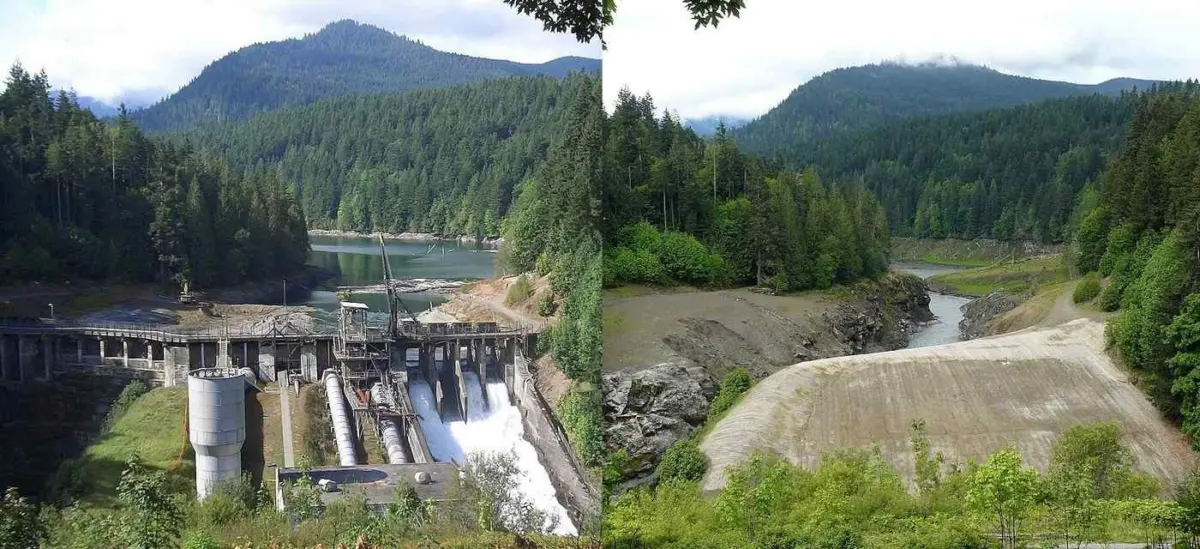
The impending transfer comes 171 years after the land formally left indigenous hands through historical treaties, and 114 years after it was first swallowed by rising waters following industrial development. Situated along the Elwha River between the bridges carrying State Route 101 and Route 112, the substantial land parcel was secured through a dedicated federal bill. The legislative measure has successfully navigated both houses of Congress and now sits before the executive branch awaiting a final signature.
Anticipating the transition, personnel from the National Parks Service have already conducted collaborative fieldwork alongside members of the Lower Klallam tribe. Because the parcel shares a border with the sprawling expanse of Olympic National Park, cooperative management and shared ecological goals remain paramount to the transition.
The legal and moral restitution effectively reverses aspects of the historic Point No Point Treaty of 1855. Under that agreement, the tribe ceded the vast majority of their historically inhabited territory in exchange for guaranteed access to education, healthcare, and the fundamental preservation of their hunting and fishing rights. However, the construction of the Elwha Dam—which severely disrupted their fishing livelihoods and inundated their most cherished valleys—was never a part of that bargain, leaving a deep wound in the community’s collective memory.
The newly recovered acreage holds profound cultural significance, containing sites deeply embedded in the Klallam history and identity. Among the submerged and now-emerging lands are historic village sites and the sacred geography where tribal elders recount that their people were first blessed into existence by the Creator. Beyond its human history, the recovering landscape serves as a thriving habitat for a diverse array of wildlife, providing a home for kingfishers, mountain lions, American dippers, black bears, opossums, and, most importantly, wild Pacific salmon.
When the Elwha Dam was erected in 1910, it severed the Klallam people from an ancestral way of life defined by a symbiotic relationship with the bountiful river. For generations, the tribe’s culture, economy, and spiritual practices flowed directly from the health of the watershed.
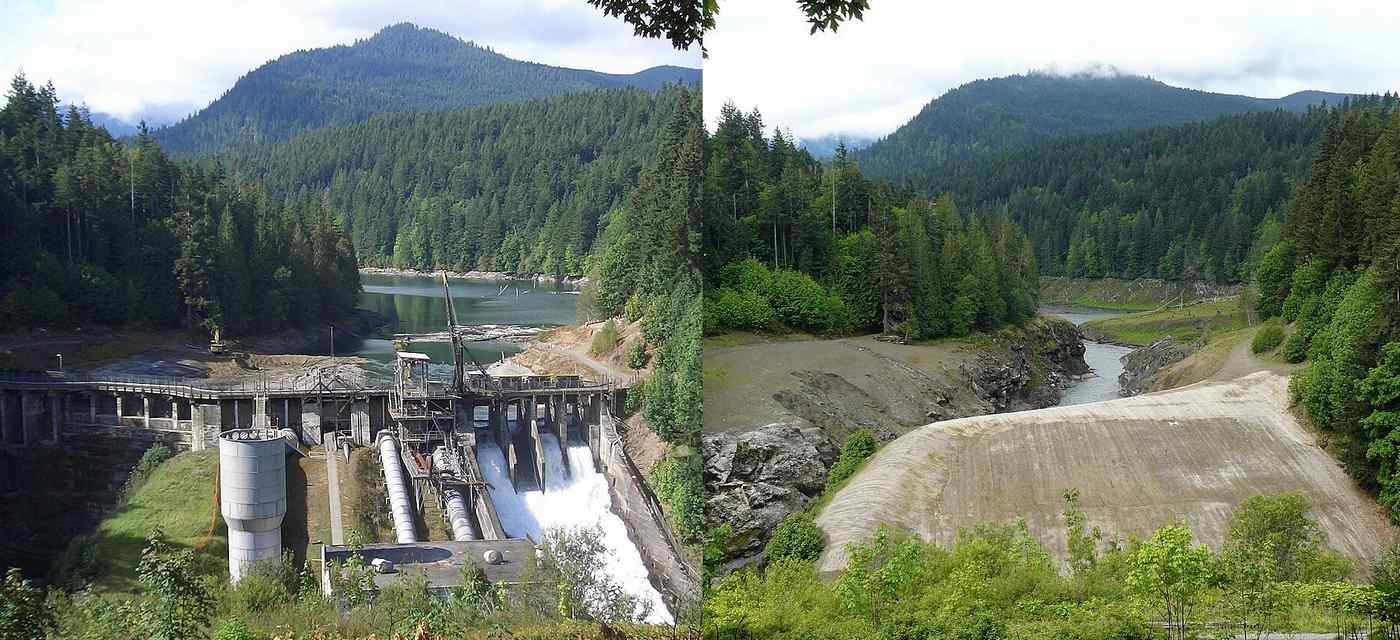
"Our land isn’t just land. The river isn’t just the river. The salmon aren’t just salmon," said Lower Elwha Klallam Tribe Chair Melissa Gilman, capturing the holistic worldview that binds the indigenous community to their natural surroundings. "This is part of who we are as people."
The plight of the Elwha River mirrors other major environmental battles across the American West, such as the restoration efforts along the Klamath River involving its own indigenous nations. For more than a century, migratory salmon had lost access to vital upstream spawning grounds due to industrial blockages. The Elwha River, whose pristine headwaters originate as glacial meltwater high among the peaks of the Olympic Cascades, historically served as an irreplaceable spawning habitat for robust runs of chinook salmon and native trout.
Recent years have marked a significant turning point for the watershed. Reports from local media following interviews with Klallam tribal members highlight that the region has experienced consecutive years where community members could actively exercise their traditional fishing rights along the river, a practice severely curtailed for decades.
Similar ecological triumphs have unfolded elsewhere, such as the return of hundreds of acres bordering Yosemite National Park to a tribe expelled nearly two centuries ago. On the Klamath River, salmon successfully repopulated upper reaches within a single year following the removal of four massive hydroelectric dams, marking the largest dam removal project in United States history. As those southern waters clear and recover, conservationists and tribal leaders alike express deep optimism that Elwha salmon will continue to reclaim their historical migration routes, mirroring the triumphant return of the Klallam people to their ancestral domain.
For tribal members who have fought for generations to preserve their heritage against overwhelming odds, the legislative milestone represents a profound sense of closure and renewal.
"That last missing piece was the Klallams, the people of the land," said tribe member Vanessa Castle, reflecting on the decades of advocacy leading up to this moment. "And now that can happen in a way that feels fulfilling and respectful, and that we have a space that we can call home again."