
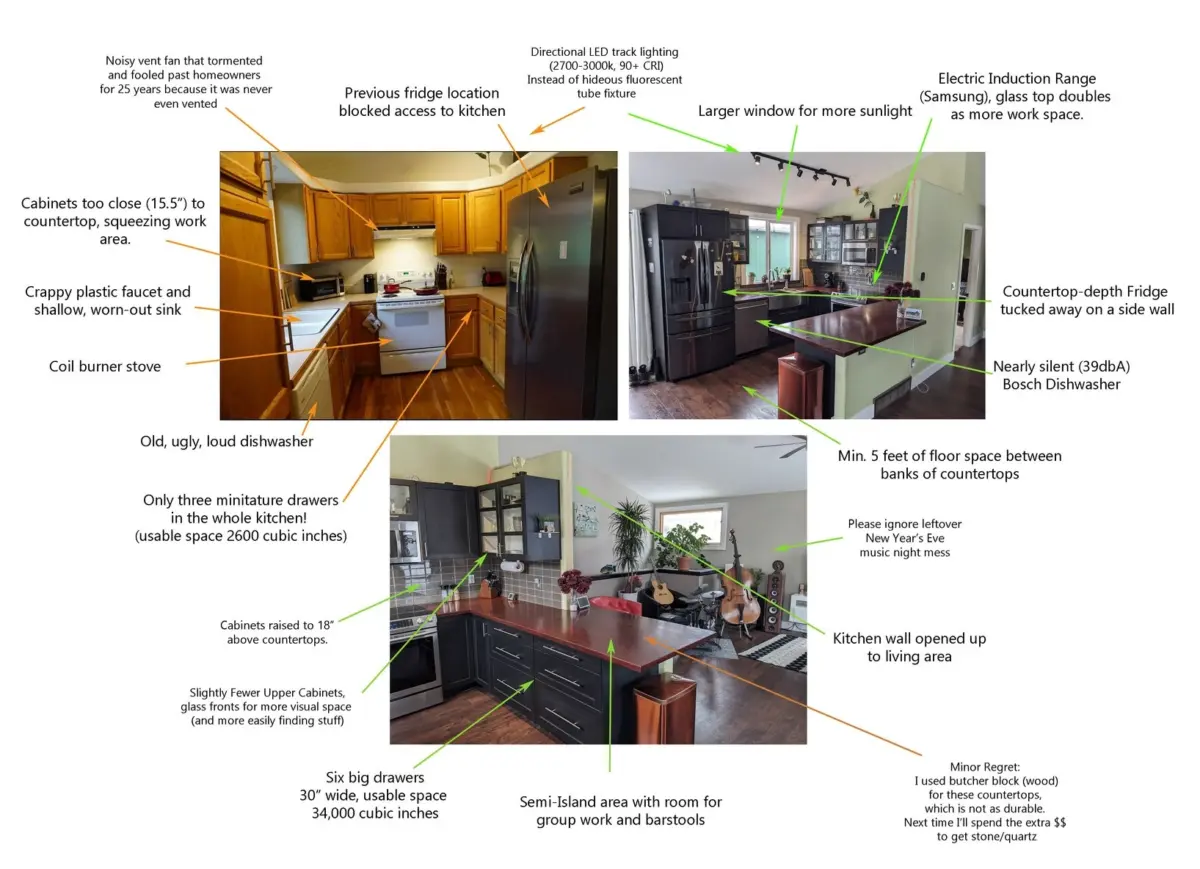
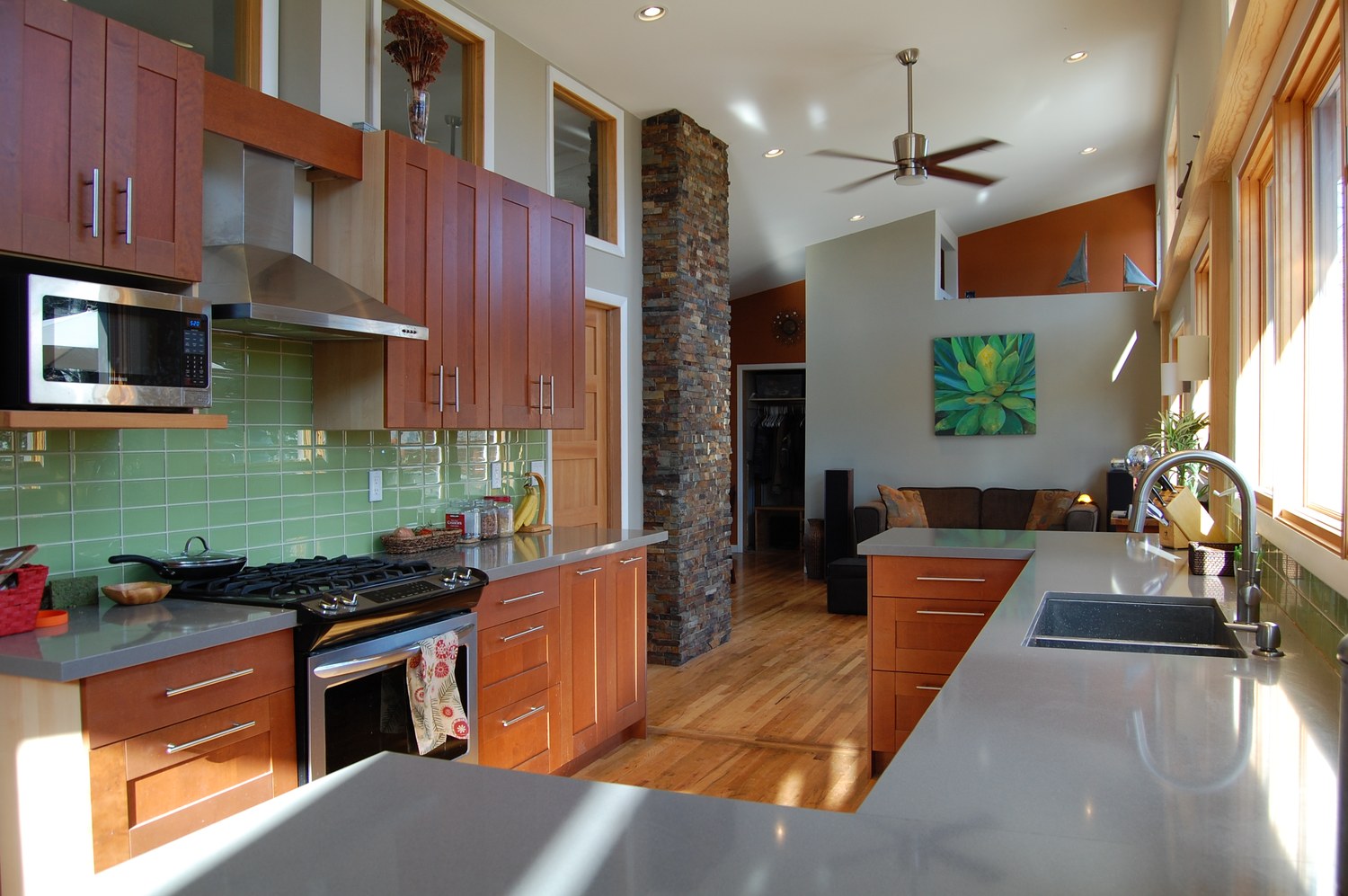
At its core, the concept of home serves as the foundation for family life, personal well-being, and social connection. Within any residence, the kitchen functions as the undisputed heart of the household. It is the command center for food preparation, a makeshift study hall for children tackling homework, and the inevitable gathering point for family discussions and gatherings.
However, this central space also carries a heavy financial weight. Housing represents the single largest expense in most people’s lives, and costs have skyrocketed in recent years due to severe imbalances in supply and demand. Modern buyers and homeowners increasingly demand beautiful, highly functional spaces, driving up the market value of properties equipped with updated kitchens and bathrooms. This dynamic often leaves investment-minded individuals frustrated by irrational market conditions or forced to settle for outdated, poorly designed fixer-uppers.
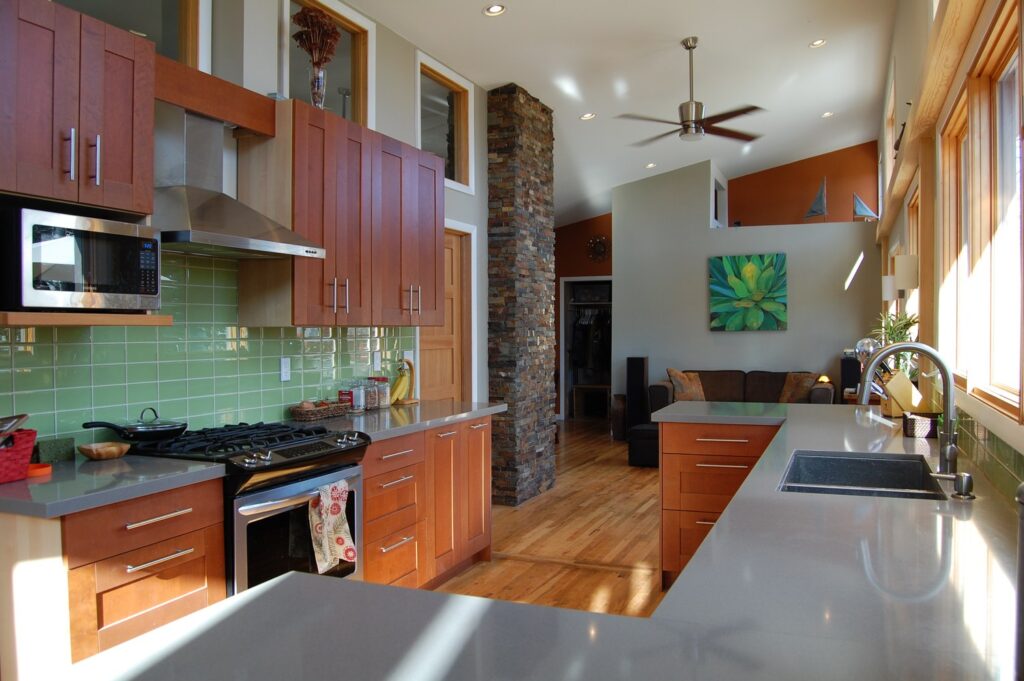
This real estate reality has compounded a secondary crisis: a profound shortage of skilled tradespeople. While the housing market is flooded with flimsy fixtures, leaky faucets, and dated 1980s cabinetry, there is a distinct lack of experienced builders capable of rescuing aging spaces and bringing them into the modern era. Consequently, finding a professional willing and able to construct a new kitchen often means receiving project quotes ranging from $25,000 to well over $75,000 for a job that, while prestigious, relies on straightforward mechanics.
Breaking down these professional estimates reveals an exorbitant labor rate ranging between $100 and $300 per hour. Homeowners willing to roll up their sleeves and tackle even a portion of the work can reclaim these substantial labor savings for themselves. Furthermore, the financial rewards extend beyond labor cost avoidance. Upgrading a kitchen in a high-demand housing market routinely generates significantly more value than the initial material investment, manifesting as increased resale value or higher monthly rental income for property investors. An added bonus of acquiring these trade skills is versatility; a kitchen is functionally a larger, more complex version of a bathroom, granting homeowners the ability to create and modify critical living spaces at will.
Navigating a successful kitchen transformation requires an understanding of the big picture before diving into the details. The process begins with administrative diligence, specifically addressing whether local building codes require permits. In most jurisdictions, modifications involving electrical wiring and plumbing hidden inside walls necessitate formal permits, though enforcement varies wildly by region. Regardless of local oversight, the overarching priority must always be executing professional-grade work that meets or exceeds building codes, ensuring long-term safety and peace of mind.
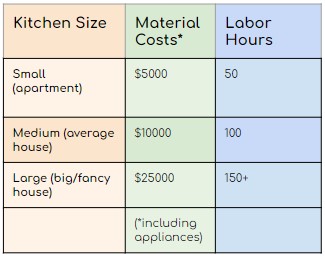
Establishing a realistic budget forms the next critical phase. Material costs vary dramatically depending on personal taste, but standard projects typically break down into predictable tiers for materials and appliances, alongside substantial investments of labor hours for professional-level execution. Savvy material sourcing often dictates the success of a cost-efficient renovation. Utilizing online marketplaces alongside traditional home improvement warehouses allows resourceful renovators to uncover significant savings on essential plumbing and hardware components, avoiding sudden retail markups on everyday items like sink traps and fittings.

Layout planning frequently involves altering or removing unnecessary interior walls. Many older homes relegate the kitchen to a cramped, walled-off booth. Chopping down non-load-bearing walls and replacing them with a spacious island can entirely transform the flow and livability of a home. While determining whether a wall is load-bearing ultimately requires professional engineering insight, basic structural principles can offer initial guidance. Modern design tools, including digital room planners, allow renovators to visualize spatial changes effectively before swinging a hammer.
Once the layout is established, infrastructure updates take center stage. Retaining existing plumbing locations minimizes complexity, but modernizing a kitchen often requires relocating or expanding water and drainage lines. Utilizing modern piping materials, such as flexible PEX tubing, has revolutionized residential plumbing, making it accessible to competent do-it-yourselfers. Similarly, electrical updates demand strict adherence to safety standards. Modern kitchens require dedicated circuits for high-draw appliances like refrigerators, dishwashers, and microwaves, alongside ground-fault circuit interrupter protection for all countertop workspaces. Running new wire to the main circuit panel can be seamlessly coordinated with licensed electricians, allowing homeowners to handle the manual routing while professionals manage the final panel hookups.
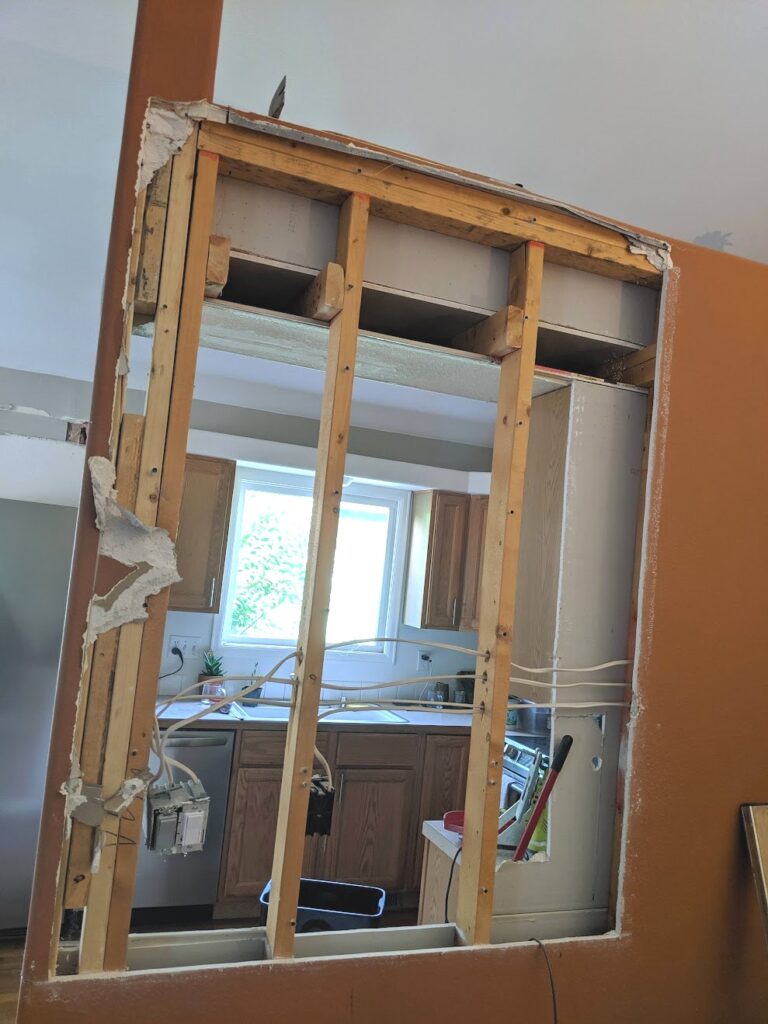
With framing, rough plumbing, and electrical completed, drywall installation and surface finishing bridge the gap toward the aesthetic phases of the project. Applying compound smoothly and priming surfaces prepares the room for new flooring. While durable options like engineered wood and luxury vinyl plank remain popular, traditional floor tiles continue to offer unmatched durability for households managing heavy foot traffic, children, and pets.
Cabinet installation follows as one of the most rewarding phases of the remodel. Achieving a professional finish relies heavily on patience, a reliable level, and stud finders to ensure boxes are mounted straight and square. Innovative mounting systems, such as rail-based cabinet frameworks, have simplified the alignment process by allowing installers to make fine adjustments before locking units into place. For countertops, durable stone surfaces like quartz or granite represent a higher upfront investment but deliver superior longevity and easy maintenance, ultimately returning their value through enhanced property equity.
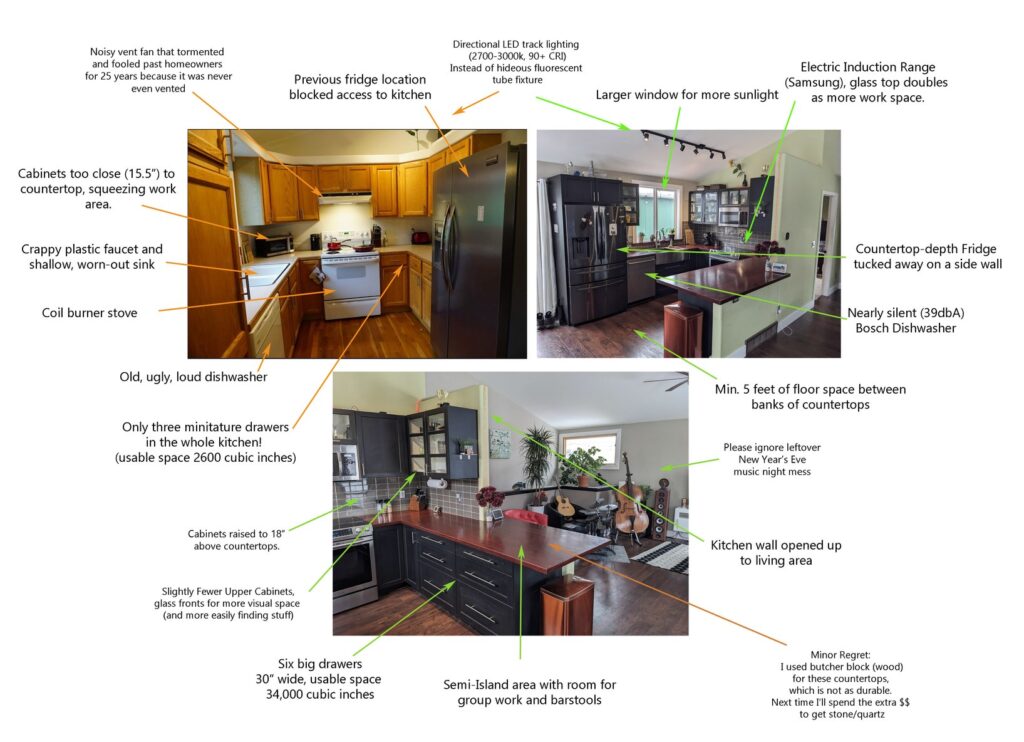
Sinks, faucets, and appliances represent the final major components of the functional kitchen. Modern online retail platforms have introduced significant deflationary pressures to these categories, offering high-end aesthetic fixtures and modern appliances at increasingly accessible price points. However, caution is advised when purchasing used appliances, as verifying functionality prior to purchase prevents costly surprises.
The project concludes with finish work, including custom backsplashes, trim, and hardware details that elevate the space from a functional room to the vibrant heart of the home. While embarking on a full kitchen renovation remains a monumental undertaking, mastering these core trades equips homeowners with practical, valuable skills that enhance both their living environment and their long-term financial resilience.