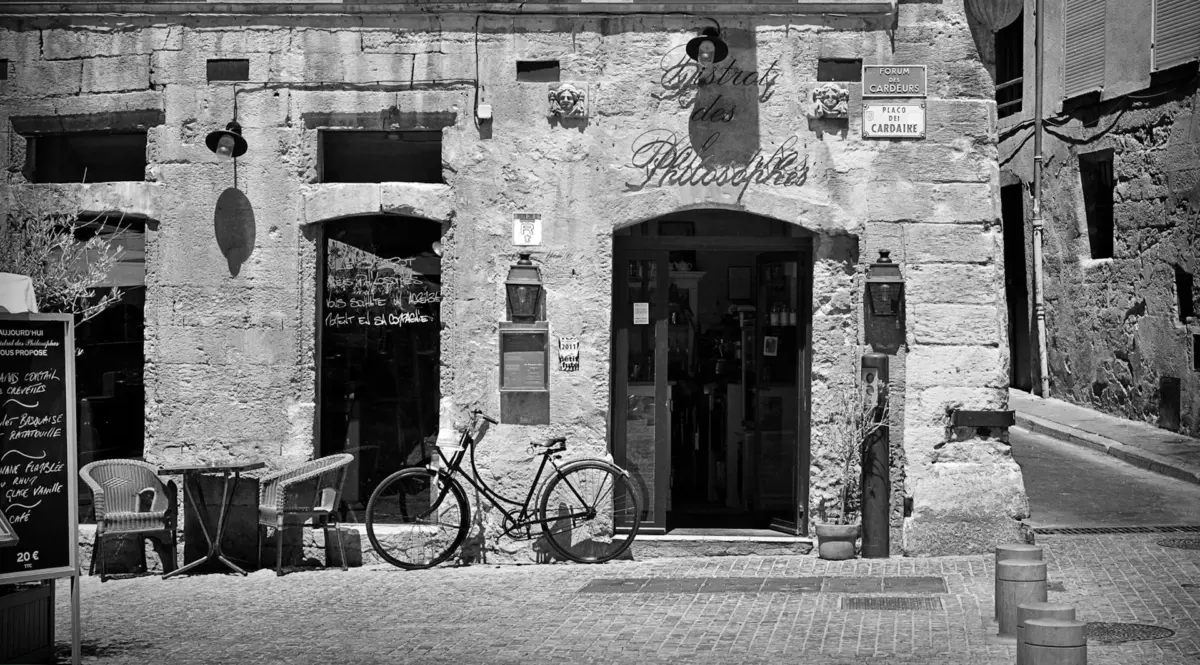
The establishment, known as Au Bon Accueil and formerly called the Station Café, is located in the commune of Saint-Martin-sur-Ouanne. It had recently remained closed for an alarming eight-month period, dealing a heavy psychological blow to local residents. For many in the village, the temporary closure served as a stark and distressing realization that they had lost their very last streetside commercial business. This blow came years after the village boulangerie, or bakery, closed its doors for good.
The sudden absence of a communal hub left a profound void in the daily lives of Saint-Martin’s residents. However, swift action from local authorities prevented a permanent closure. Both Hervé Chapuis, the village chief of Saint-Martin, and the county mayor stepped in directly to ensure that this treasured institution would remain firmly anchored within the town. Across France, similar institutions are disappearing at an alarming rate, making local intervention increasingly vital for community survival.
Nadia Letellier, the newly appointed manager of Au Bon Accueil, spoke about the renewed energy the reopening has brought to the area during a visit by journalist Kim Willsher. "It’s so important to have a café-bistro in a village like this. We couldn’t let it stay closed," Letellier told The Guardian. "And we’re doing well, as you can see. People seem really happy it’s open again."
For the residents of Saint-Martin-sur-Ouanne, the bistro is far more than a place to grab a quick drink or a bite to eat. Fixed-menu, three-course meals serve as common daily functions for locals during both lunch and dinner hours. It is customary for patrons to sit in the exact same seat and order the same item day after day. Beyond the routine, these gatherings provide an essential opportunity to catch up on local news, converse with neighbors, and escape the isolation of staying at home.
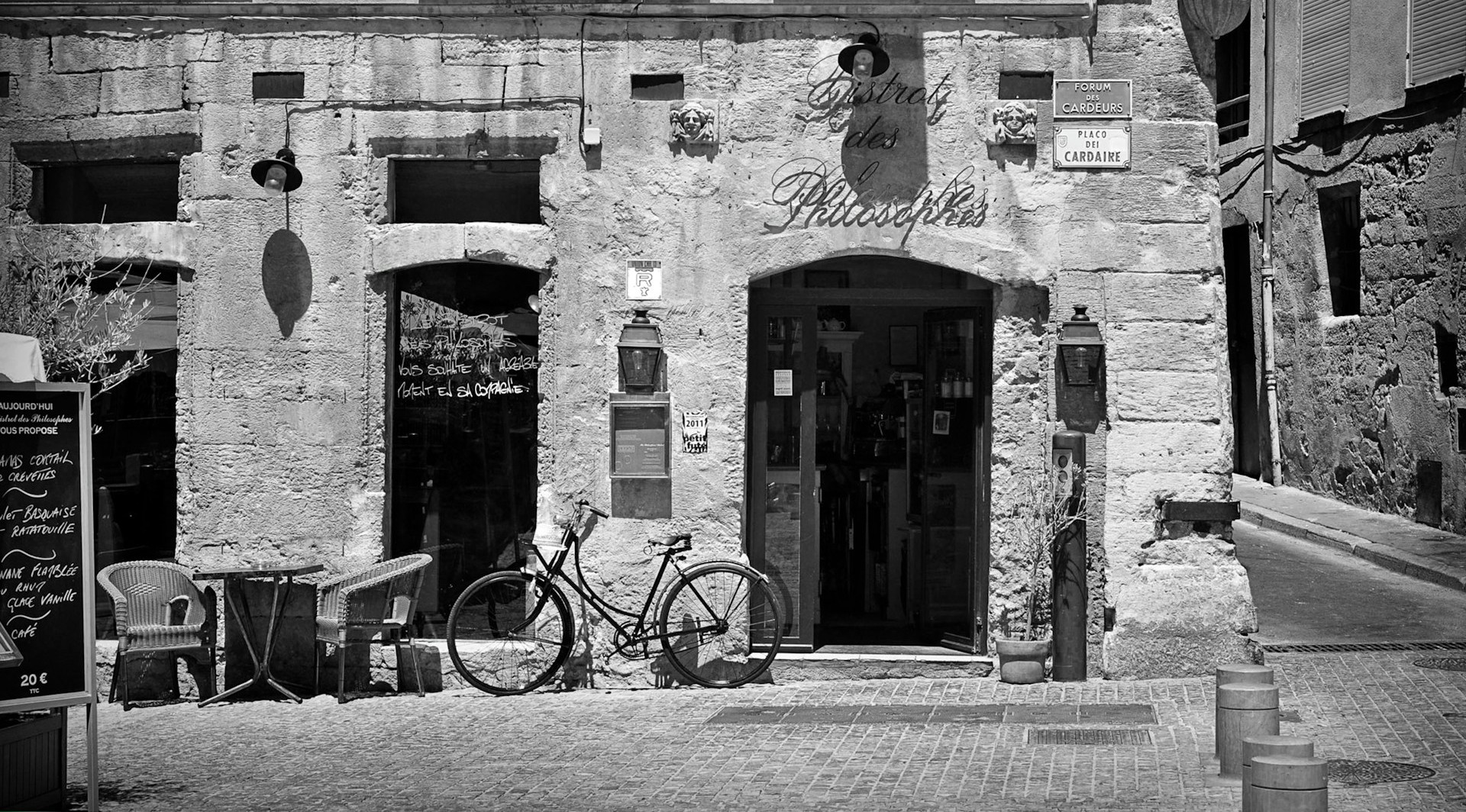
This vital social function plays a critical role in the depopulated French countryside. Yet, it is a tradition that is disappearing rapidly. According to reporting by Kim Willsher, a combination of socioeconomic pressures has driven a dramatic reduction in the number of French village cafés and bistros over the past century. Historical data indicates that France once boasted roughly 500,000 such establishments 125 years ago. Today, that number has plummeted to just 40,000.
A café-bistro can be forced to close its doors for any number of modern economic and demographic reasons. Declining alcohol consumption across generations, coupled with strict economic pressures and the two percent year-over-year price inflation targeted by the French and European central banks, places immense strain on small-scale hospitality operators. Compounding these financial hurdles are declining rural populations and a generational shift where senior owners reach retirement age with no younger successors willing or able to take over the businesses.
Fortunately, the administrative district in which Saint-Martin is situated—known as Charny-Orée-de-Puisaye—benefited from unique leadership. The local mayor brings a deep, personal understanding of the industry to his administrative role, having spent seven years running a bistro himself before being elected to public office earlier this year. Drawing on his firsthand experience of how vital these establishments are to rural stability, the mayor channeled €25,000 of public funds to finance essential renovations for the property, ensuring that the bistro could successfully reopen its doors.
"I noticed the same people would come in every morning at the same time, take the same table, the same coffee or a glass of white wine," the mayor told Willsher, reflecting on his time in the hospitality sector. "The café-bistro was their point of reference. If it disappears, there is nothing for them."
The successful rescue of Au Bon Accueil is part of a broader commitment by the local authority under the mayor’s leadership. Saint-Martin’s bistro was not the first local eatery to be saved by municipal intervention. The local authority already oversees and protects another bistro, a local restaurant, and three separate boulangeries within the wider district, demonstrating an aggressive municipal strategy to combat rural desertification.
It is often said that people do not truly know what they have until it is gone. Fortunately for the residents of Saint-Martin-sur-Ouanne, there are more than enough bistro-less villages scattered across the French countryside to serve as a cautionary tale. These empty communities clearly demonstrate just how critical these unassuming institutions are to the social fabric of rural society, offering a powerful reminder to the towns lucky enough to still have them of what is truly at stake.