

For nearly two decades, the author has championed the immense upsides of stepping away from traditional nine-to-five employment. The lifestyle allowed him to raise a son from birth through adulthood without compromise, while dedicating thousands of hours to personal values including family, health, friendships, outdoor adventures, construction projects, and writing. Yet, beneath the surface of this seemingly idyllic existence lies what he describes as a first-world paradox—the fact that he never actually has to do anything he does not want to do.
To the average commuter trapped in morning traffic or bound to a corporate cubicle, total freedom combined with financial security sounds like a non-stop playground of self-actualization. However, reality proves more nuanced. According to the author, freedom and accumulated wealth do not necessarily create a vacuum of effortless productivity; rather, they serve as magnifying glasses that expose an individual’s underlying strengths and weaknesses. At one extreme of this behavioral spectrum lies unchecked complacency, while at the other sits relentless ambition, such as managing large-scale philanthropic foundations dedicated to medical research and clean energy.
For the first decade of his retirement, the balance was maintained naturally. Alongside intensive parenting duties, he managed to build and renovate multiple neighborhood homes, embark on demanding expeditions, produce videos, deliver public talks, and author hundreds of blog posts. In recent years, however, a noticeable deceleration set in. The sharp focus required to tackle construction tasks or sit down at the keyboard began to wane, frequently replaced by early afternoon retreats to the couch and digital distractions. Recognizing a gradual decline in energy and output, he turned his analytical focus toward health, wellness, and behavioral psychology, exploring daily habits and the hazards of modern comfort. While these studies yielded valuable insights, a recurring pattern emerged: after successfully implementing new routines, his mind would eventually generate subtle excuses to abandon them, leaving a wide gap between knowledge acquired and accomplishments realized.
The breakthrough came when he identified a fundamental self-sabotage mechanism: utilizing his hard-won freedom not to pursue challenging, highly rewarding endeavors, but rather to evade tasks that felt demanding in the moment. Freedom, he noted, holds little value if it merely replaces a grueling commute with hours of passive smartphone scrolling. True fulfillment requires channeling that autonomy into pursuits more meaningful than the careers people leave behind.
This behavioral trap was particularly evident in his fitness routine. Acknowledging that weight training is arguably the most efficient catalyst for overall physical and mental well-being, he routinely fell into a cycle of procrastination. He would wait for ideal conditions—optimal energy levels, favorable weather, and a meticulously prepped home gym—only to find weeks slipping by between workouts, resulting in stagnant physical conditioning.

The turning point arrived when he fundamentally altered his internal dialogue regarding resistance and hesitation. Instead of negotiating with himself, waiting for the elusive mood to strike, or designing elaborate preparations, he adopted an immediate tactical response to his own reluctance. Recognizing the moment of hesitation not as a valid reason to pause, but as a direct warning sign of self-sabotage, he learned to treat the impulse to avoid a task as an instantaneous trigger for action. By catching hesitation in real time and immediately putting on his shoes to head to the gym, the psychological friction of starting was effectively bypassed.
The Influence of Extreme Discipline and Extreme Endurance
This shift in perspective coincided with an exploration of extreme human performance, sparked in part by conversations with peers. Observing friends who successfully balance rigorous entrepreneurial ventures, large families, and ultra-endurance athletic training revealed a stark contrast to his own relaxed schedule. While neither extreme—relentless exhaustion or excessive comfort—represented an ideal state, the comparison highlighted room for adjustment toward a more disciplined center.
The catalyst that cemented this behavioral shift was an exposure to the philosophy and life story of endurance athlete and former Navy SEAL David Goggins, popularized through prominent podcast appearances. Having survived a severely abusive childhood and overcoming profound psychological and physical hurdles, Goggins is renowned for pushing the boundaries of human endurance through extreme physical feats, such as running hundreds of miles without sleep and setting pull-up world records.

While the author emphasizes that he has no desire to replicate Goggins’s extreme lifestyle or endure multi-day marathons, the exposure radically reframed his understanding of personal limitations. It demonstrated that virtually all barriers are psychological constructs rather than immutable physical laws or external restrictions. This realization dismantled old assumptions about capability and replaced them with a broader, more empowering outlook on what can be achieved through sheer mental resolve.
Reclaiming Vitality and Redefining Discipline
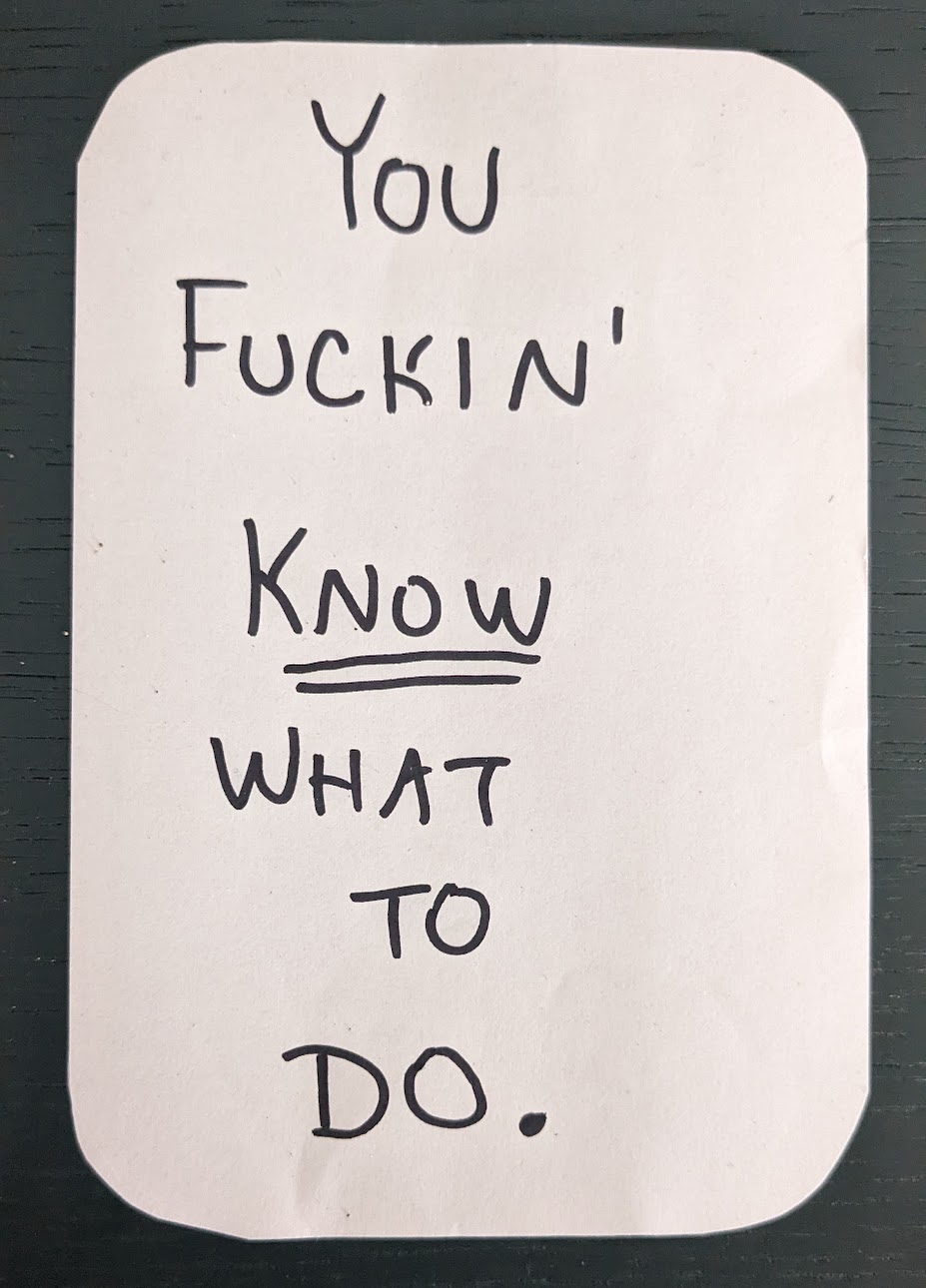
Armed with concise reminders posted in his living space—such as the blunt realization that individuals already know what actions are necessary—he began applying this zero-hesitation principle across multiple domains. The impact on his physical health was immediate and pronounced. Within four months of adopting a daily training mindset, regardless of fluctuating motivation, he gained ten pounds of lean muscle mass, regained the strength and flexibility he possessed in his twenties, and reported a noticeable rejuvenation in his joints.
Similar principles were successfully applied to increase his running frequency, reengage with a local coworking community for work and social interaction, and resume regular writing for his readership. While acknowledging the importance of moderation—guarding against the pitfalls of overwork or internet-driven pressure—he found that embracing the friction of difficult tasks ultimately sustains the high quality of life he values.
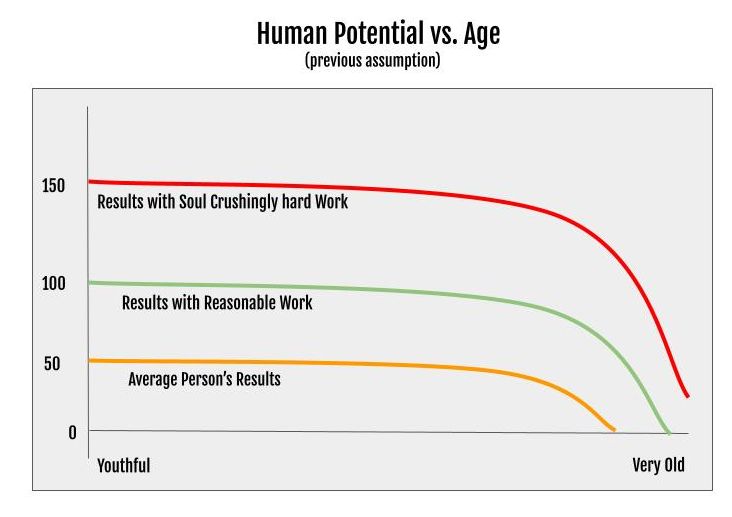
To maintain this momentum, he integrated motivational audiobooks into his daily morning walks, drawing inspiration from figures like Goggins, longevity physician Peter Attia, and retired Navy SEAL Jocko Willink. Dismissing contemporary cultural anxieties surrounding aggressive motivational rhetoric or traditional masculine archetypes, he advocates for a pragmatic approach: selectively absorbing messages that drive personal growth while discarding the rest. By surrounding himself conceptually with stories of resilient, high-output individuals, he continues to fuel the discipline required to make the most of his retirement years.