However, technology experts and consumer advocates emphasize that purchasing a computing device released more than half a decade ago requires careful consideration of its technical limitations, hardware condition, and remaining software support lifecycle.
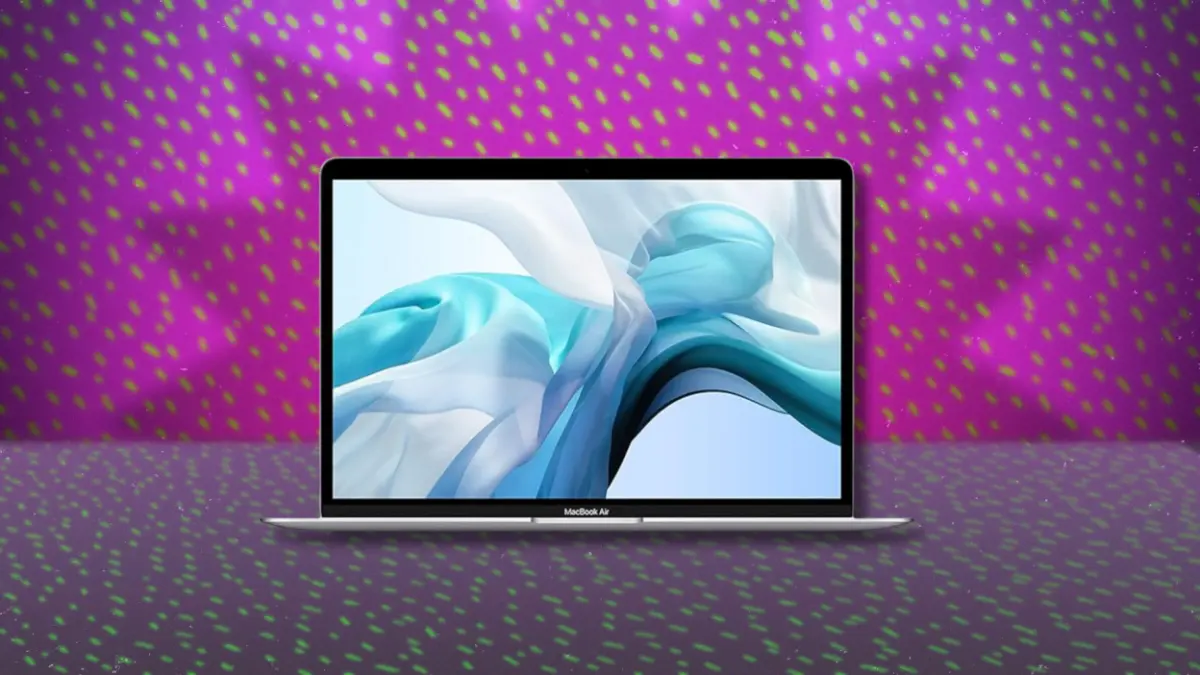
Unlike the more widely celebrated Apple Silicon M1-equipped MacBook Air models that debuted later in 2020, this particular discounted configuration relies on Intel architecture. Specifically, the machine houses a 10th-generation Intel Core i3 processor paired with 8GB of RAM and Intel Iris Plus graphics. While these specifications were considered modest even at the time of the laptop’s original release, they remain adequate for fundamental daily productivity duties.
Users can expect the hardware to capably handle standard word processing tasks in applications like Google Docs, light web browsing with a modest number of open tabs, participating in video conference calls, and streaming media platforms such as Netflix or YouTube. Conversely, the configuration is explicitly unsuited for resource-intensive workflows, including professional video editing, modern PC gaming, 3D rendering, or heavy software development.
Despite its aging internal components, the physical design and hardware features of the 2020 Intel MacBook Air retain certain enduring qualities. The laptop features a sharp 13.3-inch Retina display that delivers clear text and vibrant images for everyday viewing. Apple’s Magic Keyboard, housed within the slim aluminum chassis, continues to be regarded as comfortable for extended typing sessions, while the integration of Touch ID allows for biometric authentication, streamlined logins, and secure online purchase approvals.
Connectivity and peripheral support are handled via two Thunderbolt 3 ports alongside USB-C charging capabilities. For remote communication, the device is equipped with a standard 720p FaceTime HD webcam. When first introduced to the market, Apple rated the battery life of this specific model for up to 11 hours of wireless web browsing. Nevertheless, prospective buyers must factor in potential battery degradation, as a refurbished unit that has seen active service over the span of six years is unlikely to retain its original factory battery longevity.

StackSocial classifies this specific inventory as Grade B condition. Under this grading standard, buyers should anticipate the presence of light to moderate cosmetic scuffs, scratches, or signs of wear on the exterior aluminum housing, though the internal hardware functionality is certified. Additionally, the purchase includes a limited 30-day warranty provided through the seller.
The most substantial factor confronting potential buyers in 2026 is the horizon of software updates and overall operational longevity. While this MacBook Air model retains compatibility with macOS Sequoia, it lacks official support for macOS Tahoe 26. Consequently, the device is already excluded from receiving Apple’s most recent major operating system upgrade.
While the absence of the newest OS version does not render the computer instantly obsolete or unusable for basic web-based activities, it introduces a hard ceiling on how long the machine will remain viable for primary computing needs. Security patches and application compatibility will inevitably begin to phase out as the software ecosystem progresses further away from 10th-generation Intel processors.
At the $279.99 price point, industry analysts view the offer as a viable short-term bridge solution rather than a long-term investment. The laptop makes practical sense for students on a strict budget, individuals requiring an inexpensive backup computer, or casual users whose digital habits do not extend far beyond web surfing, document management, and media consumption.
Conversely, consumers searching for a primary computer intended to remain fully supported and performant for several more years are generally advised to look toward newer Apple Silicon models. The transition to M-series processors yielded monumental leaps in processing power, energy efficiency, thermal management, and extended software lifecycles that fundamentally outperform the aging Intel architecture found in this discounted 2020 configuration.