As environmental awareness grows and homeowners seek relief from endless weekend chores, a cultural shift toward low-maintenance landscaping is taking root. Often aligned with the principles of sustainable minimalism, this movement encourages property owners to design yards that work in harmony with local climates, regional ecologies, and personal schedules, rather than fighting natural conditions at every turn.
The critique of the traditional monoculture lawn goes beyond mere inconvenience. Historians and environmentalists note that the pristine, uniform grass lawn took deep hold in American culture as a status symbol inherited from colonial classism, signaling that a household possessed enough land and wealth to leave acreage completely unproductive. Today, maintaining that standard often requires intensive inputs—such as watering grass during severe droughts or applying chemical treatments to suppress any non-grass species—while offering virtually no benefits to local ecosystems, pollinators, or wildlife.
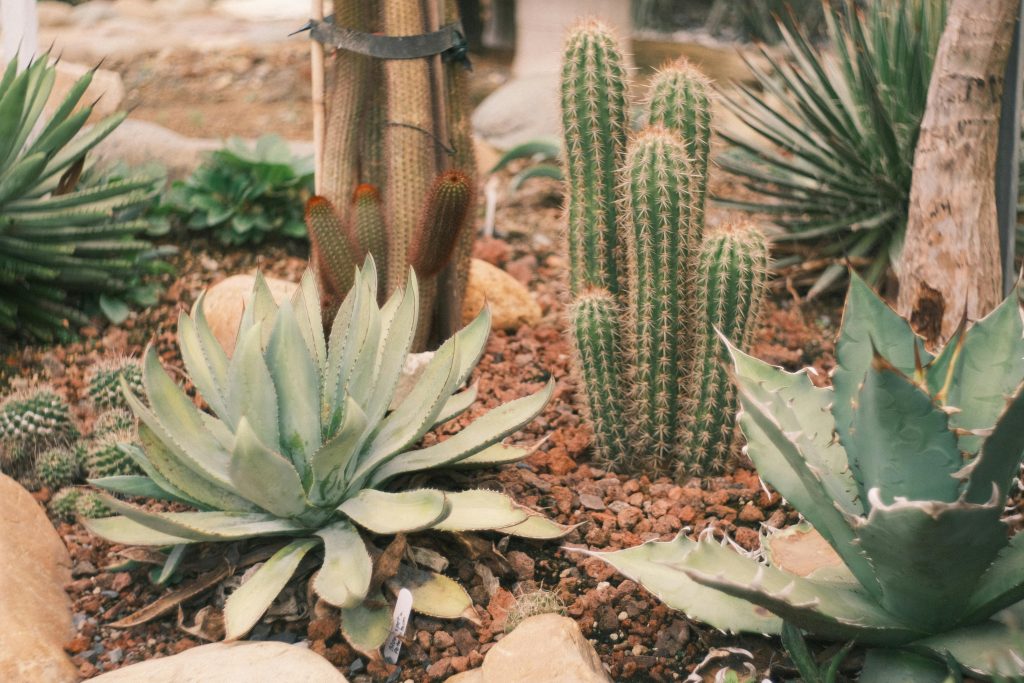
In response, landscape advocates and homeowners are exploring a variety of strategies to reduce resource consumption and minimize upkeep without sacrificing the aesthetic appeal of their outdoor spaces.
One primary approach gaining traction is xeriscaping, a landscaping method specifically designed for low water consumption. Far from the barren, gravel-heavy parking lot aesthetic that the name sometimes brings to mind, modern xeriscaping utilizes well-planned groupings of drought-tolerant plants arranged by shared water requirements. By integrating gravel pathways with silver-leaved sage, lavender, yarrow, and ornamental grasses, property owners can create vibrant, visually striking environments that thrive with minimal intervention. This approach is particularly resonant in arid regions, where redirecting scarce drinking water toward maintaining thirsty, non-native turfgrass is increasingly viewed as unsustainable.
Strategic use of rocks and stone elements can also perform significant structural work in minimal landscapes while demanding zero maintenance. Features such as river rock dry creek beds serve practical drainage functions while adding an intentional design element. Similarly, boulders provide immediate architectural structure, and materials like pea gravel, crushed granite, flagstone, and lava rock offer cost-effective alternatives to labor-intensive paver patios. Because rocks do not grow, require pruning, or need irrigation, they provide lasting visual structure with no upkeep.
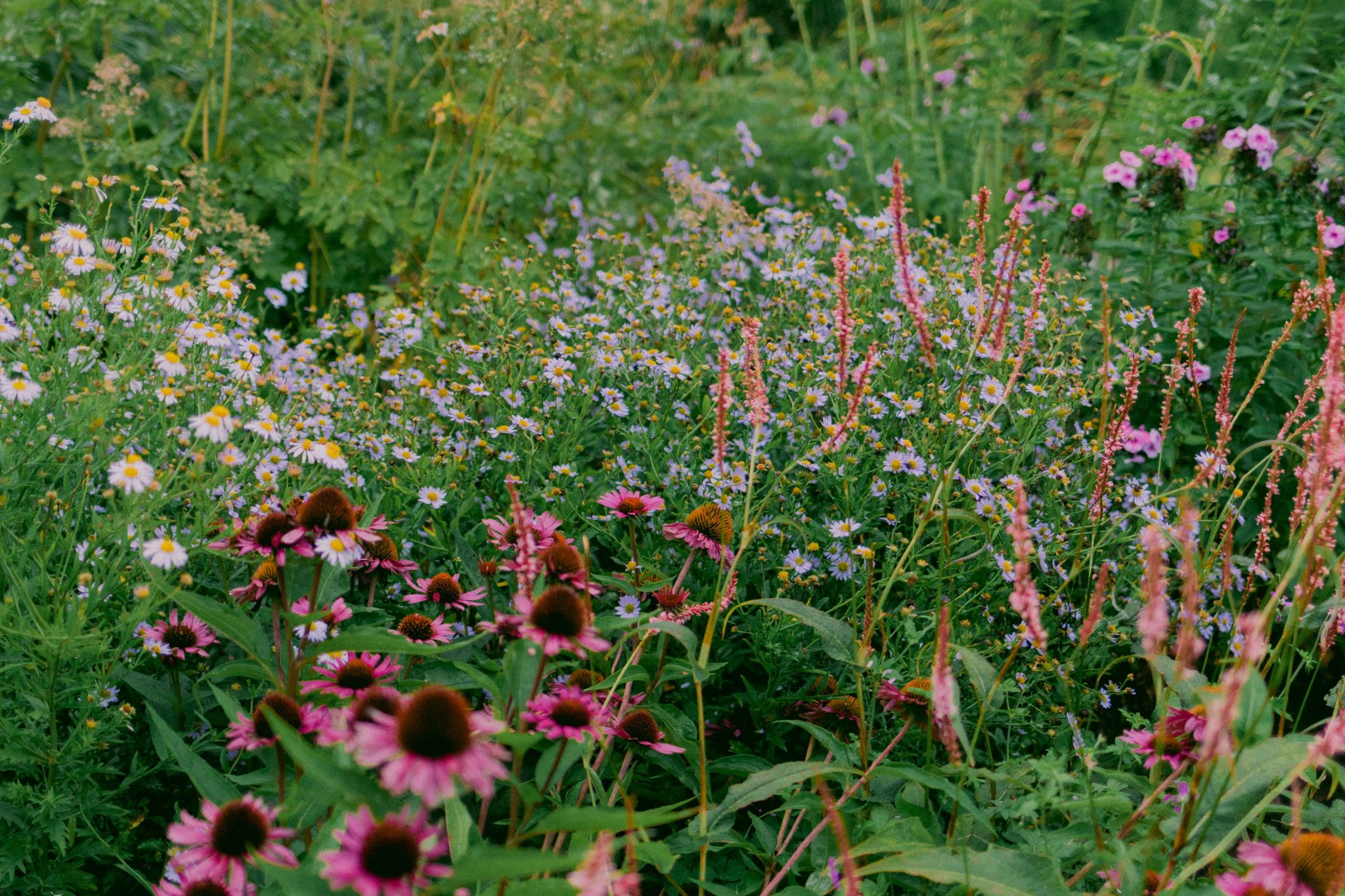
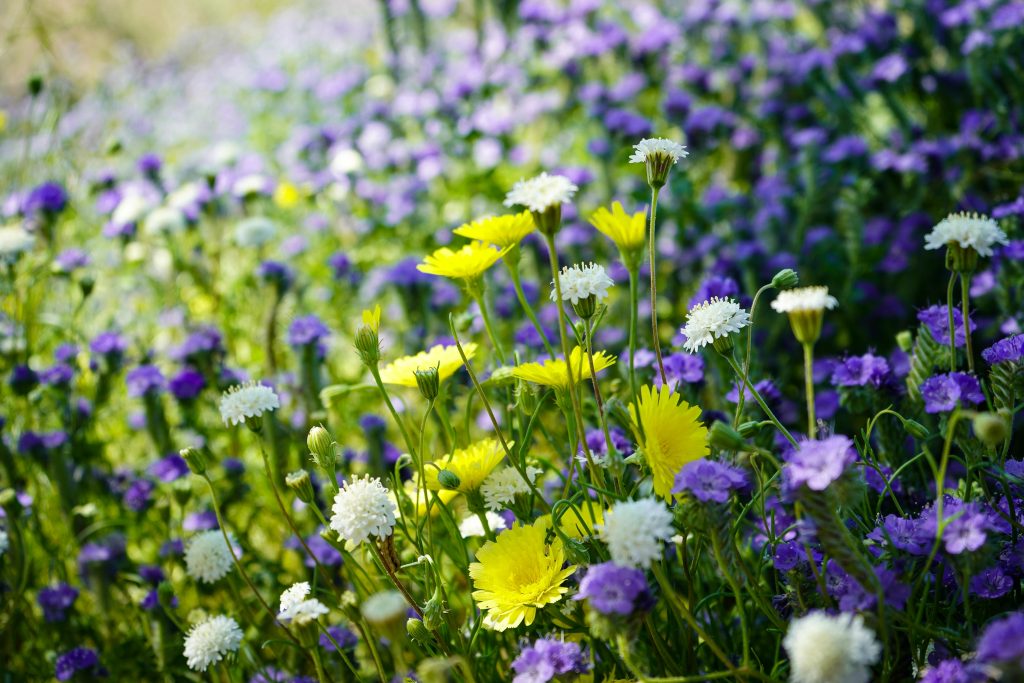
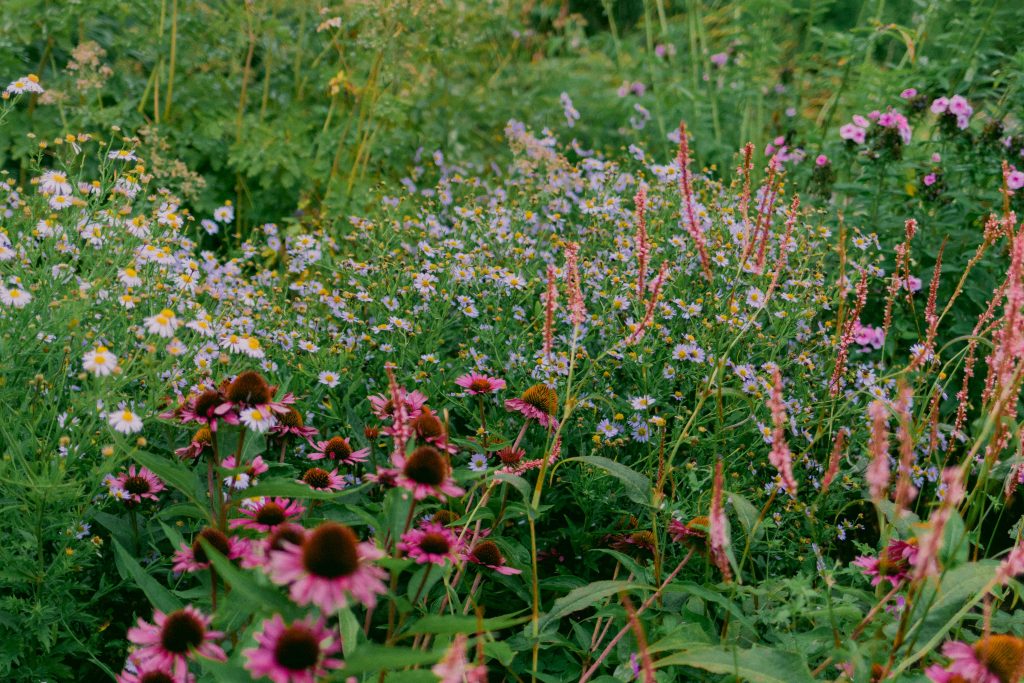
Another cornerstone of sustainable landscaping is the emphasis on native plants. Having evolved alongside local soils, rainfall patterns, and native insects, indigenous plants are uniquely adapted to thrive in their home regions. Once established, most native species require little to no supplemental watering, synthetic fertilizers, or pest management. Furthermore, they provide essential resources for local pollinators and birds, which in turn assist with natural pest control.
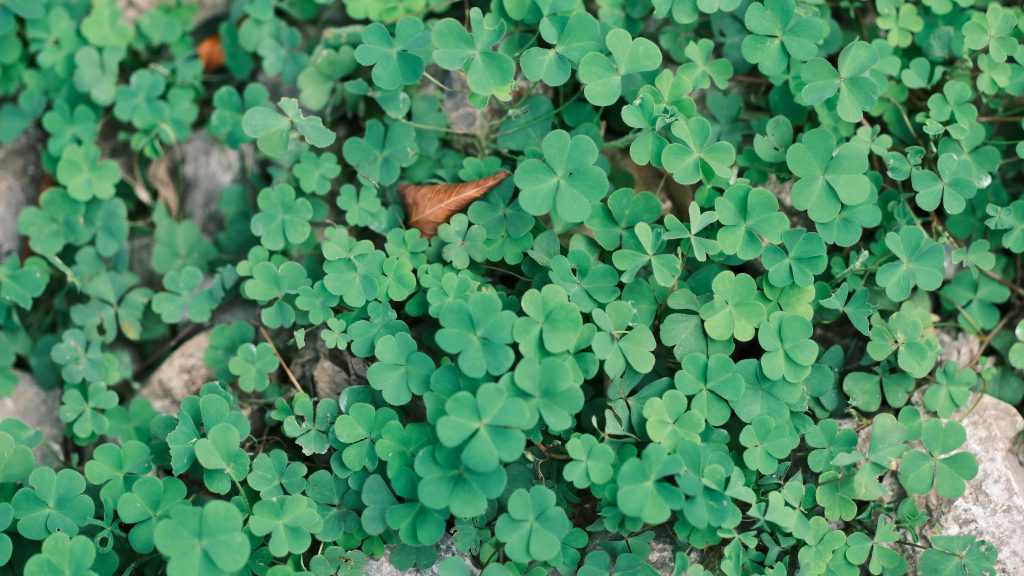
For property owners hesitant to completely eradicate traditional turfgrass, experts recommend a phased approach: shrinking the lawn gradually. By converting awkward, hard-to-mow corners, strips along driveways, or patches beneath tree canopies into perennial beds, clover patches, or mulched tree rings, homeowners can steadily decrease the square footage of turf they must manage. Over time, the remaining lawn can be restricted to functional areas designated for walking and recreation—the only spaces that genuinely require grass.
Expanding beyond traditional lawns also opens the door to alternative ground covers that require substantially less maintenance. Creeping thyme, clover, moss, sedum, creeping Jenny, and sweet woodruff provide soft, green surfaces underfoot while improving soil health, resisting drought, or fixing nitrogen naturally. Many of these alternatives eliminate the need for regular mowing entirely.

Adopting the ecological principle of "right plant, right place" further reduces long-term labor. By matching plant selections to specific environmental conditions—such as placing shade-tolerant ferns and hostas in damp, dark corners or drought-resistant Mediterranean herbs on hot, south-facing slopes—gardeners can work with regional climates instead of fighting them.
Integrating edible plants into traditional ornamental beds represents another growing trend among urban homesteaders and minimalists alike. Fruit trees double as shade providers, berry bushes function as flowering shrubs, and culinary herbs like rosemary, sage, and thyme serve as attractive landscape plants that also supply the kitchen. This approach merges aesthetic landscaping with practical food production, eliminating the need for separate, fenced-off vegetable plots.
Resource conservation extends to irrigation and soil management as well. Replacing inefficient overhead sprinklers with targeted drip irrigation systems delivers water directly to plant root zones on a timer, significantly reducing both water consumption and evaporation waste. Coupled with a generous layer of organic mulch—such as wood chips, shredded leaves, or straw—soil moisture is effectively retained, weed growth is suppressed, and earth is nourished as the material slowly breaks down. Many homeowners even bypass bagged commercial mulch entirely by adopting practices like leaving autumn leaves in place or sourcing free wood chips from local tree services, turning natural debris into valuable soil amendment.
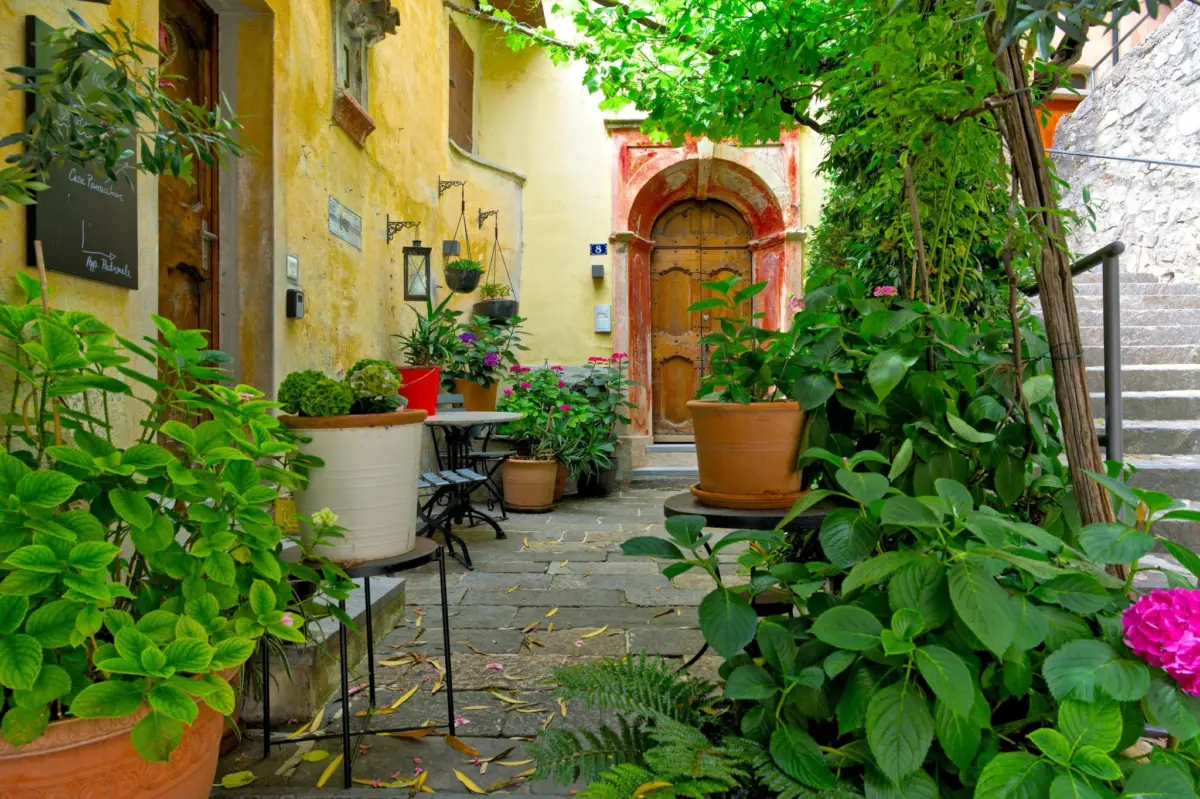
For properties with limited acreage or climates unsuited for sprawling lawns, courtyard designs offer a streamlined alternative. Patios featuring potted plants, comfortable seating, and climbing vines provide complete, intimate outdoor living spaces without the need for mowers or extensive turf maintenance.
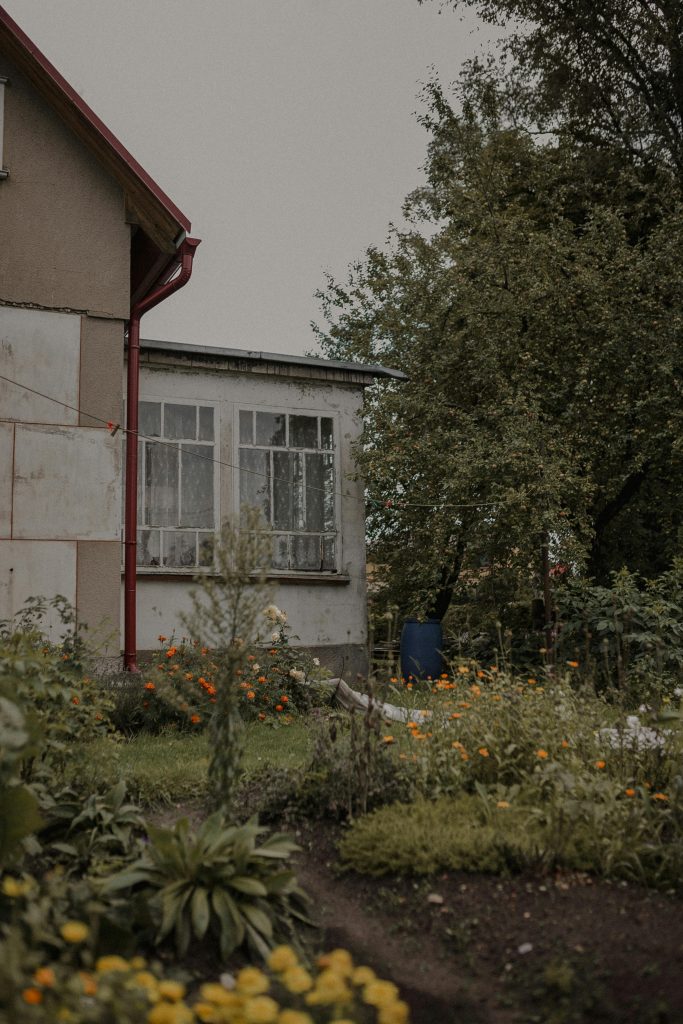
Ultimately, sustainable minimalism in the yard is not about achieving a sterile or empty landscape, but about intentionality. By decluttering outdoor spaces—removing broken furniture, rusted tools, and unloved plants—and aligning landscaping choices with personal values and available time, property owners can transform their yards into manageable extensions of the home that support, rather than consume, their daily lives.