
Another critical concept in sustainable purchasing is avoiding the "water up-charge." Many conventional liquid personal care products consist of approximately 80 percent water. Consumers essentially pay for diluted formulations, alongside the inflated costs of heavy plastic packaging and long-distance shipping emissions. Transitioning to concentrated, undiluted alternatives—such as switching from liquid body wash to traditional bar soap—drastically cuts down on unnecessary packaging waste and financial expense.
Crucially, sustainability experts emphasize that eco-conscious living does not mean discarding perfectly functional items in favor of newly marketed green products. The most environmentally responsible and economically sound choice is always to use up what is already owned. Sustainable transitions are most successfully executed gradually, allowing consumers to make informed replacements only as current products are depleted or tools reach the end of their usability.
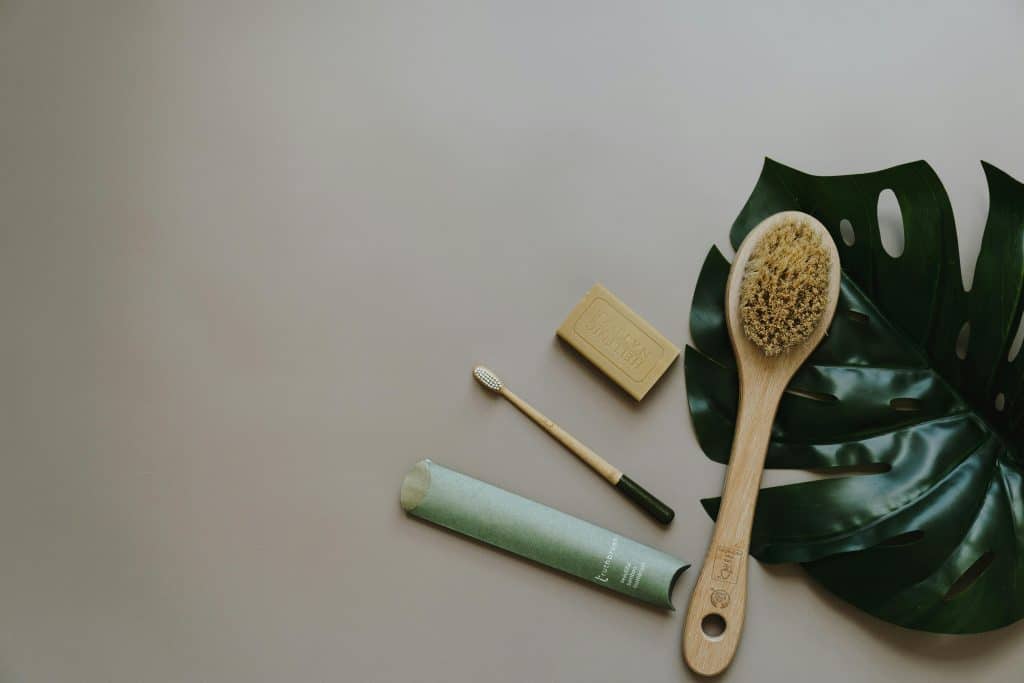
When addressing specific bathroom categories, hair removal tools offer a substantial opportunity for waste reduction. Conventional shaving setups rely heavily on disposable plastic handles, short-lived cartridge blades housed in plastic packaging, and pressurized aerosol cans of shaving cream that require frequent replacement. In contrast, durable safety razors made from metal can last a lifetime while utilizing replacement blades at a fraction of the cost of multi-blade plastic cartridges. For lathering, traditional shaving soap sticks applied with a reusable brush provide a long-lasting, low-waste alternative to canned foams. Furthermore, some individuals choose to bypass the shaving routine altogether, embracing natural body hair as a completely valid and ecologically effortless personal choice.
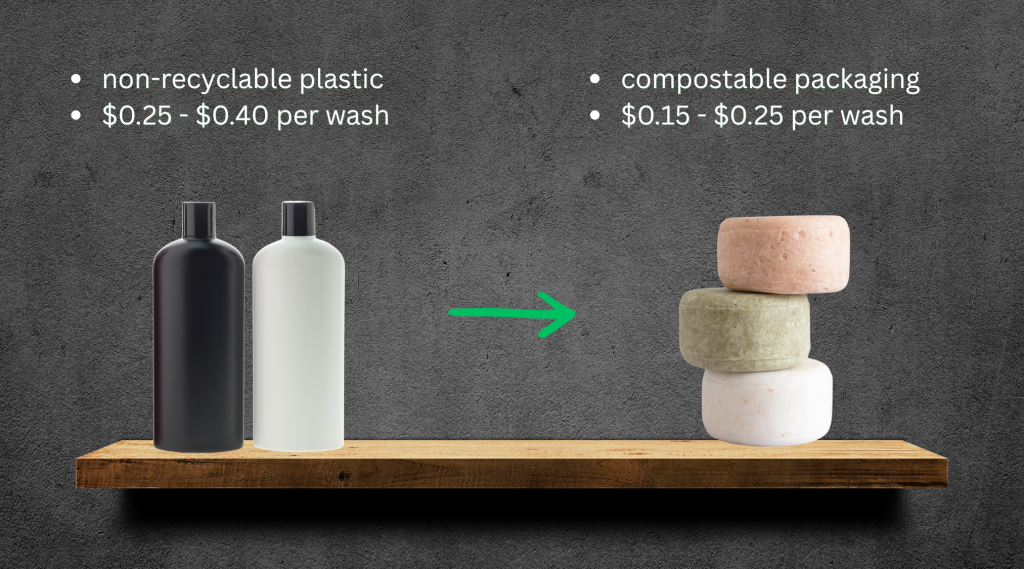
Shampoo and conditioner routines are similarly ripe for modernization. By moving away from plastic bottles filled with water-diluted formulas, consumers can embrace solid shampoo bars. Although the initial sticker price of a bar may occasionally appear higher than a standard plastic bottle, the longevity of solid products ensures a lower cost per use. While finding a suitable conditioner bar can present challenges for individuals with specific hair types, such as dry or curly textures, general hair care regimens can easily accommodate solid cleansing bars that feature natural ingredients and compostable packaging.
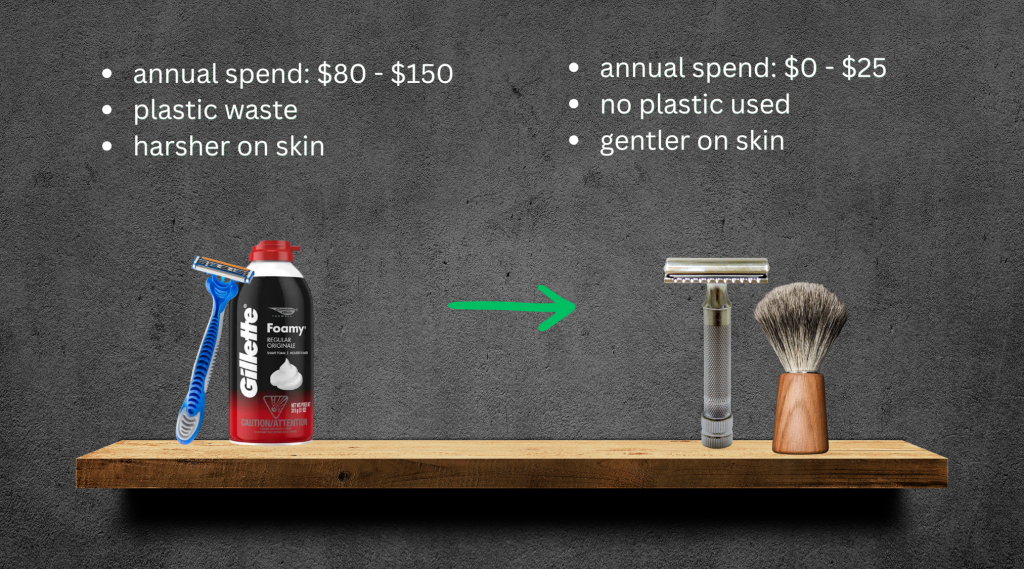
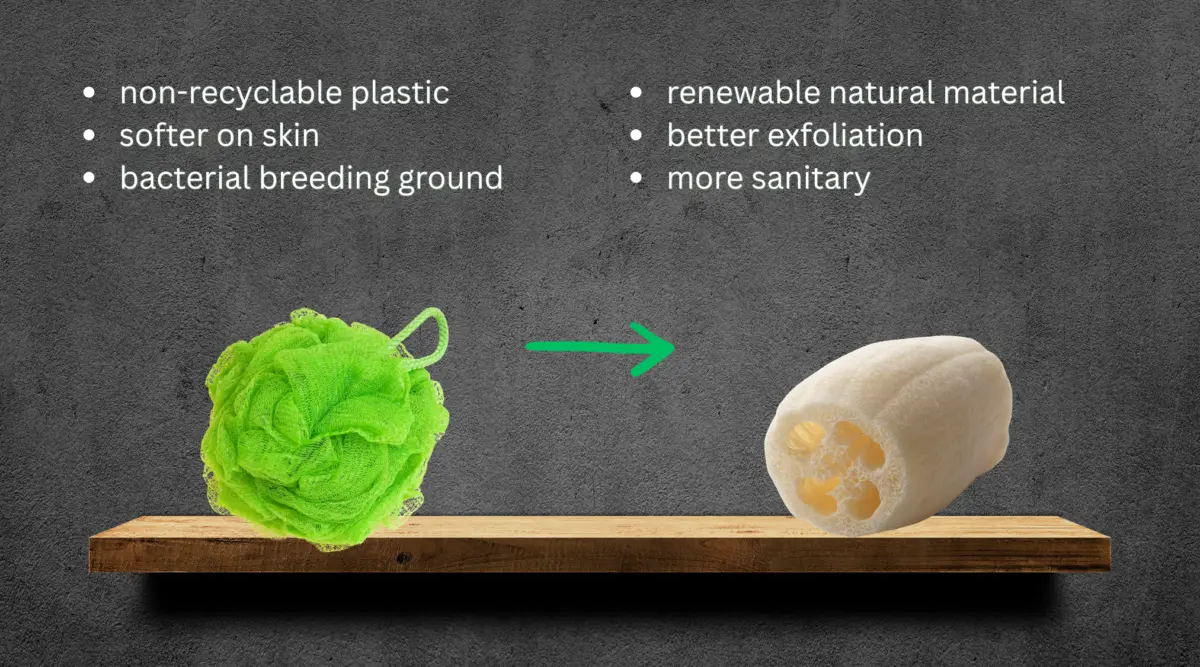
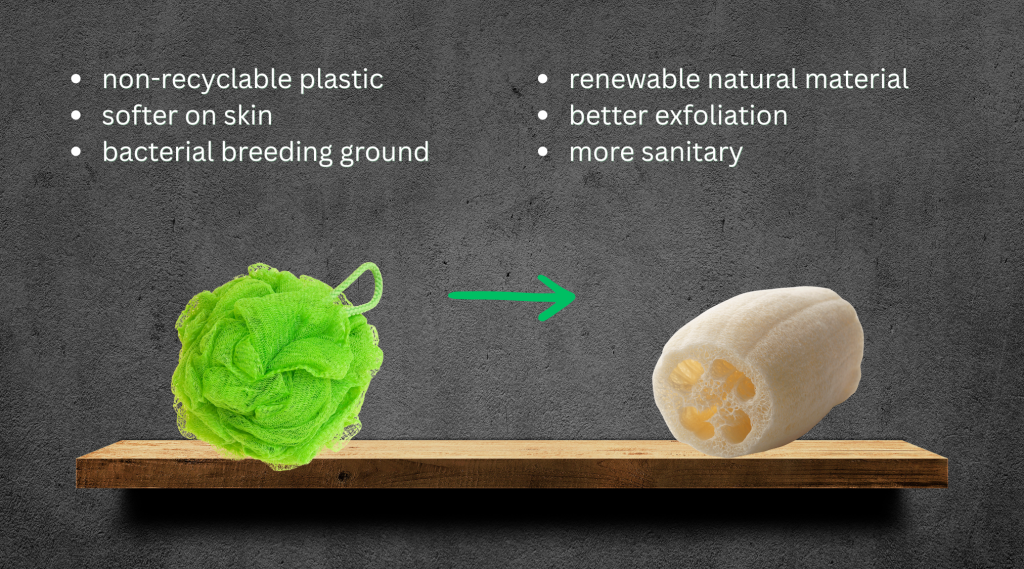
Hand hygiene and body care routines also benefit from concentrated formats. For those who prefer liquid hand soap over traditional bars, dissolving non-toxic hand soap tablets in warm water inside a reusable foaming dispenser offers a practical middle ground. Similarly, body wash is easily substituted with all-natural bar soaps that outlast liquid alternatives. When it comes to shower accessories, traditional synthetic plastic loofahs can be replaced with natural sea sponges or plant-based luffa gourds, which are fully compostable and even capable of being grown at home by enthusiastic gardeners.
Moisturizers and skincare products present significant opportunities to minimize packaging and chemical exposure. All-natural lotion bars work effectively for targeted areas like hands and feet, while raw, single-ingredient options such as jojoba oil, coconut oil, shea butter, and pure aloe vera provide versatile hydration with minimal environmental impact. Simplifying skincare down to the essentials—a gentle cleanser, a reliable moisturizer, and sun protection—prevents the rampant overconsumption driven by endless product experimentation.
Oral hygiene routines are undergoing a similar eco-friendly evolution. Traditional plastic toothbrushes can be replaced with biodegradable bamboo alternatives, while electric toothbrush users can source bamboo replacement heads. Toothpaste tablets, which are chewed before brushing, eliminate water waste entirely and are distributed in compostable or reusable containers. Similarly, traditional nylon floss housed in single-use plastic can be swapped for compostable bamboo floss stored in refillable glass containers designed for lifelong use.
Menstrual products represent one of the most impactful areas for waste and financial reduction. The transition from disposable tampons and pads to reusable options—such as medical-grade silicone menstrual cups, flexible discs, period underwear, and washable fabric pads—demands a higher upfront investment but quickly pays for itself within a few menstrual cycles. These alternatives drastically reduce landfill waste while offering a healthier experience free from the synthetic materials found in many conventional disposables.
Bathroom paper products and cleaning supplies round out the sustainable home ecosystem. Installing a bidet significantly decreases reliance on toilet paper, allowing households to cut their consumption drastically while improving personal cleanliness. For general cleaning, basic household staples such as vinegar, baking soda, rubbing alcohol, and melamine sponges handle the vast majority of chores. For consumers who prefer specialized cleaning agents, concentrated non-toxic cleaning tablets designed to be dissolved in reusable glass spray bottles offer an effective, low-waste solution.
Ultimately, achieving a sustainable household does not require perfection or overnight transformation. By evaluating products as they run out, embracing incremental improvements, and prioritizing resourcefulness over consumerism, individuals can build lasting, environmentally responsible habits that benefit both their daily lives and the planet.