
The premise of the program, which features participants commonly referred to as "Vine Voices," sounded simple and rewarding. Members are allowed to order various products from the platform for free, provided they agree to review at least 80 percent of the items they select. Adeney reasoned that since he already enjoyed writing product reviews out of the goodness of his heart, receiving free merchandise in exchange for his thoughts was a logical and rewarding step. Without giving the terms and conditions much further thought, he clicked accept and unknowingly stepped into a nine-month behavioral experiment that would challenge his core philosophies on frugality, time management, and consumerism.

Looking back on the saga, Adeney admits there were some undeniable upsides to the arrangement. His original motivation was partly to save money by acquiring items he genuinely would have purchased anyway. That objective was partially realized, as he saved at least a few thousand dollars on tools, construction materials for his business, and supplies for the MMM-HQ coworking space without spending out-of-pocket cash. Furthermore, the entire endeavor served as a live behavioral experiment designed to produce a compelling blog post for his readers.
Yet, he remained deeply surprised by how effectively a combination of subtle digital nudges and algorithmic incentives could hijack his deeply ingrained frugality instincts. The program coaxed him into performing substantial amounts of digital labor that ultimately proved to be an inefficient use of his time. By breaking down his journey through the lens of behavioral science, Adeney sought to analyze the psychological mechanisms at play and examine how modern platforms manipulate human evolutionary programming.

Scarcity Brain and the Online Casino Effect
In analyzing his experience, Adeney drew parallels to Michael Easter’s book Scarcity Brain, which explores the subtle ways modern gambling platforms, targeted marketing, and social media algorithms exploit vulnerabilities rooted in human evolution. These systems play directly into humanity’s ancestral survival instincts: the innate drive to acquire scarce resources and the powerful pull of unpredictable, variable rewards.
Reflecting on his time in the Vine program, Adeney realized that the platform operated much like an online casino or a continuous social media feed. Every time he logged into the restricted reviewers-only website, he encountered an ever-changing inventory of available goods. On many days, the digital search yielded frustrating results, producing endless pages of pink plastic disposable party plates or kitchen appliance accessories like a toaster cover featuring a cat wearing a witch hat.

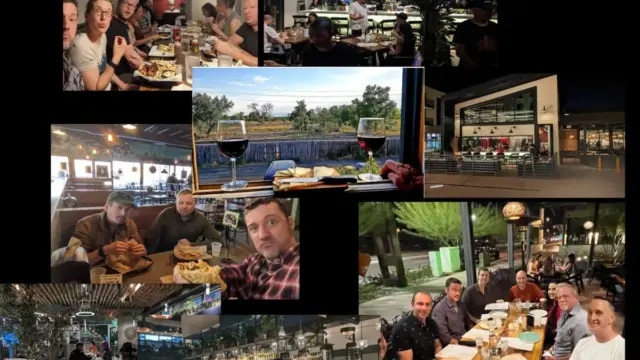
Interspersed among the bizarre and unusable items, however, were genuinely valuable goods. High-grade light fixtures, specialized plumbing parts, EV chargers, and clothing items frequently appeared on the digital shelves. Among his more notable finds were a striking eagle-themed shirt featured in a music video and an abundant supply of hyper-realistic artificial plants that transformed the hard-to-water courtyard garden areas at his headquarters. To manage the influx of goods, he involved friends and coworkers at the office, allowing them to select and review items they wanted and subsequently keep them, creating a shared bounty of both useful equipment and absurd novelties.
Despite the occasional high-value score, Adeney noticed a troubling psychological shift as he worked his way through the program this spring and summer. To upgrade his account status from Vine Silver to Vine Gold—a tier that ultimately proved to offer virtually the same inventory of trinkets—he committed to completing 80 reviews. During this push, he found himself compulsively checking the Vine webpage daily, even when he had no functional need for new possessions. The unpredictable rewards system kept him perpetually engaged, scanning for desirable items before they vanished in a display of artificial scarcity.

The Reality of Low-Wage Digital Labor
As the packages accumulated, Adeney adopted an assembly-line routine, unpacking and photographing items with rapid speed so he could batch-write his reviews on a weekly basis. Each review consumed hours he would have preferred to allocate elsewhere. Moreover, every questionable item he acquired generated manufacturing and packaging waste that directly contradicted the environmental and minimalist principles he has championed for decades. Despite recognizing this contradiction in real time, the momentum of the system kept him moving forward.
During the peak of his consumerism bender, the daily influx of cardboard boxes overwhelmed his household recycling bin. When his family members began poking fun at his more frivolous acquisitions, he found himself discreetly tucking away delivery boxes to avoid scrutiny. The habit had morphed into a form of procrastination and digital busywork, offering the comforting illusion of productivity while pulling him away from more meaningful physical and creative pursuits.

The frustrating mechanics of the program eventually aided in his recovery. The platform deliberately incorporated reviewer-unfriendly features that highlighted the unequal dynamic between the corporation and its volunteer reviewers. The search functionality lacked basic sorting or filtering tools, forcing users to scroll through endless pages of irrelevant merchandise. Adeney noted that this design choice appeared intentional, meant to maximize exposure to inventory without regard for the user’s time.
Compounding the friction was an inflexible, bureaucratic artificial intelligence evaluation system that routinely flagged straightforward, factual reviews for allegedly violating community standards without providing specific feedback. Minor edits to punctuation or phrasing would routinely satisfy the algorithm, underscoring the arbitrary nature of the administrative oversight and reinforcing the reality that reviewers functioned more like unpaid laborers than valued partners.

Financial Realities and Tax Implications
Beyond the expenditure of time and attention, the program carried tangible financial obligations. A critical detail of the Amazon Vine structure is that the retail value of all received merchandise is meticulously tracked, culminating in the issuance of a Form 1099 at the end of the tax year. Consequently, the items are not genuinely free; rather, they are discounted by the recipient’s marginal tax rate.
For Adeney, his account accumulated approximately $7,000 in retail-valued merchandise, exposing him to an initial estimated tax liability of roughly $1,750 based on his marginal bracket. Approximately three-quarters of the acquired goods were funneled into his business for commercial construction and renovation applications, effectively converting the items into functional operational assets rather than pure tax burdens. A portion covered household necessities, while roughly $1,000 represented impulse acquisitions of novelty items.

However, community engagement provided a welcome financial reprieve. Following advice from experienced program participants in online forums, Adeney learned that the declared value of review items can often be substantially reduced—by up to 80 percent in many circumstances—to account for the immediate loss of resale value once packaging is opened and the product is tested. This adjustment significantly lowered his projected tax liability, softening the financial impact of his brief foray into compulsive online ordering.
Breaking the Cycle
Rather than formally canceling his account, Adeney utilized a behavioral strategy known as a keystone habit adjustment to break the daily routine of checking the platform. By reprogramming his browser bookmark to redirect his attention toward a physical tracking chart he calls his "Badassity Tracker," every habitual click on the old link now serves as an immediate prompt to step away from the computer and engage in physical exercise or creative writing.

Reflecting on the broader implications of his experiment, Adeney observed that the psychological trap of the Vine program mirrors the phenomenon driving many individuals into "One More Year Syndrome," where workers continue employment long after achieving financial independence simply due to the comfort of routine and external validation. Ultimately, the experience served as a personal reminder of the importance of maintaining autonomy, questioning ingrained habits, and remaining vigilant against the subtle mechanisms designed to capture human attention in the modern digital economy.