In a comprehensive author’s note accompanying the release, Vollmann explains that the book naturally bifurcated as it grew, tracking the origins of modern geopolitical conflicts in one direction and their poisoned human harvest in another. The author describes the first half of the book as an ambitious novel of ideas, featuring a densely cerebral, memo-based narration of a CIA analyst’s deskbound half-century. Meanwhile, the second half evolved into a novel of feelings, designed to guide readers through the complex emotional terrain left in the wake of government overreach and historical catastrophe.
Vollmann notes that while he initially attempted to force both halves to cohere, he ultimately realized they could not and should not—except that they fundamentally had to. The first section mixes archival fascination and geopolitical substructure with the daily routines of a veteran spook and his sister-in-law, Lorene.
The author acknowledges that A Table for Fortune is as true as he could possibly make it, driven by a subject he found hateful yet impossible to escape. Recalling a colloquium address by Juan Tomas, a poet from Equatorial Guinea, who stated that it is a poet’s duty to speak out not because they are a poet, but because they are a member of a community, Vollmann applies this principle to his own identity as an American. He questions his qualifications to judge American foreign policy from 1966 through 2022, answering simply that he is an American.
Throughout the novel, Vollmann attempts to represent the flow of decision-making over decades as accurately as unclassified misinterpretations permit. His critique of power encompasses lessons unlearned, the expediencies of power, disabled consciences on all sides, and the malevolent role of chance combined with human fallibility during crises. He points to how the U.S. government, panicked by the atrocities of Islamic terrorists, committed torture and launched an unjust war. Vollmann expresses gratitude that the work is fiction, allowing his mistakes to pass as imagination, especially given that the causes and effects of numerous specific events remain heavily contested, from the Soviet invasion of Afghanistan to the shifting relationships between the Red Army Faction and the Stasi, or between Donald Rumsfeld and Saddam Hussein.
Addressing the intelligence community directly, Vollmann clarifies that despite loathing torture, assassinations, dishonest invasions, long-term secret surveillance, betrayals of allies, and a general lack of accountability, he is not against the CIA or intelligence agencies as such. He observes that nations play dirty and notes that he wishes the CIA and FBI had prevented September 11, expressing gratitude that they tried. However, he remains deeply troubled by executive branch overreach, pointing to the leaked Pike Report as evidence of a domineering White House coercing protesting intelligence officials into needless bloodbaths.
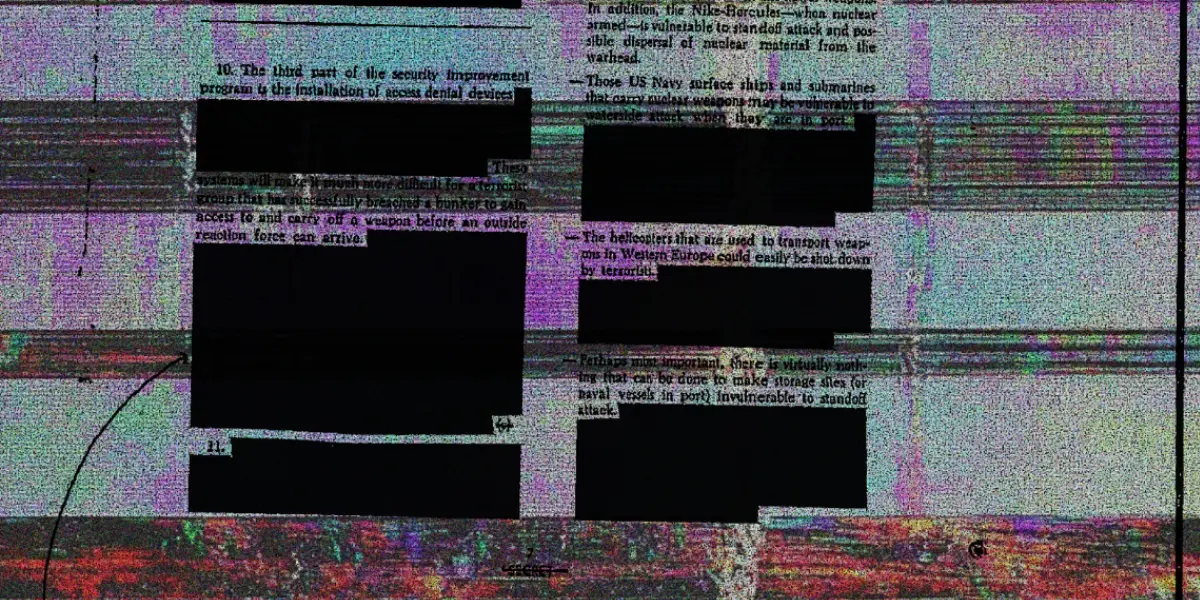
Vollmann’s creative process involved treating the CIA sections of the novel much like a 1940s science-fiction novel about Venus, extrapolating from limited knowledge about the surface temperature, climate, and internal operations of Langley. He extends his gratitude to the CIA-affiliated individuals who helped him see deeper into the institutional mist. Similarly, his depiction of East Germany’s Ministry for State Security, or Stasi, draws heavily on archival research and interviews with former Stasi-affiliated individuals, utilizing newly accessible historical documents to capture the Cold War from an opposing perspective.
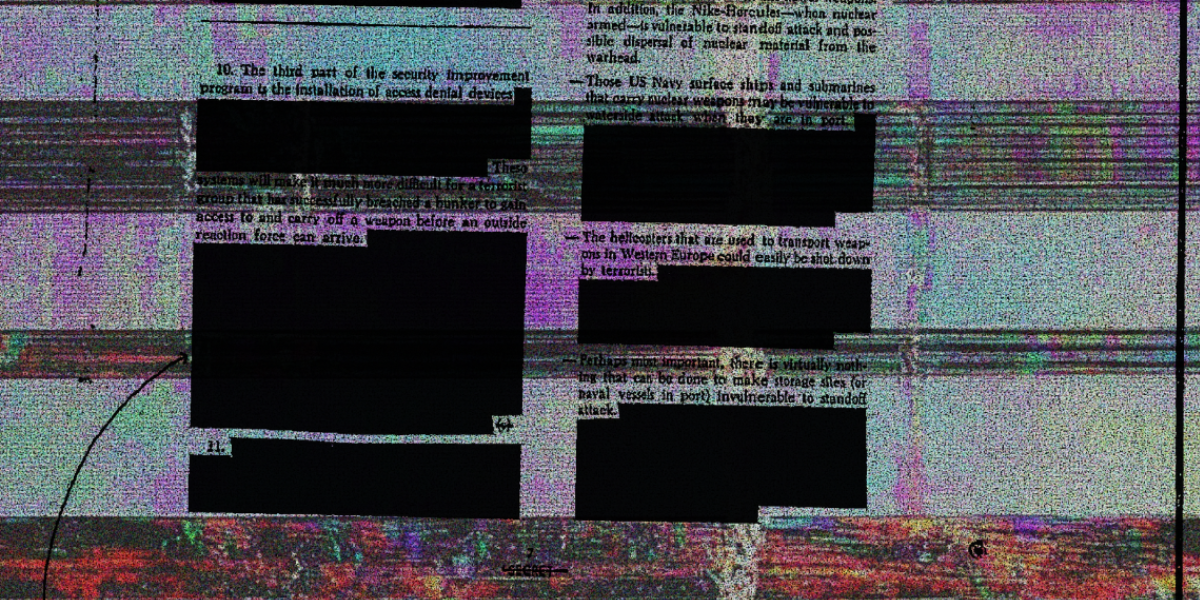
The novel’s central CIA protagonist, Dave, began as a fleeting mention in the September 11 report, inspired by a codename associated with a redacted historical action. Vollmann developed Dave as an ethical figure who persisted against superiors at the office and downtown, contrasting him with more doctrinaire and domineering bosses introduced during the transition to analyzing Iraq. Dave’s fictional son, Matthew, embodies the moral struggles of a younger generation confronting the realities of Abu Ghraib and the War on Terror, a storyline heavily colored by Vollmann’s own family tragedies and personal grief.
The path to publication for A Table for Fortune was fraught with institutional resistance. Vollmann recounts how his longtime editor at Viking grew increasingly unenthusiastic as the manuscript swelled, questioning the relevance of digressions into places like Angola, raising concerns over rising paper costs, and rejecting the author’s visual grammar of varied fonts for different report types. Despite requests to cut thousands of pages and streamline the narrative for marketability, Vollmann resisted attempts to render the book conventional. His refusal to compromise ultimately led to his departure from the publisher, a separation he views with amicable humor, noting that he successfully avoided the dangers of making a living and expanding his readership.
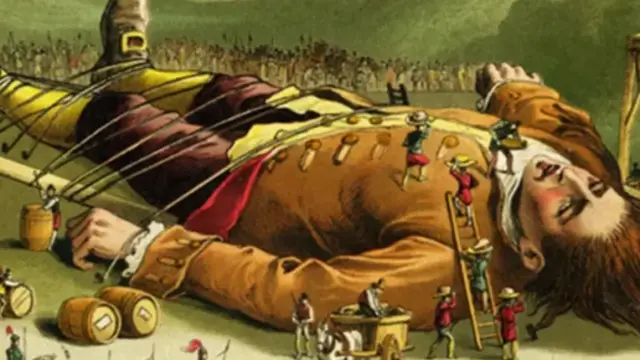
Drawing parallels to Leo Tolstoy’s War and Peace and its extensive historical essays, Vollmann defends the massive scale of his work, arguing that torturers, counter-torturers, victims, ideologues, and ordinary people who compromised their morals all deserved their due in the narrative.
Beyond geopolitical critique, the author’s note reveals deep personal vulnerabilities. Vollmann discusses his battle with colon cancer, which required the removal of a third of his intestinal tract, and the recurrence of the disease in an incurable form. He also writes candidly about the loss of his daughter, Lisa, who died in 2022 at age twenty-three following a long struggle with bulimia and alcoholism, and whose memory and suffering heavily influenced the emotional weight of the novel’s younger characters.
Vollmann details the extensive sourcing behind the novel, noting that descriptions of Baghdad and skepticism regarding weapons of mass destruction derive from his own travels to Iraq in 1998, while certain atrocities depicted are based on his viewing of documented footage, such as the 2015 burning of Jordanian pilot Lieutenant Muath al-Kaseasbeh. Other elements, including specific botched drone strikes in Yemen, are anchored in documented historical events detailed in the book’s source notes.
To help readers navigate the dense geopolitical landscape, the book employs distinct formatting choices, bolding the names of enemy organizations and weapons—such as Soviet T-34 tanks versus American B-52 bombers, or the Stasi HVA versus the CIA—while preserving German linguistic markers like umlauts and the letter ß to maintain authenticity in its treatment of historical intelligence operations.
A Table for Fortune is available now through Arcade Publishing.