
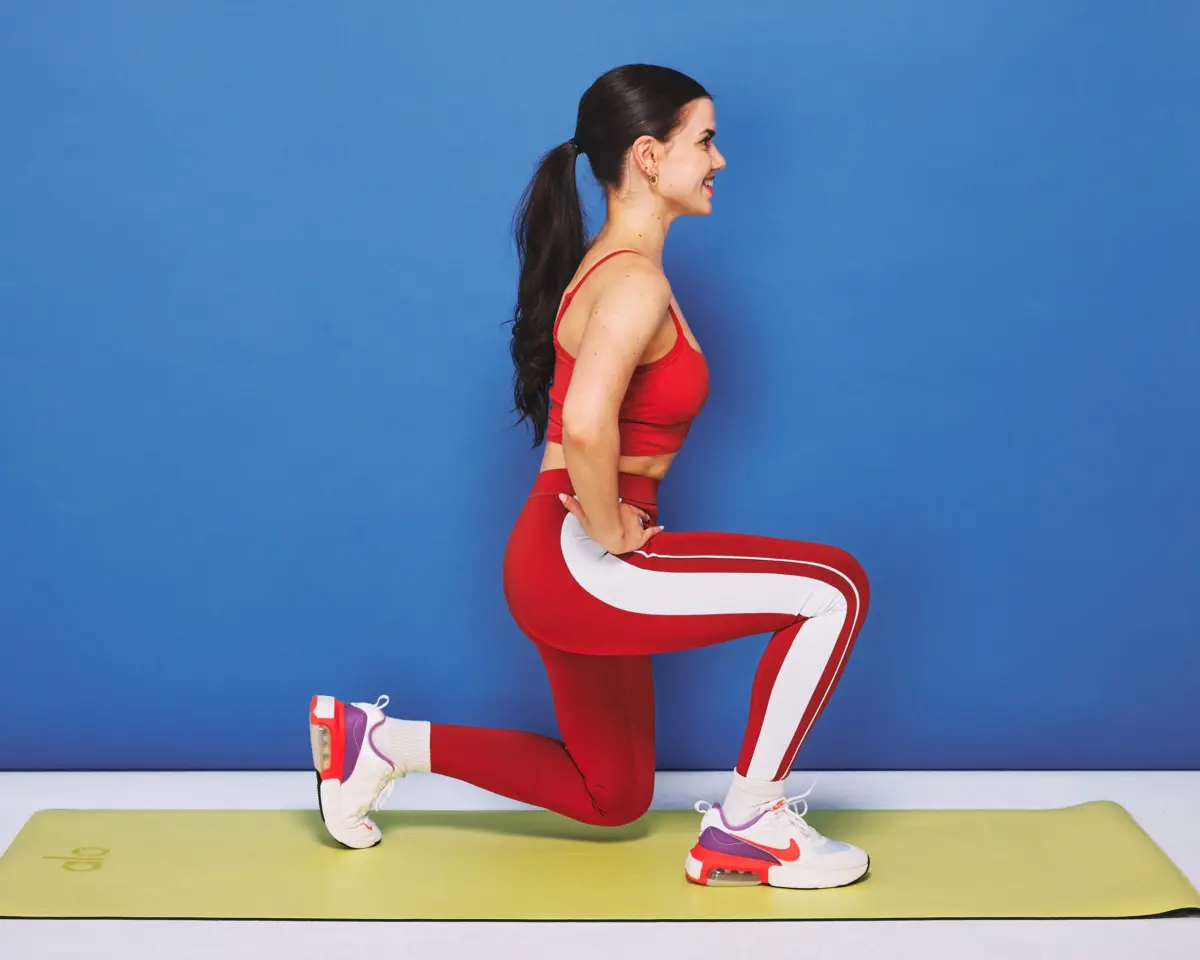
According to Carrie Whitelam, PT, DPT, OCS, ATC, a physical therapist at the Hospital for Special Surgery in New York City, almost everyone can benefit from some form of strengthening designed to improve knee stability. Thankfully, weaving these kinds of movements into an existing routine is much simpler than many realize, relying on a handful of foundational exercises that can easily be incorporated into standard resistance training programs.
Before diving into specific routines, it helps to understand what knee stability actually entails and why it holds such significant importance for overall physical wellness. Knee stability encompasses a multifaceted set of physical requirements, but fundamentally, it represents the ability to maintain proper alignment and positioning of the knee joint during movement and activity.
This stability relies on a combination of passive structures within the body, such as critical ligaments like the anterior cruciate ligament (ACL) and the medial collateral ligament (MCL), alongside active structures, which include major muscle groups like the quadriceps, hamstrings, and hips. Each of these muscle groups plays a distinct, coordinated role in joint mechanics. The quads work primarily to straighten the knee, while the hamstrings act to bend it. Meanwhile, the hips function as a steering wheel of sorts, controlling the overall position and alignment of the entire lower limb.

Another effective way to conceptualize knee stability is to observe how seamlessly these three muscle groups cooperate to control the joint during compound movements such as squatting, lunging, and stepping up. During a standard bodyweight squat, for example, all three muscle groups must fire in unison and coordinate precisely to complete the movement correctly. Without this teamwork, the knee is prone to collapsing inward, which places undue stress on the surrounding joint structures.
Having robust knee stability reaches far beyond simply executing a squat with flawless form. It plays a crucial direct role in reducing the risk of knee pain and traumatic injury during exercise, competitive sports, and routine daily activities. When the knees are consistently stable—a state achieved when the quads, hamstrings, and hips possess adequate strength to fulfill their respective duties—the bones, cartilage, and stabilizing ligaments are spared from absorbing excessive mechanical stress.
Looking at the broader physiological picture, maintaining good knee stability safeguards the joint against the cumulative wear and tear of countless daily movements. Over the long haul, this structural integrity directly influences an individual’s ability to maintain physical independence and continue participating in favorite hobbies and activities well into later life.
Fortunately, improving knee stability does not require an entirely new, complicated training philosophy. One of the most straightforward and effective methods is to incorporate movements that specifically target the primary muscle groups responsible for supporting the knee joint. Exercises that demand simultaneous engagement from the quadriceps and hamstrings across the knee joint, while simultaneously engaging the hips to steer and maintain proper alignment during flexion and extension, serve as ideal starter movements.
These types of functional exercises carry over exceptionally well into everyday life, making routine physical tasks—such as carrying groceries up a flight of stairs or lifting a child—significantly safer and more manageable. Physical therapists and strength specialists frequently recommend starting with three fundamental lower-body movements: the step-up, the forward lunge, and the lateral lunge.

These three exercises already form the backbone of many traditional resistance training programs, meaning many gym-goers may already be performing them regularly. For those who are not, incorporating them into a cohesive mini-circuit workout offers a practical entry point. A recommended approach is to perform the movements sequentially, executing each exercise for 30 seconds followed by a 30-second rest period before transitioning to the next. Completing three to four total rounds provides an efficient, targeted stimulus for the stabilizing muscles.
Once proper form is firmly established and the bodyweight versions begin to feel relatively easy, fitness enthusiasts can gradually introduce external loads, such as dumbbells or kettlebells, to continually challenge the musculoskeletal system. Transitioning to weighted variations typically involves shifting the programming to three sets of 15 to 20 repetitions per exercise. Over time, progressively increasing the amount of weight while incrementally decreasing the repetition count ensures that the muscles continue to adapt and grow stronger.
Despite the widespread benefits of stability training, physical therapists emphasize an essential safety precaution before embarking on any new lower-body regimen. Individuals who experience recurrent knee buckling, sensations of the kneecap slipping in and out of place, or unexplained weakness around the joint should consult a qualified physical therapist or medical doctor before attempting these exercises. Underlying structural damage that goes unnoticed can easily be exacerbated by unmonitored movement, making professional clearance a crucial first step for anyone experiencing chronic joint issues.
The step-up serves as an exceptional foundational movement because it encourages proactive stabilization from the very beginning of the repetition. When an individual places a foot securely on top of an elevated box or step, they are essentially pre-positioning the limb in the exact alignment they intend to maintain throughout the duration of the lift. Throughout the ascent and descent, the working knee must remain strictly aligned with the foot, avoiding any tendency to cave inward.
The forward lunge presents a slightly higher level of technical difficulty because it requires stepping forward into space and actively decelerating the body’s momentum as the knee bends. For individuals who struggle to maintain stability during a forward lunge—often characterized by noticeable side-to-side wobbling—regressing temporarily to a standard squat can help build the necessary foundational strength.

Once the forward lunge is mastered, introducing variety can further enhance functional strength. Performing variations with a vertical torso places a heavier emphasis on the quadriceps, whereas hinging slightly forward at the hips shifts more of the load onto the glutes. These two distinct iterations can be alternated across different training days or combined within the same workout depending on individual fitness goals.
Among the trio of recommended movements, the lateral lunge is often considered the most technically demanding. This complexity arises because the knee must flex and extend while the body’s center of mass shifts sideways, requiring a significantly higher degree of neuromuscular coordination. Maintaining proper posture throughout the movement is critical, meaning practitioners must actively prevent the working knee from collapsing inward, the torso from swaying excessively, and the hip from popping outward at the bottom of the lunge. For those finding the dynamic movement too challenging initially, static lateral lunges—where the feet remain wide apart and the body moves laterally without lifting the foot off the ground—provide a viable modification to build confidence and stability safely.