The comprehensive design and construction platform recently polled 1,619 U.S. homeowners regarding their evolving bathroom design preferences and remodeling priorities. While respondents highlighted several broader architectural and aesthetic updates—such as expanding shower footprints for a more luxurious experience and installing dimmable lighting, with nearly half noting that adjustable illumination helps them relax—vanities took center stage. In fact, the data underscores just how much homeowners care about their grooming and preparation zones, with 38 percent of surveyed respondents stating that they are willing to splurge on custom millwork to get the exact look and functionality they desire. After analyzing the extensive data points gathered in the report, industry experts have mapped out the precise anatomy of today’s most sought-after bathroom vanity.
Expanding Counter Space and Built-In Design Preferences
For many homeowners embarking on a renovation project, the primary motivation is a desperate craving for more usable counter space. According to the findings of the 2026 study, this frustration is widespread, prompting a notable shift in scale. Approximately 21 percent of renovating homeowners are upgrading their bathrooms with significantly wider vanities, often exceeding 72 inches in length. This dimension pushes well past the maximum length typically found in standard double-sink setups, allowing for sprawling surfaces that accommodate multiple users and daily essentials without crowding.
Along with a demand for greater width, aesthetic preferences are tilting heavily away from standalone furniture pieces. Sixty-two percent of renovators now express a distinct preference for a built-in look over traditional freestanding styles. This architectural integration helps anchor the vanity within the room, creating a seamless transition between the furniture and the surrounding walls while maximizing every square inch of available floor and wall space.
Vanities That Make It Easy to Stay Tidy
A rogue electric toothbrush charger cord, a chaotic tumble of hair ties, or an untidy stack of round brushes can instantly disrupt the serenity of a newly remodeled bathroom, making even the most luxurious space feel cluttered. Recognizing this common household friction, the Houzz report reveals a significant rise in demand for integrated, sophisticated interior organization features.
Modern bathroom upgrades increasingly incorporate built-in electrical outlets and specialized drawer organizers designed specifically to house high-end hair styling tools right where they are used. By concealing these everyday items inside drawers equipped with power sources, countertops remain clean and unobstructed. Furthermore, when homeowners finish drying or styling their hair with appliances like Dyson dryers, the experience is designed to be peaceful rather than jarring; soft-close hardware remains an overwhelmingly popular feature requested for both drawers and cabinet doors, eliminating slamming noises and protecting the cabinetry over years of daily use.
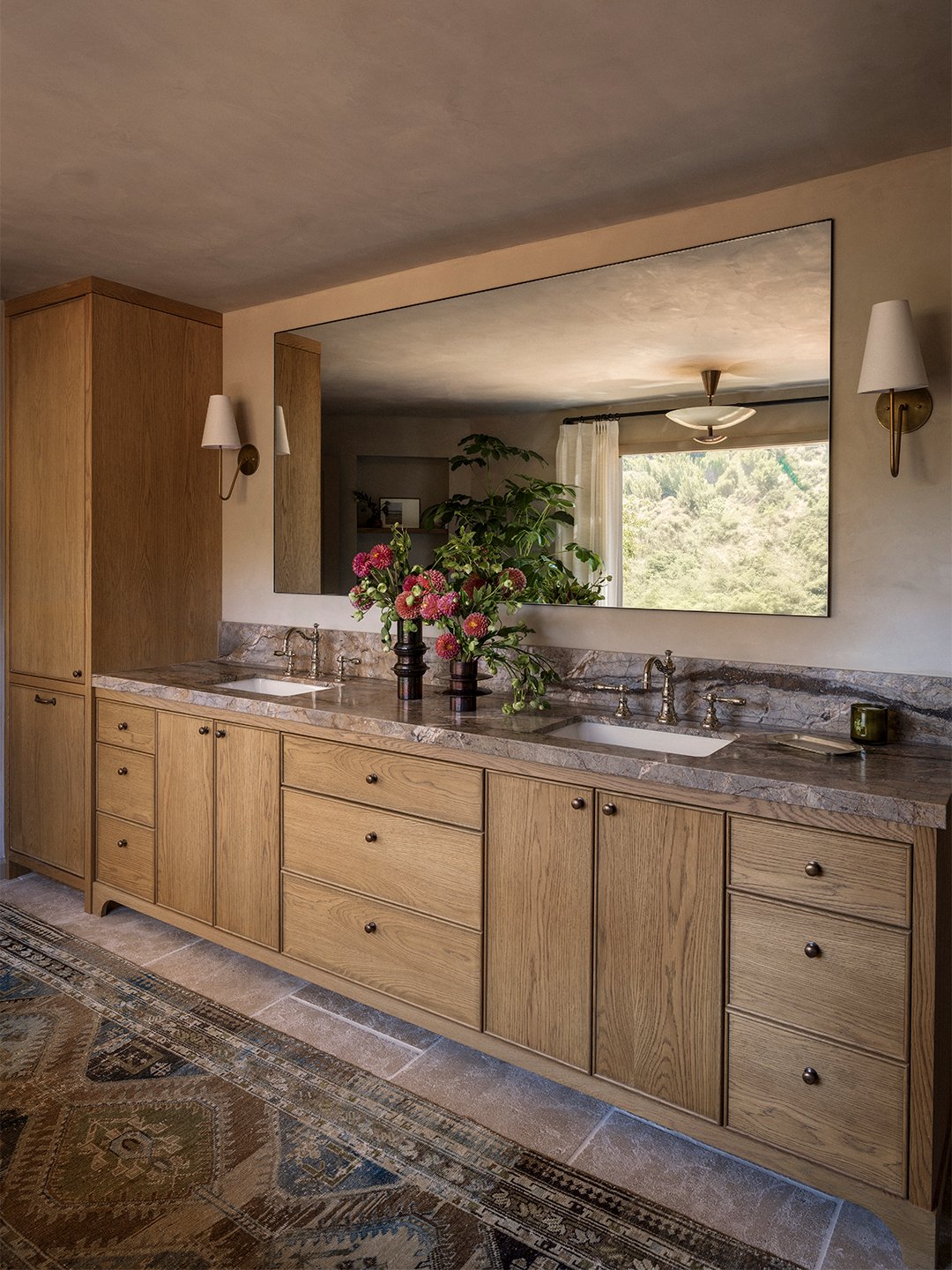
Vanities with Double Undermount Sinks
There is a practical, market-driven reason why real estate listings frequently spotlight bathrooms featuring double sinks: when given the choice, modern couples and families strongly prefer not to share a single basin if they can possibly avoid it. The convenience of simultaneous morning routines has cemented the double-sink configuration as a staple of contemporary master bathroom design.
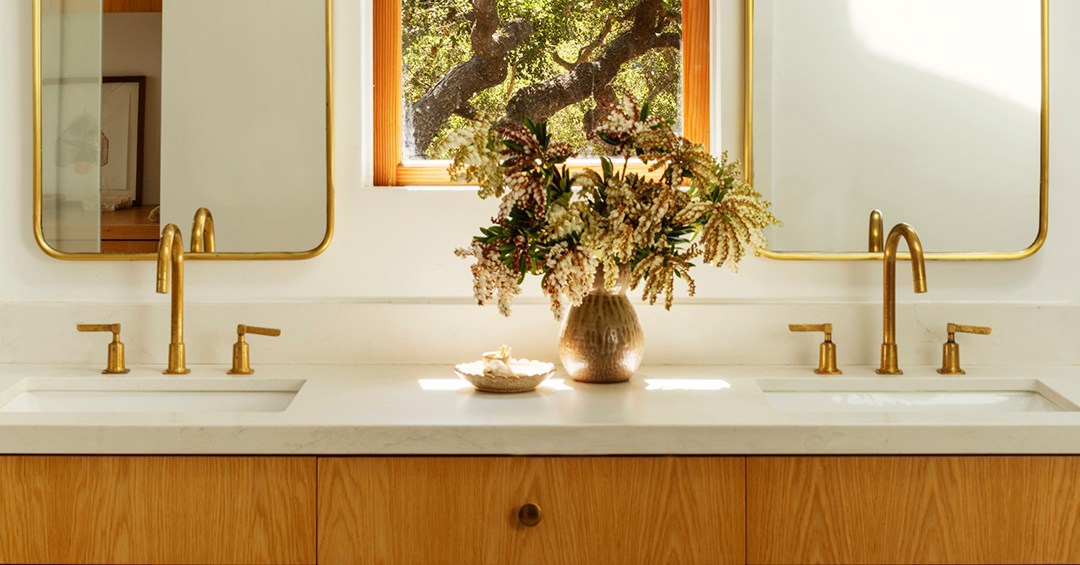
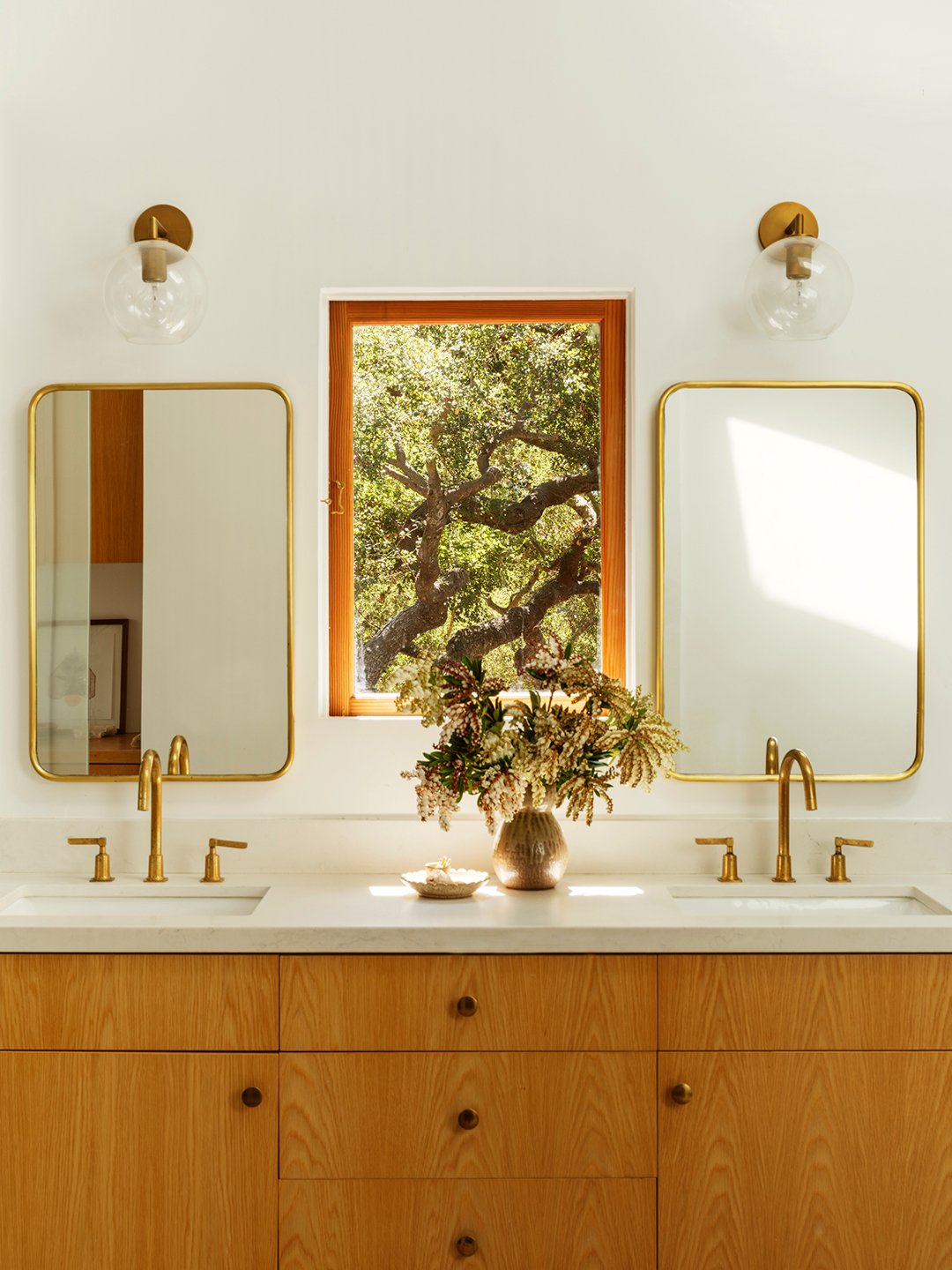
When it comes to the specific type of basin selected for these setups, undermount sinks dominate the market, capturing 68 percent of consumer preference according to the Houzz study. Trapping far behind are drop-in sinks, which account for 16 percent of installations, followed by integrated basins at 11 percent, vessel sinks at 4 percent, and trough sinks rounding out the list at just 2 percent. The clean lines and easy maintenance of undermount basins continue to make them the undisputed favorite for both aesthetic and functional reasons.
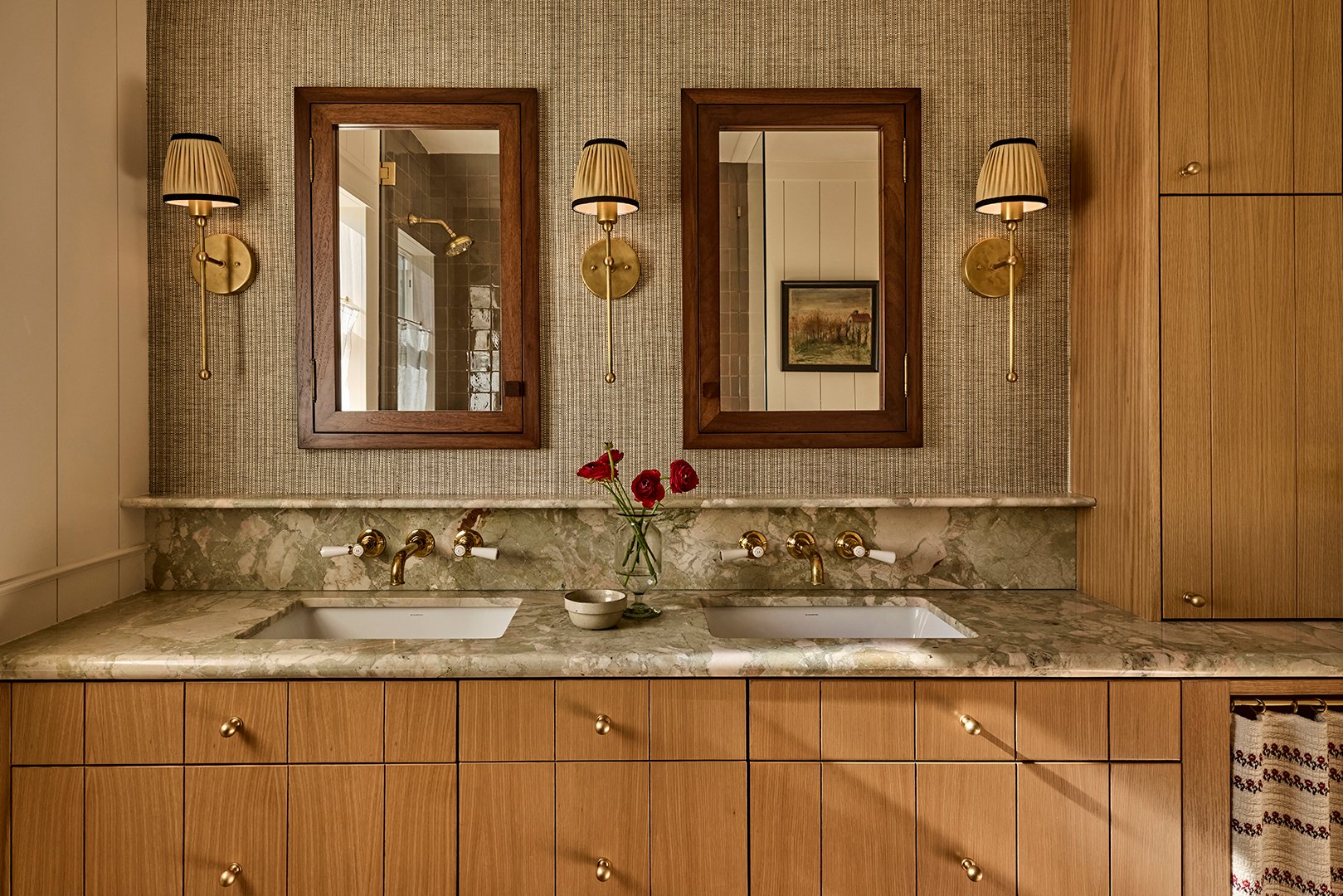
Solid Wood Vanities and Countertop Materials
Durability is a primary concern for homeowners making significant financial investments in their homes. Three-quarters of renovating homeowners explicitly state that they want their bathroom vanity to last a lifetime. To achieve this level of longevity, an overwhelming majority choose solid wood construction over alternative materials such as plywood, particleboard, or wood veneer. Within the category of solid hardwoods, maple and white oak together account for over half of all material updates, bringing warmth, texture, and structural resilience to the space.
When selecting materials for the vanity countertop, engineered quartz remains the leading choice among consumers. However, as contemporary health and safety conversations evolve regarding the fabrication of certain manufactured stones, industry observers are noting an encouraging resurgence in natural stones such as quartzite, granite, and marble, which are steadily gaining traction among design-conscious homeowners seeking organic textures.
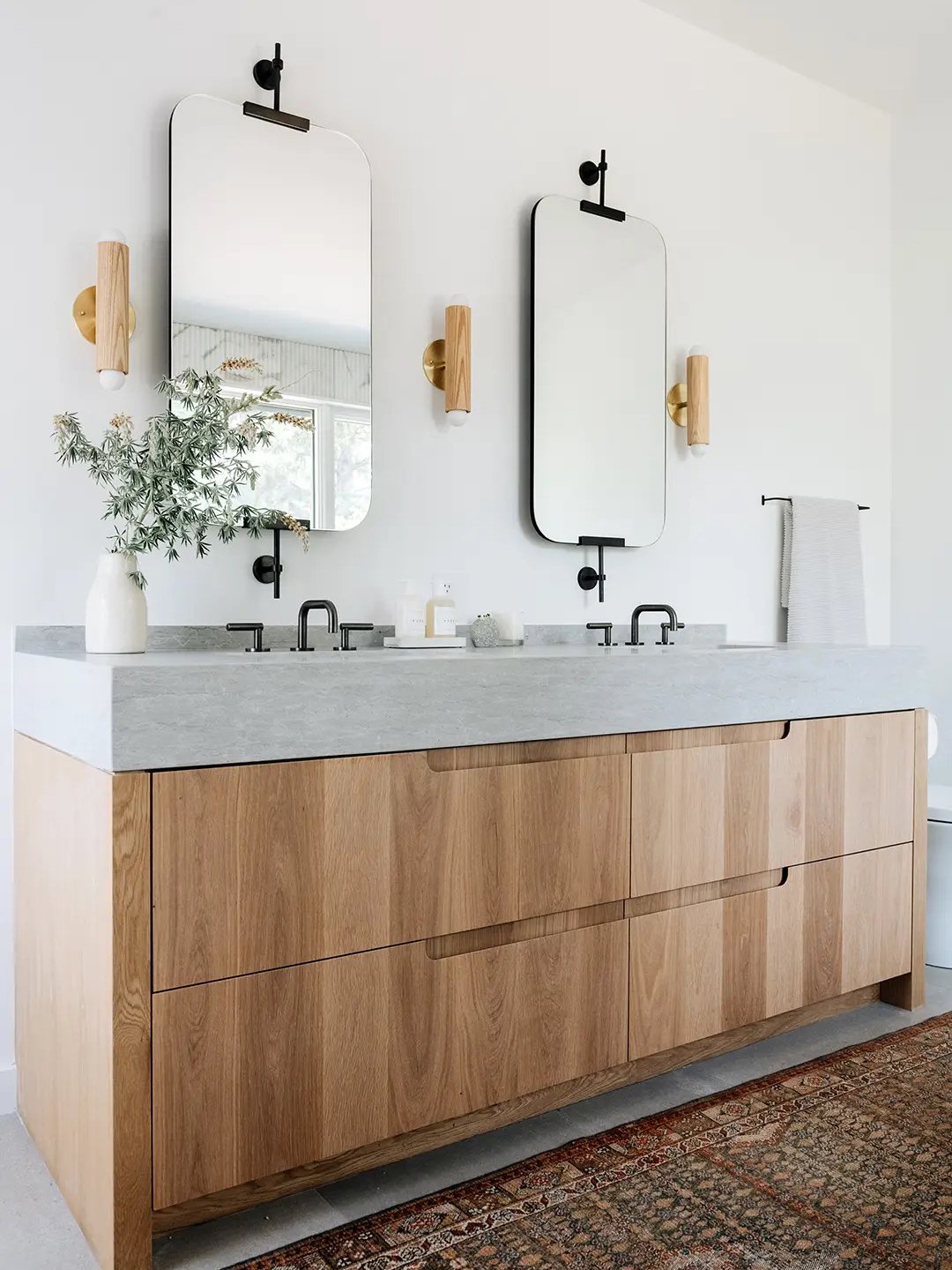
Vanities with Shaker Doors and Modern Hardware
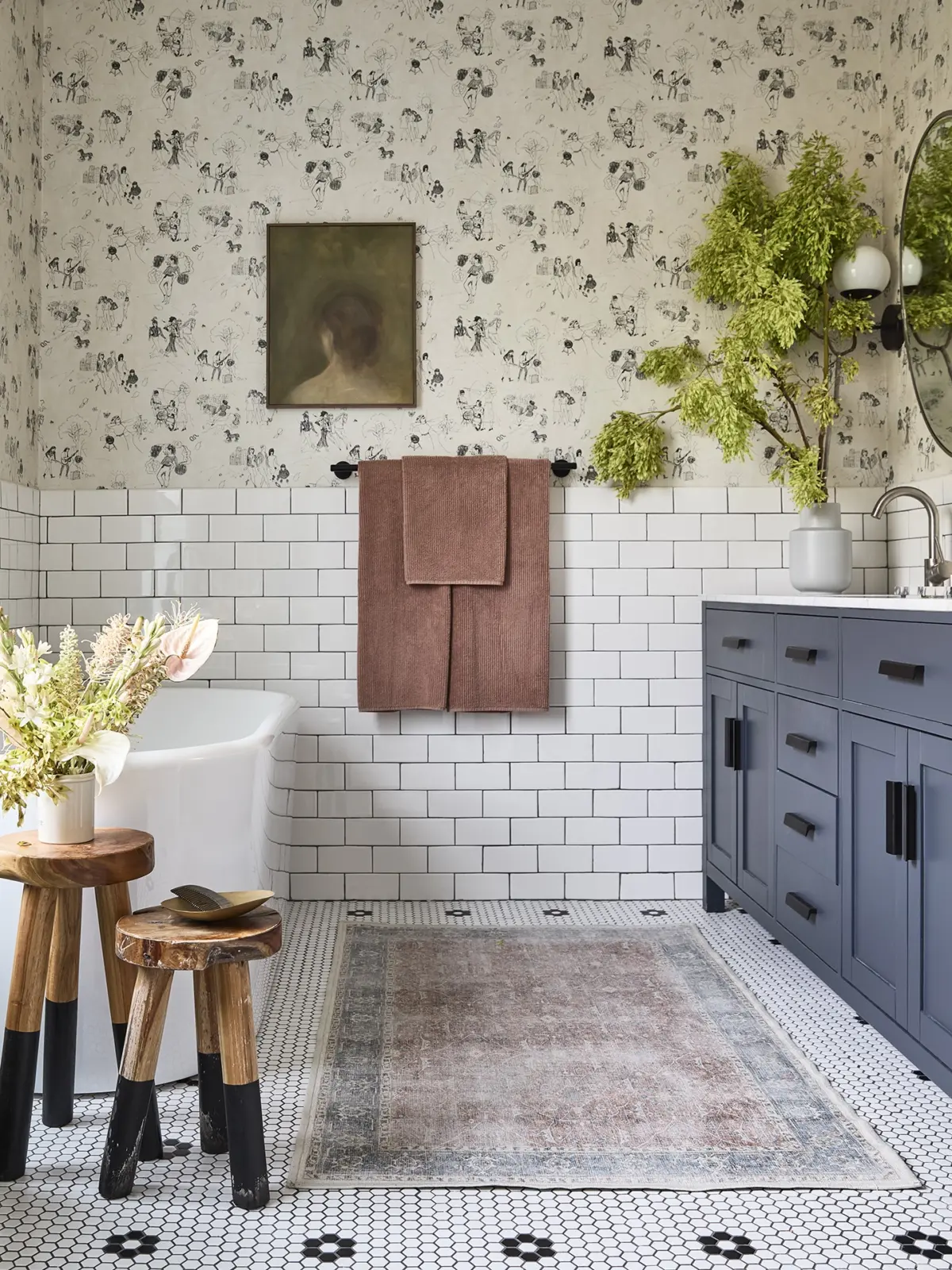
A review of recent residential design portfolios reveals that flat-panel cabinet doors paired with minimalist knobs are steadily growing in popularity across contemporary bathrooms. Despite this trend toward ultra-modern minimalism, traditional Shaker-style doors retain a massive and loyal following among homeowners undertaking renovations. According to the Houzz data, 46 percent of respondents select Shaker doors when upgrading their vanity cabinetry, closely followed by minimal slab designs.
To complete the look and tie the cabinetry together, the majority of homeowners—62 percent—opt for sleek bar pulls rather than traditional knobs, which are chosen by 37 percent of respondents. In the calculus of modern bathroom design, the practical convenience of gripping a bar pull for quick, efficient access to daily skincare products and toiletries ultimately wins out over purely ornamental hardware choices.