Sustainable Beauty and Hygiene Routine Standards
Before diving into specific product alternatives, adopting a mindful approach to a sustainable bathroom routine requires understanding a few core concepts. Simplifying daily habits not only reduces environmental impact and financial expenditure but frequently benefits personal health. Over-treating the skin with a multitude of products often yields diminishing returns, whereas streamlined routines tend to be far more effective.
Another crucial consideration involves avoiding the "water up-charge" common in conventional personal care items. Many commercial liquids consist of roughly 80 percent water, meaning buyers pay heavily for a diluted product alongside inflated packaging and shipping costs. Because of their liquid state, these goods almost invariably require plastic containment. Opting for undiluted alternatives, such as solid bar soap instead of liquid body wash, substantially decreases both financial costs and packaging waste.
Crucially, sustainability experts emphasize using existing products rather than discarding functional items prematurely. The most ethical, sustainable, and affordable choice remains utilizing what is already on hand until it runs out or stops working effectively. Rushing to replace an entire bathroom setup simultaneously often leads to burnout; instead, making deliberate, one-step changes allows individuals to find what works best before moving forward.
Razors and Shaving Cream
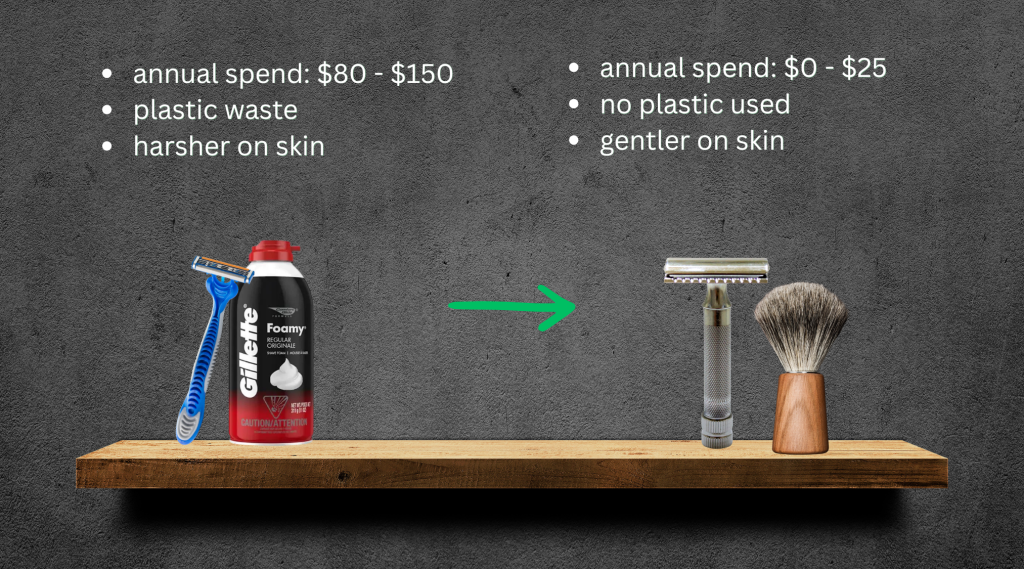
Conventional shaving supplies typically generate significant plastic waste through disposable handles, multi-blade plastic cartridges, and pressurized metal cans of shaving cream that require frequent replacement. Transitioning away from these disposables offers a straightforward path toward zero-waste personal care.
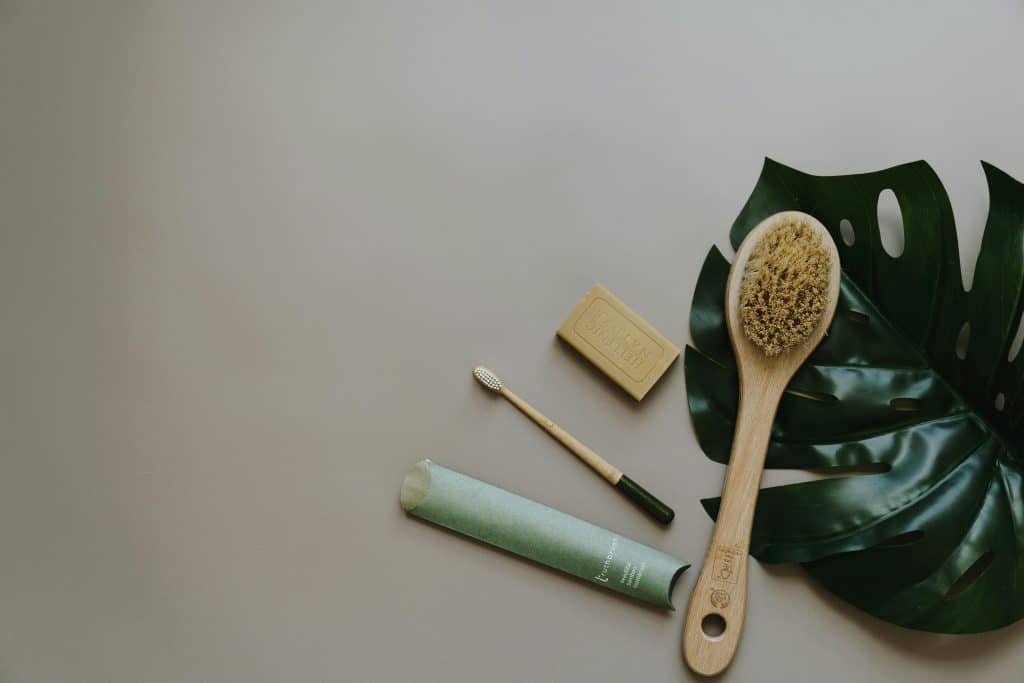
Safety razors provide a durable, long-lasting alternative that rivals the affordability of conventional plastic razors, while replacement blades cost a fraction of traditional multi-blade cartridges. For lather, solid shaving sticks—rubbed directly onto wet skin and worked into a rich lather with a traditional brush—offer an exceptionally long-lasting substitute that minimizes packaging. Alternatively, for those comfortable with body hair retention, choosing not to remove hair at all remains a completely natural and zero-cost option.
Shampoo and Conditioner
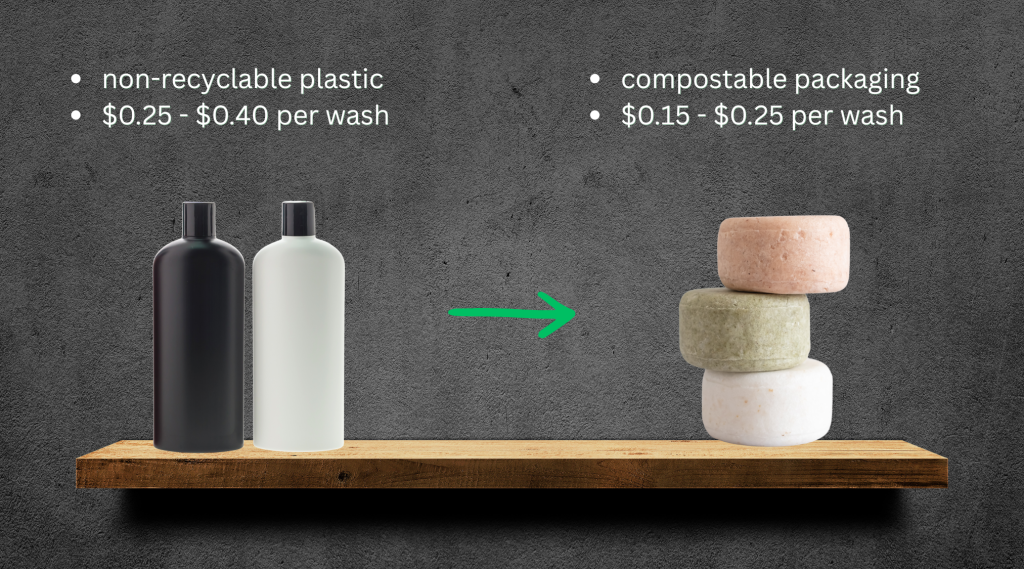
The prevalence of water dilution in liquid personal care extends heavily into hair care products. Solid shampoo bars bypass this dilution entirely, offering greater longevity and a lower cost per use compared to bottled liquids, alongside minimal or compostable packaging. While the initial adaptation period involves finding a formula that provides an adequate lather, natural bars manufactured with sustainable ingredients offer an eco-friendly alternative. Conditioner bars present a similar solid-format choice, though individuals with specific hair needs, such as dry or curly textures, may require careful product selection to achieve desired results.
Hand Soap and Body Wash
While traditional bar soap serves as an effective, low-waste option for both hand-washing and body cleansing, those who prefer liquid formats can utilize concentrated hand soap tablets. Dropping a tablet into a reusable foaming soap dispenser filled with warm water creates a non-toxic liquid soap that eliminates single-use plastic pump bottles entirely. Similarly, bar soaps for the body outperform liquid shower gels in terms of longevity, affordability, and packaging reduction.
Brushes, Loofahs, and Natural Sponges
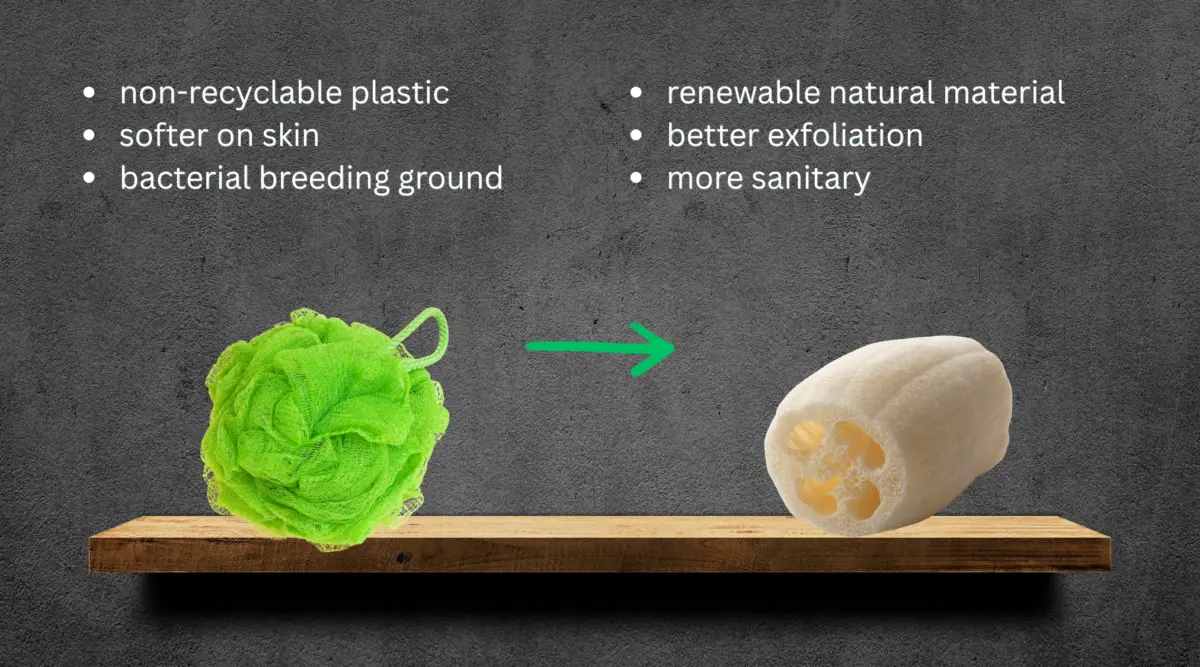
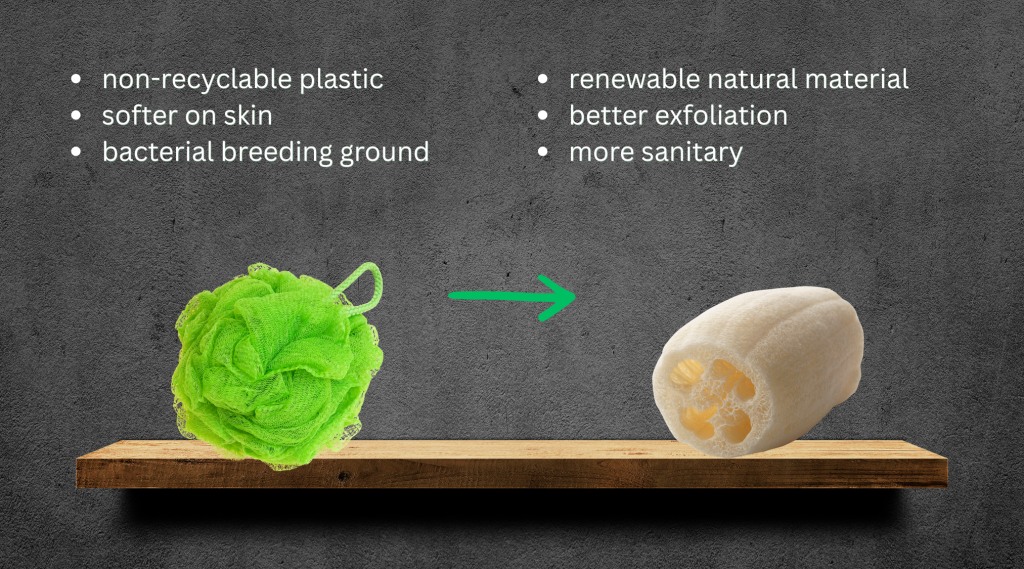
Plastic bath poufs and synthetic sponges shed microplastics and require frequent disposal. Natural alternatives, such as sea sponges and plant-based loofahs, provide effective exfoliation without the environmental drawbacks. Gardeners can even cultivate their own luffa gourds from seeds, creating a renewable, fully compostable supply of bath sponges that can also be harvested to plant crops the following year.
Moisturizer and Skincare
Simplifying skincare regimens represents one of the most effective sustainability measures available. Rather than accumulating specialized creams, many individuals find success using basic, raw ingredients such as jojoba oil, aloe vera, coconut oil, or shea butter, either individually or blended. These single-ingredient options require minimal packaging and offer complete transparency regarding what is applied to the body. For facial care, maintaining a basic routine consisting of a gentle cleanser, moisturizer, and sunscreen prevents the cycle of overconsumption driven by constant product experimentation.
Makeup Remover and Hairbrushes
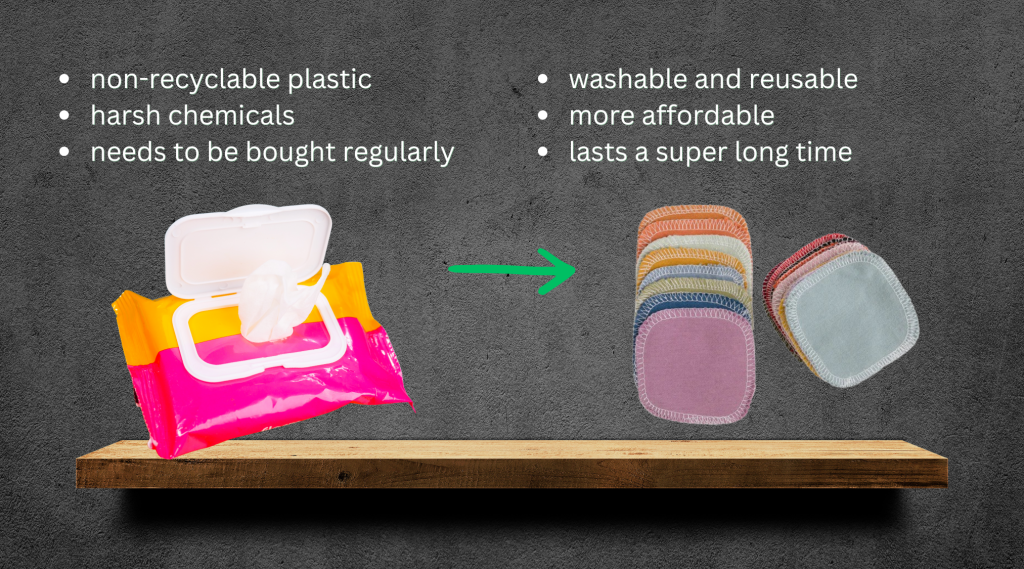
Disposable makeup remover wipes generate substantial landfill waste, whereas reusable cotton rounds or simple DIY alternatives crafted from old cotton garments offer a sustainable replacement. Multi-use oils like jojoba oil effectively remove makeup without leaving an overly greasy residue. When hairbrushes eventually require replacement, opting for bamboo or wooden models avoids plastic reliance, though utilizing existing brushes until they wear out remains the most environmentally sound practice.
Toothbrushes, Toothpaste, and Dental Floss
Dental care routines offer several opportunities for sustainable upgrades. Bamboo toothbrushes and bamboo replacement heads for electric toothbrushes reduce plastic waste, while toothpaste tablets eliminate water-heavy formulas and arrive in compostable or reusable containers. Similarly, bamboo dental floss coated in natural charcoal and housed in a refillable glass container replaces conventional plastic string packaged in disposable plastic dispensers.
Menstrual Products
Disposable tampons and pads generate immense waste over a person’s lifetime. Modern alternatives, including menstrual cups, flexible discs, period underwear, and reusable cloth pads, offer significant long-term financial savings while eliminating the risks associated with toxic shock syndrome. Although the initial investment for items like period underwear or medical-grade silicone cups can exceed that of a single box of disposables, these products typically pay for themselves within a few menstrual cycles.
Toilet Paper and Bidets
Eco-friendly toilet paper manufactured from sustainable bamboo provides an alternative to traditional tree-based paper, though often at a higher price point. Installing a bidet offers an effective way to reduce overall toilet paper consumption substantially, leaving users cleaner while minimizing paper waste.

Deodorant and Q-Tips
The debate over aluminum-based antiperspirants versus natural deodorants involves personal preferences regarding sweat regulation and ingredients, though packaging remains a shared concern. Deodorants packaged in biodegradable cardboard containers offer a plastic-free alternative to standard twist-up tubes. For ear hygiene, single-use plastic cotton swabs can be replaced with bamboo-stemmed swabs or reusable silicone alternatives designed for easy cleaning.
Bathroom Cleaners
Conventional household cleaners often come in single-use plastic trigger spray bottles and contain harsh synthetic chemicals. Basic household staples such as rubbing alcohol, baking soda, white vinegar, and melamine sponges effectively handle the vast majority of bathroom cleaning tasks. For those who prefer formulated cleaning products, concentrated cleaning tablets dropped into reusable glass spray bottles with water provide a non-toxic, low-waste solution.

Achieving a more sustainable lifestyle does not require immediate perfection or excessive financial investment. By monitoring products as they run out and researching better alternatives before replacement, individuals can make steady, incremental progress toward long-term environmental sustainability.