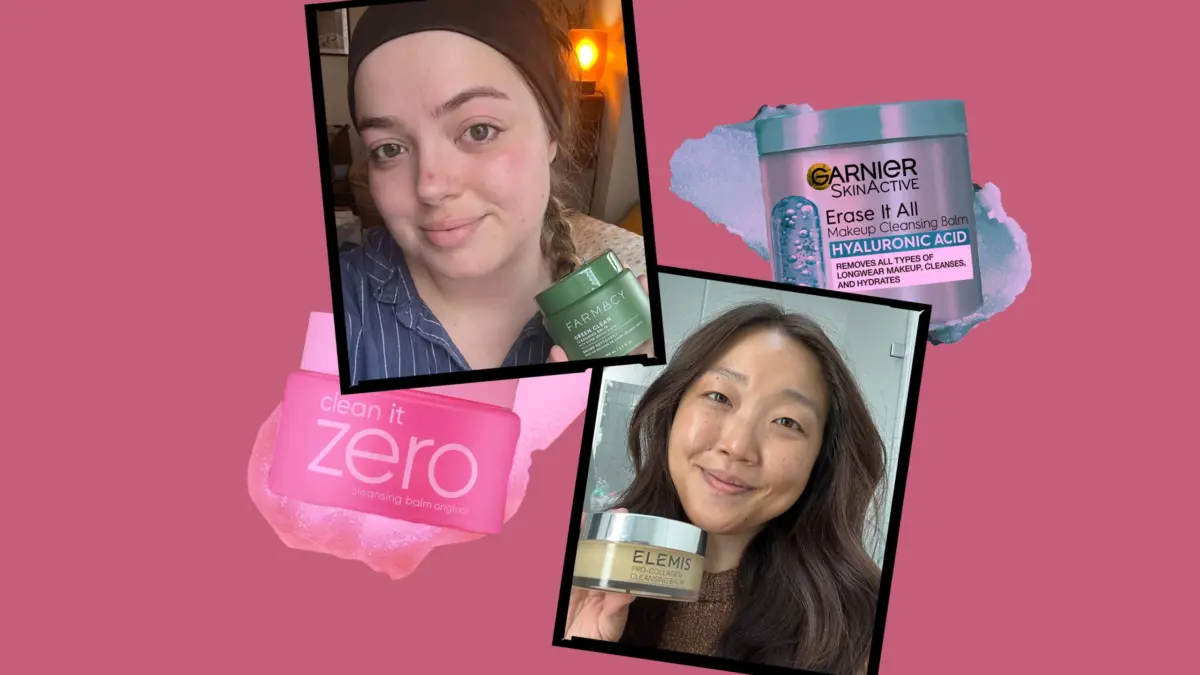
Unlike traditional foaming gels or harsh liquid washes, cleansing balms offer a unique textural experience that melts upon contact with the skin. This transformation allows them to dissolve stubborn cosmetics and excess sebum with minimal physical friction. To shed light on the mechanics of these products, top dermatologists and industry experts weigh in on why cleansing balms have secured a permanent spot in contemporary beauty routines, how to properly incorporate them into a daily regimen, and the meticulous standards publications use to evaluate them.
How are cleansing balms different from traditional facial cleansers?
The fundamental distinction between a cleansing balm and a traditional facial cleanser lies in their chemical composition and primary functions. Cleansing balms are formulated with oil-based ingredients, giving them a solid or semi-solid buttery texture that liquefies when massaged into the skin. This oil-rich foundation makes them exceptionally proficient at breaking down stubborn, long-wear makeup, water-resistant SPF formulations, and excess natural oils that accumulate throughout the day.
According to Arash Akhavan, a board-certified dermatologist based in New York City, these rich formulas serve as an optimal preliminary step in a comprehensive cleansing routine. He notes that a cleansing balm acts as a great first step for removing makeup and sunscreen before using a traditional cleanser to clean the pores out effectively. Because conventional water-based cleansers sometimes struggle to dissolve oil-soluble impurities without excessive scrubbing, introducing an oil-based product first prevents the need for abrasive friction.
Furthermore, the inherent moisturizing properties of cleansing balms make them particularly beneficial for individuals with specific skin concerns. Dr. Akhavan explains that due to their gentler, moisturizing nature, these balmy cleansers are ideal makeup remover options for those with dry skin and conditions like eczema. Traditional cleansers can frequently strip the skin of its natural lipid barrier, leading to tightness, flaking, and irritation. Balms, by contrast, help maintain and support the skin barrier during the cleansing process. However, skin experts emphasize that individuals managing sensitive skin should remain vigilant about ingredient lists, making sure to opt for a fragrance-free option to avoid potential allergic reactions or contact dermatitis.
How do I use a cleansing balm?
Maximizing the efficacy of a cleansing balm requires a specific application technique that differs significantly from standard face washing. Because these products rely on the principle that "like dissolves like," they must be applied to dry skin rather than a pre-wetted face. Mona Gohara, a board-certified dermatologist practicing in Hamden, Connecticut, has previously recommended massaging cleansing balms three times around the face with gentle pressure. This deliberate, circular massage allows the nourishing oils to thoroughly bind with surface debris, waterproof mascara, and residual sunscreen without tugging at delicate facial tissues.
Once the massage is complete, the transformation process requires an emulsification step. Users should splash on some warm or cool, but never hot, water to emulsify the product before washing it all off. This water contact turns the rich oil into a milky emulsion that rinses cleanly away without leaving a heavy, greasy residue behind. Alternatively, individuals who prefer a physical wipe can use a clean, wet washcloth to gently wipe away the product and any loosened impurities.
The cleansing process, however, does not stop at the rinse. Experts recommend completing a comprehensive double-cleansing routine with a water-based face wash following the balm phase. This secondary cleanse targets any remaining water-soluble sweat, pollution particles, and impurities that the oil-based balm did not capture. Following this two-step method leaves the skin looking visibly clarified and feeling exceptionally clean without experiencing the tight, uncomfortable dryness often associated with single-step deep cleanses.
How we test and review products
Navigating the crowded beauty market to find a formulation that truly delivers on its promises requires a systematic, evidence-based approach. When industry publications evaluate a product, editors look at it from every angle in an effort to best serve consumers. This comprehensive evaluation involves reviewing ingredient lists, scrutinizing brand marketing claims, and, when necessary, examining peer-reviewed scientific and medical studies to verify functional efficacy.
Beyond reviewing the science behind the formulas, testing protocols rely heavily on experts who shape their fields, including dermatology, cosmetic chemistry, and medicine, to help vet the ingredients and formulas. For specialized categories like cleansing balms, editorial teams consider performance across five primary categories: product ingredients and efficacy, packaging design, fragrance profile, texture, and product wear. Every product included in official roundups must be determined to have excelled in each category by an editorial team composed of in-house writers, editors, and industry contributors, alongside special consideration and oversight from board-certified dermatologists. This rigorous methodology ensures that recommendations are grounded in both clinical expertise and practical consumer experience.
Our staff and testers
The validity of any product recommendation ultimately depends on the diversity and real-world testing conditions of the evaluating team. A beauty product is an inherently personal purchase. Consumers might be searching for a rich face cream to address persistent dryness, looking for a new nail product to add to a Sunday self-care routine, or simply browsing around for the latest launches to hit the hair market. No matter what an individual seeks or what their unique needs and concerns happen to be, media outlets strive to ensure readers love anything recommended in their stories. Believing that having a diverse team of writers and editors, in addition to a wide range of outside testers and industry experts, is essential to reaching that goal dictates every aspect of the evaluation process.
Without diverse perspectives, the entire concept of a "best" product falls short of serving the broader public. Publications must continually ask critical questions regarding inclusivity: Can an outlet really say a skin-care product is the best for people over fifty if the only testers solicited for opinions are individuals who have yet to hit thirty? Can a high-end hair styling tool be honestly deemed worthy of a consumer’s hard-earned cash if it has never been tested on diverse curl patterns and textures? Maintaining a staff that spans a wide range of ages, skin tones, hair textures, genders, and backgrounds ensures that evaluators are fully equipped to fairly and accurately assess any beauty product that enters the testing rooms.