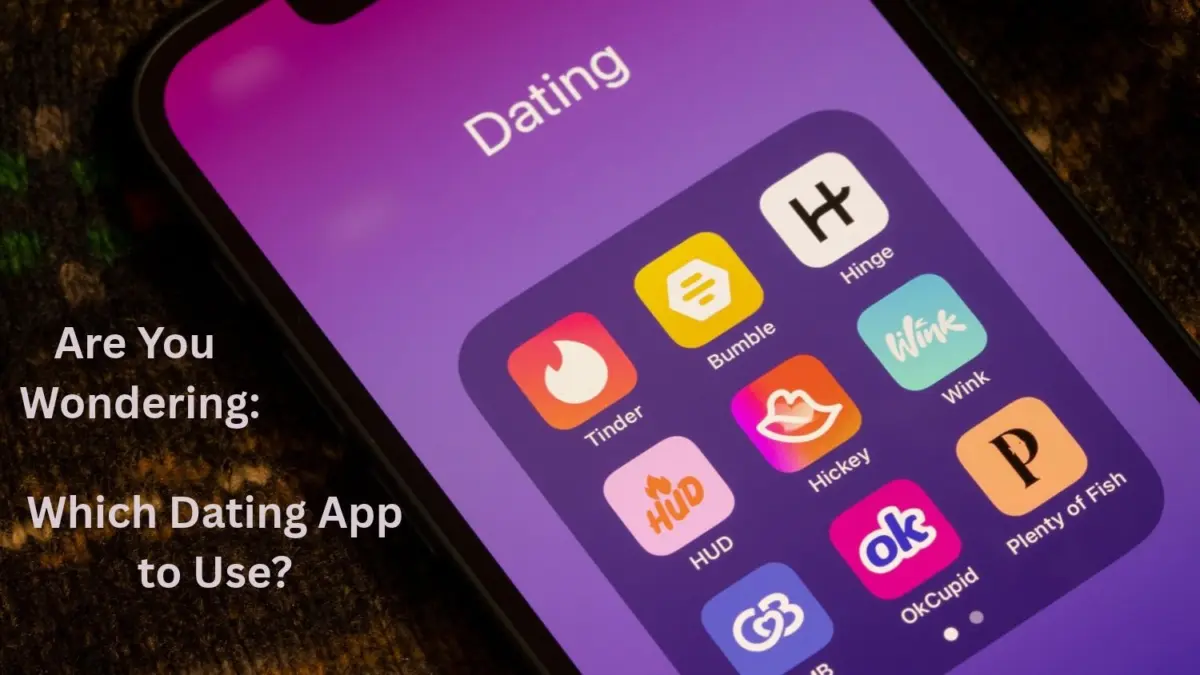
Three podcasts. Two television interviews. In just the span of a single week, veteran dating expert Andrea McGinty found herself facing the exact same inquiry across multiple media platforms, as interviewers all over America seemed to read from the exact same script.
The question arrives like clockwork: "Andrea, what’s the best dating app for women over 60?"
It is a query that is typically expected to be answered in a neat, 12-second soundbite, ideally delivered with a bright smile aimed squarely at the camera lens. The subtext of the question always implies that somewhere out there exists a secret warehouse filled with emotionally available men who enjoy travel, communicate brilliantly, and know their way around a dishwasher. When confronted with this recurring interrogation, McGinty often contemplates the heavy hitters of the online dating industry—platforms like OurTime, Match, Bumble, and SilverSingles—before realizing the futility of pointing to any single one as a silver bullet.
After more than 30 years working professionally in the dating industry and helping arrange over 33,000 first dates, McGinty’s professional stance is clear and unyielding. There is no magical dating app, and there is certainly no clandestine website where all the good men over 60 are successfully hiding. If such a utopian platform actually existed, she jokes that she would have found it years ago, likely bought it, and charged admission at the door.
Dating Apps Are Not One-Size-Fits-All
The fundamental flaw in the recurring question about the "best" app is the assumption that modern romance operates on a one-size-fits-all model. To illustrate the absurdity of a universal recommendation, McGinty points to contrasting hypothetical scenarios.
Consider a 72-year-old widow living in Florida who spends her days enjoying golf, traveling, and unwinding with a good glass of Chardonnay. Her romantic aspirations likely center on finding a kind, interesting companion to share experiences and perhaps a little romance. Now, contrast her profile with that of a 57-year-old recently divorced corporate executive in Chicago. This individual might be eager to remarry and harbor zero interest in taking on the unpaid, full-time role of a partner’s nurse, cook, or social secretary.
Applying the exact same dating strategy or platform to both women would be as ineffective as assuming they wear the same size clothing. Yet, women constantly approach dating coaches looking for a single recommendation, treating the advice as though it were a winning lottery ticket. Before any responsible dating professional can recommend a specific site or app, they must understand deeper lifestyle variables. Crucially, they need to evaluate whether an individual is genuinely ready to invite someone new into their established routine. At this stage of life, dating is rarely just about finding someone physically attractive; it is about finding a person who seamlessly integrates into a life that has been carefully and intentionally built over decades.
Sometimes the Driver Is the Problem, Not the App
Another hard truth that dating experts frequently share with clients is that an individual can subscribe to the absolute "perfect" dating site and still watch their romantic life resemble a chaotic yard sale.
The reasons for this disconnect are varied, but often stem from self-sabotaging habits. Profiles are frequently hindered by outdated photographs taken years prior, or plagued by generic clichés such as "I love to laugh"—a sentiment shared by virtually every human being on the planet. Others compile a list of romantic requirements so lengthy and rigid that it leaves no room for human imperfection. It is also common for daters to dismiss otherwise wonderful candidates over trivial superficialities, such as a man being two inches shorter than an arbitrary ideal, living twenty minutes away, or committing the stylistic crime of wearing socks with sandals.
Then comes the hurdle of the first date itself. Many daters approach a casual meeting with the intensity of a legal proceeding, firing off rapid-fire interrogations about past divorces, financial stability, emotional availability, and long-term relationship trajectories before the unfortunate gentleman has even had a chance to order his iced tea.
Having lived for six or seven decades certainly grants people a clearer understanding of their preferences, which is one of the genuine advantages of aging. However, that accumulated life experience can sometimes breed a defensive caution that eclipses basic curiosity. Daters become so preoccupied with scanning the horizon for red flags and reasons a connection might fail that they entirely miss the subtle indicators of why it just might succeed.
Analyzing Yourself Before Analyzing Potential Partners
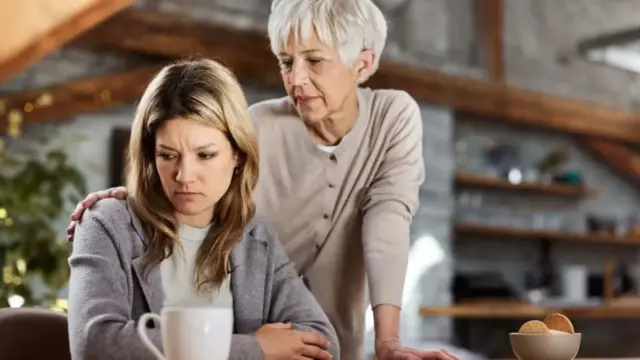
Before spending months meticulously analyzing the profiles of complete strangers on various digital platforms, experts suggest dedicating time to understanding one’s own behavioral patterns. This exercise is not about assigning blame for past relationships, but rather about recognizing the recurring habits that quietly dictate romantic choices.
It was precisely this fascination with human behavior that led McGinty to develop the McGinty Relationship Dating Profile, often described as the Myers-Briggs assessment for the modern dating world. Through a series of carefully crafted questions, the assessment identifies a user’s specific dating archetype and generates a personalized analysis detailing how they approach relationships, make romantic decisions, and evaluate potential partners. The tool is designed to highlight individual strengths, blind spots, and subconscious patterns that may inadvertently obstruct the path to a fulfilling partnership. Decades of working on the front lines of romance have proven to McGinty that the most critical person to truly understand in a dating journey is rarely the person sitting across the dinner table—it is oneself.
Rewriting the Rules of Romance After 60
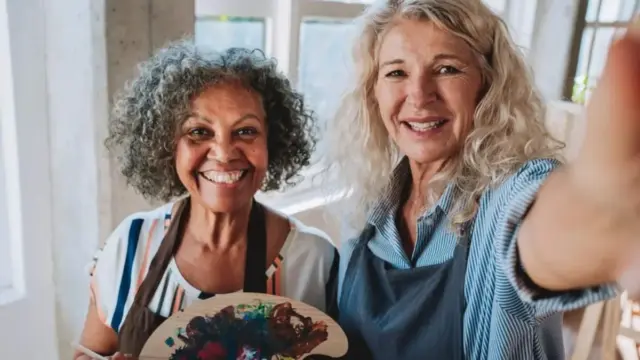
Despite the hurdles of modern dating culture, the landscape for women in their 60s and 70s carries a distinct advantage: they have lived full, complex lives. They have raised families, built demanding careers, navigated heartbreak, survived profound loss, celebrated major victories, and firmly established their identities. Some have spent decades in long-term marriages, others have embraced single life by choice, and many are widows exploring whether their hearts possess the capacity for a new chapter of love.
There is no single correct path through this phase of life. Women of this generation are not obligated to remarry, cohabitate, combine bank accounts, sacrifice their hard-earned independence, or pretend to enjoy trendy pastimes like pickleball. They retain the autonomy to define what love looks like on their own terms.
However, embracing this chapter requires active participation. It demands a willingness to step outside comfort zones, meet unfamiliar people, and occasionally share a cup of coffee with someone who does not match a rigid fantasy carried over from decades past. This often involves navigating online platforms—not because technology itself is inherently romantic, but because it serves as a logistical bridge to individuals who would otherwise remain entirely outside one’s social sphere.
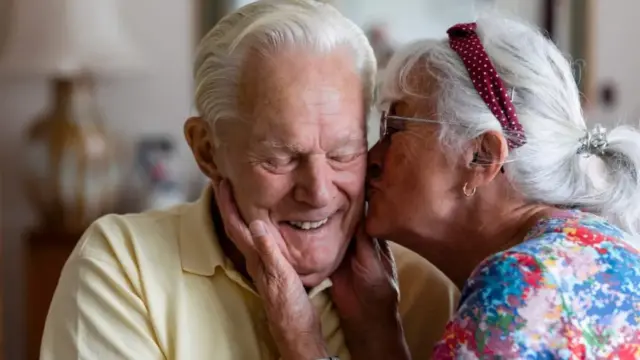
When the inevitable question finally resurfaces about which dating application reigns supreme, the answer remains rooted in personalization. The best dating app is simply the one that functions effectively for the individual user, taking into account their unique geographic location, daily lifestyle, relationship goals, and openness to experimentation. Finding love after 60 is ultimately not about finding someone to desperately complete an unfinished life, but rather about discovering a companion who makes an already interesting life even better.