
No other conventional model of relationship therapy boasts the same level of rigorous scientific backing, structured skill-building, and hands-on clinical tools. These components make the Gottman approach uniquely accessible, ensuring it can be easily understood and seamlessly integrated into any committed intimate relationship. For professionals in the field, this efficacy is not just theoretical; it is a lived reality proven over decades of clinical practice and teaching experience.
What Happens During Gottman Method Couples Therapy?
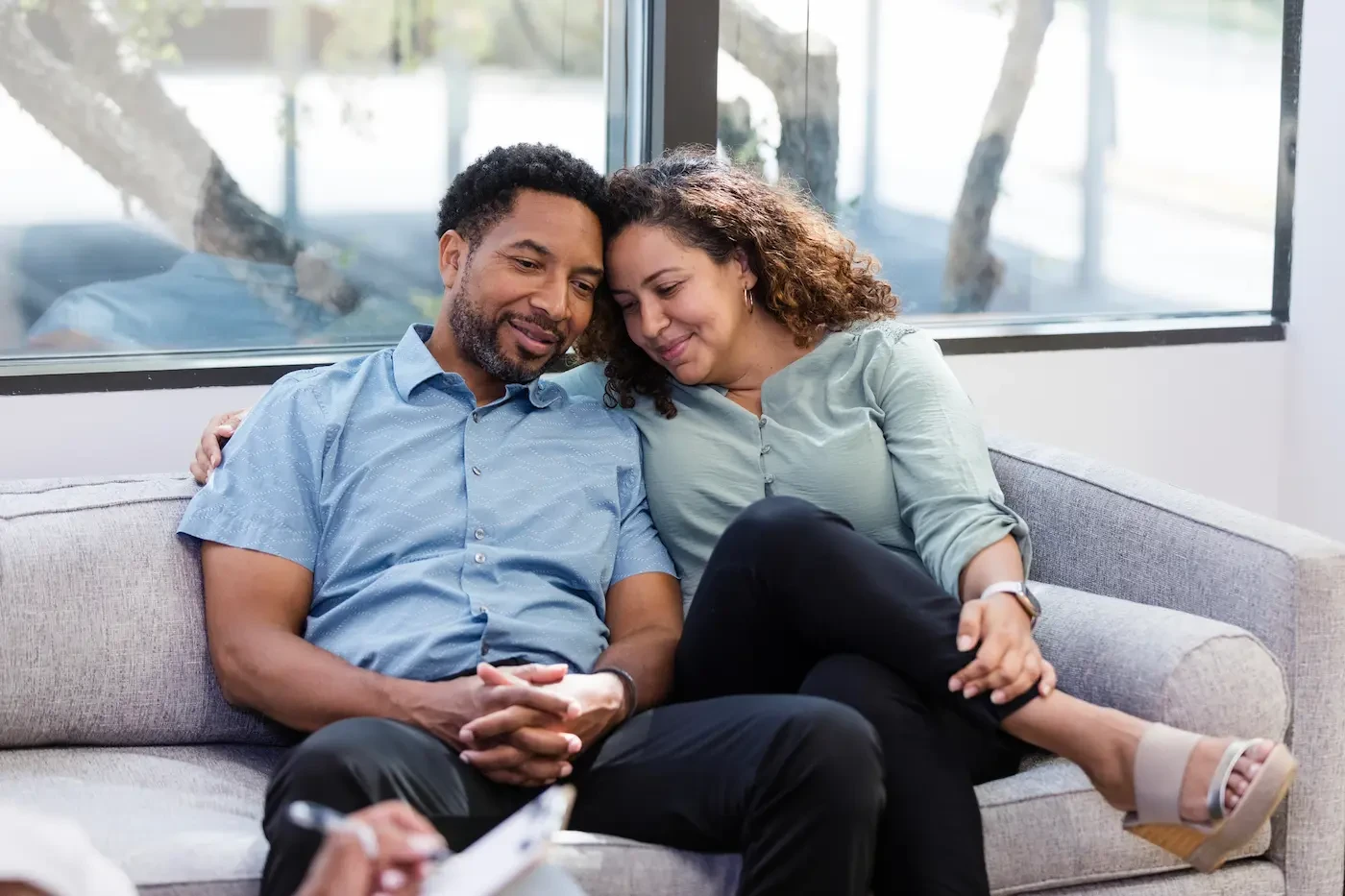
When couples initiate Gottman Method couples therapy, the process begins well before standard talk therapy. Practitioners utilize a comprehensive, scientifically validated protocol designed to evaluate both the strengths and the underlying challenges within a relationship. This initial phase involves a detailed clinical interview that traces the complete trajectory of the couple’s shared history. Therapists also conduct a conflict sample session to observe direct communication patterns, strengths, and breakdowns in real-time. Additionally, both partners complete a thorough online questionnaire provided by the Gottman Institute, complemented by individual private meetings with each partner.
Following this intensive evaluation, the Gottman-trained therapist reconvenes with both partners to present a detailed relationship assessment rooted in the Sound Relationship House model. Together, the couple and the therapist collaboratively construct a customized treatment plan that outlines specific, achievable goals and desired outcomes.
Once this roadmap is established, the therapeutic work moves into active sessions, typically spanning six to twelve appointments. During this phase, the therapist guides the couple through targeted Gottman interventions. Utilizing structured blueprints complete with practical guidance for conflict management, friendship and intimacy enhancement, and shared meaning construction, couples systematically work through their grievances. They learn effective communication frameworks, develop a deeper comprehension of each other’s complex inner worlds, and collaboratively build win-win solutions and compromises.
Finding the Fit With The Gottman Method
For many practitioners, the journey to adopting the Gottman Method is deeply personal. In 1999, one experienced therapist found her own marriage facing severe turbulence. Unwilling to dissolve her family or give up on a partnership with someone she deeply loved, she faced the classic dilemma of a reluctant partner. As a mental health professional herself, she essentially persuaded—or perhaps playfully dragged—her husband into couples therapy.
In their search for help, the couple consulted approximately five different practitioners in their local area. None of them were able to offer a reasonable, hands-on plan or practical techniques that could be applied outside the office. Instead, most of the local couples therapists appeared lost and confused regarding how to facilitate actual healing.
In practice, these traditional sessions frequently devolved into individual therapy conducted in the presence of both partners. One person would often be forced to sit in silence while the other became the primary focus of clinical scrutiny. Comments from therapists, such as suggestions that a marriage would instantly improve if one partner simply learned to do a specific task better, left the couple feeling profoundly frustrated. Instead of finding relief, they frequently exited these sessions harboring heightened anger and lingering resentment toward one another.
The emotional toll of these traditional sessions was significant. Partners occasionally exchanged raw feedback during therapy that proved difficult to forget or forgive, casting serious doubt on the overall utility of the therapeutic process. Most concerningly, three of the five traditional therapists ultimately gave up on the couple altogether, advising them to pursue a divorce. This defeatist outcome was far from the constructive support they had sought. Ultimately, none of those practitioners possessed a structured approach or a sound clinical foundation grounded in a systemic, relational understanding of marriage.
It Made Sense as a Psychologist
At the same time, this therapist was navigating professional challenges as a staff psychologist at the University of Texas at Austin. She was tasked with counseling international students living in campus housing alongside their spouses. These couples faced immense external stress and adaptation hurdles while trying to preserve their marital happiness amidst the complexities of American culture.
None of the traditional psychological models she had studied up to that point—whether Psychodynamic theory, Cognitive Behavioral theory, or Social Learning Theory—resonated with these international spouses. These conventional frameworks failed to provide practical tools capable of sparking substantive, real-world changes in their relationships.
Facing a dual crisis of professional and personal disappointment, she began actively searching for empirically validated research and therapy models. A colleague eventually pointed her toward John Gottman’s seminal book, Why Marriages Succeed or Fail.
Reading those pages felt like an uncanny revelation. It was as though John Gottman had secretly observed her and her husband in their living room, accurately diagnosing their specific conflict style within the opening chapters. For the first time, she felt an outside expert understood her marriage better than any physical therapist they had visited. Crucially, Gottman’s approach did not require endless excavation of childhood wounds, deep-seated psychological injuries, or pathologized character flaws.
Instead, the Gottman approach was remarkably simple, straightforward, and honest. It focused on concrete, daily behavioral adjustments that she and her husband could realistically implement to steer their marriage away from chaos and back toward contentment. When she began applying these same principles to her international student couples, the concepts translated effortlessly across linguistic and cultural boundaries, helping everyone improve their foundational friendship and master new ways of listening and communicating during disputes.
And for My Relationship
Shortly after discovering the material, the couple traveled to Seattle to attend the intensive Art and Science of Love weekend retreat hosted by the Gottman Institute. Her husband, whose background was firmly rooted in engineering and analytical thinking, had previously dismissed most of the abstract theories and psychological concepts proposed by their past therapists.
However, sitting in the audience at the Gottman retreat, he repeatedly expressed genuine surprise and agreement with the empirical conclusions presented. He found immense value in Gottman’s observational methodology and appreciated the straightforward, practical steps he was being asked to take to fortify his marriage.
At a pivotal moment during the retreat, he turned to his wife and offered a sentence that changed everything: "Honey, I can do this." It was the first time she had ever heard her husband express authentic optimism regarding a therapeutic approach to relationships. That realization illuminated the Gottman Method as the ideal bridge connecting her cultural, emotional, and relational communication style with her husband’s logical, skeptical, and analytical mindset.
So How Do You Know If This Method Is a Right Fit for Your Partnership?
For couples seeking an approach grounded in rigorous research, systematic analysis, and organized skill-building, the framework offers a clear path forward. It provides an opportunity to transform dysfunctional patterns without resorting to blame or pathologizing human behavior. For those whose partnerships might benefit from a structured, transparent, and empirically proven roadmap, Gottman Method Couples Therapy continues to serve as an enduring standard of modern relationship health.