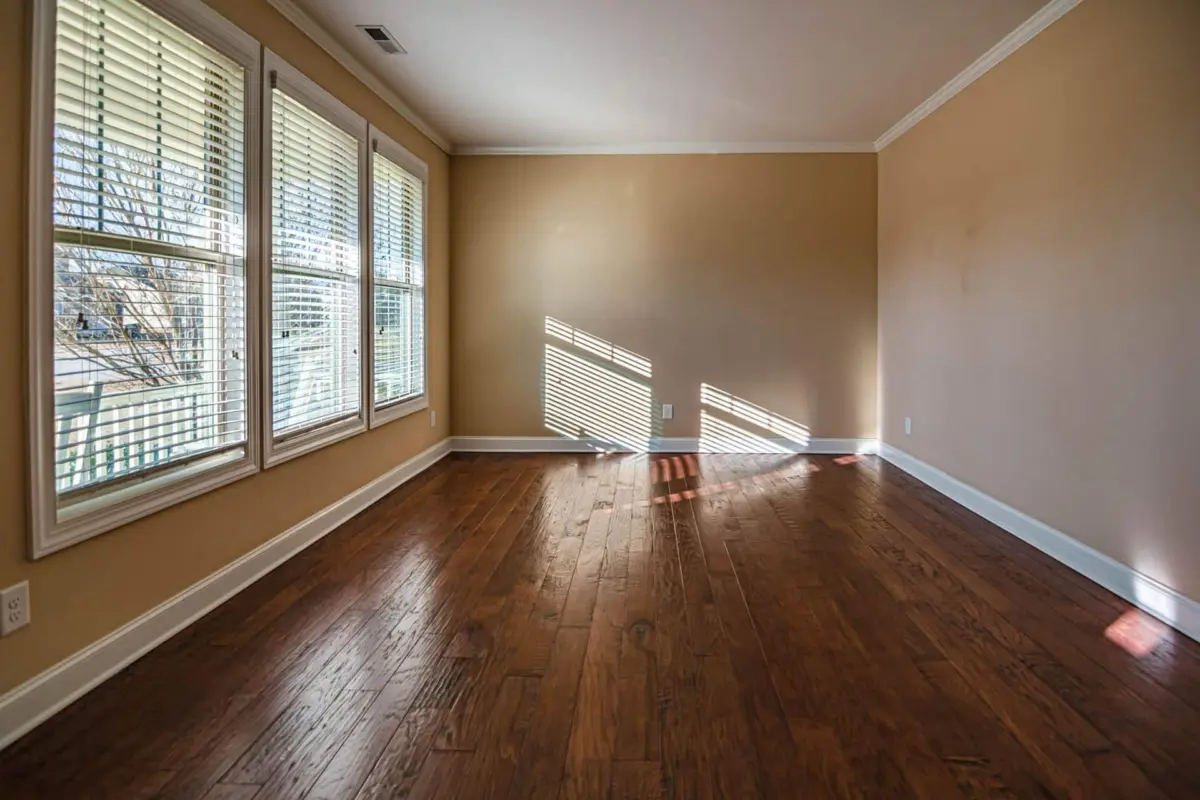
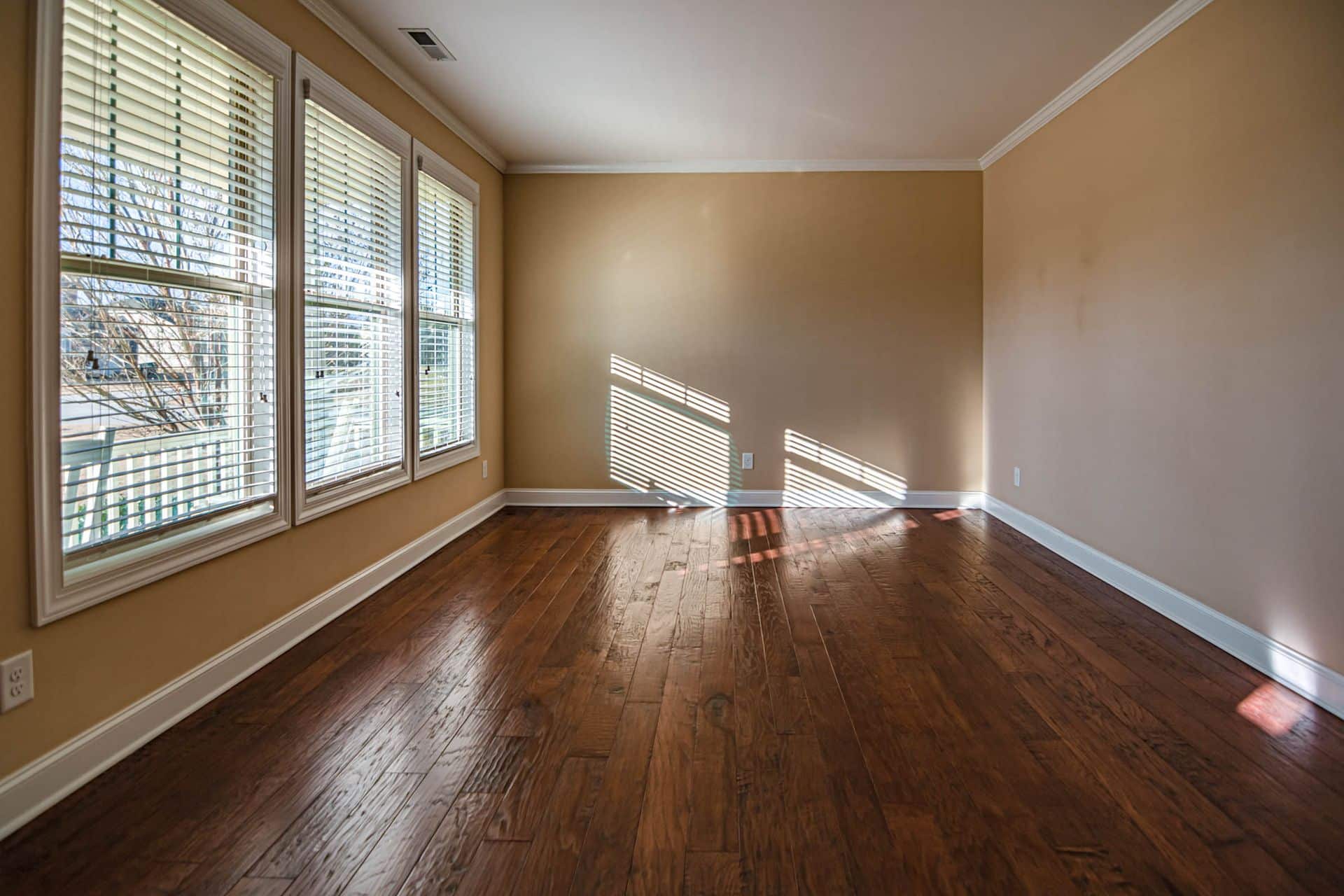
The destination was a sparsely furnished apartment chosen specifically to facilitate the simplest and cleanest transition possible. Upon arrival, Mia spent her first afternoon integrating her minimal belongings—what she jokingly describes as taking up about three square feet of space—into the bare-bones stock furniture provided by the rental. Little did she know that inhabiting such an intentionally stripped-down environment would spark a profound re-evaluation of her relationship with physical space, materialism, and personal well-being. Having previously written about the psychological weight of living in a cluttered environment, this temporary relocation offered a real-time, reverse perspective on the nuances of minimalism.
One of the first practical lessons emerged from the mundane realities of temporary housing. Furnished apartments often come stocked with miniature, hotel-sized portions of everyday essentials. Having already brought her own cleaning supplies and toiletries, Mia found herself staring down a collection of duplicate items. In the past, she admits, a lingering hoarding mentality would have compelled her to save those tiny conveniences for some hypothetical future scenario where miniature products might miraculously be required.
This time, however, she adopted a radically different approach: she simply used them up. Recognizing that these items represented the lowest quality versions of everyday goods and that hoarding them added zero value to her daily existence, she consciously decided to burn through them first. Once depleted, the empty containers were immediately discarded. The psychological shift was instantaneous; she found herself moving through her days with fewer physical objects occupying real estate both in her living quarters and in her mind. This experience cemented her belief in the philosophy of "use-it-up" decluttering, transforming a minor housekeeping habit into a core tenet of her minimalist framework.
Living away from her permanent residence also forced Mia to reconsider how she interacted with personal mementos. As an avowed homebody, being displaced was initially a jarring psychological experiment. To combat the sterility of the temporary apartment and anchor herself emotionally, she decided to display the few personal items she had managed to pack. Instead of tucking her favorite colorful throw blanket away in a closet, she draped it casually over the couch. Instead of stacking her books neatly out of sight on a bedside table, she propped them up throughout the rooms.
Anything that brought a touch of warmth and familiarity was given a prominent position in plain view rather than being banished to a drawer. While such a strategy might easily tip over into visual clutter in a home heavily packed with belongings, within the confines of a sparse space, it successfully softened the atmosphere. The experiment demonstrated that styling a room with genuinely functional items allows them to perform double duty, infusing a space with personality and comfort without resorting to useless trinkets or decorative clutter.
The minimalist approach extended even down to the most basic kitchen tools, driven in part by personal sensory sensitivities. Mia suffers from severe sensory issues that make the sound of clinking silverware particularly grating, often to the point of causing nausea. During her very first day in the apartment, she consciously saved plastic cutlery from takeout meals specifically to avoid using the standard metal utensils supplied by the kitchen.
The situation changed dramatically when a close friend visited to celebrate Mia’s birthday, bringing a thoughtful and perfectly sized wooden spoon as a gift. That single wooden utensil immediately transformed her daily routine. Paired simply with a set of chopsticks, the custom spoon became her exclusive kitchen implement, rendering the rest of the apartment’s utensil drawer entirely obsolete. The experience reinforced a compelling minimalist principle: possessing a single item that serves its purpose flawlessly—and brings genuine joy in the process—is infinitely superior to maintaining a drawer full of mediocre alternatives.
Beneath the surface of physical minimalism, the relocation also forced a dramatic shift in Mia’s social and professional life. Her local calendar suddenly became remarkably sparse, a stark contrast to the vibrant community network she left behind. While acknowledging a natural pang of sadness given her deep affection for her friends, she discovered that the reduction in social obligations acted as a powerful energetic catalyst. Recognizing her natural tendency to thrive on solitude—even while occasionally resisting it out of a desire to constantly be surrounded by loved ones—she leaned into the quiet rhythm of the new environment.
With her schedule wide open and a living space that required virtually zero maintenance, daily life streamlined into effortless efficiency. Mornings began with routine, unhurried walks to the gym for workouts. Her temporary apartment remained perpetually spotless, and she found herself dedicating significantly more time to preparing wholesome, nourishing meals. Professionally, the quiet environment allowed her to surge ahead on business ventures—including a business acquisition completed a few months prior—ultimately freeing up the mental bandwidth required to sit down and write about her journey.
Despite the serenity of her new surroundings, Mia quickly realized that the threat of accumulation is an ongoing battle, even in the most minimal environments. Merely three weeks into her stay, the subtle influx of everyday life began to assert itself. Her recent birthday brought a wave of thoughtful gifts that, while deeply appreciated, immediately began claiming physical territory. At one point, she noted a trampoline sitting directly beside her while she typed. A kitchen cabinet that started empty rapidly filled with saved plastic food containers.
This rapid creep of belongings highlighted a fundamental truth about domestic spaces, particularly within modern consumer culture: the natural flow of items is perpetually directed inward. Without deliberate, proactive measures to create a reverse flow moving things back out of the home, clutter inevitably piles up over time. To combat this, Mia quickly reintegrated her established passive decluttering strategies, utilizing routines that had proven remarkably effective in the past to stay well ahead of the problem.
As for the central question that initiated the entire journey—whether changing her environment would alleviate her persistent health issues—the early results have provided a glimmer of cautious optimism. The experiment is indeed helping, marking the first tangible improvement she has observed in her physical well-being in years. Yet, the realization brings a complex set of emotions, given that the successful remedy requires her to live away from her permanent home. It is a complicated problem, but one she now has the mental space and clarity to address.
For now, as she continues to settle into her temporary routine, Mia plans to gradually reintroduce social activities and hobbies—such as game nights with old friends and a return to fight training now that her energy levels have rebounded. In the meantime, her temporary relocation has offered a masterclass in intentional living, proving that stepping away from the familiar can bring surprising clarity to both the body and the mind.