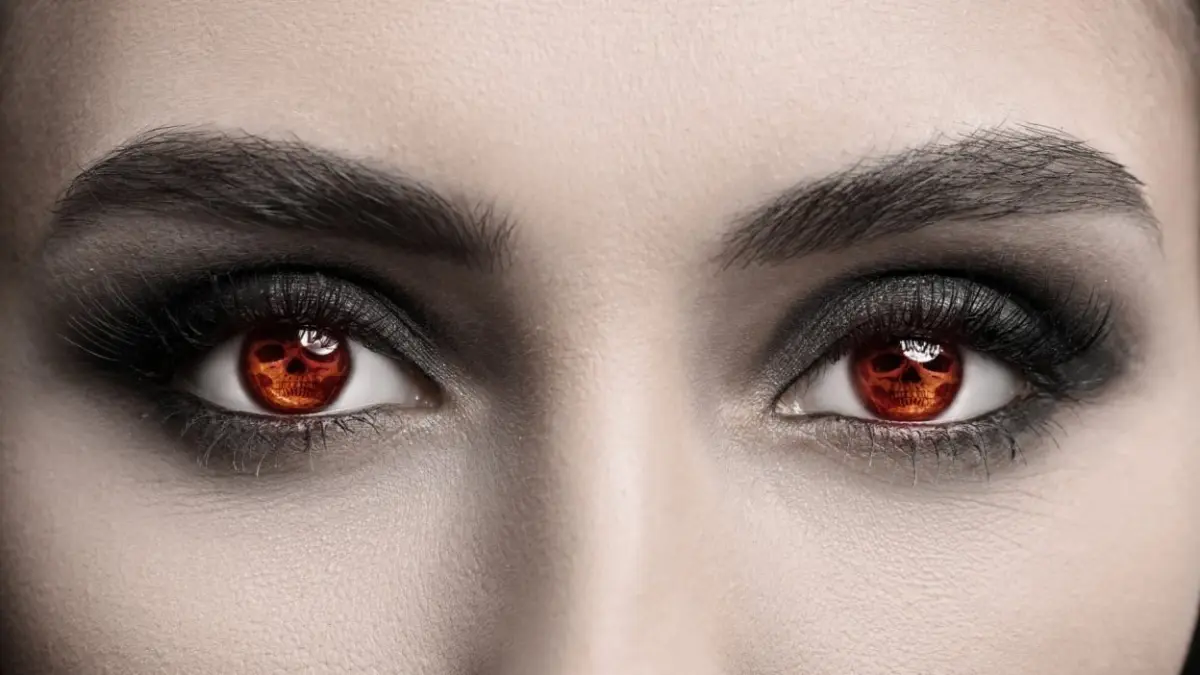
According to organizations like the American Academy of Ophthalmology (AAO) and the Centers for Disease Control and Prevention (CDC), non-prescription decorative contact lenses carry severe health risks. These risks range from painful corneal scratches to permanent vision loss. Despite the widespread availability of these products in costume shops, beauty supply stores, and online marketplaces, non-prescription contacts are strictly illegal to sell without a prescription in the United States. Federal regulators and medical professionals have long tried to crack down on the illegal market, yet novelty lenses continue to circulate widely every autumn, catching unsuspecting shoppers off guard.
The core issue with cheap, over-the-counter costume contacts lies in their manufacturing and fit. Mass-produced novelty lenses are almost universally sold as a one-size-fits-all product. However, ophthalmologists and optometrists repeatedly stress that contact lenses should never be treated as a one-size-fits-all commodity. Human eyes vary significantly in shape, curvature, and size. When a contact lens does not fit an individual’s eye properly, it can cause physical trauma. A lens that is either too large or too small can easily cause corneal abrasions, develop into painful corneal ulcers, and open the door for dangerous infections such as keratitis. In severe cases, these infections can escalate rapidly and lead to irreversible blindness, turning a fun holiday weekend into a lifelong medical tragedy.
The dangers are not just theoretical. A comprehensive 2017 study published by the Food and Drug Administration (FDA) uncovered alarming contamination rates within the costume contact market, finding bacterial contamination in 27% of tested costume lenses. When substandard materials, improper sizing, and bacterial hazards combine, the human eye becomes extremely vulnerable. Medical experts note that the eye is significantly more sensitive to infection than almost any other part of the human body, meaning minor irritations can quickly spiral into severe medical emergencies.
For individuals who do wear contact lenses regularly—whether for daily vision correction or special occasions—the AAO recommends maintaining high vigilance and keeping an eye out for warning signs. Symptoms such as unusual redness, swelling, physical pain, or excessive discharge should never be ignored. If any of these symptoms appear, individuals are urged to seek professional medical care immediately rather than waiting for the discomfort to pass. Quick intervention can mean the difference between a minor, easily treatable irritation and a sight-threatening condition.

From a legal standpoint, the rules governing contact lenses are clear and absolute: all contact lenses, including those worn purely for cosmetic purposes, require a valid prescription from a licensed eye care professional. If a pair of colored or patterned contacts can be purchased online or over-the-counter without providing proof of a doctor’s evaluation and prescription, they are operating outside the law and are not considered safe or legitimate medical devices.
Obtaining a legitimate prescription, however, often comes with a financial hurdle. Genuine, medically sound decorative lenses can be relatively expensive compared to their illegal counterparts. Online retailers and distributors such as Lens.com, Discount Contacts, and Wicked Eyez offer legal, prescription-verified colored and costume lenses, with baseline prices typically starting around $40 and climbing higher depending on the brand and specific visual requirements.
While these online platforms require customers to input or upload their valid prescription information before completing a checkout, getting that prescription in the first place is a consumer right protected by federal law. Under regulations enforced by the Federal Trade Commission (FTC), eye doctors and optical providers are legally required to provide patients with a copy of their contact lens prescription immediately following a fitting. This ensures that consumers are free to take their prescription and purchase their lenses from any legitimate seller of their choice, without being forced to buy directly from the examining doctor’s office. Furthermore, federal rules explicitly prohibit providers from charging extra fees to release a copy of a patient’s prescription.
For those who successfully acquire a legal, properly fitted pair of prescription costume lenses, managing them safely requires the same disciplined hygiene as daily-wear lenses. While individuals who wear corrective lenses every day are already accustomed to the necessary cleaning, disinfecting, and storage routines, casual wearers picking up a pair purely for a holiday costume must familiarize themselves with the basics of proper lens care. Failing to clean lenses properly, sleeping in them, or using water instead of sterile disinfecting solutions can easily introduce pathogens directly to the cornea.
Ultimately, health authorities remind the public that while transforming your appearance with dramatic eye makeup or specialized lenses can elevate a costume, no aesthetic look is worth risking your long-term vision. Once the Halloween festivities wrap up and the makeup is washed away, the bloodshot, irritated look of an eye infection is one accessory nobody wants to keep.