
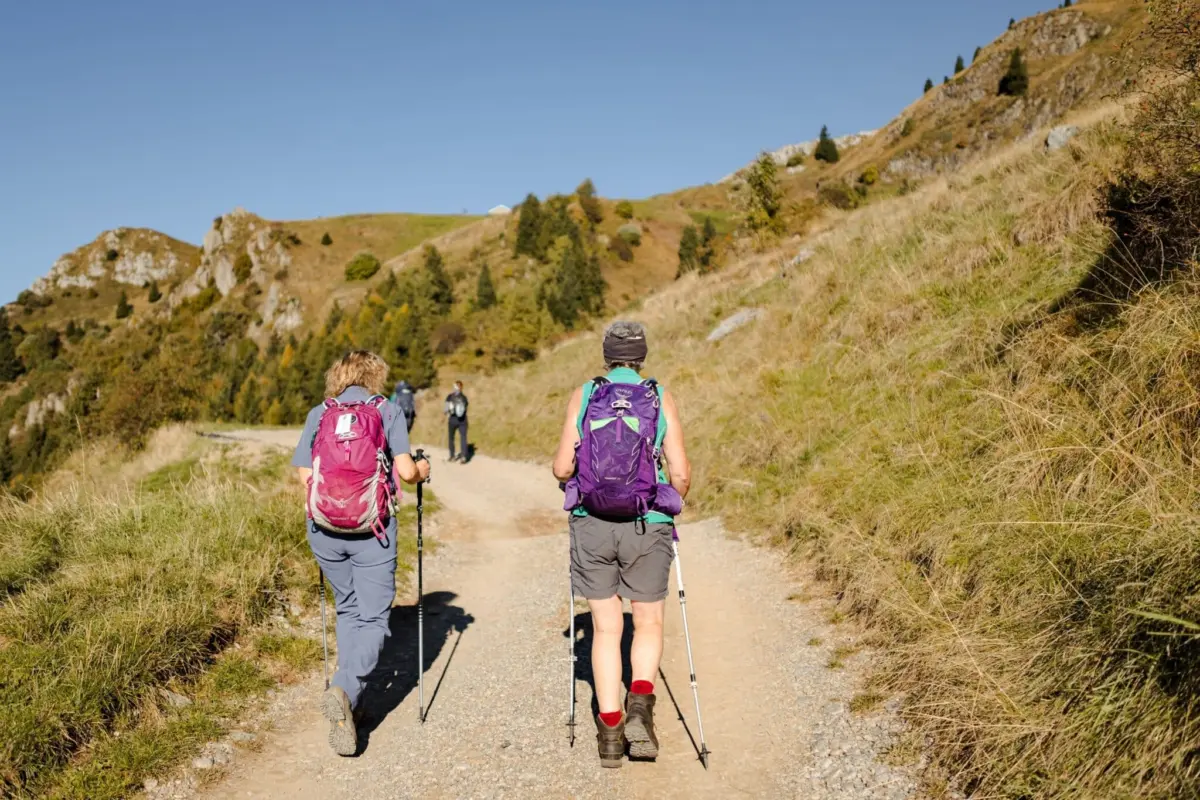
Several factors have contributed to this demographic’s growing enthusiasm for the trail. A primary catalyst is the rising public awareness of the profound physical and mental health benefits associated with walking. Medical professionals and wellness experts alike frequently emphasize that even a gentle, low-impact stroll can yield significant health improvements, particularly for individuals who have previously led a predominantly sedentary lifestyle. Beyond the undeniable physiological advantages, such as cardiovascular conditioning and improved joint mobility, practical lifestyle changes also play a vital role. For many adults, retirement naturally frees up a considerable amount of discretionary time, offering a golden opportunity to explore new hobbies or revisit old ones.
Equally important, though occasionally overlooked in clinical discussions of exercise, is the sheer enjoyment of the activity. For seasoned hikers and newcomers alike, the trail provides an effortless way to combine physical exertion with meaningful socialization. Unlike the sterile environment of a traditional indoor gym, a brisk outdoor walk consistently offers a more engaging and mentally refreshing experience.
The legacy of the COVID-19 pandemic has also left an indelible mark on recreational habits. During a time when public health restrictions severely limited indoor activities, the great outdoors became a sanctuary. Walking emerged as one of the few safe, accessible ways for people to exercise, maintain physical health, and socialize while adhering to safety guidelines. For many citizens, these pandemic-era walking routines transcended temporary coping mechanisms and permanently transformed into daily habits and a fundamental way of life.
Unlike high-intensity gym classes, specialized fitness studios, or reformer Pilates, hiking offers a remarkably low barrier to entry. Getting started requires very little specialized knowledge, and participants retain complete control over their pace and distance. Beginners can easily begin with modest, manageable outings lasting just 20 to 30 minutes, gradually incorporating hills and rougher terrain as their strength, stamina, and confidence grow. While there are a few sensible precautions and guidelines to keep in mind, stepping onto the trail ultimately opens up a vast world of accessible adventure.

What You Need
For those taking their first steps into the world of hiking, assembling the right gear is straightforward but essential. Comfortable, supportive walking shoes or boots form the absolute foundation of any successful outing, protecting feet and joints from uneven terrain. A reliable waterproof jacket is also strongly advisable, given the notoriously unpredictable nature of weather patterns in many regions. Carrying a fully charged mobile phone for safety and communication, alongside an adequate supply of drinking water, remains a standard best practice for any outdoor excursion.
As hikers progress from brief neighborhood walks to longer, more ambitious day treks, packing lists naturally expand to include extra layers of clothing and comprehensive waterproof gear. For extended journeys, many experienced walkers consider walking poles an absolute must-have addition to their equipment, providing crucial balance and reducing strain on the knees during steep descents. And, of course, no outdoor trek is truly complete without provisions, such as delicious, homemade trail bars to provide sustained energy along the way.
Hiking for Beginners
Embarking on a hiking journey does not require immediate travel to remote wilderness areas. In fact, seasoned enthusiasts recommend beginning on routes that are already familiar to the walker. This might involve a scenic stroll through a local neighborhood, an urban park, or nearby woodlands. Even within a purely urban setting, walkers can successfully accumulate valuable daily steps, elevate their heart rates, and reap the associated cardiovascular rewards. As fitness levels improve, beginners can incrementally introduce gentle inclines, quicken their overall pace, and stretch their total distance, watching comfortably as a 30-minute excursion gradually extends into a 60- to 90-minute hike.
Walking alone offers distinct psychological advantages that appeal to many participants. Securing quiet, uninterrupted time to appreciate the immediate environment can be remarkably therapeutic. This represents "me time" at its absolute finest—an opportunity to let the mind wander freely, absorb expansive natural vistas, or observe the intricate details of an urban landscape with fresh eyes. Many individuals find a unique sense of mindfulness in walking, noting how much more of the world they notice when they are not peering through the windshield of a car.
These gentler solo walks also provide an ideal backdrop for catching up on favorite podcasts or audiobooks. Such auditory companions can serve as a welcome and engaging distraction as walkers begin transitioning toward more challenging terrain, steeper hills, and longer durations.

Progressing to Longer Hikes
As hiking distances increase, the logistics and preparations required for an outing naturally require more attention, particularly for those venturing out alone. Safety remains paramount for solo explorers, who should always ensure that a trusted friend or family member is informed of their intended route and expected return time. Verifying that the mobile phone is fully charged is critical, as is checking the local weather forecast, especially in regions where meteorological conditions can shift rapidly without warning.
While modern digital mapping applications have made route-finding easier than ever, those who feel hesitant about map reading or navigation may find it wisest to stick to familiar, well-trodden territory while building their wilderness confidence.
Walk with a Friend or Join a Local Group
For individuals who thrive on social connection, introducing a companion to the hiking routine can completely transform the experience. In the early stages of a fitness journey, external deterrents—ranging from a persistent morning drizzle to the powerful temptation of staying indoors with a good book—can easily derail good intentions. Establishing a fixed schedule with a regular walking buddy creates a sense of mutual accountability, making it much easier to step out the door.
Picking a mutually convenient day and time allows friends to share both the physical challenge and the profound satisfaction of gradually increasing their distance and elevation. Furthermore, having a companion by one’s side offers an extra layer of reassurance and security as routes become longer and more remote.
Interestingly, sociological observations suggest that walking side-by-side with another person alters the very nature of human conversation. Qualitative research indicates that dialogue during a walk tends to be more spontaneous and relaxed, largely because side-by-side movement reduces the direct social pressure often felt during traditional, face-to-face interactions. Natural pauses and quiet moments in conversation feel significantly more comfortable and less awkward on the trail than they might across a table.

Another excellent avenue for social walkers is joining a local walking group. In this setting, all the route planning, navigation, and logistical concerns are handled by an experienced leader, allowing participants simply to show up, follow the trail, and enjoy the company of like-minded peers. Prospective group members are always advised to review the stated difficulty level, estimated distance, and expected duration of each scheduled hike to ensure the outing matches their current physical capabilities.
Progress to a Hiking Holiday
For walkers who have mastered local routes and feel ready to embrace a new level of adventure, expanding into dedicated hiking holidays represents an exciting next step. While exploring familiar home turf independently is rewarding, planning an independent trekking trip through entirely unfamiliar foreign territory can quickly become daunting and labor-intensive.
By contrast, joining an organized group tour—whether traveling independently or alongside a trusted walking buddy—removes the stress of logistical planning, as all route research and accommodation details are handled by professionals. On small-group walking holidays, the physical hike is often just one element of a broader cultural experience. While participants can choose their preferred level of physical challenge, these organized journeys frequently emphasize cultural immersion, allowing travelers to explore the rich history of a region while sharing exceptional local meals and memorable experiences with fellow enthusiasts.
As the grey hiking boom continues to gather momentum, the trails are increasingly recognized not merely as venues for physical exercise, but as vibrant community spaces where health, friendship, and exploration intersect. The conversation surrounding this outdoor renaissance naturally turns to personal experiences, inviting reflection from those who have embraced the movement: Have you recently picked up walking or hiking? What is the typical length of your usual route? Do you prefer the solitude of a solo trek, or the camaraderie of a walking buddy? And have you found success and community by joining a local walking group?