Instead, the emergence of a new breed of machine-washable rugs proved to be a practical lifeline. These textiles offered an unexpected compromise, allowing households to maintain a sense of warmth and interior style without sacrificing cleanliness. Several years and a subsequent household move later, the demand for low-maintenance home decor remains just as pressing. With a fast-paced five-year-old and a food-flinging one-year-old currently occupying the space, low-maintenance floor coverings are once again a non-negotiable household feature.
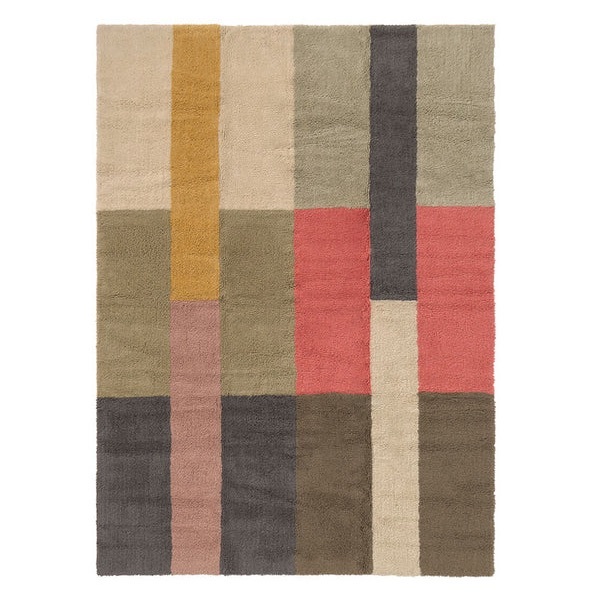
The market itself, however, has evolved exponentially over the intervening years. Today, the sector extends far beyond the thin, flat-printed synthetic mats that once dominated the space. Consumers can now choose from an expansive array of styles, including high-pile shags, hand-tufted textures, and natural-fiber options crafted from wool and organic cotton—varieties that would have seemed impossible to launder in a household washing machine just a few short years ago.

The expansion of the washable rug category has been propelled by a wave of established home brands and specialized makers entering the space, each addressing different consumer priorities ranging from aesthetic luxury to heavy-duty durability.
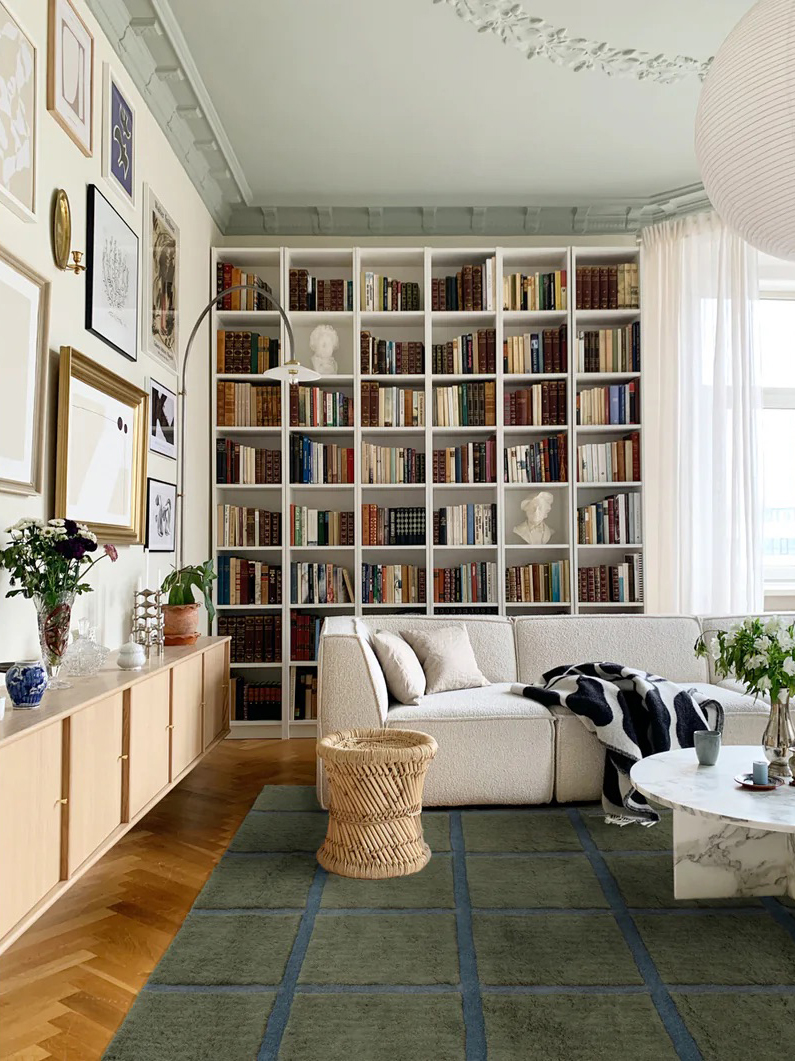
My Favorite Washable Rug Brands
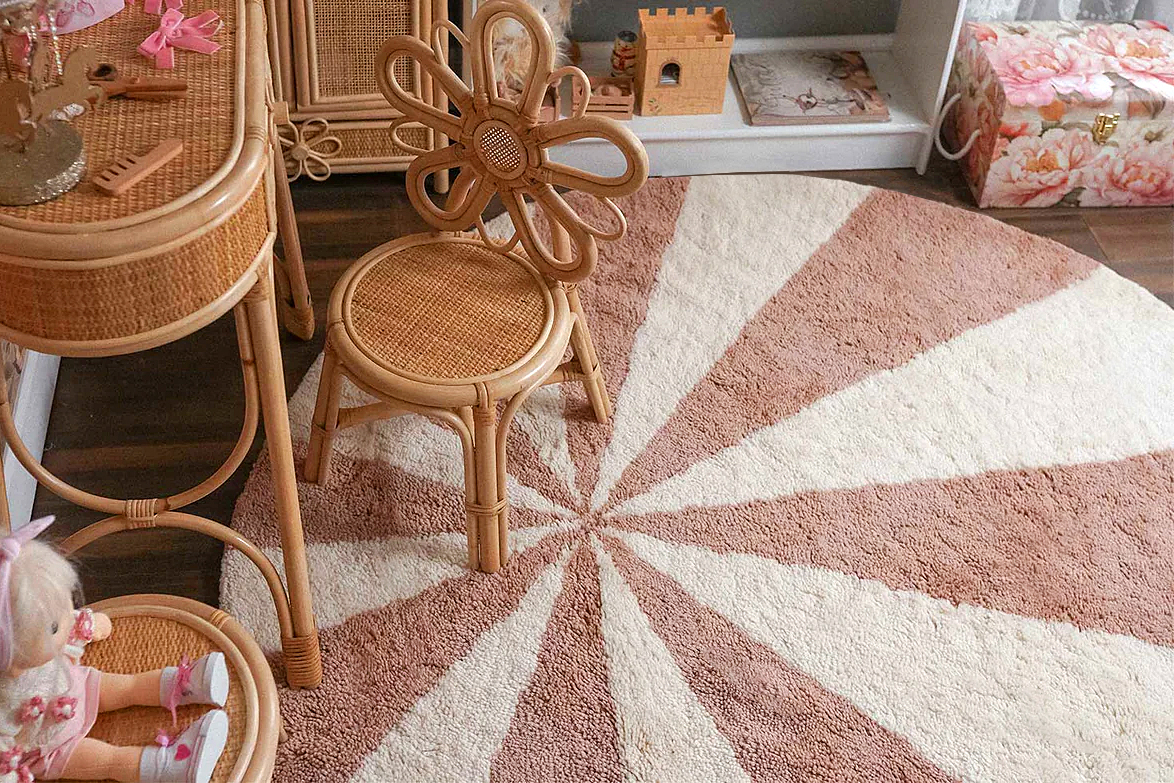
Designer Lorena Canals has been quietly producing washable rugs for nearly three decades, long before the current craze swept the mass market. While the brand maintains a lower profile outside of professional design circles, its plush wool-and-cotton creations challenge conventional assumptions about laundering. These textiles deliver the visual and tactile richness of vintage finds sourced from the souks of Marrakesh, yet they are engineered to go directly into the washer and dryer. For homeowners who have long dreamed of introducing ivory or very light-colored carpets into high-traffic rooms but hesitated out of fear of permanent stains, this category serves as a viable solution.
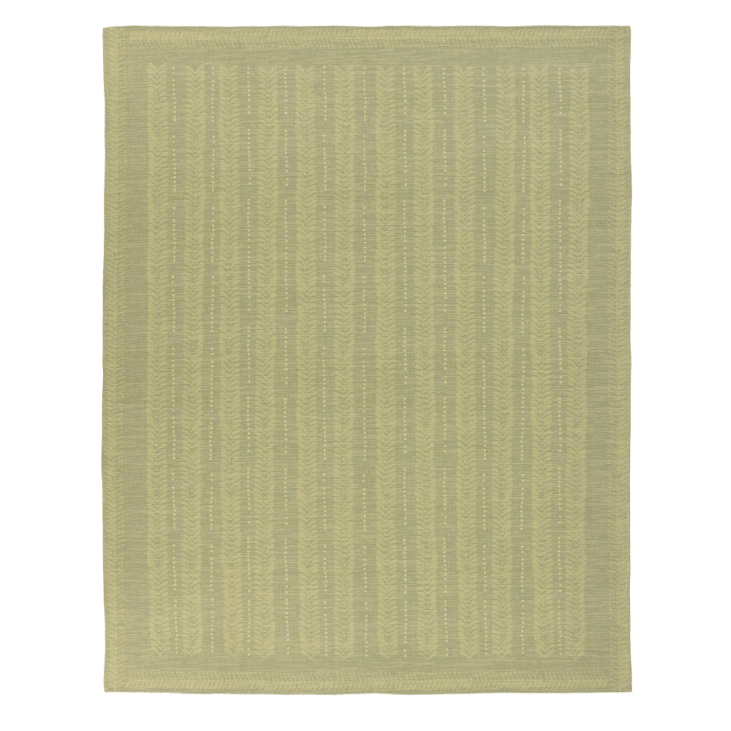
Beyond traditional area rugs, the brand has gained traction with specialized accessories, such as a looped-yarn woolly sheep style designed as a cruelty-free alternative to traditional sheepskin. Serving as a cozy accent for hard chairs or a cushy bedside layer, the construction mimics the organic vibe of natural pelts while offering vastly superior ease of care. Furthermore, non-slip pads are included as a standard inclusion with all of their wool offerings.
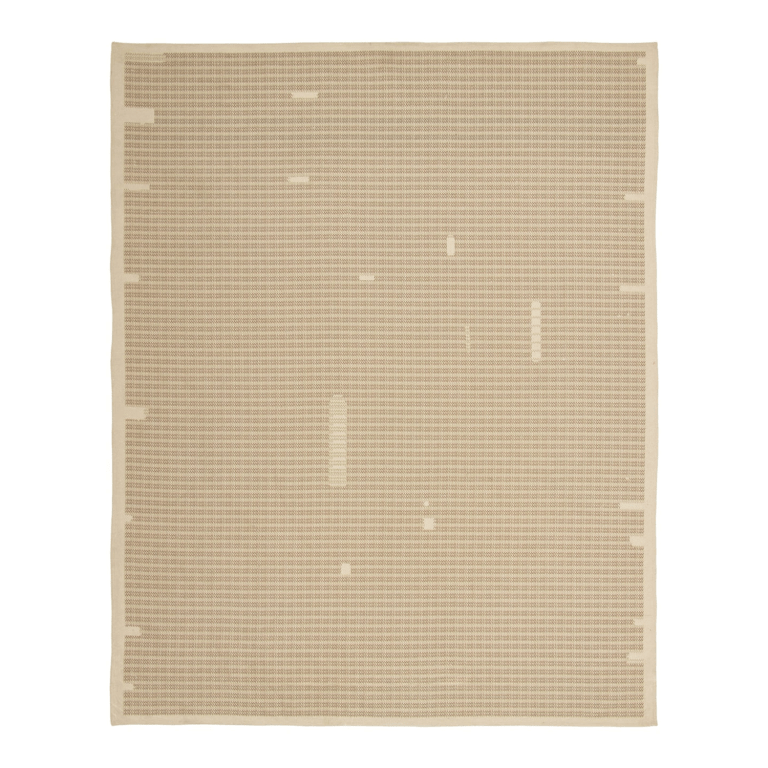
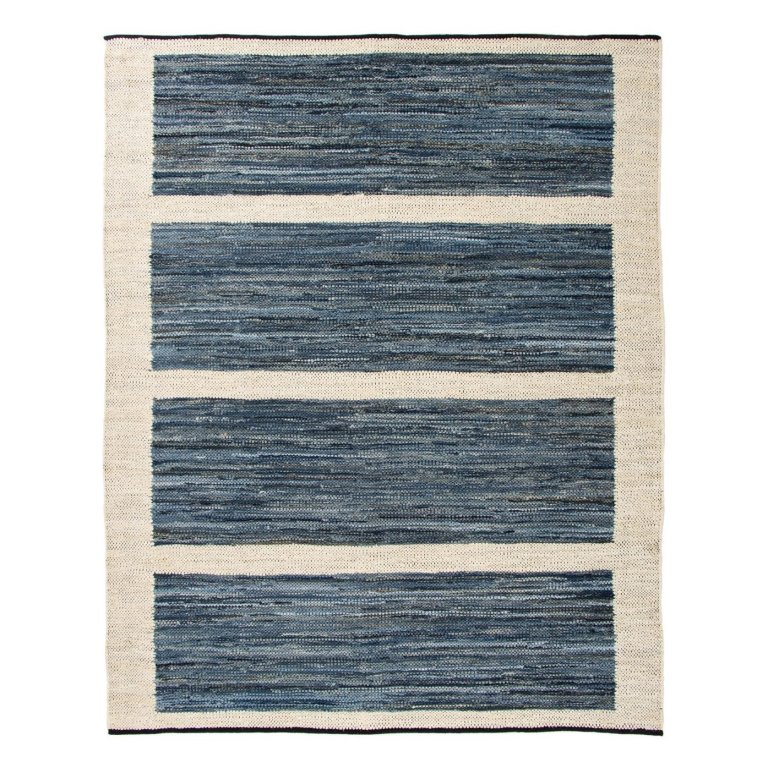
Another prominent player in the market, Revival Rugs, has steadily broadened its assortment since introducing its initial line of machine-washable cotton rugs. While the brand utilizes various materials including fluffy recycled polyester, its wool and cotton offerings continue to resonate with buyers seeking natural fibers. Unlike the ultra-thin profiles typical of early washable rugs, models like the Taylor feature a high-pile shag that introduces substantial texture and warmth to a room. Meanwhile, flatweave runners crafted from recycled denim, such as the Dungaree collection, provide targeted durability for high-traffic zones like kitchens and entryways.
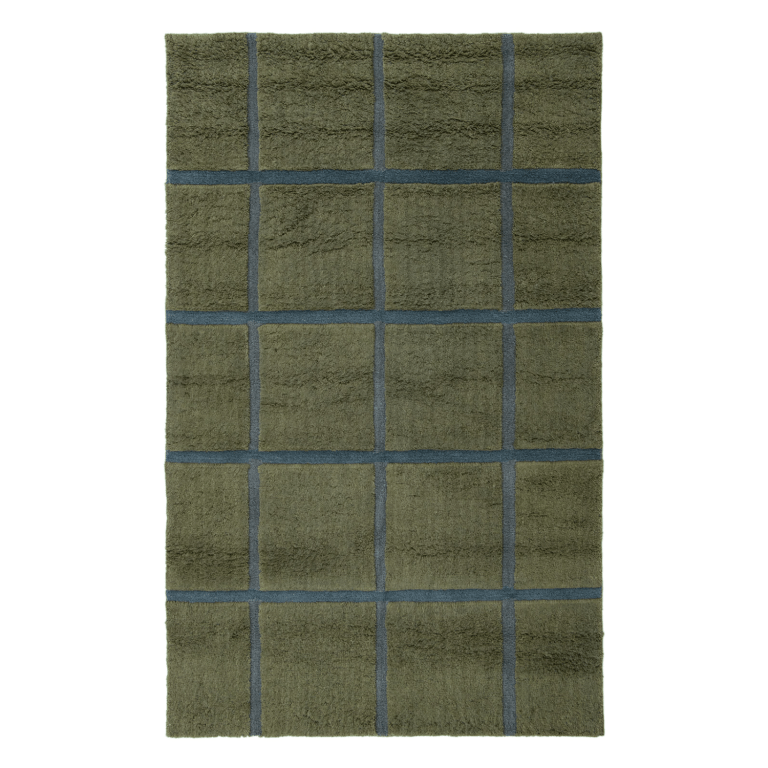
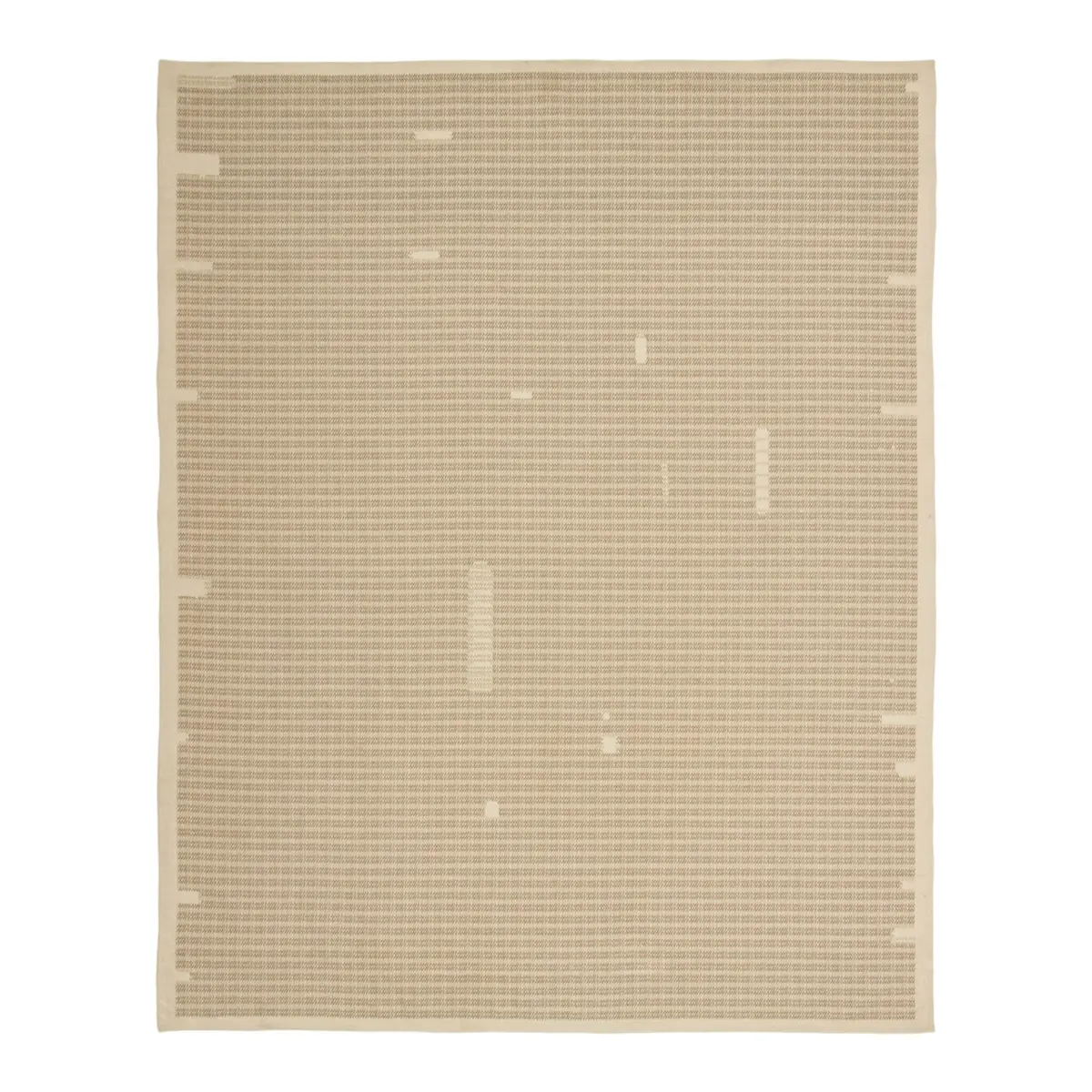
Revival also introduced lightweight collections like Hana, which draw stylistic inspiration from the Korean Dansaekhwa movement, geometric prints by Indian artist Zarina, and the color field paintings of Mark Rothko. These pieces demonstrate how modern washable textiles are increasingly influenced by contemporary fine art movements.
Navigating the Expanded Marketplace
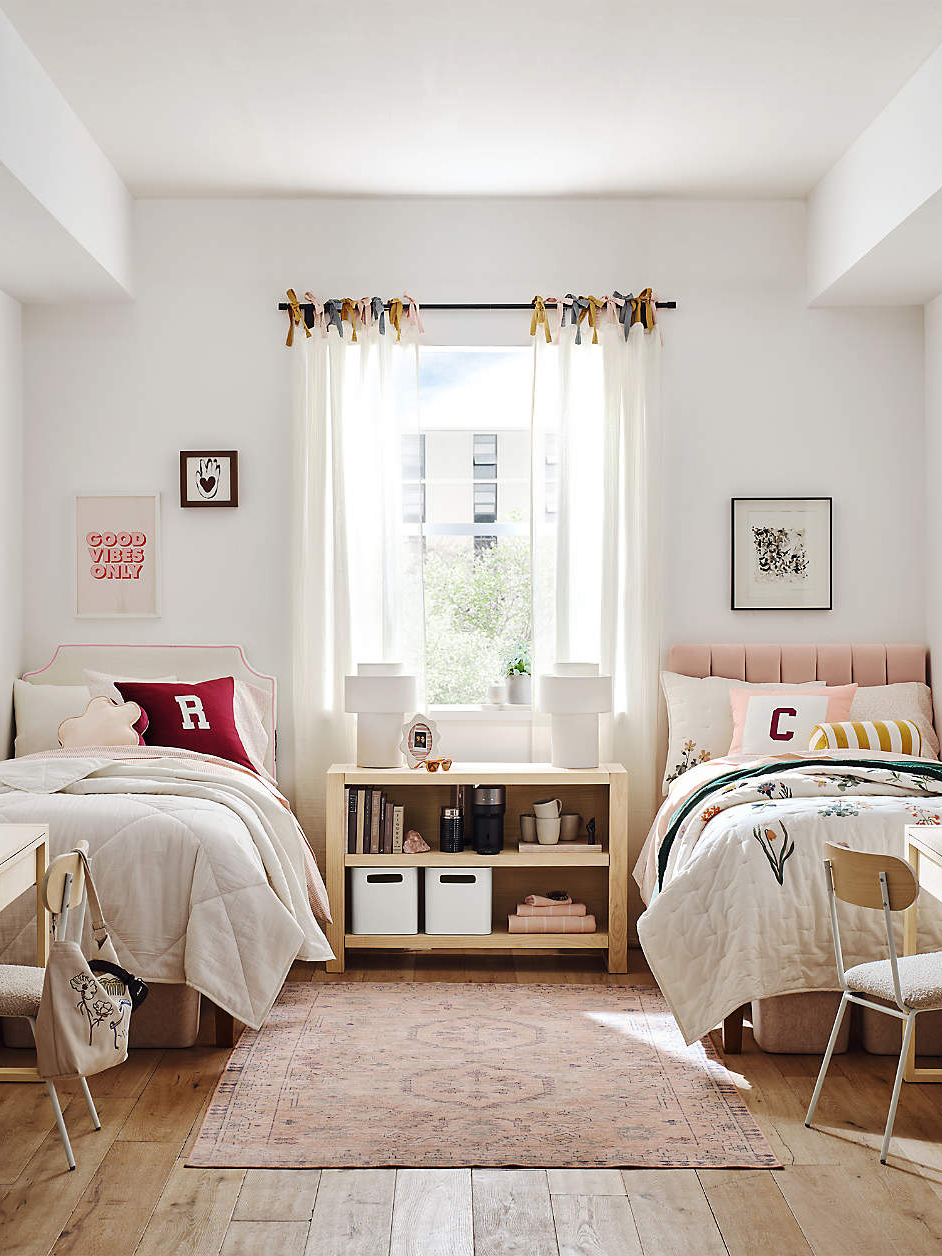
Major traditional retailers have also adapted to the demand. Crate & Kids, for instance, has moved past the ubiquitous printed, surged-edge synthetic formats to offer elevated options with genuine variation in pile height. Utilizing soft blends of polyester, rayon, and cotton, these rugs provide organic texture and tactile appeal, satisfying both aesthetic standards and the practical needs of young children. Although many feature built-in rubber backings to prevent shifting, homeowners often supplement them with dedicated rug pads for added underfoot cushioning.
For consumers seeking immense variety, e-commerce platforms like Rugs Direct host thousands of machine-washable designs spanning numerous constructions and materials. Collaborations with recognized names such as Loloi, Surya, and Jaipur Living have made it easier to find washable iterations of mainstream designer aesthetics. Feedback from households utilizing these products highlights the convenience of lightweight construction, though buyers must remain mindful that many synthetic shag models require separate non-slip pads to remain stable on hard surface flooring like tile or hardwood.
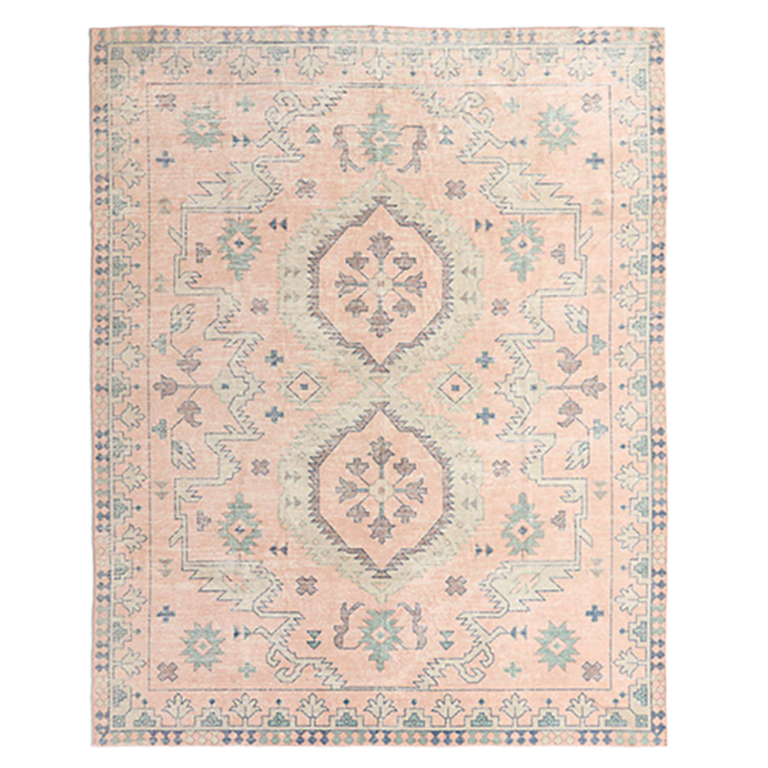
Niche producers are similarly carving out space by emphasizing natural materials. Sage & Wild focuses on thick, cozy piles crafted entirely from wool or organic cotton, catering to consumers actively avoiding synthetic fibers. These substantial floor coverings offer the tactile warmth necessary for comfortable floor play in children’s rooms while retaining the ability to withstand heavy-duty laundering cycles. Similarly, brands like Tumble utilize modular, puzzle-piece foam pad systems to anchor their low-maintenance rugs firmly in place, providing enhanced impact absorption for active households.
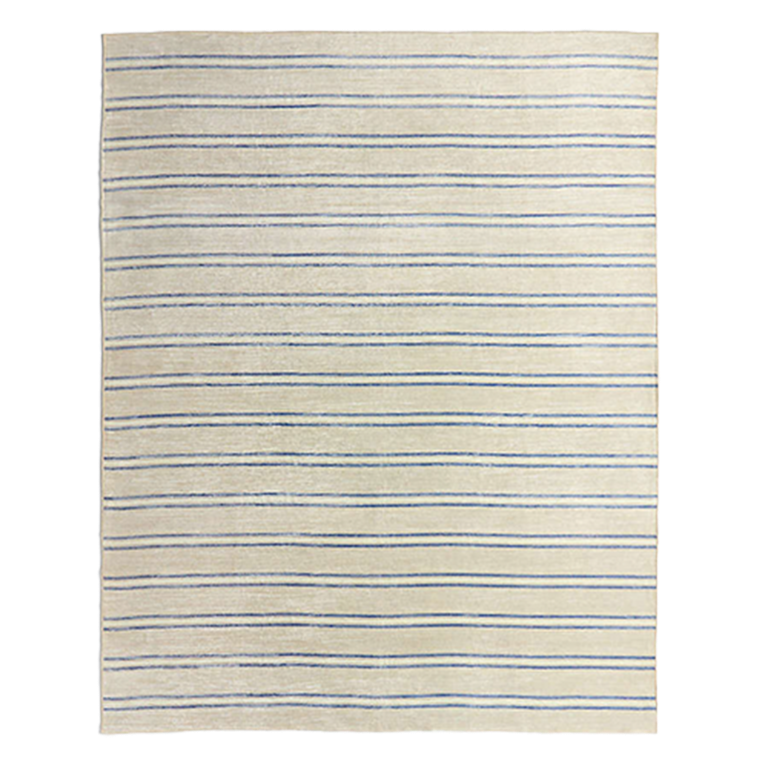
Mass-market giants and designer partnerships continue to shape consumer expectations. Rugs USA has expanded its assortment through high-profile collaborations with figures like Padma Lakshmi and Nate Berkus, introducing dimensional high-low loop textures that mask the synthetic origins of the textiles. Meanwhile, Ruggable—the brand that originally popularized the two-piece Velcro-backed washable rug system—has continued to scale its operations through extensive collaborations with luxury design names, offering everything from standard low-profile prints to upgraded tufted iterations designed to fit within standard home laundry capacities.
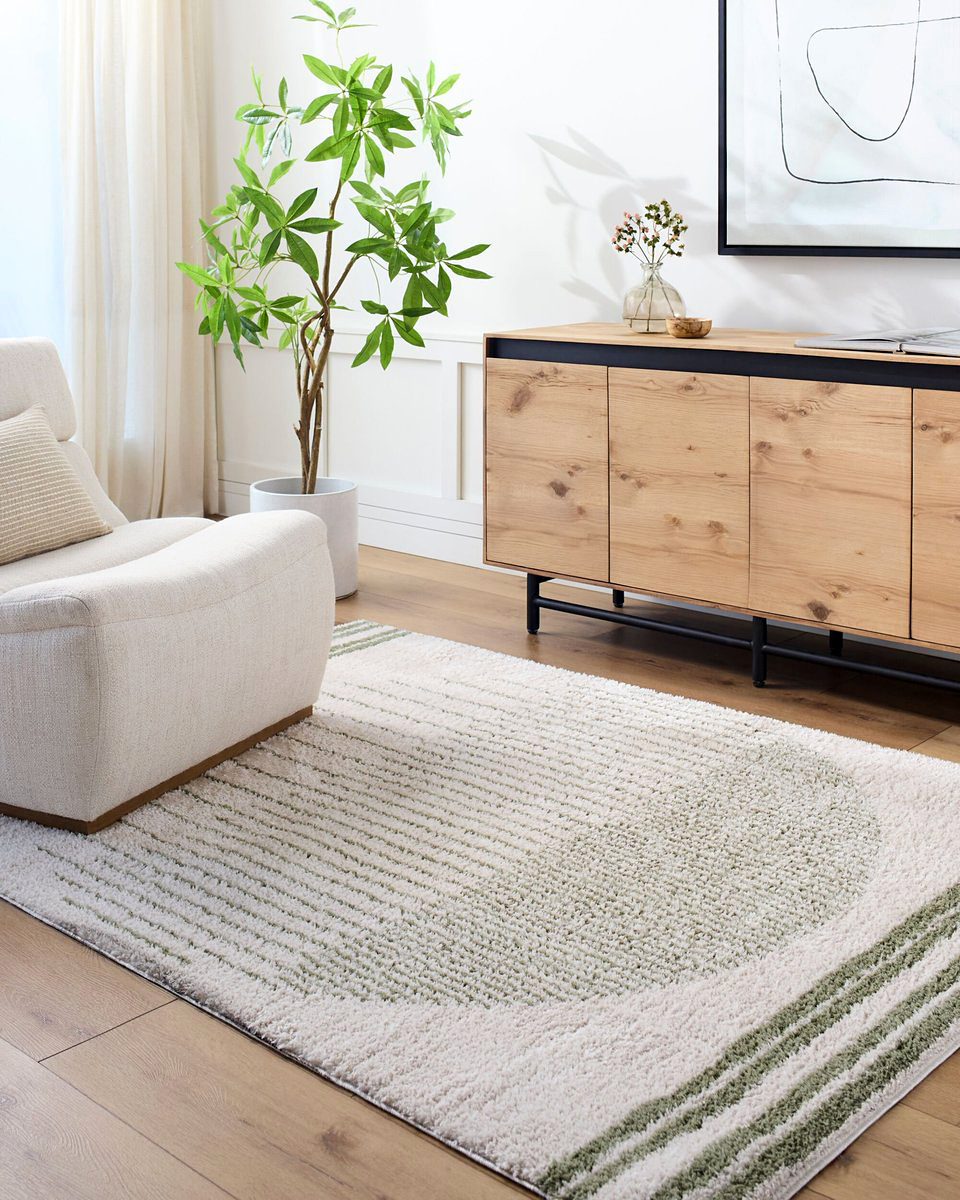
Assessing Design and Maintenance Realities
Evaluating the modern washable rug market requires balancing aesthetic desires against practical maintenance constraints. Generally speaking, mass-produced synthetic washable rugs rely on printed patterns over flat piles with serged edges. While this manufacturing recipe yields a product that is exceptionally durable, affordable, and easy to clean, it rarely delivers the heavy luxury of traditional heirloom carpets. Incorporating higher pile heights or thicker underlays can mitigate this, but shoppers prioritizing ultra-low maintenance and budget constraints often find these synthetic options to be the most logical fit.
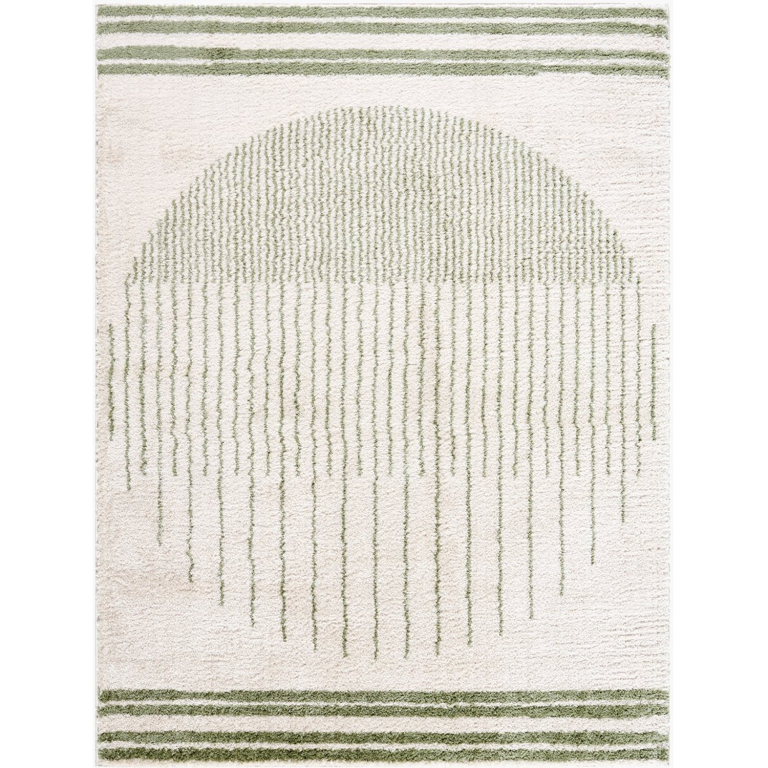
Conversely, washable rugs composed of natural fibers like wool and cotton command higher price points and heavier physical weight, which complicates the cleaning process as dimensions increase. Yet these natural alternatives offer superior visual depth, varying pile heights, and authentic tactile warmth, successfully bridging the gap between high-end interior design and everyday functionality.
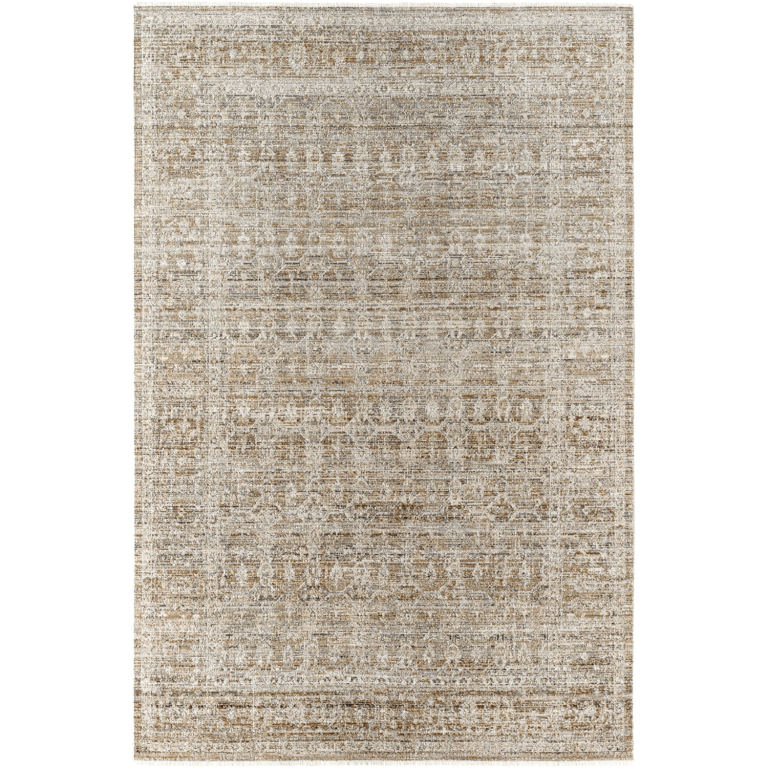
Care requirements also scale directly with the physical size of the textile. While smaller accent rugs easily fit into standard household washing machines, larger dimensions frequently exceed home load capacities. Certain manufacturers note that sizing from 5-by-8 feet up to 8-by-10 feet may require commercial laundry units with much higher weight tolerances, while oversized formats measuring 9-by-12 feet and above generally require professional spot-cleaning or dry-cleaning services. Furthermore, homeowners must verify whether specialized underlays are machine washable or restricted to spot treatment, a distinction that becomes critical when managing active households with children and pets.
Ultimately, the maturation of the washable rug industry reflects a broader shift in residential design, proving that convenience and sophisticated interior styling can coexist without permanent compromise.