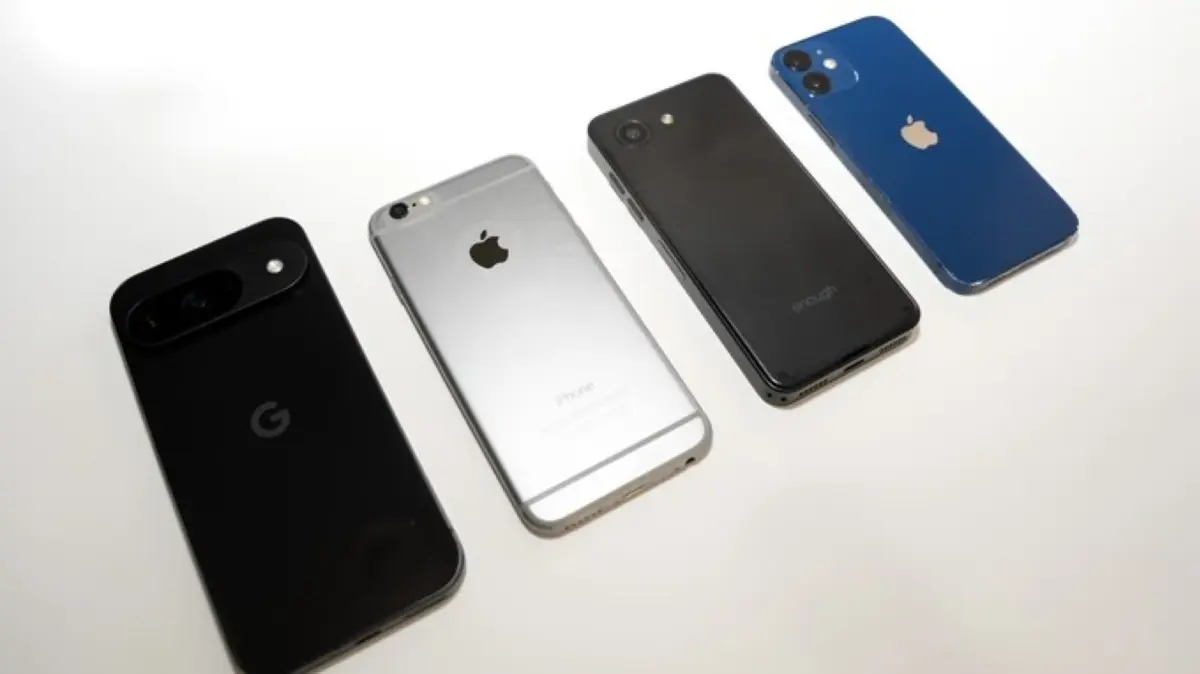
Yet, despite what major manufacturers like Apple and major Android developers would lead the public to believe, a dedicated segment of the consumer base still actively desires smaller, pocket-friendly hardware. For many users, devices like the iPhone 13 mini represented the pinnacle of ergonomic design—powerful enough to handle daily tasks while remaining compact enough to be comfortably operated with one hand. While mainstream sales figures ultimately proved insufficient to justify the ongoing production of those smaller tiers for major original equipment manufacturers, the demand persists in smaller, vocal communities.
While the current product roadmaps from tech giants show no signs of a sudden return to form-factor minimalism, the dream of the tiny smartphone is far from extinguished. Enter a new hardware venture dubbed "Enough," which is bringing an ambitious alternative to the market with a refreshingly humble mission: to design and manufacture a small, modern smartphone that simply provides enough of what users actually need, without the bloat of oversized screens.
Enough Phone Specs and Design Philosophy
At first glance, the device genuinely lives up to its compact aspirations. According to the development team, the upcoming phone measures 133 millimeters by 64 millimeters and sits at less than 12 millimeters thick. Translated into imperial measurements, that footprint equates to roughly 5.24 inches by 2.52 inches, with a thickness of under 0.47 inches.
These dimensions place the hardware in remarkably close alignment with the physical footprint of the iPhone 13 mini, which measures 5.18 by 2.53 inches and spans 0.3 inches in thickness. While the new hardware is projected to be a fraction larger overall and visibly thicker to accommodate internal components, it successfully recaptures that elusive "mini" silhouette that so many users have mourned.

The display, however, deliberately steps away from the bleeding edge of modern specifications. The hardware features a 5.3-inch screen operating at a resolution of 1520 by 720 pixels. While this resolution will certainly look less sharp to anyone transitioning from high-density panels like the 2340 by 1080 resolution found on newer compact iPhones, the target audience for this device is unlikely to be searching for ultra-sharp OLED performance anyway. Instead, the focus rests squarely on utility, hand-feel, and practicality.
Beneath the exterior, the hardware configuration is designed to punch above its physical weight class. The company intends to utilize a 2.4GHz MediaTek Dimensity 7500 processor paired with 8GB of RAM and 128GB of internal storage. Notably, the design includes a microSD card slot for expandable storage—a increasingly rare feature in the modern smartphone landscape. For imaging, the current prototype outlines a single 50-megapixel Sony IMX766 rear camera alongside a remarkably high-resolution 32-megapixel front-facing selfie camera, which would position it among the sharpest front shooters available on any mobile device. Connectivity features round out the package with support for 5G, Wi-Fi 6, eSIM, and a traditional physical SIM card slot.
Beyond raw specifications, the enterprise is placing a heavy emphasis on device longevity and user repairability. While mainstream manufacturers have made incremental strides toward sustainability in recent years, true modularity and user-serviceable components remain exceedingly rare. The hardware is intentionally engineered with accessible screws rather than excessive adhesives, and it features a fully user-replaceable 3,500 mAh battery. Coupled with software support commitments stretching through the year 2032, the creators intend for the device to remain viable well into the next decade.
It is worth noting that these hardware specifications currently represent targets, as the device remains firmly in the prototype stage of development. The creators acknowledge that final details may shift slightly as testing proceeds, though core design dimensions are expected to remain intact. In a uniquely creative touch, the development team also contracted composer Brian Squillance of the musical project LAANDS to produce custom ringtones and jingles specifically for the device.
Software Flexibility and Alternative Operating Systems
For prospective buyers accustomed to the Apple ecosystem, an important reality must be addressed immediately: this hardware is not an iPhone, and it will not run iOS. However, the device maintains a flexible approach to software that separates it from standard Android handsets as well.

Out of the box, users will have the option to purchase the device running Android 17. Alternatively, buyers can opt for OdysseyOS, a minimalist, "de-Googled" operating system developed by SLEKE. According to the creators, OdysseyOS is explicitly tailored for intentional phone use, making it an appealing option for consumers who are looking to downshift into a simpler, more deliberate digital lifestyle—effectively blending the concepts of a modern smartphone and a distraction-free "dumbphone."
For loyal Apple users who are unwilling to abandon iOS, the marketplace offers few remaining avenues. Remaining options are largely confined to purchasing a used or refurbished iPhone 13 mini, which Apple continues to support with software updates, or turning to the iPhone 17e as the most compact current offering in Apple’s lineup. While refurbished legacy models can still run contemporary software, they inevitably face a ticking clock regarding future operating system updates and modern hardware features.
Pricing and Availability
For consumers intrigued by the prospect of a pocket-friendly modern device, the project is currently being crowdfunded through Kickstarter. While initial early-bird pricing tiers have already sold out, additional backing options remain open to the public.
The standard early financial backing tier is priced at $449. This package includes a pre-installed glass screen protector, a protective case, a USB-C cable, a USB-C to 3.5mm headphone adapter, a specialized hex screwdriver, and distinctive green "Founders’ Edition" backplate screws to highlight early support. Following the conclusion of the crowdfunding campaign, the planned retail price for the device is slated to increase to $599.
Production milestones currently place the official launch of the device in May 2027, giving the engineering team ample time to refine their prototype into a finished product for small-phone enthusiasts around the globe.