Yet, for the other 350 days of the year, that room often sits empty and dormant—a silent, closed door in a home that could otherwise be put to daily use. This is a particularly poignant reality for the growing demographic of solo dwellers who find themselves maintaining multi-room properties primarily for themselves. Increasingly, these individuals are asking a straightforward question: Why keep a room perpetually preserved for guests who might only visit a couple of times a year?
According to the newly released 2026 Taskrabbit Trend Report, the answer is a resounding shift toward personal utility. Solo homeowners and renters are no longer viewing their spare rooms as temporary staging grounds for future shared living arrangements or hosting duties. Instead, they are aggressively reclaiming that square footage, transforming neglected guest spaces into dedicated, highly personalized hubs for hobbies, wellness, and professional pursuits.
The data highlights a dramatic pivot in how people utilize residential space when they have complete autonomy over their floor plans. Taskrabbit reports that booking requests related to the creation of podcast studios have skyrocketed by an astonishing 90 percent year over year. Home gyms have seen a substantial 59 percent increase, while residential saunas are up 35 percent, and dedicated craft rooms have grown by 33 percent.
This widespread architectural and lifestyle evolution is part of a broader cultural movement that Taskrabbit has dubbed "The Independent Home." In this new paradigm, people living alone are investing deeply in the functionality, comfort, and emotional resonance of their current living spaces. Rather than waiting for a partner, roommate, or future milestone to justify major home improvements, solo dwellers are treating their residences as permanent, fully realized sanctuaries worth investing in right now. Without the need to negotiate layout, aesthetic, or function with another person, the architectural possibilities for a spare room are practically limitless.
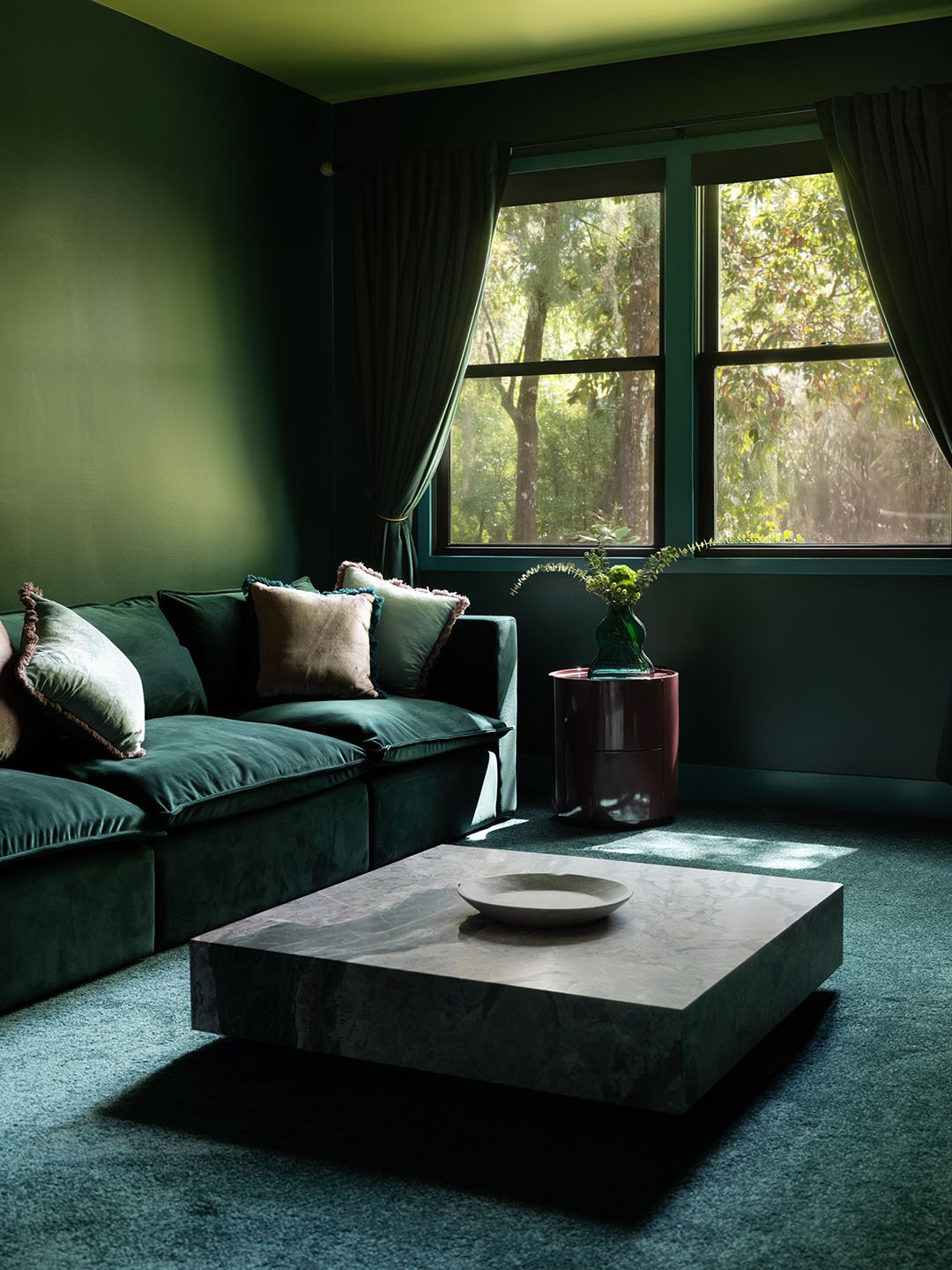
The phenomenon extends far beyond the most extreme transformations, such as installing a cold plunge or building a professional-grade acoustic recording booth. Everyday homeowners are finding creative middle grounds that balance their personal passions with occasional hosting needs. Across the country, former guest bedrooms are quietly morphing into moody home theaters, immersive reading retreats, sewing and textile studios, or expansive creative workshops where projects can be left out on a table without needing to be frantically cleared away before dinner.
This balance between hosting capabilities and personal lifestyle enhancement points to a more flexible, forgiving approach to home design. Extra square footage no longer needs to be sacrificed to an idealized version of traditional hospitality. Instead, homeowners are realizing that a space can serve dual purposes, or that prioritizing their own daily well-being is a far more efficient use of domestic real estate.
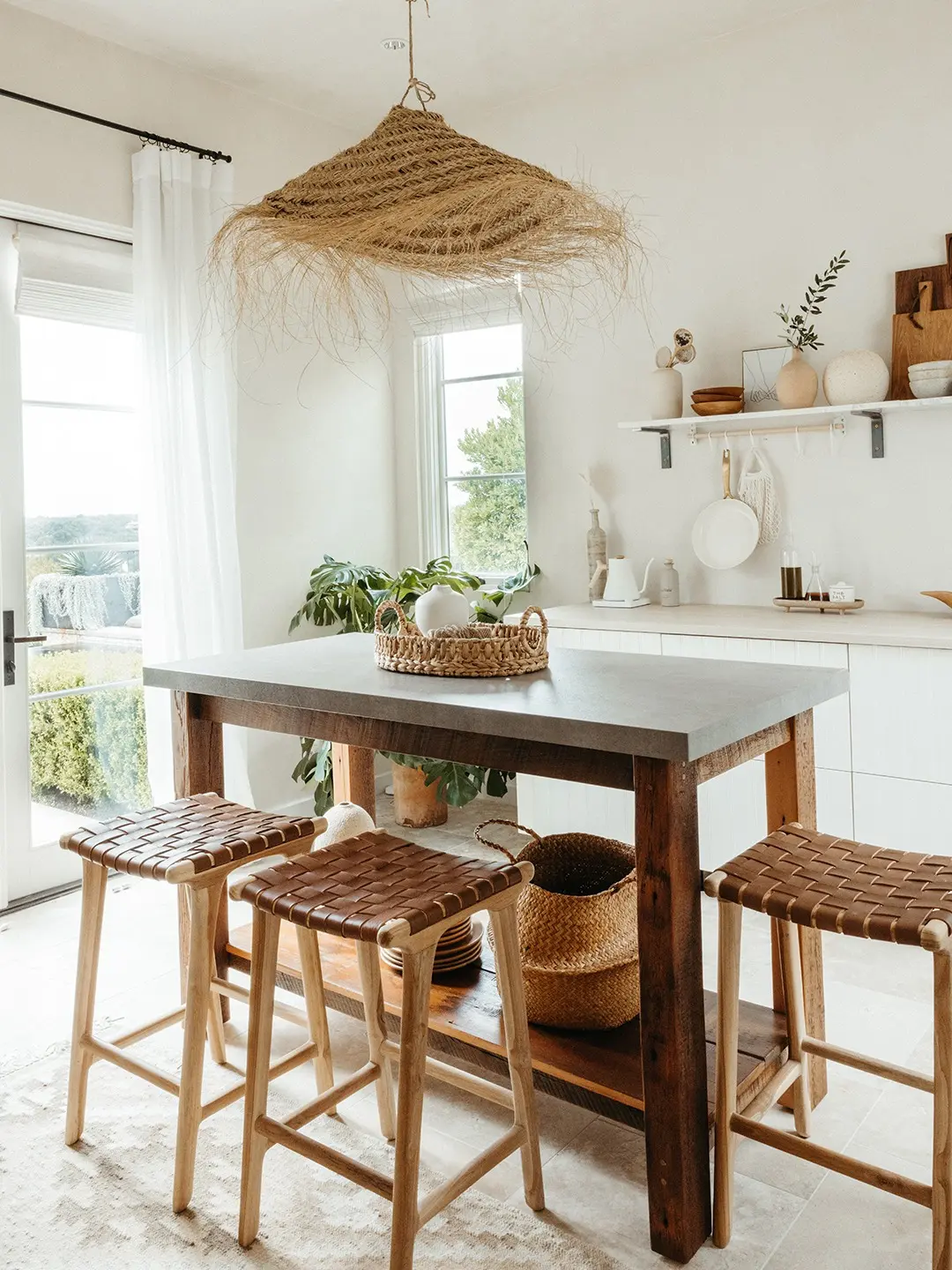
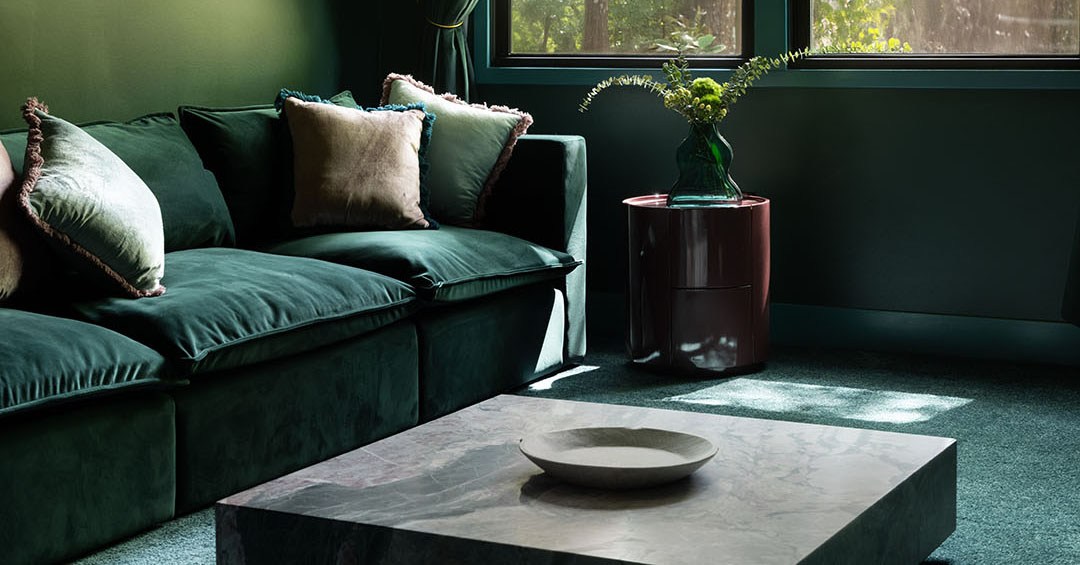
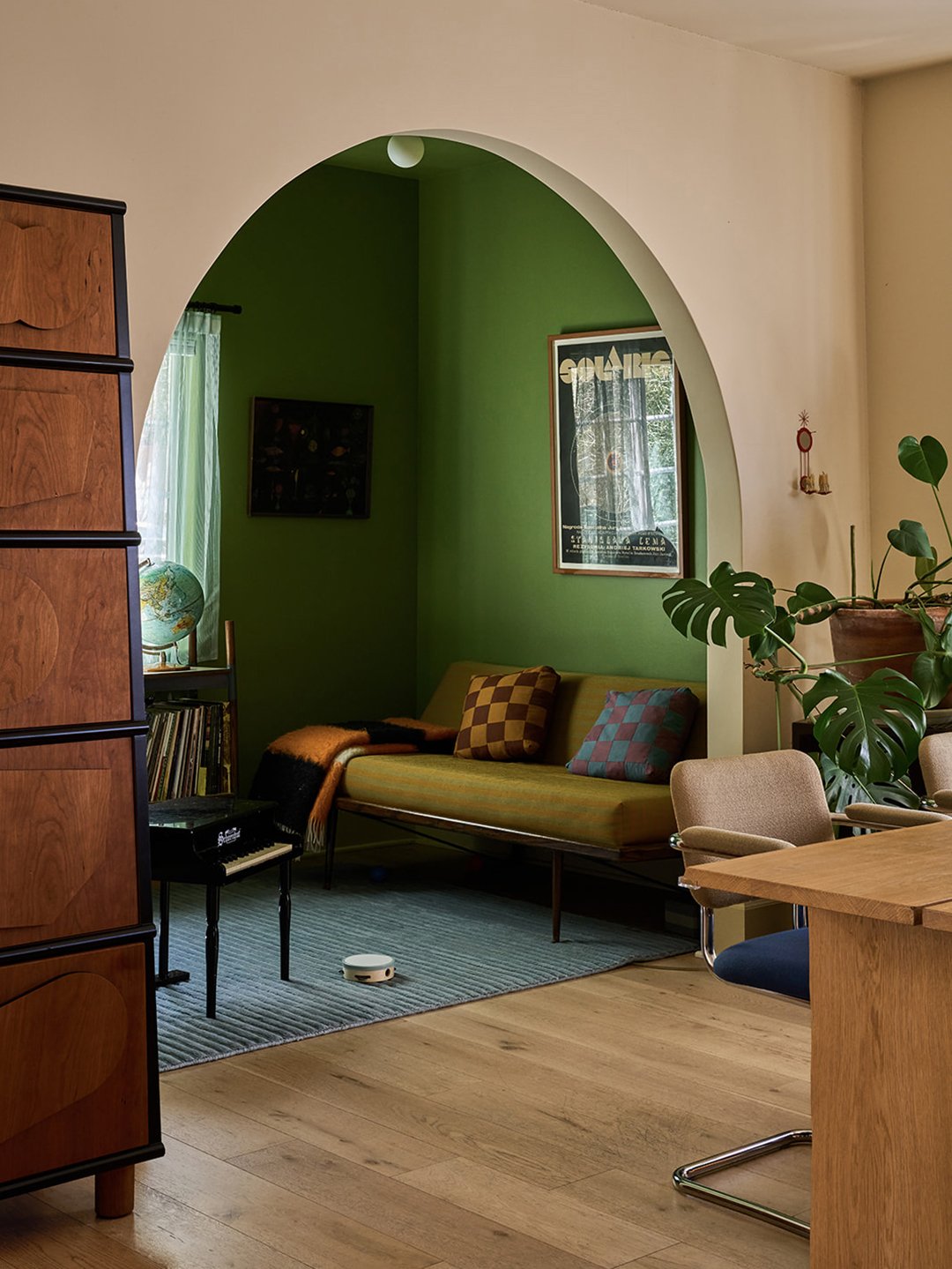
Consider the creative re-imaginings captured in recent design projects, which reflect this growing ethos. In Florida, one homeowner chose to swap out a standard guest room for a deeply atmospheric, moody home theater, prioritizing cinematic entertainment over a spare mattress. In a distinctly artsy Los Angeles property, an awkward, underutilized architectural pocket was successfully converted into a dedicated music room, turning dead space into an inspiring acoustic haven. Meanwhile, lifestyle personality Camille Styles famously transitioned her barely used guest bedroom into a functional creative studio complete with a partial kitchen, proving that utilitarian upgrades can seamlessly blend productivity with everyday living.
Ultimately, the trend points toward a larger cultural re-evaluation of what a home is meant to achieve. For solo dwellers navigating modern life, the spare bedroom is shedding its traditional obligations. By trading guest readiness for personal fulfillment, homeowners are transforming empty rooms into vibrant centers of creativity, wellness, and self-expression, ensuring that every square foot of their living space works just as hard as they do.