
The foundation of a cat’s temperament is laid down remarkably early in life. Felines experience a critical and sensitive period for socialization between the ages of approximately two and seven to nine weeks. During this narrow window, a kitten’s brain undergoes rapid development, absorbing sensory inputs and environmental cues at an astonishing rate. Exposure to a wide range of positive, non-threatening experiences during this formative time helps steer them toward becoming friendly, confident, and well-adjusted adult cats. Because ethical guidelines dictate that kittens should remain with their mothers and littermates until they are at least eight weeks old—and often longer, as later separation frequently correlates with better emotional stability—understanding what happens during those initial weeks is paramount for anyone planning to adopt.
Whoever is entrusted with raising kittens during this delicate phase carries a significant responsibility. Caretakers must actively introduce the young animals to the varied people, animals, and household objects they are likely to encounter later in life. Early, positive interactions with human visitors are particularly vital for teaching kittens that people are safe and approachable companions. Scientific research underscores the long-term impact of these early interventions. Studies, such as those conducted by researchers Casey and Bradshaw in 2008, alongside more recent insights published by D.C. Turner in 2021, demonstrate that well-socialized kittens exhibit distinct behavioral advantages. When they reach one year of age, these cats tend to spend more time in close proximity to people and display a markedly easier ability to learn to trust new human acquaintances compared to those lacking adequate early exposure.
This socialization process extends far beyond human contact. Experts emphasize that kittens should ideally be raised within a bustling household environment rather than isolated spaces like a garden shed, ensuring they naturally absorb the everyday auditory backdrop of domestic life. Animal shelters and rescue groups frequently utilize foster networks to provide this home-like setting. Even when organizations are forced to raise litters within a traditional shelter facility, professional staff and volunteers are increasingly taking deliberate steps to habituate kittens to common household noises, such as the hum and spin of a washing machine.
Evaluating the environment also involves looking at the kitten’s immediate family. Prospective owners are encouraged to meet the mother cat and observe her demeanor, verifying that she is friendly and comfortable around people. While meeting the father is rarely possible in shelter environments, it is often feasible with pedigree breeders, where checking for a similarly amicable and sociable disposition in the sire is recommended. Beyond temperament, health remains a top priority. Ensuring that both the mother and the kittens are in robust health is essential, and because chronic stress can severely impact both physical and behavioral well-being, verifying that they have been raised in a calm, relaxed environment is equally critical.
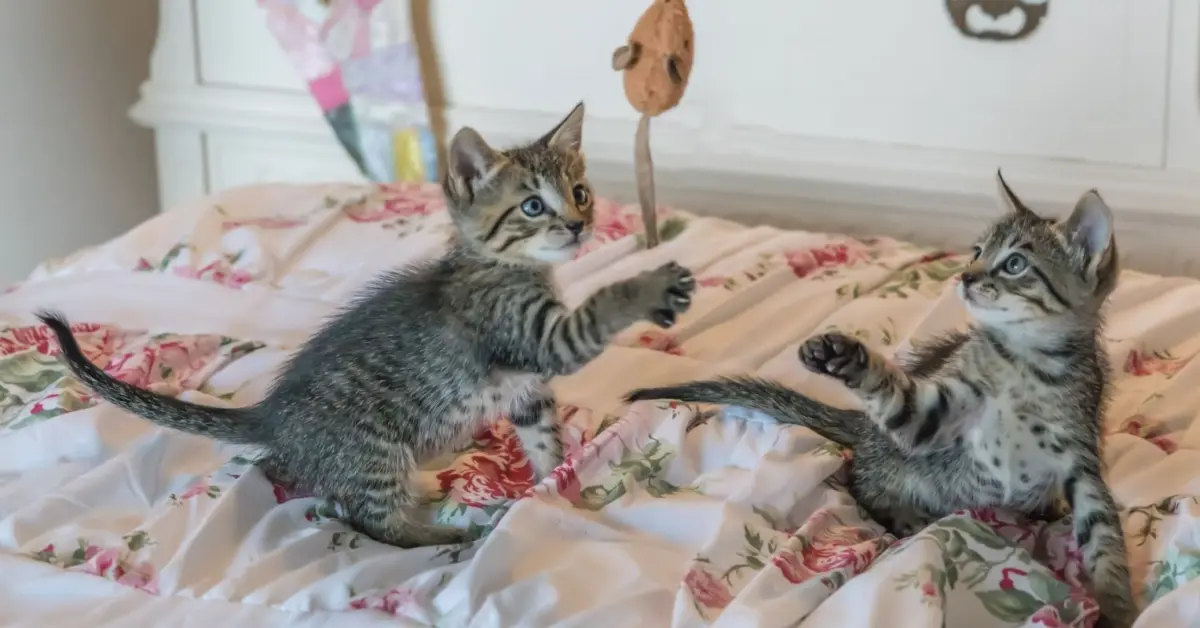
The decision to adopt a single kitten versus a pair also warrants careful consideration. Kitten play reaches its developmental peak during those early weeks following their transition into a new home, typically continuing intensely until around fourteen weeks of age. During this time, bonded pairs spend countless hours wrestling, chasing, and tumbling together. This play is far from mere entertainment; it serves a crucial developmental function, allowing young cats to practice essential motor control, refine predatory behaviors, and master complex social skills. Furthermore, for households desiring multiple feline companions, adopting a bonded pair of kittens from the start successfully bypasses the territorial friction and behavioral hurdles that frequently arise when an unfamiliar cat is introduced to an established household later on.
Once the kitten or kittens finally arrive at their permanent home, the responsibility shifts to the new owner to build upon those early experiences and ensure the continuation of positive interactions. Experts stress the importance of granting young cats complete agency and choice regarding whether or not they wish to interact with people and objects. Because kittens are exceptionally small and undeniably cute, well-meaning owners often subject them to relentless handling regardless of the animal’s immediate desires. Monitoring a kitten’s body language for subtle signs of discomfort or withdrawal is essential, and forced handling should be strictly avoided to prevent the development of fear or resentment.
This transition period also offers a prime opportunity to gently habituate the young cat to necessary future care routines, such as grooming, tooth brushing, and having their paws handled for nail trims. However, animal behaviorists advise keeping these handling sessions brief, breaking them down into manageable steps designed to be genuinely enjoyable for the kitten. Rather than abruptly attempting to brush a cat’s teeth, owners are encouraged to spend time acquainting the animal with the toothbrush, the pet-safe toothpaste, and gentle mouth-handling as separate, positive experiences before combining them. Integrating treats, playful interactions, and soothing petting helps cement these routines as pleasant events rather than stressful chores. Forcing a kitten into compliance carries a severe risk of triggering long-lasting fear, as negative experiences during youth can leave permanent psychological marks. Consequently, maintaining a relaxed, pleasant, and patient atmosphere is vital.
For owners seeking additional guidance, community resources such as kitten kindergarten classes are growing in popularity, offering valuable educational opportunities for both the pet and the human. Although such specialized classes can sometimes prove difficult to locate depending on the region, dedicated owners can turn to reliable veterinary and behavioral literature to deepen their understanding of feline communication and needs. By actively learning how to interpret cat behavior and provide appropriately for their physical and emotional requirements, owners can build a deeply rewarding, harmonious relationship that flourishes over the course of their cat’s life.