
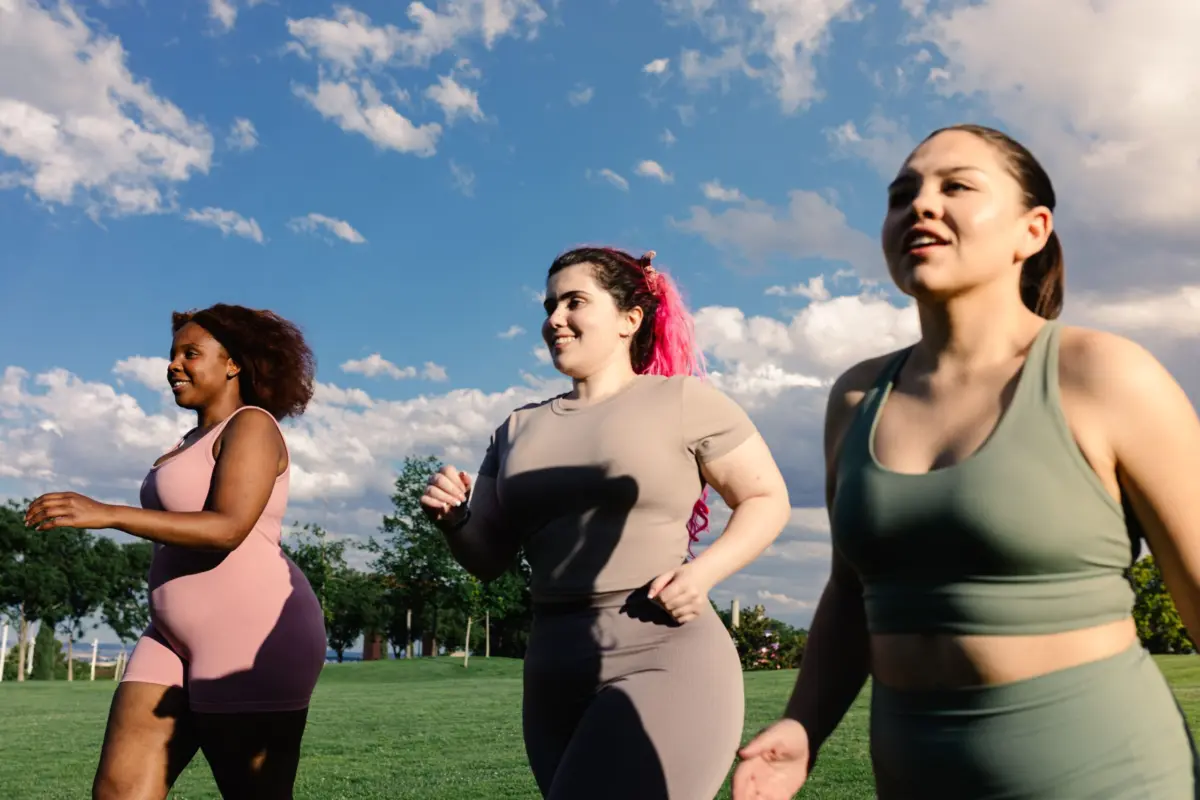
Patients primarily turn to GLP-1s to achieve significant weight loss, treat type 2 diabetes, or manage other complex, long-term health conditions. While these medications have proven remarkably effective for shedding pounds and controlling chronic illnesses, medical professionals emphasize that they are far from a standalone cure-all.
"Essentially, they are a tool," explains Dr. Yuval Pinto, an obesity medicine specialist with the Johns Hopkins Healthful Eating, Activity, and Weight Program. Approximately 98% of Dr. Pinto’s clinical patients are currently prescribed GLP-1s, and he consistently stresses to every single one of them that the medication must be paired with specific lifestyle modifications to maximize its long-term benefits. At the center of those necessary habits is regular physical movement.
Why Regular Movement Is Key for Anyone on GLP-1s
First and foremost, exercise and general physical activity are essential to human existence and longevity, Dr. Pinto notes. This fundamental truth holds whether an individual is taking a pharmaceutical intervention or not. Regular physical exertion is linked to a broad spectrum of well-documented health benefits, including enhanced cardiovascular function, better sleep quality, improved digestion, and a more stable mood.
However, the primary reason structured movement is so vital for people taking GLP-1s relates to the nature of rapid weight reduction. When a person loses weight through any mechanism—whether via medication, bariatric surgery, or a dedicated diet and exercise program—the body drops fat mass, but it inevitably loses some muscle and bone mass along the way, Dr. Pinto explains.
If an individual sheds too much muscle and bone mass, they face a substantially increased risk of developing debilitating conditions later in life. These include sarcopenia, characterized by dangerously low muscle mass and frailty; osteopenia, or low bone density; and full-blown osteoporosis, which leaves bones weak and brittle. This reality is particularly concerning for women, who already face an elevated baseline risk of losing muscle and bone mass during middle age and later life due to hormonal shifts during perimenopause and menopause.
Fortunately, targeted physical activity offers a powerful countermeasure. Strength training, when properly combined with adequate nutrition and sleep, can actively preserve—and in some cases even increase—bone and muscle mass, according to Dr. Pinto. Another way to frame the process is that while taking a GLP-1 facilitates overall weight loss, pairing the medication with intentional exercise sends biochemical signals to the body dictating precisely where that weight loss should originate.
Specifically, strength training tells the body to retain its muscle, notes Kelyssa Hall, an exercise physiologist and certified strength and conditioning specialist at the Hospital for Special Surgery. Furthermore, strength training helps maintain a healthy resting metabolic rate, which dictates how much energy the body burns while at rest. It also promotes structural stability throughout the joints and significantly lowers the risk of injury during everyday activities, making it an indispensable recommendation for patients navigating a GLP-1 regimen.
To complement strength-training routines, Hall also strongly advocates for dedicated flexibility work. Flexibility training plays an integral role in maintaining high-quality movement patterns during periods of rapid weight loss, which naturally helps reduce the likelihood of injury. When a person undergoes significant body changes, their movement mechanics can shift. Flexibility exercises ensure that joints and muscles move through their full, healthy range of motion, allowing individuals to lift weights with safe, effective form.
In addition, when individuals engage in strength training while maintaining a caloric deficit, their muscles can easily become stiff, overworked, or prone to compensatory movement patterns. Mobility work counteracts this by lengthening tight tissues and preventing muscular imbalances from taking root. Beyond strength and flexibility, Hall recommends maintaining a consistent cardiovascular routine to promote overall heart health, enhance metabolic function, improve insulin sensitivity, and support steady fat loss.
Outside of structured workouts, experts emphasize the importance of incorporating consistent movement throughout the entirety of the day to support a healthy metabolism. This concept is known as Non-Exercise Activity Thermogenesis, commonly referred to as NEAT. When looking at total daily energy expenditure, NEAT actually accounts for a larger percentage of the calories the body burns than structured exercise alone, notes Dr. Pinto.
NEAT encompasses all the low-intensity tasks of daily life, such as walking a dog, cleaning the house, or taking the stairs instead of the elevator. By prioritizing NEAT while on a GLP-1, patients can improve their chances of achieving healthy, sustainable weight loss while seamlessly integrating movement into their daily lives. Furthermore, incorporating regular walking helps combat excessive fatigue, which is one of the more common side effects reported by individuals taking GLP-1 medications.
Navigating Exercise Recommendations and Practical Application
Determining the ideal amount of physical activity depends heavily on personal context. The exercise parameters often suggested by specialists draw heavily from the broader guidelines established by the American College of Sports Medicine for all adults, rather than a one-size-fits-all prescription for GLP-1 users. The right program depends on numerous individual factors, including age, biological sex, current health status, access to equipment, and daily schedule availability.
As Dr. Pinto points out, an 88-year-old woman experiencing minor monthly weight fluctuations requires a vastly different physical activity prescription than a young adult who visits the gym multiple times a week. Consequently, guidelines should be viewed as adaptable principles rather than rigid rules, and patients should always consult their primary physician before launching any new exercise regimen to ensure safety.
For strength training, experts often advise aiming for two to four sessions per week, utilizing eight to ten exercises designed to work the entire body. Performing three sets of eight to 12 repetitions per exercise serves as a solid baseline. Beginners are encouraged to start with light weights and gradually progress to moderate loads once proper form is firmly established. Moderate effort can be gauged on a scale of zero to ten, where a score of five or six represents a workload where the prescribed repetitions feel manageable but challenging. Once that level feels routine, individuals can advance to a moderate-to-high intensity level of seven or eight.
Flexibility training should ideally be incorporated at least three times a week. This category can encompass conventional stretching, yoga flows, foam rolling, and the use of supportive tools such as massage devices, balls, and sticks. Meanwhile, cardiovascular exercise should aim for at least 150 minutes per week of moderate-intensity activity, broken down into 30-minute sessions five days a week, or at least 75 minutes of vigorous activity spread across three days. Acceptable cardio modalities include any activity that sustainably elevates the heart rate, such as brisk walking, jogging, hiking, swimming, cycling, dancing, or high-intensity interval training.
To optimize success, specialists recommend tailoring the approach based on individual preferences and physiological responses. Selecting a workout style centered around activities a person genuinely enjoys is the most reliable way to maintain long-term consistency. If traditional gym-based weightlifting feels unappealing, home-based resistance band exercises offer a viable alternative. Similarly, those who dislike jogging can turn to cycling or swimming.
Patients must also remain mindful of common GLP-1 side effects, such as nausea, reduced appetite, dehydration, and fatigue, which may require temporary modifications to their routines. Scaling back the duration or intensity of a workout can prevent overexertion, as longer and harder sessions are not always superior. Training shortly after consuming a small meal rather than during a fasting period can also enhance performance, while consistent hydration supports recovery and mitigates muscle cramping.
Ultimately, medical experts reiterate that physical movement represents just one component of a broader, multifaceted approach to health. Coupling a GLP-1 with regular exercise is vital for maximizing physical gains, but it must be supported by foundational habits surrounding nutrition, restorative sleep, mood regulation, social engagement, and stress management. Together with physical activity, these elements form the core pillars of long-term health and wellness.