
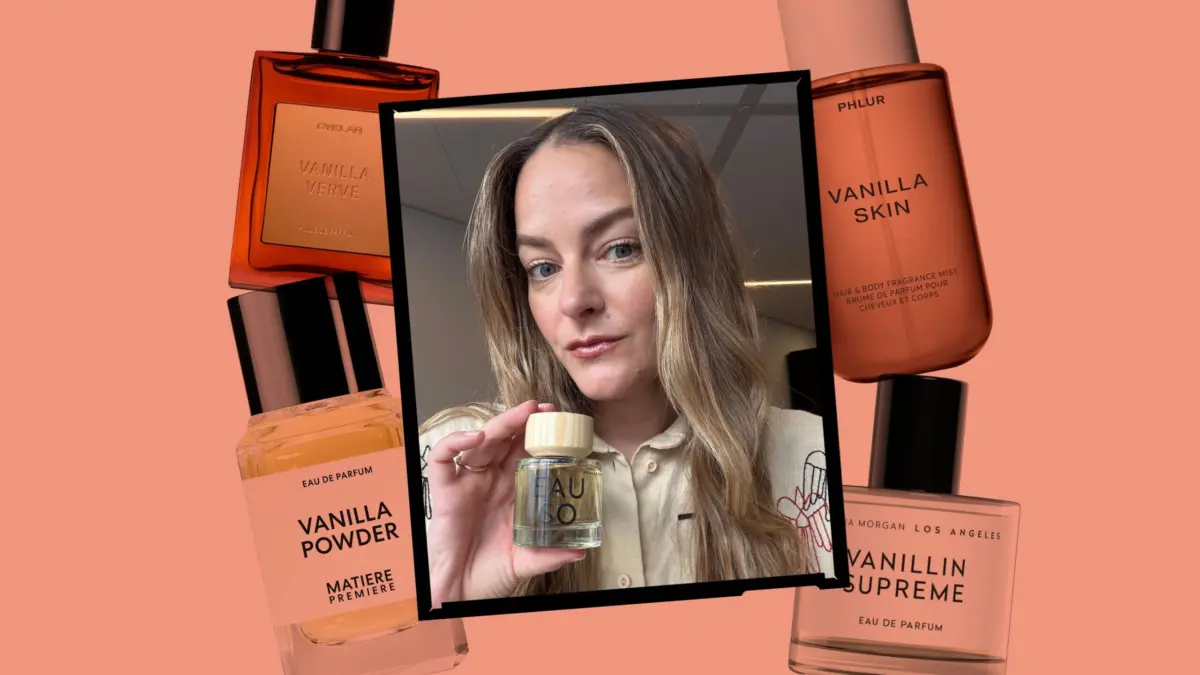
To understand why this beloved note transforms so dramatically from person to person, industry experts and master perfumers point to the intricate interplay between individual biology and chemical composition. Delphine Jelk, a master perfumer and the creative director of fragrance at Guerlain, sheds light on the science behind our unique olfactory signatures. According to Jelk, the variation is not exclusive to vanilla, but it is certainly pronounced within it.
"Depending on one’s own scent, natural skin oils, and pH, perfume notes can be brought out differently because everyone’s skin composition is unique," Jelk explains. This means that two people wearing the exact same formulation can project entirely different profiles to the world.
The underlying chemistry of the wearer’s skin acts as an active participant in how a fragrance develops. For instance, skin that leans more acidic can interact with vanilla compounds to pull out sharper, spicier dimensions that subvert the note’s traditional sweetness. Conversely, on other individuals, the same fragrance may bloom into something profoundly warm, rich, and syrupy.
Furthermore, environmental and physiological factors—most notably body temperature—play a critical role in the lifespan and projection of a perfume. While gourmand notes are traditionally marketed toward colder autumn and winter months, Jelk notes that vanilla can effortlessly transition into warmer weather. This is largely because elevated body temperatures naturally amplify heavier base notes, allowing warm, resinous ingredients like vanilla and amber to radiate more intensely off the skin. This dynamic behavior helps explain why beauty editors and fragrance enthusiasts frequently rely on vanilla as a versatile, year-round signature rather than a seasonal novelty.
Beyond the science of skin chemistry lies the art of application, an arena where traditional rules are rapidly giving way to modern personalization. For decades, fragrance enthusiasts were taught to find a single signature scent and wear it exclusively. Today, however, the approach to wearing multiple scents has evolved into a more sophisticated practice.
Jelk suggests moving away from strict conventions, noting simply that "there are no rules with fragrance." Rather than traditional layering—a term that often implies spraying one perfume directly on top of another in search of a new hybrid accord—Jelk advocates for a concept she calls "fragrance wardrobing."
This technique treats scent not as a monolithic product, but as a wardrobe of complementary pieces designed to create a personalized olfactory trail. Instead of compounding scents on the exact same patch of skin, fragrance wardrobing encourages strategic placement across the body and garments. Jelk’s preferred method involves applying one specific scent to the wrists, another to the neck, and perhaps a third to the clothing. This spatial distribution allows different notes to interact subtly in the air rather than competing directly on a single micro-area of skin, enabling the wearer to curate a dynamic and evolving scent profile reminiscent of putting together a thoughtful fashion ensemble.
Developing a deeper understanding of how these fragrances perform requires a rigorous, multi-faceted evaluation process. In the broader beauty and wellness publishing industry, assessing high-end and accessible fragrances alike demands a comprehensive review framework that looks far beyond initial marketing claims. Professional product testing in the fragrance sector typically involves a diverse panel of editors, writers, and industry contributors spanning various skin tones, genders, and dermatological backgrounds to account for the very biological variables that influence how a scent smells.
When establishing the merits of top-tier perfumes, evaluation methodologies generally focus on several core pillars: the quality and provenance of the ingredients, the wear time and longevity of the formulation on diverse skin types, the design and functionality of the packaging, and the overall inclusivity of the brand’s reach and testing pool. By incorporating insights from professionals across related scientific fields—including dermatology, cosmetic chemistry, and medicine—experts can properly vet formulas to ensure they meet high standards of safety and performance.
Ultimately, the enduring appeal of vanilla and the personalized ritual of fragrance wardrobing underscore a broader shift in modern beauty culture. Fragrance is no longer viewed as a static accessory, but as a deeply intimate, highly individualized extension of personal identity. As master perfumers continue to innovate and consumers become more attuned to the chemical dialogues happening between their skin and their favorite bottles, the way we experience scent remains as diverse and multifaceted as the individuals wearing it.