Looking Back at Literary History: The Infamous Premiere of Chekhov’s The Seagull
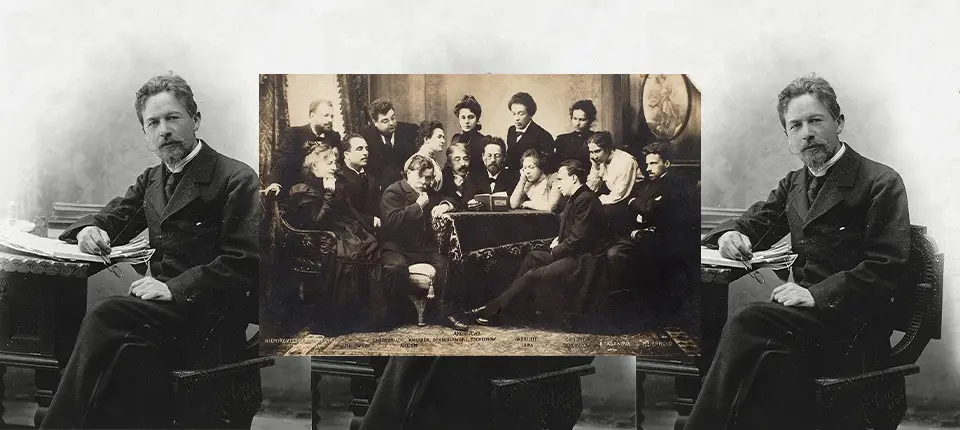
Fortunately for world literature, Chekhov did not stick to his vow. The Seagull eventually found its rightful place in the theatrical canon following its triumphant revival by the Moscow Art Theatre under the direction of Konstantin Stanislavski, cementing its legacy as a masterpiece of modern drama. Yet, this historic anniversary serves as a reminder of the fragility of artistic creation and the often-rocky road between a radical new vision and public acceptance—a theme that continues to resonate across contemporary writing, publishing, and cultural discourse.
Exploring Current Conversations Across the Literary Landscape
The broader literary internet this week reflects that same complex tension between artistic ambition, historical reckoning, and the modern realities of the publishing world. From deep-dive author interviews and essential book recommendations to urgent socio-political commentaries, readers and writers are engaging with a wide array of compelling subjects.
Among the standout conversations on Lit Hub, Adam Johnson sits down with fellow acclaimed author Amitav Ghosh to discuss The Wayfinder, exploring the many intricate ways a single story can be told, shaped, and perceived by different audiences. The dialogue touches on the responsibilities of the storyteller, the mechanics of narrative construction, and how literature continues to map human geography across borders.
In the realm of non-fiction and cultural critique, writers are grappling with some of the most pressing geopolitical and social issues of our time. Contributors examine how the ongoing devastation and genocide in Gaza have fundamentally reshaped the Middle East, altering political landscapes, human rights paradigms, and the collective consciousness of the region. Relatedly, cultural commentators explore the mechanisms of systemic power and resistance, from the historical shadows of medieval European witch hunts—which saw the systemic slaughter of non-conformist women—to the contemporary economic pressures driving the housing crisis. On the housing front, experts unpack why rent prices remain exorbitantly high, pointing not just to traditional market forces, but to greed-driven corporate algorithms designed to maximize landlord profits at the expense of tenants.
The intersection of technology, culture, and commerce remains a prominent flashpoint for creators. A particularly sharp inquiry addresses a glaring contradiction in the modern publishing industry: why major publishing entities are aggressively suing big tech companies over copyright and data scraping while simultaneously embracing artificial intelligence tools within their own workflows. This duality raises profound questions about the future of human authorship, intellectual property, and labor rights in the digital age.
Personal Narratives, Historical Legacies, and Poetic Voices
Beyond macro-level industry critiques, the literary web offers intimate explorations of personal history, grief, and unexpected companionship. In a poignant memorial piece, Josefine Kals remembers the late writer, professor, and pen pal Stephen Dixon, celebrating his distinct literary voice and the personal bonds he forged through the written word. Similarly, E. L. Shen shares her journey of coming to terms with and seeking to understand her assassinated ancestor through the deeply therapeutic and investigative act of writing about him.
Other personal reflections take a more whimsical yet deeply introspective turn, such as an essay exploring what forming a close relationship with a rescue raccoon can teach a person about boundaries, patience, and self-discovery. In the realm of politics and mentorship, civil rights leader Al Sharpton reflects on the enduring legacy and profound personal impact of his mentor, Jesse Jackson, while analyst Anand Giridharadas examines how Sharpton himself has worked for decades to shape and steer narratives of justice in America.
Local and underrepresented histories also take center stage this week. Readers are introduced to Biddy Mason, the remarkable Black matriarch who played a foundational role in helping to build early Los Angeles through resilience, entrepreneurship, and community leadership. Meanwhile, in explorations of place and identity, Melissa King reflects on what cooking and care meant growing up Cantonese-American in Southern California, and writers strive to move past the endless, flattened stereotyping of rural America to reveal a landscape where rural life means something entirely different to everyone who experiences it.
Poetry, Publishing Trends, and Critical Reading
Poetry and the arts continue to find vibrant expression across the literary internet. Eric Amling shares his evocative new poem, “Cruise Control,” offering readers a dose of contemporary verse. Concurrently, film and literary critics analyze what three recent movies reveal about contemporary cultural perceptions of poets and poetry, questioning whether society views the poet as a romantic outcast, a cultural archivist, or an endangered species.
For those looking to expand their reading lists, the week is rich with curatorial guidance. Bonnie Jo Campbell shares her favorite literary ghost stories—seven atmospheric tales guaranteed to haunt the unsuspecting reader—while David Naimon opens up his annotated nightstand to reveal what he is currently reading and what is next on his TBR pile.
Translation and international perspectives also receive vital attention. Oksana Lutsyshyna offers a curated guide to essential new Ukrainian literature, highlighting the vital work of witnessing and storytelling by contemporary authors Artur Dron, Andriy Lyubka, and Lena Lyagushonkova amidst ongoing national trauma. Jonathan Cheng provides a sharply focused reading list of five essential books for understanding North Korea’s pervasive cult of personality, and another feature explores five essential texts required to understand the complex history of the Venetian ghetto and Jewish history.
On the commercial and critical front, the latest Independent Press Top 40 Bestsellers list highlights the most successful fiction and nonfiction titles circulating through independent bookstores, offering a snapshot of what discerning readers are buying and championing. Complementing these lists are the week’s best-reviewed books, alongside expert advice from authors like Bonnie Garmus—who speaks with Jane Ciabattari about crafting a coming-of-age novel centered on poets and poetry—and Peter Brown, who breaks down the secret ingredients that make a children’s book a truly great read-aloud experience.
As the literary community navigates everything from the perils of corporate algorithms and the ethics of AI to the quiet, enduring power of a well-crafted sentence in a messy notebook, the digital literary space remains a bustling hub of debate, mourning, discovery, and celebration.