The Goldsmiths Prize, which was launched in 2013, has established a distinct reputation in the contemporary literary landscape. Its core mission is to reward fiction that breaks the mold or extends the possibilities of the novel form. Over the past decade, the prize has celebrated some of the most innovative and boundary-pushing voices in modern literature. Previous winners include celebrated authors such as Ali Smith, Kevin Barry, Eimear McBride, and Rachel Cusk, among others. Administered in association with Goldsmiths, University of London, the prize comes with a £10,000 purse designed to support and encourage adventurous storytelling.
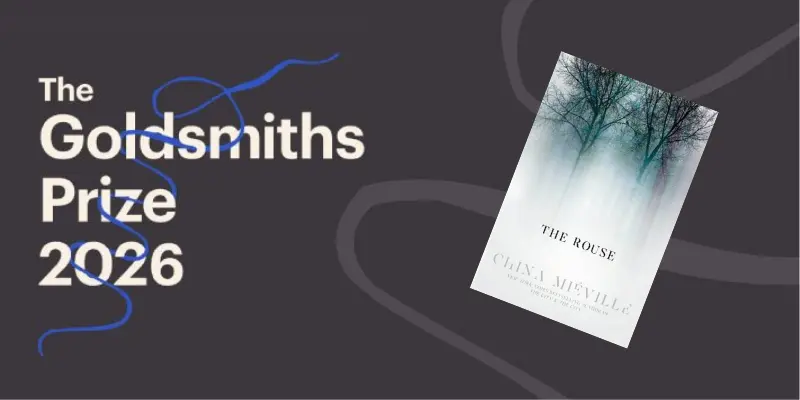
This year’s judging panel brought together a diverse group of literary figures who evaluated a competitive shortlist of inventive works. The jury was chaired by Francis Spufford and included Kate Briggs, Hari Kunzru, and David Sexton. After careful deliberation, the panel selected Miéville’s The Rouse as the standout winner of the 2013-established prize cycle, praising its fearless approach to storytelling and form.
Explaining the unanimous decision of the panel, jury chair Francis Spufford highlighted the extraordinary qualities that set Miéville’s novel apart from an already formidable field of competitors. In a statement released following the announcement, Spufford noted the panel’s perspective on the winning book, stating that while all the shortlisted books were excellent, it felt only right to give this year’s Goldsmiths Prize to the one that, in terms of ambition, bold use of history, linguistic experiment, and sheer scale, broke most explosively with expectation.
The Rouse emerged victorious against a fiercely competitive shortlist featuring five other highly regarded and formally adventurous works of contemporary fiction. The fellow shortlisted books this year included Polly Barton’s What Am I, A Deer?, Doireann Ní Ghríofa’s Said the Dead, Keith Ridgway’s Dooneen, Aea Varfis-van Warmelo’s Attention Seeking Behavior, and Missouri Williams’s The Vivisectors. Together, the shortlist underscored the continued vitality of the Goldsmiths Prize, which remains one of the most adventurous and rambunctious prizes in modern literature
.
For readers who have not yet dug into The Rouse, the prize win serves as another strong encouragement to explore its pages. Reviewers and literary commentators who have engaged with the novel describe it as a truly mold-breaking book, standing unlike anything else readers have ever encountered, and perhaps unlike anything they ever will read again. The novel’s unique blend of historical engagement, linguistic daring, and expansive scale exemplifies the exact qualities the Goldsmiths Prize was created to champion over a decade ago.
As the literary world reacts to this year’s win, the Goldsmiths Prize continues to cement its status as a vital incubator for experimental fiction, pushing writers to take risks and challenge the traditional boundaries of the novel form. With China Miéville claiming the 2024 prize for The Rouse, the award adds another landmark title to its celebrated history of literary innovation.