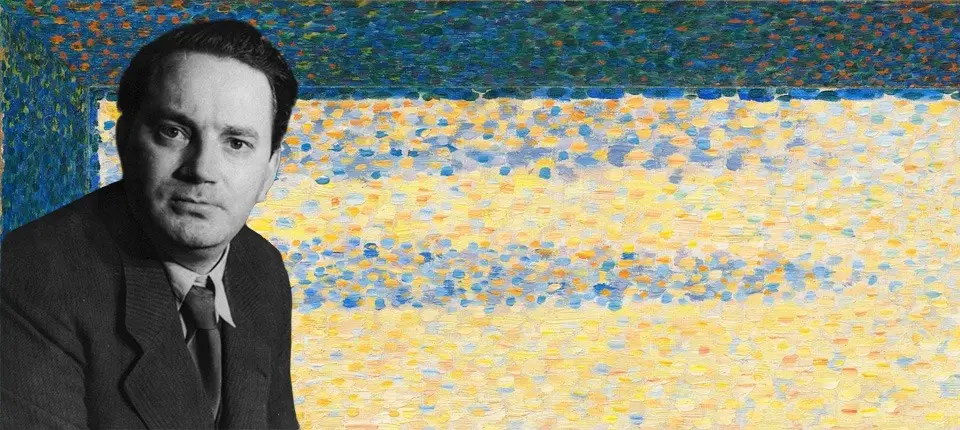
Marking a notable historical milestone, today commemorates the birth of American literary icon Thomas Wolfe in 1900. Known for his sprawling, deeply autobiographical novels that captured the restless energy and immense scale of the American landscape, Wolfe’s enduring legacy remains a touchstone for discussions on ambition and regional identity in fiction.
Contemporary Anxieties and Cultural Critiques
The cultural conversation this week heavily features meditations on modern uncertainties, ranging from the supernatural to the geopolitical. Amid ongoing discussions about the state of the modern psyche, writers are examining why recent ghost stories have found such resonance, suggesting that contemporary anxieties are manifesting in narratives of haunting and unresolved pasts. Complementing this mood of unease, author Angela Flournoy recently sat down to discuss her work, exploring the intricate intersections of class, economic instability, and the pervasive influence of the internet age in her writing.
Geopolitical critique also takes center stage with reflections on the historical roots of modern conflict and foreign policy. William T. Vollmann offers a rigorous examination of American foreign policy, attempting to excavate its trajectory from the Cold War through the War on Terror. In a parallel critique of media narratives, commentators have drawn sharp parallels between the mechanisms used by the American media to manipulate public support during the invasion of Iraq and the framing surrounding contemporary conflicts and humanitarian crises, such as the devastation in Gaza.
Technological anxieties and institutional power structures are similarly under scrutiny. Silicon Valley and the ideological underpinnings of major tech conglomerates are examined in critical pieces arguing that modern tech oligarchs harbor a deep-seated resistance to democratic principles. On a structural level, discussions around systemic issues continue with deep dives into how anti-Blackness operates as an entrenched social, historical, and cultural phenomenon.
Historical Legacies and Activism
History, both grand and localized, provides substantial fodder for this week’s literary reflections. Maritime history buffs and adventure enthusiasts can explore the enduring legacy of Ernest Shackleton’s legendary Antarctic expedition through a striking photographic journey that captures the perils and grandeur of the voyage.
Shifting focus to civil rights and social movements, recent essays honor the crucial yet frequently marginalized figures of the past. Scholars and writers are highlighting the vital contributions of the women who engineered the historic March on Washington, looking beyond traditional narratives to spotlight the foundational organizing power of women in the early Civil Rights Movement. Additional historical context is provided through examinations of reproductive rights and healthcare accessibility, tracing the economic and social barriers surrounding fertility care in America and asking fundamental questions about bodily autonomy and socioeconomic equity.
The Craft of Writing and Literary Perspectives
For practitioners and lovers of the literary arts, several writers share insights into the mechanics, psychology, and philosophy of storytelling. Novelist Hernan Diaz speaks directly to readers regarding his latest work, reassuring audiences that his new novel deliberately steers away from dystopian tropes, offering a different narrative lens instead.
Questions of style and perspective are tackled from various angles. Nina Schuyler reflects on the personification of rivers, discussing the legal and creative implications of granting rights to nature within her creative voice and broader craft. Meanwhile, novelist Robert Kolker shares a refreshing perspective on the writing life by addressing the fundamental motivational question of what it might mean if writing were genuinely fun.
The relationship between creators and institutions receives attention through explorations of the mutually confounding dynamic between researchers and librarians, shedding light on the quiet collaborations that power scholarly and creative discovery. In the realm of poetry, Colm Tóibín offers a reticent yet eloquent reflection on the verse of Thom Gunn, while a separate collection of new and notable poetry highlights maternal bonds, sonnet sequences, and family histories.
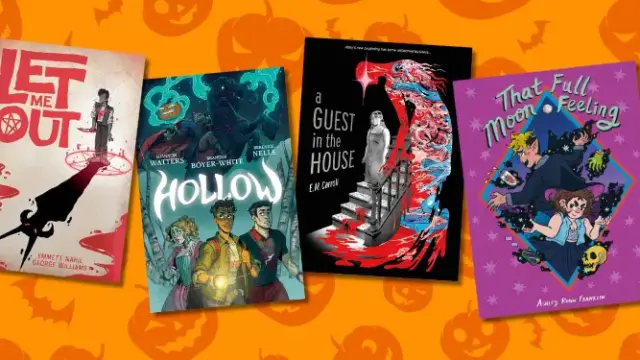
Translation and genre fiction also receive their due celebration. As the literary community marks International Translation Day, conversations continue around the bridges built across languages and cultures. For genre enthusiasts, October brings a robust slate of sci-fi, fantasy, and speculative fiction releases, featuring themes of time travel, romance, and haunted television broadcasts.
Awards, Criticism, and Seasonal Releases
As awards season generates its usual cycle of discourse, Maris Kreizman pushes back against recent complaints regarding literary prizes, offering a robust defense of literary awards, longlists, and shortlists as vital catalysts for conversation and readership. Critical roundups for the month include September’s best-reviewed books and a curated selection of the twelve most striking book covers from the past month.
Review coverage remains active with key book reviews highlighting essential reads, while paperbacks arriving in October offer readers accessible pathways to major recent titles. Children’s literature is also represented with a selection of ten new children’s books scheduled for release.
Further expanding the cultural landscape, literary coverage touches on film, television, and regional anthologies. Recommendations for streaming feature prominent literary adaptations and fare for the month, while critical praise is directed toward classic cinema, specifically re-examining how Jimmy Stewart’s performance in It’s A Wonderful Life embodies complex facets of the American spirit. Young adult literature and pedagogy are explored through the lens of author Brittany Cavallaro, who discusses the joys and challenges of writing for and teaching young adults.
Environmental and ecological perspectives find a voice in pieces examining the complex ecosystems thriving beneath the earth’s surface and what humanity can learn from the earliest soils. Technical craft discussions extend to the nuances of integrating modern technology, such as smartphones, into contemporary fiction. Finally, the roundup closes with glimpses of upcoming regional literature, including a first look at the official cover for a forthcoming anthology dedicated to the diverse and complex writing of Florida.