
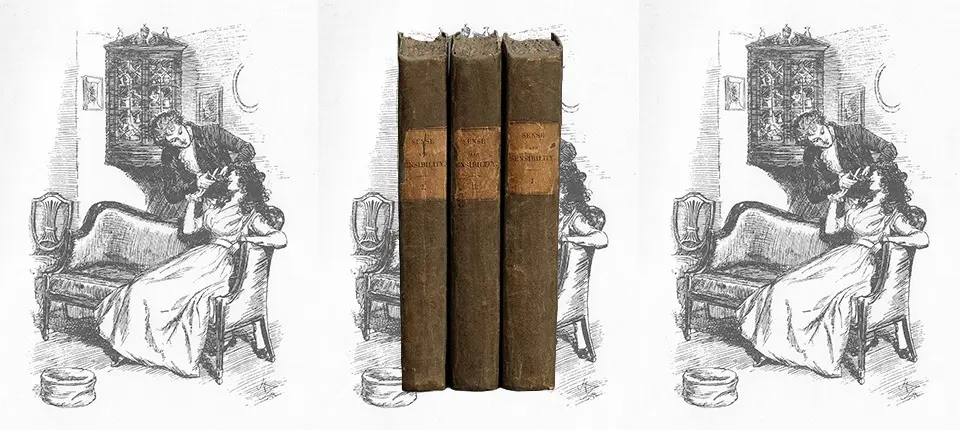
As readers and scholars reflect upon the cultural impact of this historic publication, the literary internet celebrates the ongoing relevance of Austen’s incisive social commentary, sharp wit, and profound psychological insight. Published anonymously—attributed simply to "A Lady"—Sense and Sensibility represented a crucial turning point for its author, marking her official entry into the public literary sphere after years of drafting, revising, and quietly honing her craft in Hampshire.
The journey of Sense and Sensibility from manuscript to printed volume is a fascinating chapter in publishing history. Long before it reached bookstore shelves in late October 1811, Austen had already conceived of the story in an epistolary novel titled Elinor and Marianne, written between 1795 and 1796. She later extensively revised the text, transforming it into a traditional narrative structure that would become her signature style. When the novel was finally accepted by the prominent military printer and publisher Thomas Egerton, it was issued on a commission basis, meaning Austen financial assumed the risk of publication while retaining any potential profits after production costs were covered.
Despite its modest initial release, the novel struck a chord with Regency-era readers who were captivated by its delicate balance between emotional impulse and rational restraint. The central tension of the narrative—embodied by the contrasting personalities of Elinor Dashwood, who represents "sense," and her younger sister Marianne, who embodies "sensibility"—offered a nuanced critique of the prevailing sentimental literature of the late eighteenth century. Through the trials, heartbreaks, and eventual triumphs of the Dashwood sisters, Austen explored complex themes of class, economic precarity for women, social propriety, and the intricate architecture of human relationships.
Over two centuries later, the resonance of Sense and Sensibility extends far beyond its historical context. The novel remains a cornerstone of academic study, literary criticism, and popular culture, continually inspiring modern adaptations, cinematic retellings, and enthusiastic discussions across digital literary communities. As literary platforms and book lovers observe today’s anniversary, the enduring appeal of Austen’s debut publication serves as a powerful reminder of the timeless capacity of great literature to capture the universal truths of the human heart, bridging centuries of changing tastes while remaining as fresh and penetrating as it was on the day it first appeared in print.