Literary criticism and cultural analysis have taken center stage across various platforms, offering fresh perspectives on familiar figures and texts. Scholars and writers are interrogating how history and literature intersect, asking probing questions about past economic thinkers, artistic movements, and sociopolitical shifts. Among the standout discussions is a reassessment of Maria Edgeworth, positioning the early 19th-century celebrity novelist as a key contributor to the birth of classical economics, thereby challenging traditional boundaries between creative writing and economic theory.
Historical examinations are not limited to economics; they also delve into the tragic origins of political movements and the evolution of artistic expression. Writers have recently revisited the assassination of iconic socialist Jean Jaurès, whose desperate efforts to keep France out of the First World War ultimately cost him his life. In the realm of literature and music, critics are exploring how foundational works like Beowulf and the Heliand intersect with the development of musical notation, illustrating how early poetry can explain the structural role of music in medieval literature. Meanwhile, looking back at three centuries of Jonathan Swift’s enduring satire, analysts are finding that Gulliver’s Travels still offers vital lessons on the limits of human rationality.
The intersection of art and storytelling continues to fascinate contemporary thinkers, particularly regarding how fiction handles visual mediums and female representation. Recent essays tackle the recurring narrative problem of writing about amateur women artists in fiction, comparing textual treatments like Jane Eyre’s watercolors and Lily Briscoe’s paintings. This artistic curiosity extends to the physical world of European art history, which harbors a surprisingly rich tradition celebrating tiny, furry dogs, as well as an exploration of the surprisingly magical, billions-of-years history of plant evolution and photosynthesis.
On the contemporary front, writers are grappling with the existential and psychological realities of the creative life. Several commentators have weighed in on the risks and rewards of choosing a writing life, noting that stepping onto the literary path requires a profound leap of faith. This vulnerability is mirrored in discussions about post-apocalyptic fiction, with authors arguing that writing about the end of the world actually helps clarify what truly matters in our present reality. Grief, too, finds a processing space through poetry, as demonstrated by explorations into odes, elegies, and the arduous process of writing through personal loss.
The mechanics of storytelling and professional backgrounds often collide in unexpected ways. In recent essays, writers from diverse fields have shared how their previous or parallel careers inform their literary craft. One author examines how working in a hospital emergency department taught her profound lessons about death, while another reflects on how becoming a preacher fundamentally improved her prose and narrative authority. Family and collaboration also feature prominently in current literary conversations, highlighted by reflections on co-writing a book in a father’s voice.
Pop culture, music, and media are receiving rigorous literary treatment as well, proving that high art and popular culture frequently overlap. Cultural critics are asking provocative questions, such as whether boy bands might inadvertently serve as a cure for the modern male loneliness epidemic, and examining the complex interplay of romance and horror in Alfred Hitchcock’s most iconic cinematic masterpieces. In the realm of public art, readers are being treated to behind-the-scenes looks at municipal culture, including an investigation into who actually chooses the poetry featured on the New York City subway system.
The digital age and its rapid technological advancements are also inspiring considerable literary anxiety and philosophical inquiry. Commentators are evaluating the uncanny digital afterlife of historical figures, questioning how Salvador Dalí can seemingly take a selfie with visitors decades after his death, and probing the implications of undead labor in modern media. Concurrently, critics are warning that contemporary artificial intelligence represents a new kind of horror story—one that explicitly strips the physical body out of traditional body horror. These technological anxieties are balanced by whimsical historical explorations, such as breaking down the human engineering behind the creation of the Loch Ness Monster and imagining a day in the life of a baby Tyrannosaurus rex.
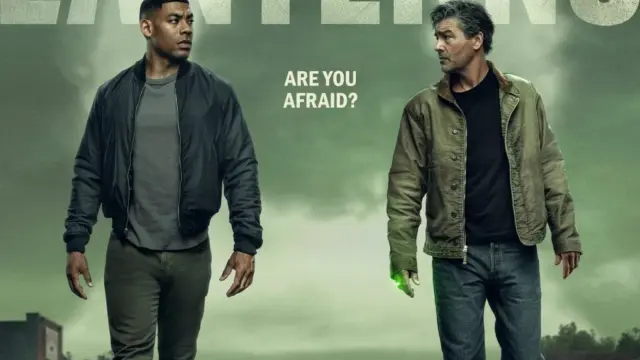
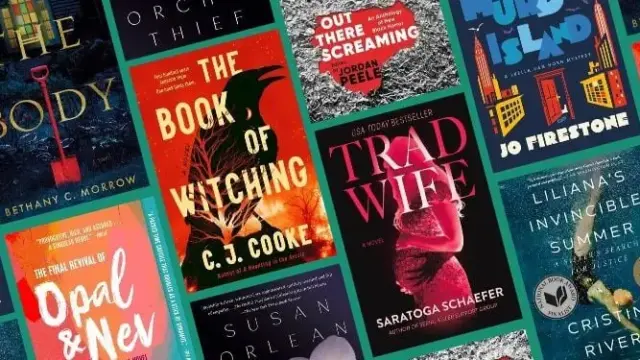
As the publishing industry moves deeper into the autumn season, readers and industry observers have plenty of material to guide their reading lists. Recent articles examine the ongoing conundrum surrounding debut novels and the rise and fall of publishers’ massive promotional pushes. For those looking for tangible recommendations, the latest Independent Press Top 40 Bestsellers list provides a comprehensive overview of current favorites in both fiction and nonfiction, complemented by weekly roundups of essential book reviews and the month’s best-reviewed books. Additionally, visual readers can explore October’s best book covers, a selection of eerie poems tailored for the Halloween season, and a preview of the literary films and television series scheduled to hit streaming platforms in November.