Historical Milestones and Literary Legacies
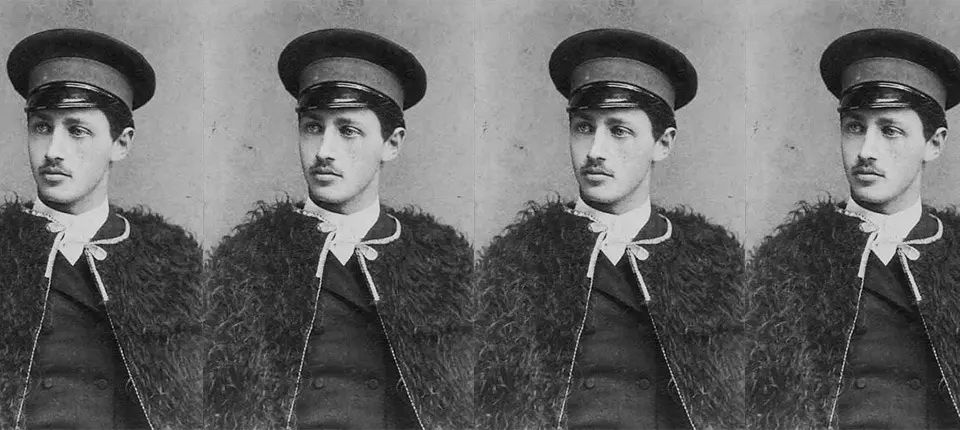
Marking the historical calendar, October brings a reflection on the birth of Ivan Bunin, who was born in 1870. Bunin remains a towering figure in international letters, celebrated for his mastery of prose and poetry.
Conversations around enduring literary legacies also extend to twentieth-century icons like Sylvia Plath. Writers and critics continue to unpack the complex layers of her work, exploring the profound life and death cycles embedded at the heart of her poetry and prose. This ongoing reassessment of Plath’s impact is further enriched by examining the vital behind-the-scenes contributions of figures like feminist activist Robin Morgan, whose advocacy and efforts played a significant role in helping to preserve Sylvia Plath’s enduring legacy for future generations of readers and scholars.
Historical exploration this week reaches across multiple genres and eras. Readers can revisit an unsung, century-old novel from a prominent intellectual New York family through Mabel Capability Taylor’s examination of Ettie Stettheimer’s Love Days. Meanwhile, historical analysis also bridges past and present, drawing stark parallels between historical democratic collapses—such as the election that destroyed German democracy in March 1933—and contemporary political anxieties, including the modern American midterms and global far-right movements manifested through political convulsions in Brazil.
Technology, Identity, and the Craft of Writing
As artificial intelligence continues to permeate creative industries, contemporary discussions frequently center on the essence of human expression. In the current technological landscape, essays argue that the writer’s soul remains the singular element that automated systems cannot replicate. This exploration of modern identity and creation is mirrored in reflections on how language itself shifts and adapts, such as the evolving linguistic landscape surrounding Latinx literature and identity, as well as the intricate challenges of trans poetics and the recognized failures of language to fully capture specific human experiences.
Writers and poets continue to share profound personal experiences that shape their craft. In recent features, contributors discuss how navigating the immense demands of academia and confronting terrible loss can intersect with writing and research as a means of coping with grief. Other deeply personal accounts examine how unexpected life events—ranging from the mundane to the extraordinary, such as surviving a lightning strike—can radically alter a writer’s identity and deeply influence the development of their main characters. Motherhood and marriage, the complexities of queer recognition and family estrangement, and the unique challenges of being an Anishinaabe poet navigating a predominantly fiction-driven literary world also take center stage in ongoing essays exploring identity on the page.
Craft notes and author interviews offer practical and philosophical insights into the writing life. Bestselling author Barbara Kingsolver recently shared the physical routine behind her work, explaining why she prefers to write standing up. Elsewhere, novelist Adam Wilson reflected on the finer points of plot versus concept, noting his firm creative boundaries—such as his vow never to write a protagonist who is a fan of the New York Yankees. Fiction writers are also encouraged to examine the mechanics of narrative tension through discussions on the power of raising the stakes in fiction, while editors and critics explore how the delicate relationship between readers and writers is initially forged on the page through the collaborative role of the editor.
Global Perspectives, Conflict, and Cultural Commentary
The literary internet remains deeply engaged with global crises and socio-political realities. The ongoing war in Ukraine has brought devastating devastation to cultural institutions, with writers like Oleksandr Mykhed documenting how Russian bombs and military aggression have destroyed countless Ukrainian books and literary spaces. On the environmental front, climate activists and writers like Bill McKibben continue to emphasize that climate activism is a long, slow, and persistent struggle deeply tied to the preservation of democracy and the earth.
Closer to home, cultural commentary addresses systemic issues within American society, including critical examinations of immigration policies and the bureaucratic machinery of violence behind modern deportations, which analysts describe as an undocumented war. Other cultural pieces explore iconic figures from unexpected angles, ranging from a brief history of iconic women spies in comic books to the confident complexity of Whitney Houston’s unforgettable performance at Super Bowl XXV.
Reviews, Bestsellers, and Upcoming Reads
For readers seeking recommendations and curations, this week’s digital landscape offers extensive lists and reviews. Book enthusiasts can explore nine distinct novels centered on the poignant experience of being the poorest person in the room, or dive into new poetry, including Patricia Lockwood’s striking poem, "Sensual Songs for Eight-Year-Olds."
The publishing industry’s current favorites are highlighted in the Independent Press Top 40 Bestsellers for both fiction and nonfiction, alongside a curated selection of five essential book reviews to read this week.
Additional features transport readers across the globe and through time, from an intimate travel visit to Toronto with Paul Theroux to a look inside the prestigious Heinrich Maria Ledig-Rowohlt translation prize dinner at the Frankfurt Book Fair. Readers can also learn about the remarkable history of an army librarian who brought the joy of reading to the front lines during World War II, examine the decades-long intellectual friendship between Hannah Arendt and Mary McCarthy, and read Alice Elliott Dark’s reflective new afterword for her acclaimed work, In the Gloaming.