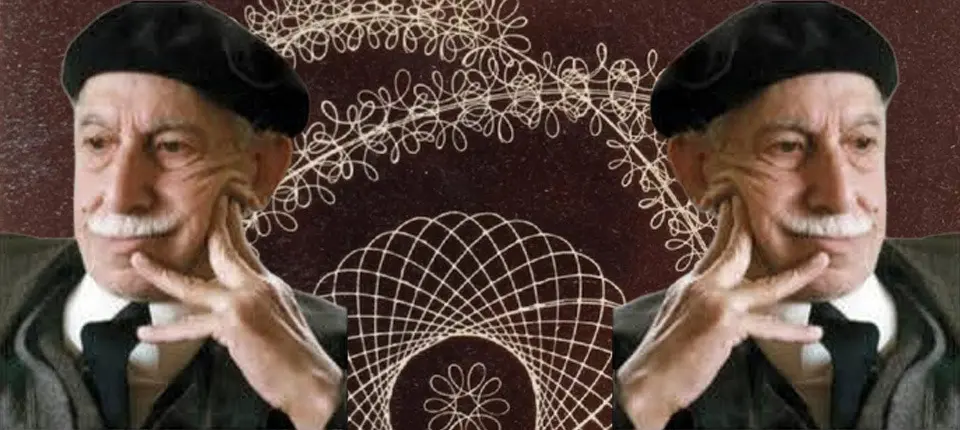
In literary history, today marks the birth anniversary of one of the towering intellects of the twentieth-century Middle East. Born in 1898, Tawfiq al-Hakim entered the world, destined to reshape the contours of Arabic literature, drama, and intellectual discourse. As readers, scholars, and digital curators pause to reflect on his enduring legacy, his contributions to the arts remain a cornerstone of theatrical and narrative development.
Al-Hakim’s birth in 1898 placed him at the precipice of a rapidly modernizing world, one that would experience profound political, social, and cultural upheavals over the course of his lifetime. Growing up in Egypt during a period of intense nationalist fervor and artistic awakening, al-Hakim absorbed the complexities of a society caught between traditional heritage and Western modernization. These dual influences would become the lifeblood of his vast and varied literary output, which spanned novels, plays, essays, and memoirs.
Best known as a pioneer of Arabic drama, al-Hakim approached the stage not merely as a medium for entertainment, but as a vehicle for deep philosophical inquiry. Before his groundbreaking works emerged, theatrical traditions in the Arabic-speaking world often leaned toward melodrama, farce, or adaptations of foreign texts. Al-Hakim revolutionized this landscape by introducing the concept of the "intellectual play" or " théâtre de l’esprit" (theater of the mind). His works were designed primarily to be read and contemplated, engaging audiences with profound moral, existential, and political dilemmas rather than relying solely on physical action or spectacle.
Among his most celebrated contributions is the 1933 masterpiece The Return of the Spirit (Awdat al-Ruh), a novel that captured the national consciousness of Egypt and anticipated the 1919 revolution. Through the lives of an ordinary Egyptian household, al-Hakim symbolized the awakening of a collective national soul, a literary technique that resonated deeply with readers and fellow intellectuals alike. His later works, such as Fate of a Cockroach and Tawhid, continued to push boundaries, blending absurdist elements, Egyptian folklore, and classical philosophy to probe the human condition.
As the literary internet reflects on al-Hakim’s birth in 1898, digital platforms are once again highlighting the ways in which his works continue to provoke discussion among contemporary readers, translators, and academics. Essays, archival deep-dives, and digital exhibitions remind us of the enduring power of his pen. Even decades after his passing, the questions he raised about justice, authority, freedom, and the clash of cultures remain urgently relevant to modern readers navigating an increasingly complex globalized world.
The celebration of al-Hakim’s life and work serves as a reminder of the rich global tapestry that constitutes the literary internet today. From historical retrospectives to contemporary criticism, the digital literary sphere continues to bridge geographical and temporal divides, connecting today’s readers with the towering figures who built the foundations of modern storytelling. As we commemorate the anniversary of his birth, the digital literary community invites both longtime admirers and new readers to return to his pages, exploring a mind that dared to imagine the theater of the mind and the revival of a national spirit.