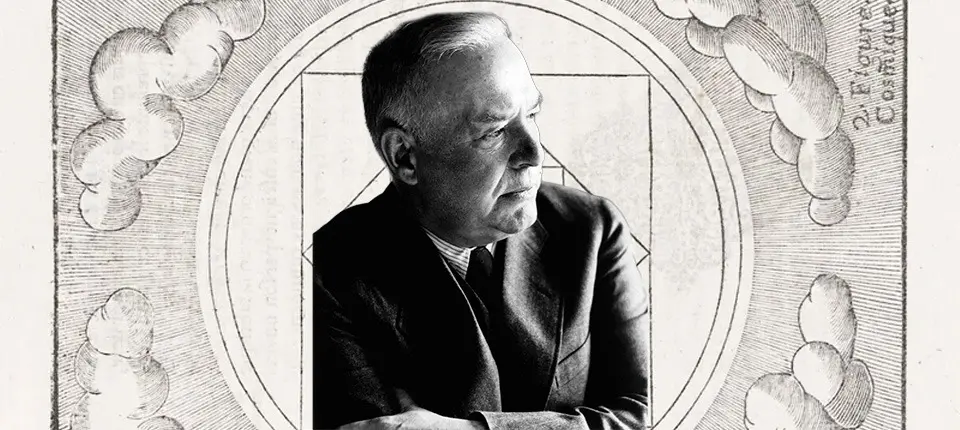
Today in literary history marks the birth anniversary of one of the most distinctive and influential voices in American poetry, Wallace Stevens. Born on October 2, 1879, Stevens grew to occupy a unique dual existence as both a successful corporate executive for the Hartford Accident and Indemnity Company and a towering figure in modernist literature. His life and work offer a fascinating study in the intersections of commerce, imagination, and the philosophy of art. Throughout his career, Stevens managed to maintain a quiet, methodical daily routine in Hartford, Connecticut, while producing verse that fundamentally challenged and expanded the boundaries of how poetry could capture the interplay between reality and the human mind.
The legacy of Stevens continues to reverberate across contemporary literary platforms, influencing how modern critics analyze the relationship between the physical world and abstract thought. As readers and scholars alike reflect on his contributions today, online literary spaces are once again turning their attention to the exquisite craftsmanship of poems like "The Emperor of Ice-Cream," "Thirteen Ways of Looking at a Blackbird," and "Sunday Morning." These works, characterized by their lush vocabulary, rigorous intellectual inquiry, and deep meditation on the supremacy of the imagination, remain foundational touchstones for contemporary poets grappling with the complexities of modern existence.
In the broader context of today’s literary internet, discussions surrounding Stevens often intersect with broader conversations about the nature of creativity in professional life. The paradox of his career—a Pulitzer Prize-winning poet who spent decades analyzing insurance claims—serves as a perennial point of fascination for writers balancing the demands of modern livelihood with creative ambition. Online essays, archival deep dives, and digital retrospectives frequently revisit his letters and biographical details, seeking to understand how such vibrant, luminous art emerged from the structured environment of corporate insurance.
As the literary community observes this anniversary, platforms across the web continue to curate readings, critical essays, and reflections that celebrate his enduring impact. Whether through the lens of academic reappraisal or personal readerly devotion, the presence of Wallace Stevens remains as vital and provocative today as it was during the height of his career. The ongoing digital dialogue surrounding his birth reminds us that literature’s greatest voices continue to shape our understanding of beauty, language, and the imaginative acts through which we make sense of the world around us.