Fortunately, recent data indicates that modern renovators share a remarkably cohesive vision when it comes to the ideal bathroom vanity. The comprehensive insights stem from the newly released 2026 Bathroom Trends Study published by Houzz, a leading home design and construction platform. The report offers a clear window into the evolving preferences of homeowners as they invest in major bathroom upgrades.
To compile the study, researchers polled 1,619 U.S. homeowners regarding their specific preferences for bathroom remodeling projects. While the findings highlighted broad trends—such as a growing preference for expanded, oversized showers and the widespread adoption of dimmable lighting, which nearly half of respondents credit with helping them relax—the spotlight frequently fell on the vanity area. In fact, the data reveals that homeowners care deeply about the space where they groom and prepare for the day, with an impressive 38 percent of surveyed respondents stating that they are willing to splurge on custom millwork to get the exact look and functionality they desire.
By analyzing the comprehensive survey data, design experts have been able to sketch a detailed portrait of the ideal modern bathroom vanity. Far from being an afterthought, the contemporary vanity is characterized by generous proportions, premium and durable materials, seamless built-in storage solutions, and a refined aesthetic that bridges the gap between high-end architectural design and practical daily utility.
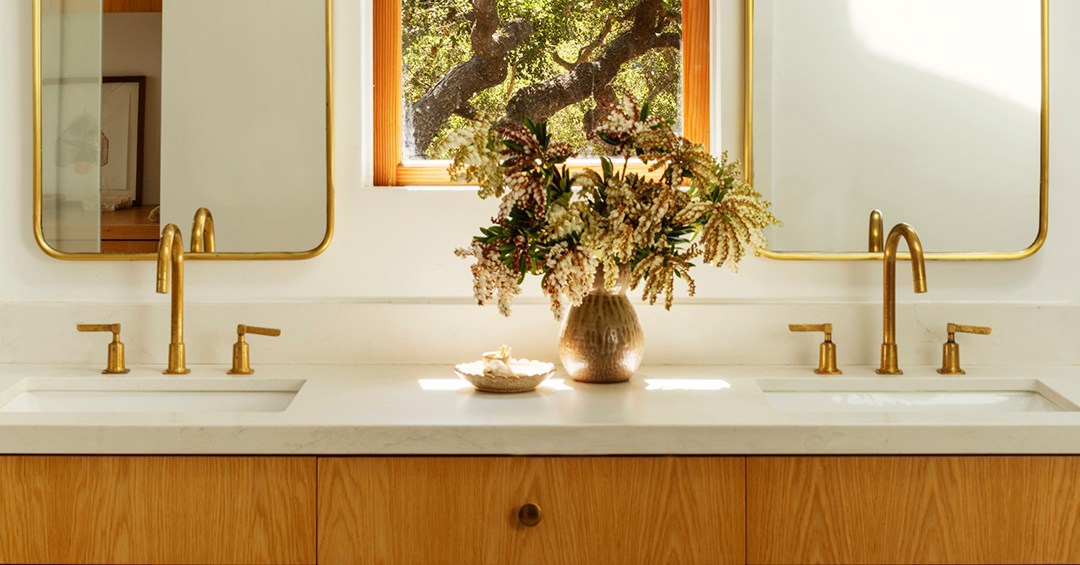
Expanding Horizons: The Craving for Counter Space
If you find yourself constantly battling clutter around your bathroom sink, you are certainly not alone. The Houzz study underscores a widespread and growing craving for substantial counter space among renovating homeowners.
Specifically, 21 percent of respondents are actively choosing to upgrade their bathrooms with significantly wider vanities. Many are opting for configurations that stretch beyond 72 inches in width—a measurement that typically exceeds the maximum length of a standard double-sink setup. This shift away from compact, space-saving units indicates that homeowners prioritize a sprawling, hotel-like surface area over preserving raw floor space.
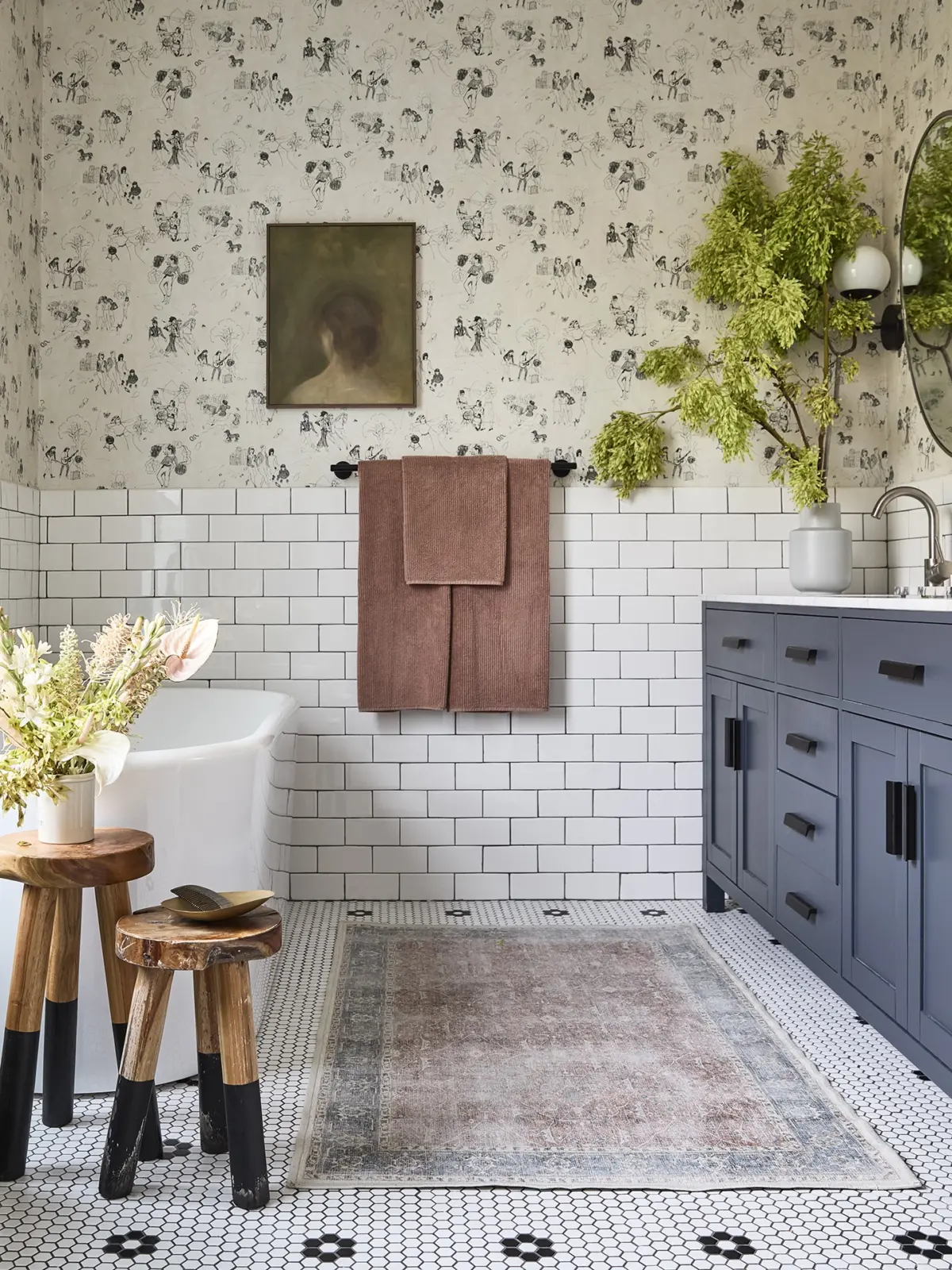
Furthermore, the data points to a decisive stylistic shift in how these vanities are integrated into the room. Sixty-two percent of renovators now express a distinct preference for a built-in look rather than traditional, furniture-style freestanding vanities. This built-in approach creates a more cohesive, architectural flow within the bathroom, anchoring the cabinetry firmly to the walls and eliminating awkward gaps where dust and moisture can accumulate.
Vanities That Make It Easy to Stay Tidy
A sleek, minimalist aesthetic can be instantly undermined by the realities of modern grooming appliances. A rogue electric toothbrush cord or a tangled stack of round hair brushes can quickly make even a freshly renovated bathroom feel chaotic and disorganized.
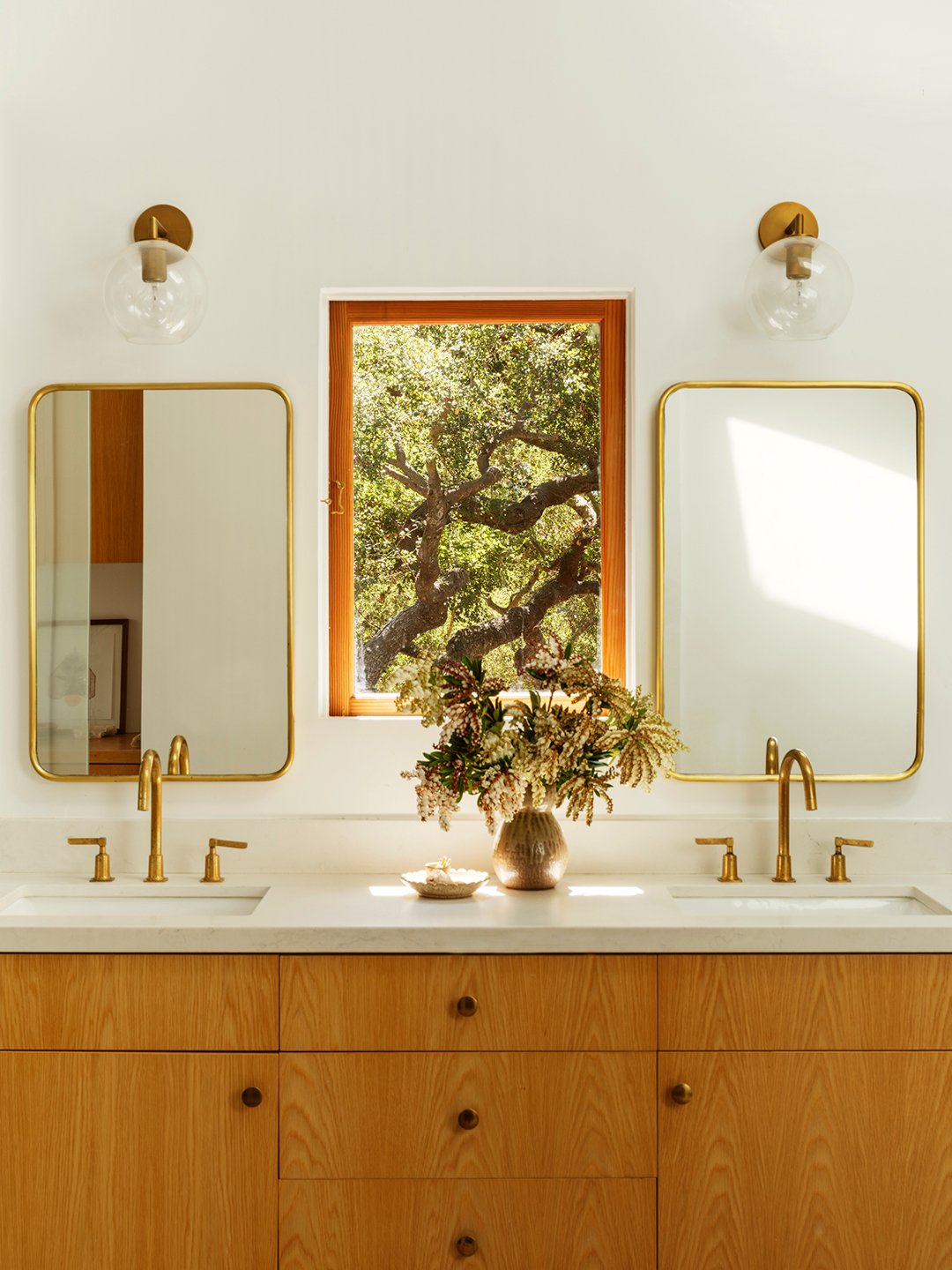
Recognizing this common pain point, modern homeowners are increasingly turning to built-in organization features as essential add-on components during the design phase. Rather than leaving appliances out on the counter or struggling with tangled cords, renovators are opting to install integrated electrical outlets directly inside the vanity drawers. Dedicated drawer organizers tailored specifically for hair tools—such as blow dryers and styling wands—are rapidly becoming standard requests for custom cabinetry.
The interior functionality matches a parallel demand for exterior refinement. When homeowners are finished using their styling tools or accessing their daily skincare regimens, they expect a seamless and quiet operation. Consequently, soft-close hardware remains an enduring favorite feature for both cabinet doors and drawers, effectively eliminating the harsh sound of slamming in favor of a smooth, hushed closure.
The Enduring Appeal of Double Undermount Sinks
There is a practical reason why real-estate listings prominently spotlight bathrooms featuring double sinks: modern couples increasingly refuse to share a single basin if they can possibly avoid it. The convenience of simultaneous morning routines has made multi-sink configurations a top priority for renovating homeowners.
When it comes to the specific style of the basin itself, undermount sinks command a commanding lead in the marketplace. According to the survey data, 68 percent of homeowners select undermount basins for their projects. This style is favored for its clean lines and the ease with which water and debris can be wiped directly from the countertop into the basin.
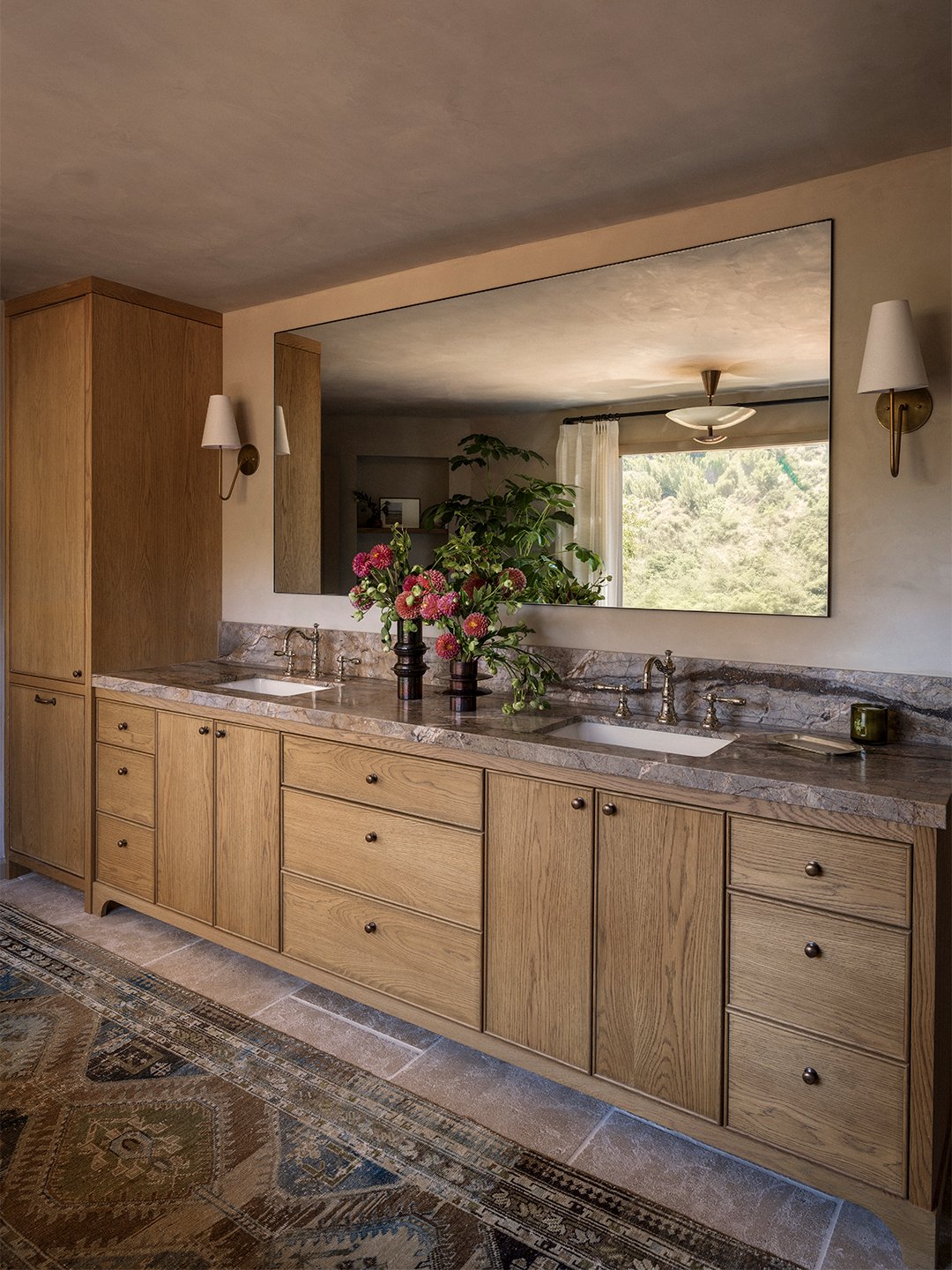
Following undermount models at a distance are drop-in sinks, which account for 16 percent of installations. Integrated basins capture 11 percent of the market, while more niche choices such as vessel sinks sit at 4 percent and trough sinks represent just 2 percent of the surveyed preferences.
The Rise of Solid Wood and Natural Countertops
Durability and longevity are paramount considerations for those undertaking the significant expense of a bathroom renovation. Three-quarters of homeowners surveyed indicated that they want their new vanity to last a lifetime, a mindset that directly influences their choice of core materials.
Rather than settling for alternatives such as plywood, particleboard, or synthetic veneers, the vast majority of renovators are investing in solid wood construction. Within this category, maple and white oak emerge as the dominant choices, together accounting for more than half of all wood vanity updates due to their structural integrity and timeless aesthetic appeal.
On the upper surface of the vanity, engineered quartz has historically maintained its position as the leading material for countertops. However, as contemporary health and safety conversations evolve, industry observers note an encouraging uptick in interest toward natural stone alternatives. Materials such as quartzite, granite, and marble are steadily gaining traction among design-conscious homeowners seeking authentic geological variation and distinct veining patterns.
Shaker Doors and Modern Hardware Preferences
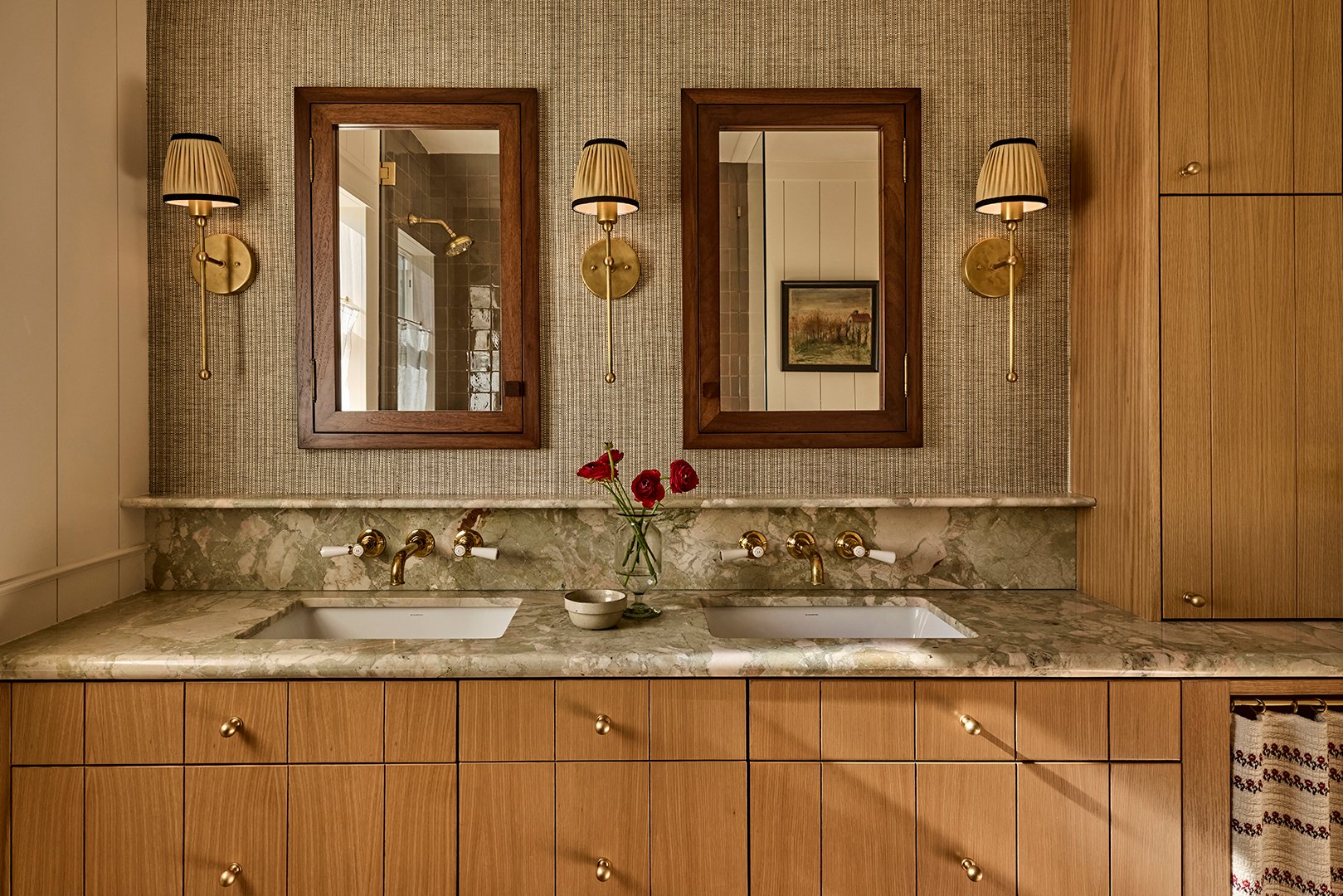
The overarching design language of the modern vanity balances traditional craftsmanship with contemporary convenience. While recent home tours highlight a growing appreciation for flat-panel doors paired with dainty, understated knobs, classic Shaker doors retain a massive and loyal following.
According to the Houzz findings, 46 percent of individuals choose Shaker-style doors when upgrading their spaces, narrowly outpacing minimal slab alternatives. This enduring popularity speaks to the versatility of the Shaker profile, which bridges traditional and modern transitional interiors with equal ease.
When it comes to the final finishing touches—the hardware used to pull open those drawers and doors—practicality ultimately dictates aesthetics. The majority of homeowners, sitting at 62 percent, select sturdy bar pulls over traditional knobs, which account for 37 percent of choices. For the typical homeowner navigating a busy morning schedule, the ability to quickly and easily access skincare products, cosmetics, and daily essentials easily trumps purely decorative hardware trends.