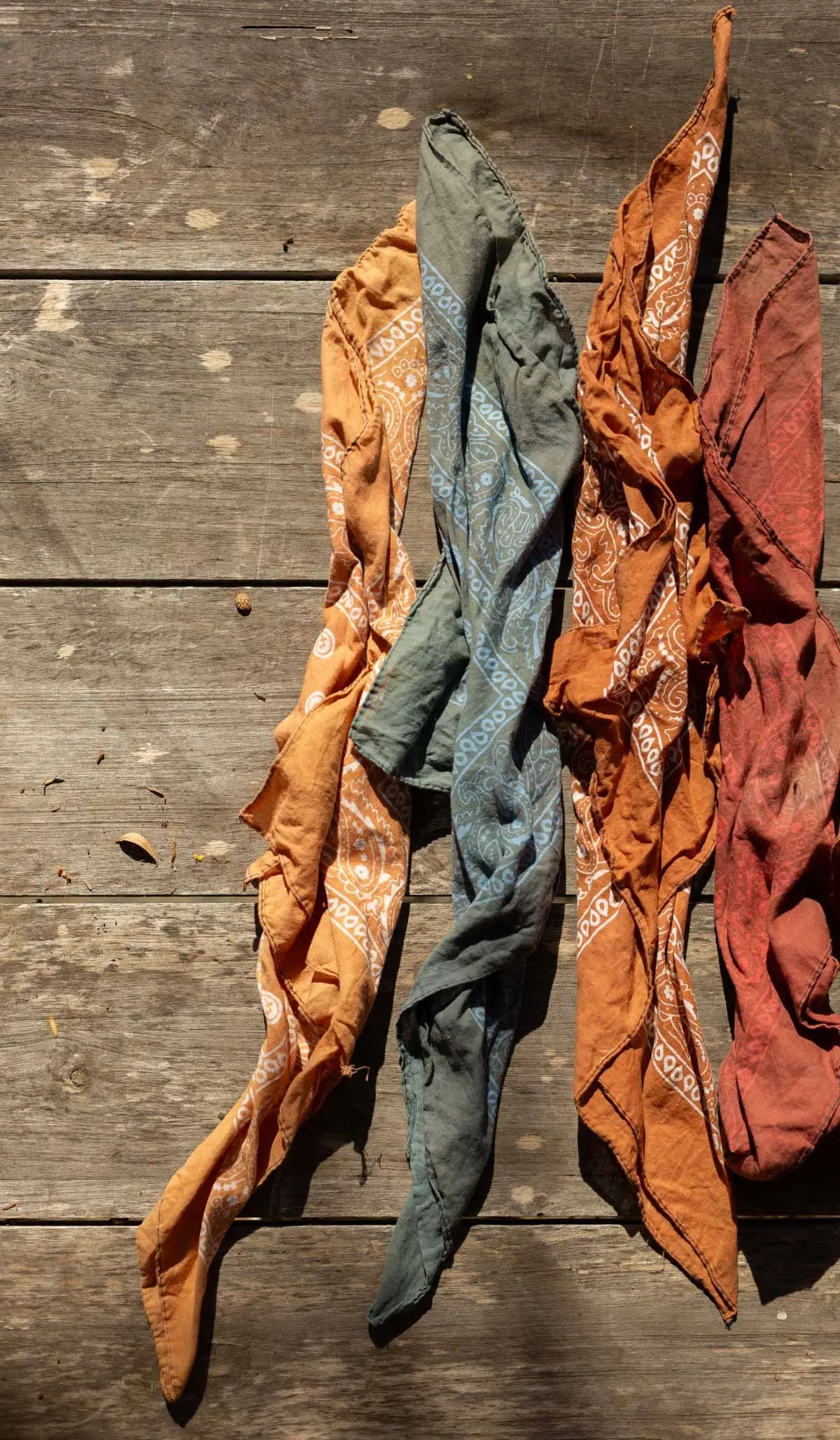
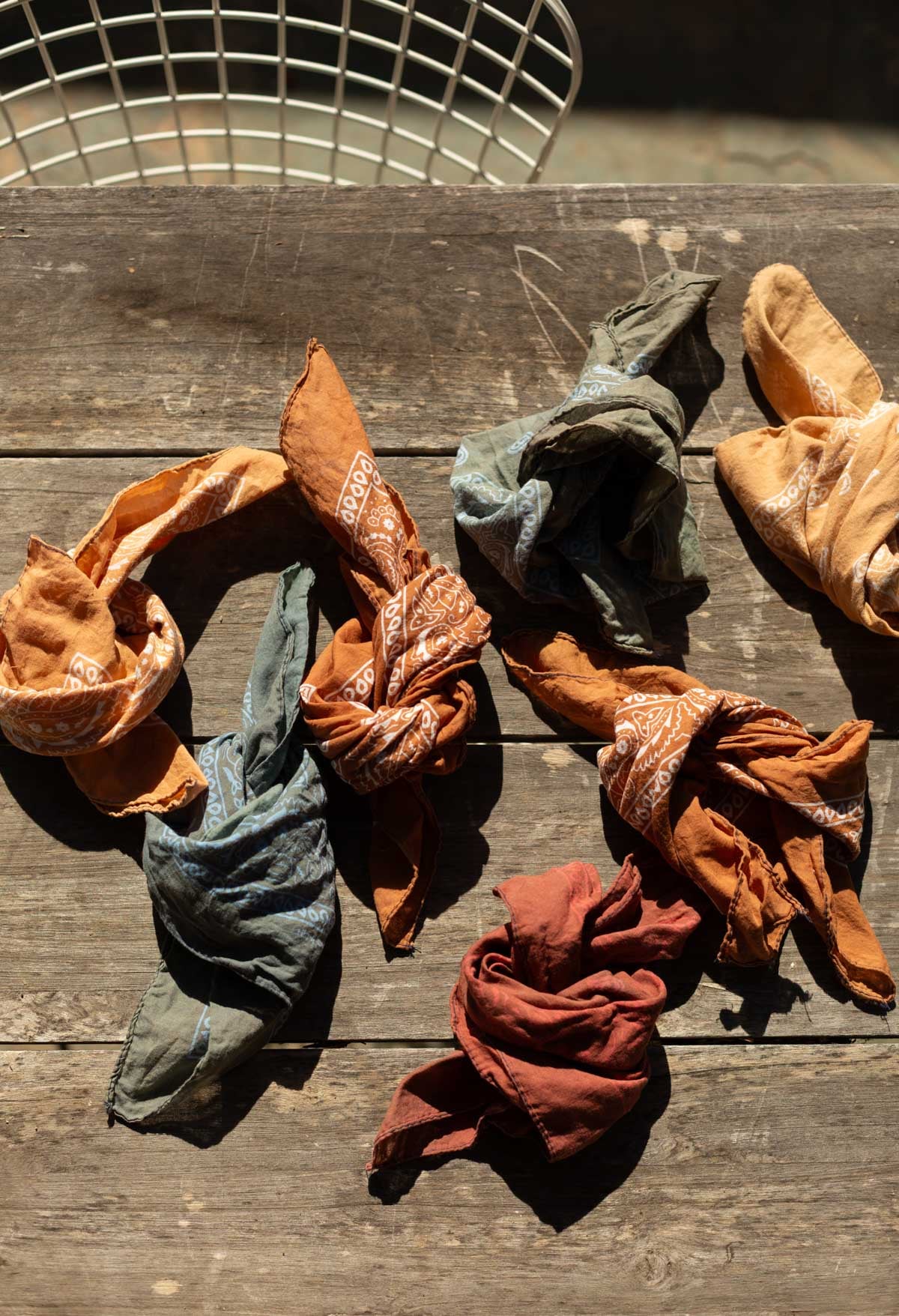
The inspiration behind the project was as practical as it was aesthetic. When tasked with helping organize a camp-themed event for her son’s school, the organizer sought a natural, rustic color palette that would align with the outdoor theme. Standard black bandanas, while versatile, felt too harsh and modern for the rustic atmosphere. However, because the materials were acquired at no cost, the stakes were remarkably low. Operating under the philosophy that a failed experiment would result in no real loss, she decided to test a bleaching and re-dyeing process that could easily be replicated on other cotton garments, such as standard clothing items or even pet accessories.
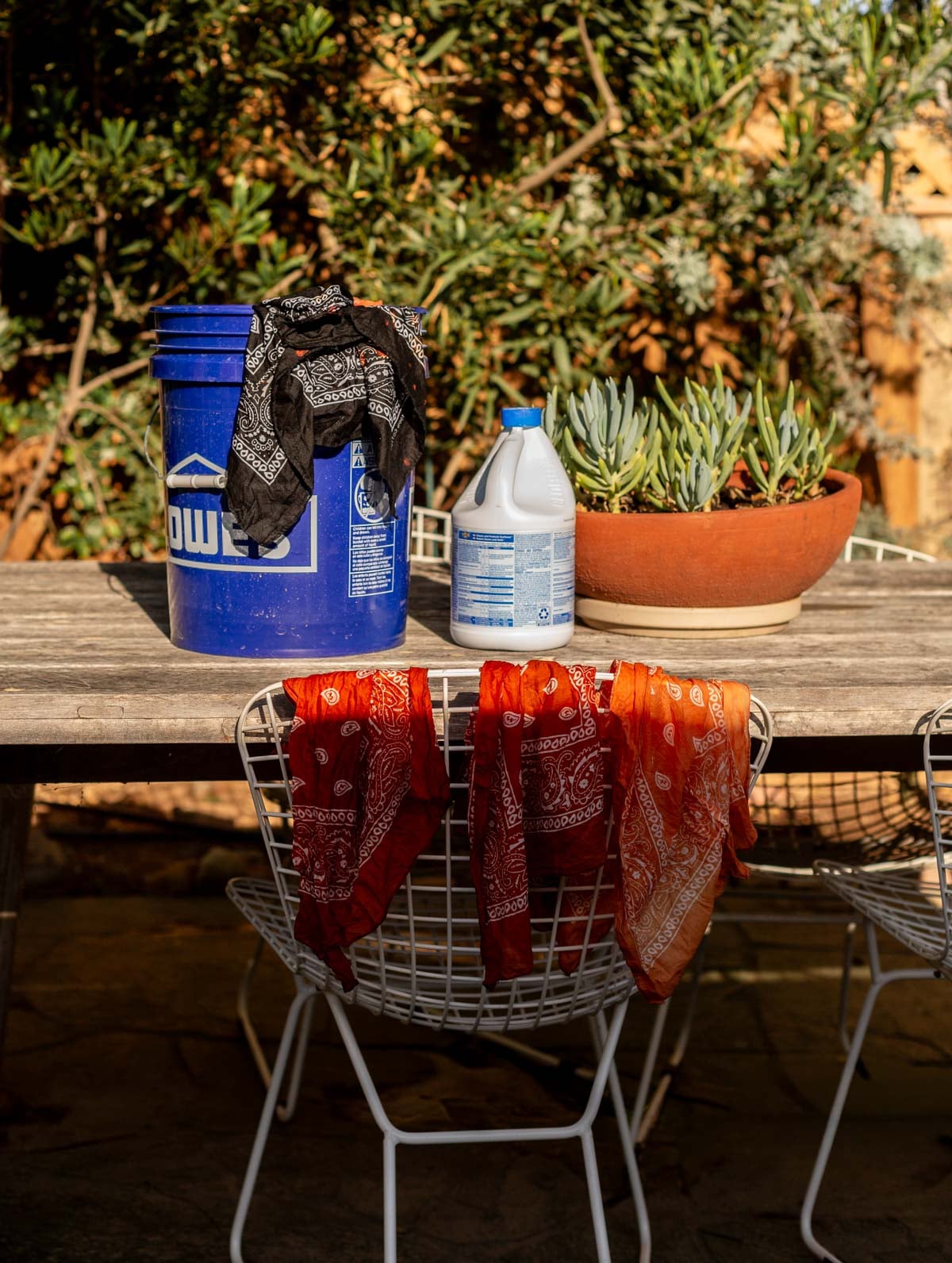
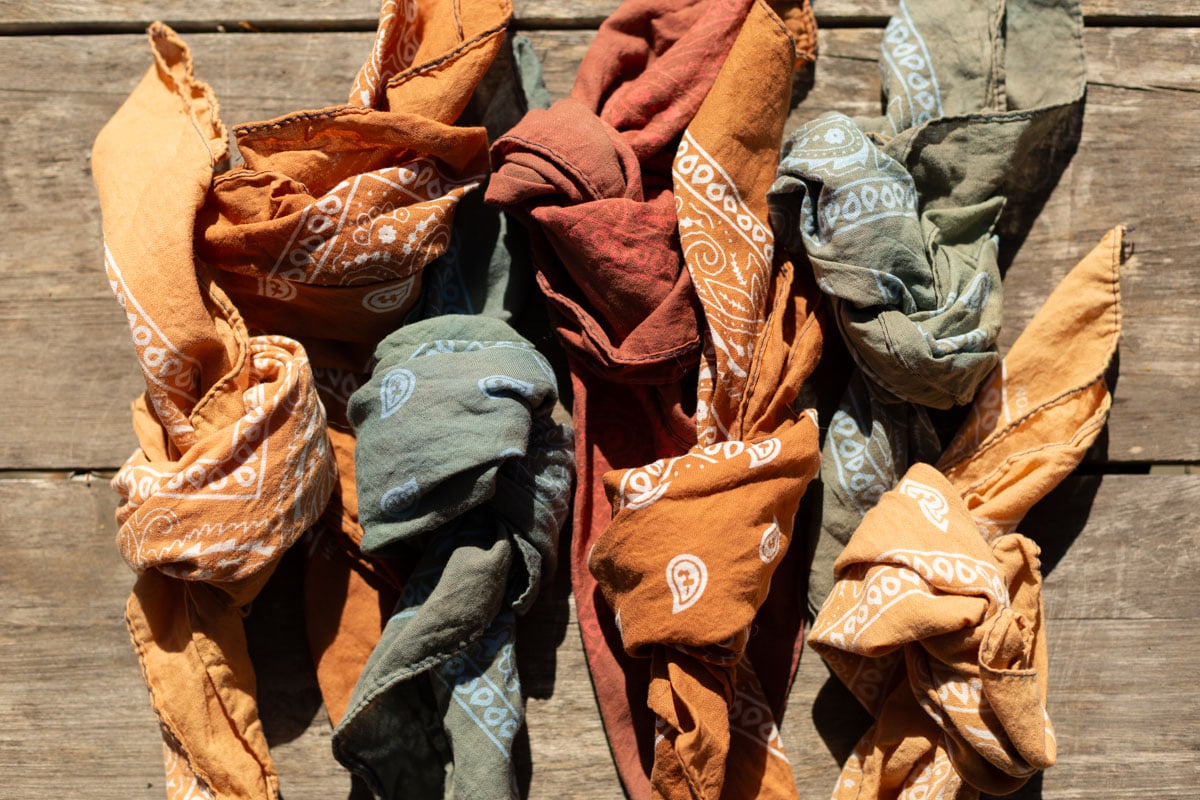
While bleach-based textile projects are far from new—often associated with traditional tie-dye or shibori resist-dyeing techniques—this particular method introduced a crucial variation. Instead of relying exclusively on the erratic, high-contrast results of bleach alone to create a faded pattern, this approach utilized a two-step process: bleaching the fabric first to strip away the heavy black pigment, followed by a secondary dye bath to infuse the textiles with sophisticated, muted neutral tones. The resulting colors departed sharply from the vibrant primaries or stark blacks typically found in commercial bandanas, yielding soft browns, muted grays, and warm taupes that felt genuinely organic.
Materials and Preparation
Executing the transformation requires only a handful of common supplies, centered around a batch of 100% cotton black bandanas, standard household bleach, a large plastic bucket or container for soaking, protective gloves, a source of clean cold water, and a fabric dye of choice in the desired earth tone.
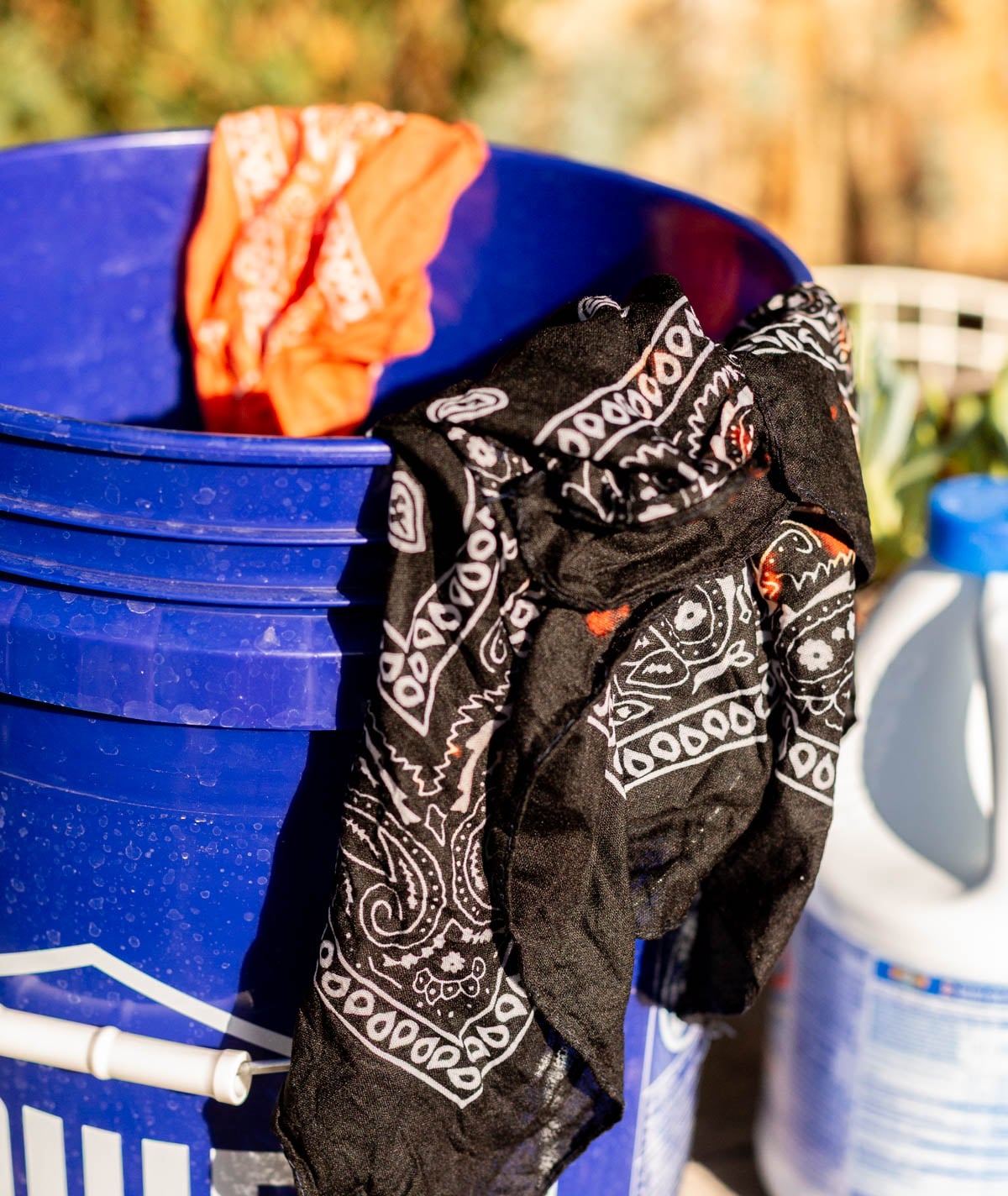
Because the process involves working with concentrated chlorine bleach, safety and environmental considerations are paramount. Experts and experienced crafters universally emphasize the necessity of conducting the bleaching phase outdoors or in an exceptionally well-ventilated workspace to avoid inhaling strong chemical fumes. Protective gear, particularly rubber or latex gloves, is essential to prevent skin irritation and chemical burns during the handling of the bleaching solution.
The transformation process begins with basic fabric preparation. Before introducing the black bandanas to the bleach, they must be thoroughly dampened with water and wrung out to remove excess moisture. Pre-wetting the fabric ensures that the bleach absorbs evenly across the cotton fibers, preventing harsh, unpredictable spots and allowing for a more controlled transition of color.
The Bleaching and Re-Dyeing Process
Once the bandanas are properly prepared and dampened, the bleaching phase commences outdoors. Protective gloves must be donned before pouring standard household bleach directly into a large container or bucket, ensuring there is enough liquid to fully submerge the fabric.

The timing of this step requires careful observation. The bandanas are dipped into the bleach solution and monitored closely as the dark black pigment begins to lift and shift into lighter shades. This chemical reaction occurs remarkably quickly, often taking place within thirty seconds to a minute. Once the desired level of lightening is achieved, the fabric must be promptly removed from the solution.

Leaving the textiles in the bleach for an extended period does yield a lighter color, but it comes at a significant structural cost. Prolonged exposure to chlorine bleach rapidly breaks down cotton fibers, weakening the material and rendering it prone to tearing. Consequently, experienced textile artists advise keeping the submersion window brief—typically between thirty seconds and one minute—to preserve the integrity of the cotton while successfully stripping the original dye.
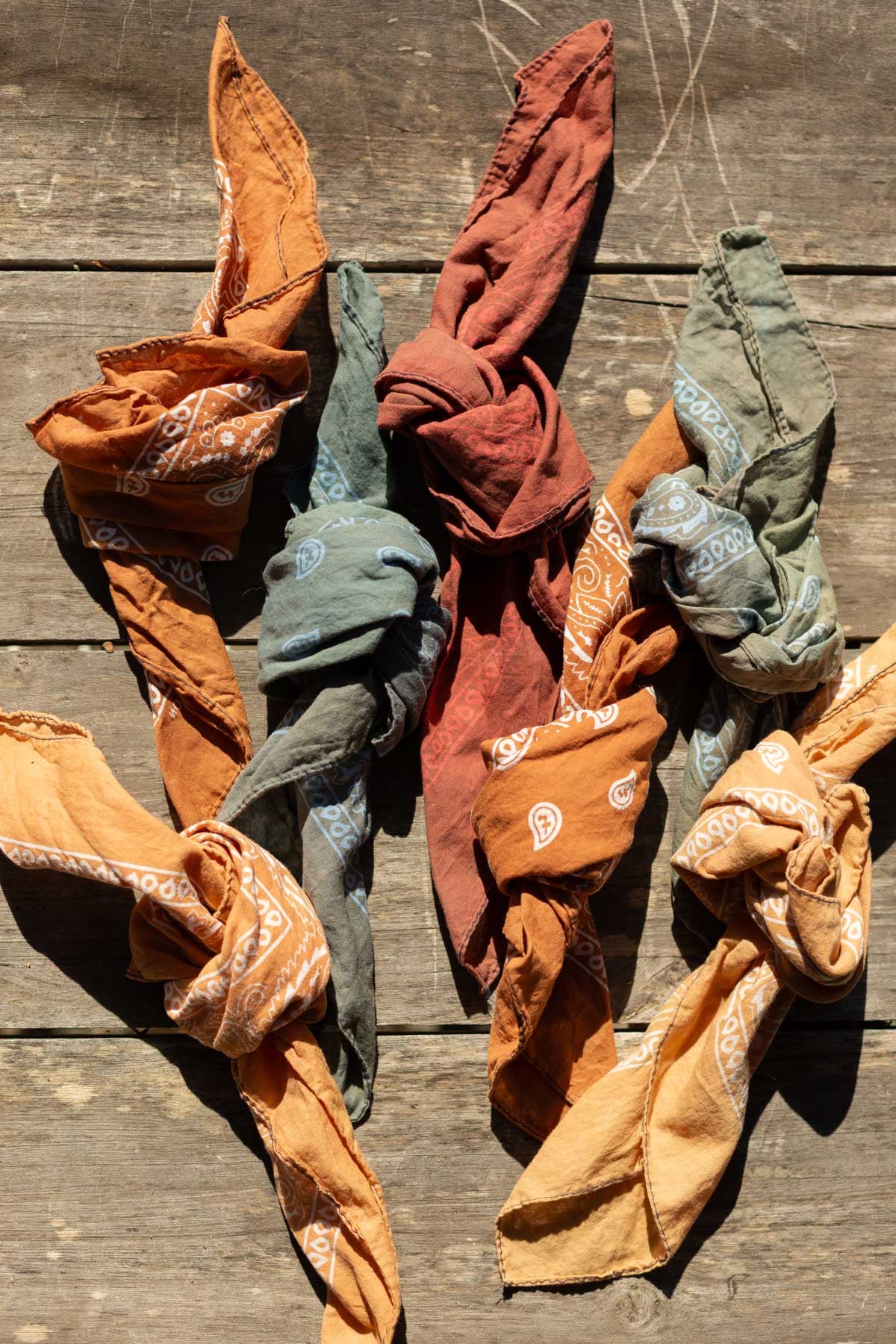
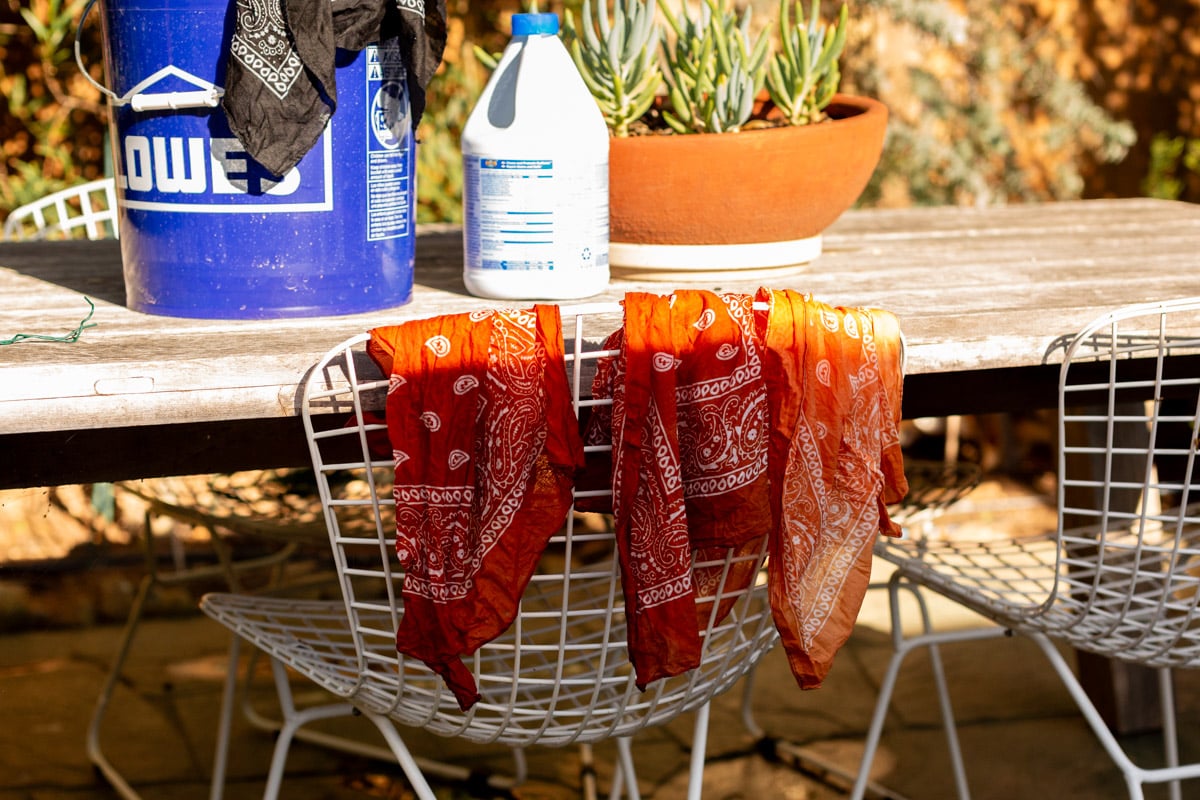
Immediately following the bleach bath, the bandanas must be thoroughly rinsed to halt the chemical process. The excess bleach is wrung out from the fabric, followed by an intensive rinse under cold running water for one to two minutes. To ensure all chemical residue is completely neutralized, the bandanas are then run through a standard cycle in a washing machine and dried as normal.
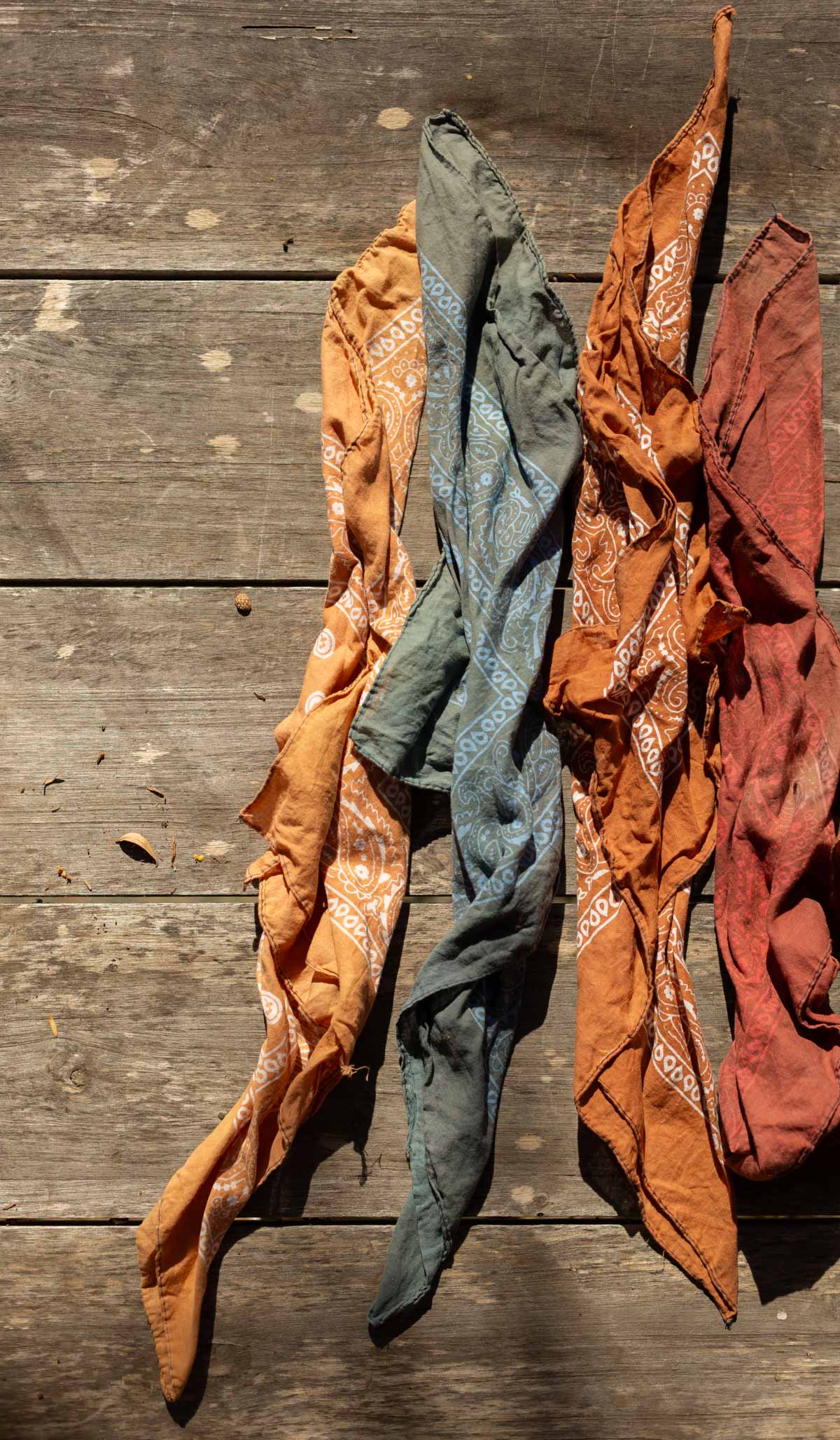
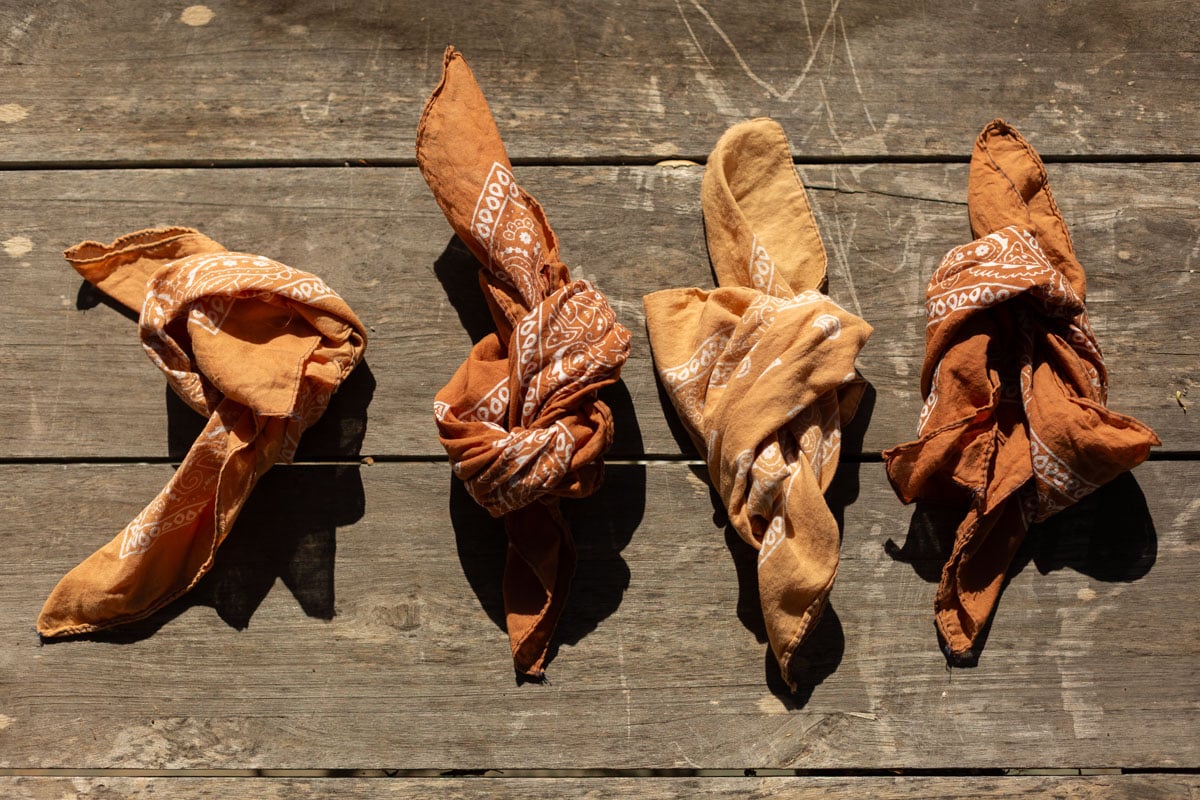
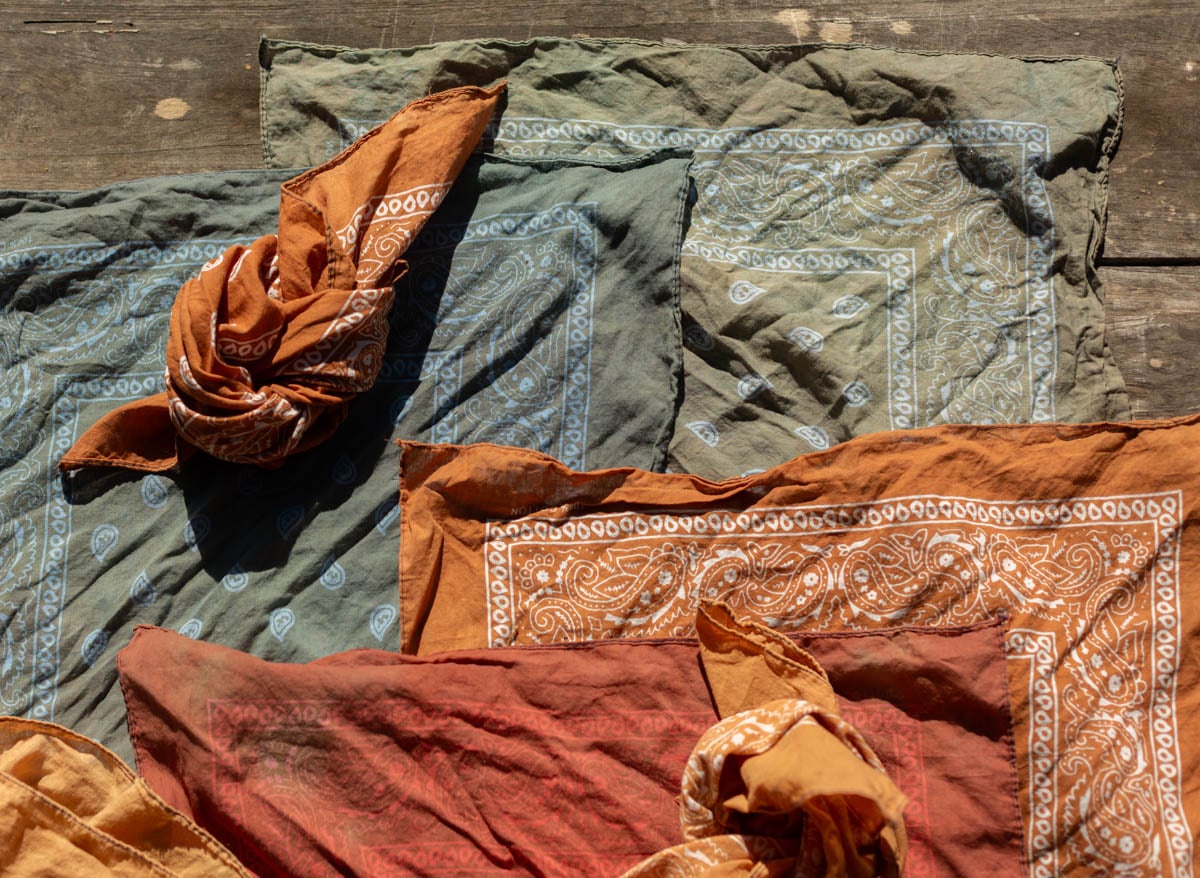
With the dark base color successfully neutralized and the fabric thoroughly cleaned, the bandanas emerge transformed into various shades of muted grays, tans, and pale neutrals. At this stage, the textiles are fully prepared to accept a new color. The final phase involves submerging the pre-bleached bandanas into a secondary dye bath using chosen earth-tone pigments, following standard fabric-dyeing procedures to achieve rich, sophisticated hues that cannot be replicated through bleaching alone.
Practical Applications and Everyday Use
The versatility of the finished earth-tone bandanas was fully demonstrated at the school camp party, where they served multiple functional and decorative purposes. Placed at each child’s seat around the event tables, the bandanas functioned initially as rustic cloth napkins, enhancing the outdoor aesthetic of the gathering.
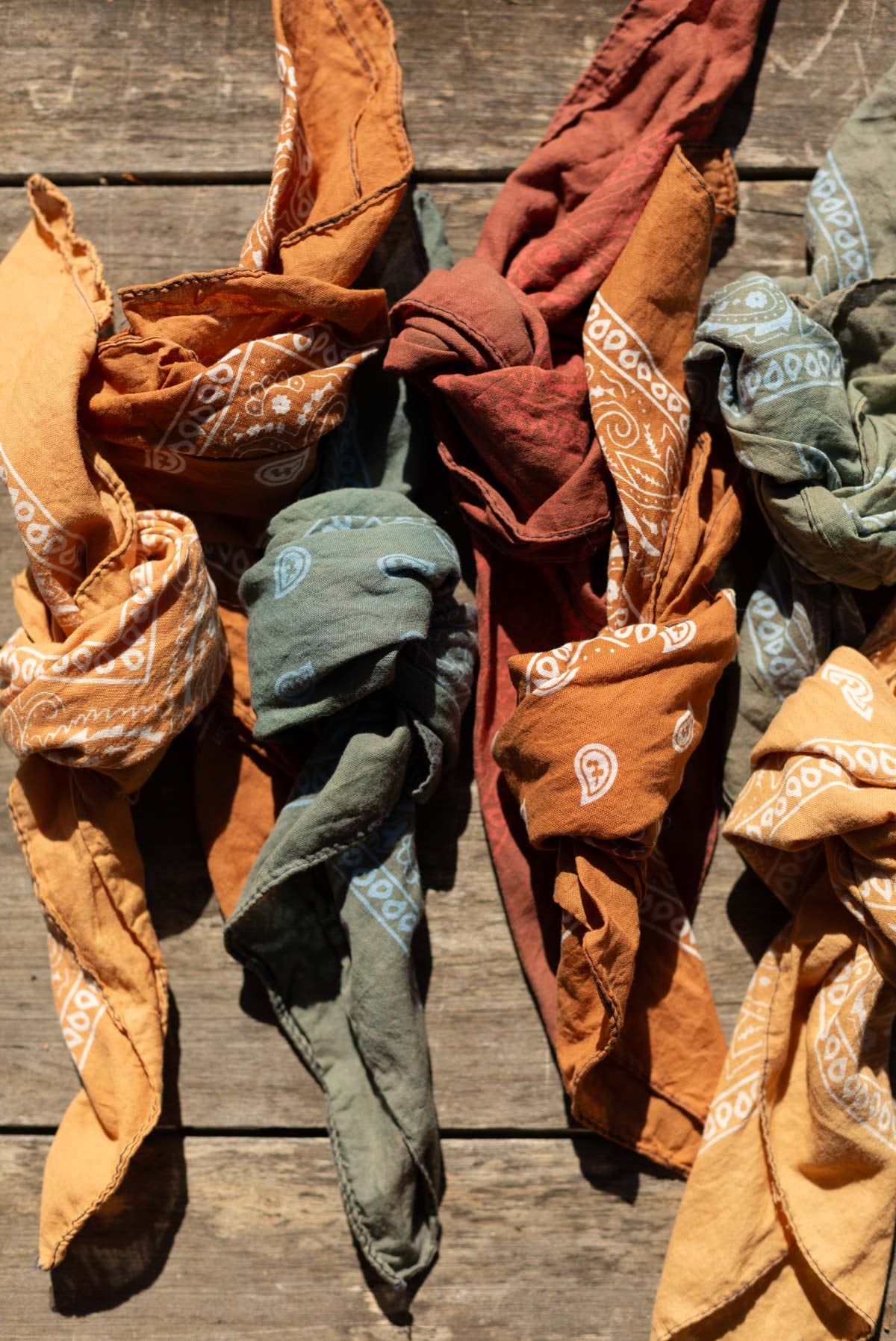
Interestingly, the presence of the handmade fabric napkins prompted an unexpected dynamic among the young guests. Alongside the bandanas, organizers had provided standard paper napkins. Rather than soiling the carefully crafted cloth pieces with food, the children instinctively chose to wear the bandanas around their necks or as headwear to fit the camp theme, relying instead on the paper napkins for practical clean-up duties. This unintended behavior transformed the utility items into wearable party favors that the children could enjoy throughout the event.
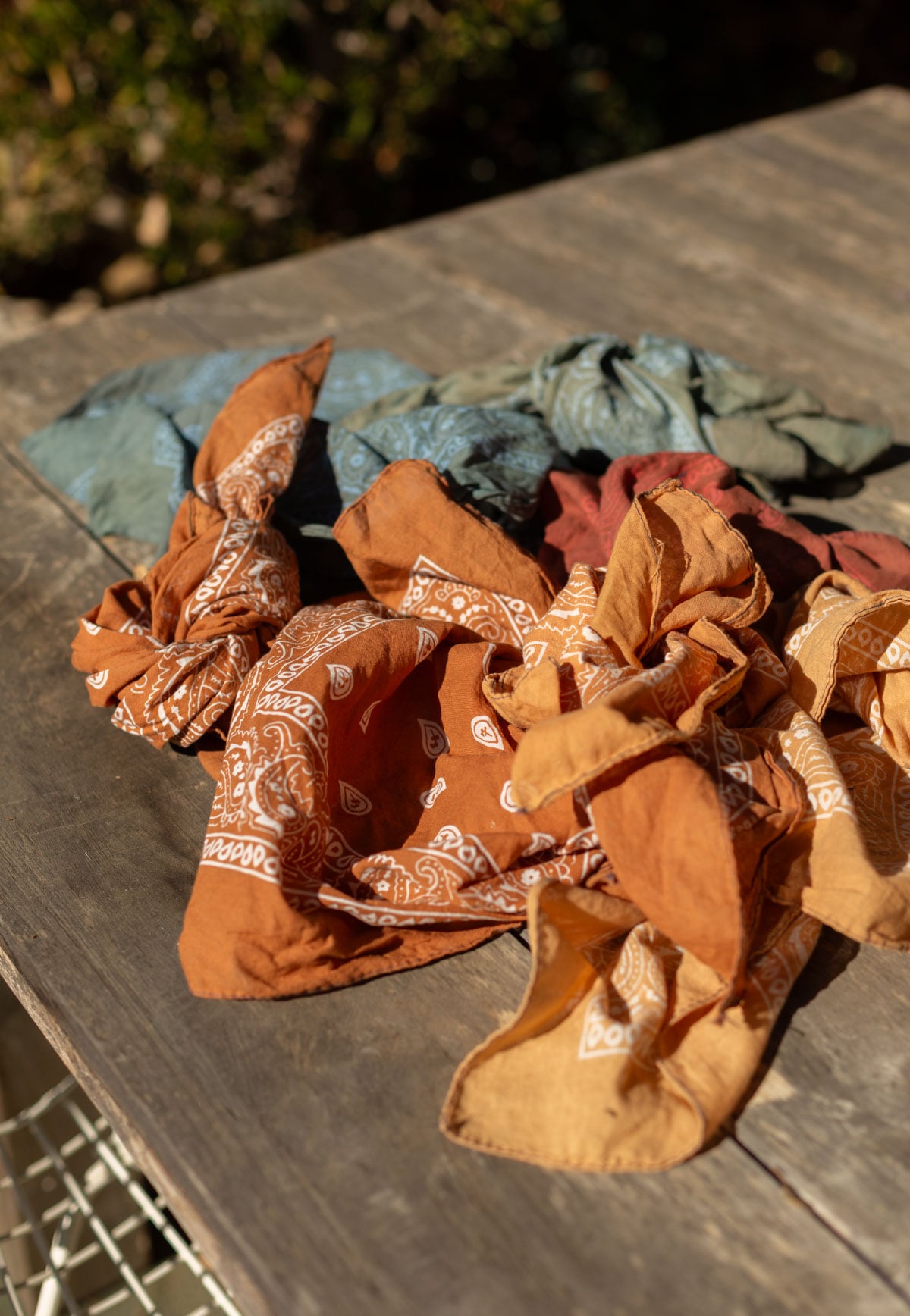
Following the conclusion of the party, several surplus bandanas remained, prompting further experimentation with small-scale pet accessories. One of the leftover earth-tone bandanas was fitted onto the household dog. While the animal’s reaction to the fashion statement was ambiguous at best, the aesthetic result proved undeniably charming, confirming the broad adaptability of the upcycled textiles for wearable items of all sizes.
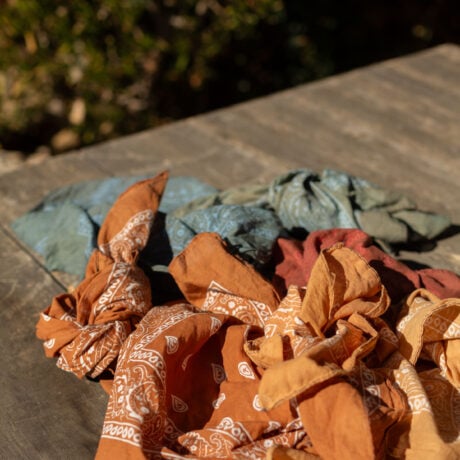
Ultimately, the project highlights the potential of minor textile interventions to breathe new life into surplus or discarded materials. By combining basic chemistry with creative color theory, a batch of unremarkable black bandanas was successfully converted into bespoke, earthy accessories suitable for themed events, everyday wear, and creative crafting projects alike.