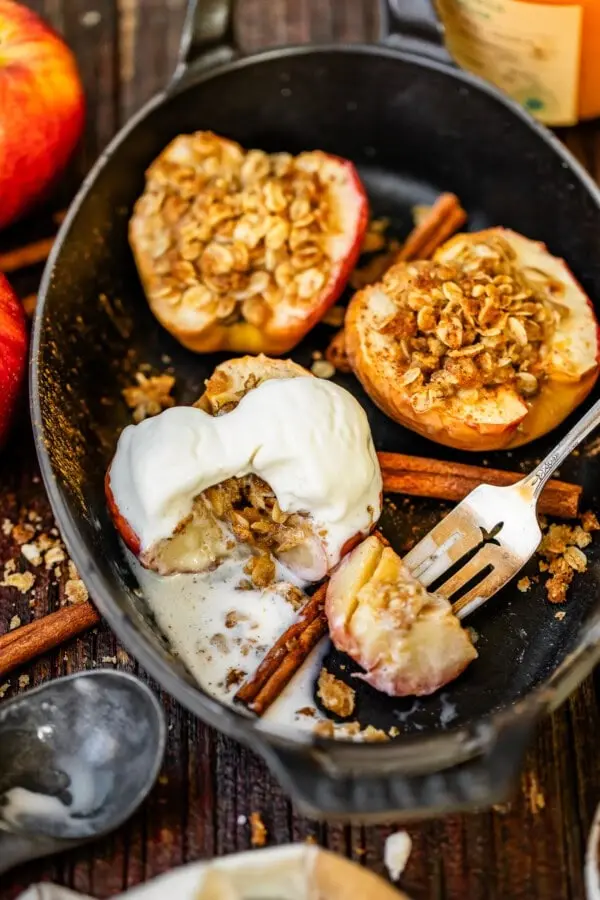
Designed around a minimalist preparation process, the recipe transforms whole apples into self-contained baking vessels topped with a spiced oat crumble. By eliminating the need to peel or dice the fruit, the dish dramatically reduces initial prep time to just five minutes while preserving the tender flesh, golden crispness, and aromatic cinnamon spice characteristic of standard fruit bakes. The resulting four-serving dish offers a balance between low-effort kitchen preparation and high-reward flavor, catering directly to home cooks who want the authentic experience of a warm autumn dessert without dedicating hours to kitchen cleanup.
Reimagining the Apple Crisp Through Minimalist Preparation
The primary friction point in traditional fruit-based baking is almost always the preparatory knife work. Slicing through multiple pounds of apples, peeling away tough skins, and managing uneven fruit sizes can consume twenty to thirty minutes before an oven is even preheated. The baked apple concept sidesteps this laborious routine by utilizing the fruit’s natural anatomy. Rather than breaking the apple down into uniform slices, the fruit is simply sliced in half, and the core and seeds are hollowed out.
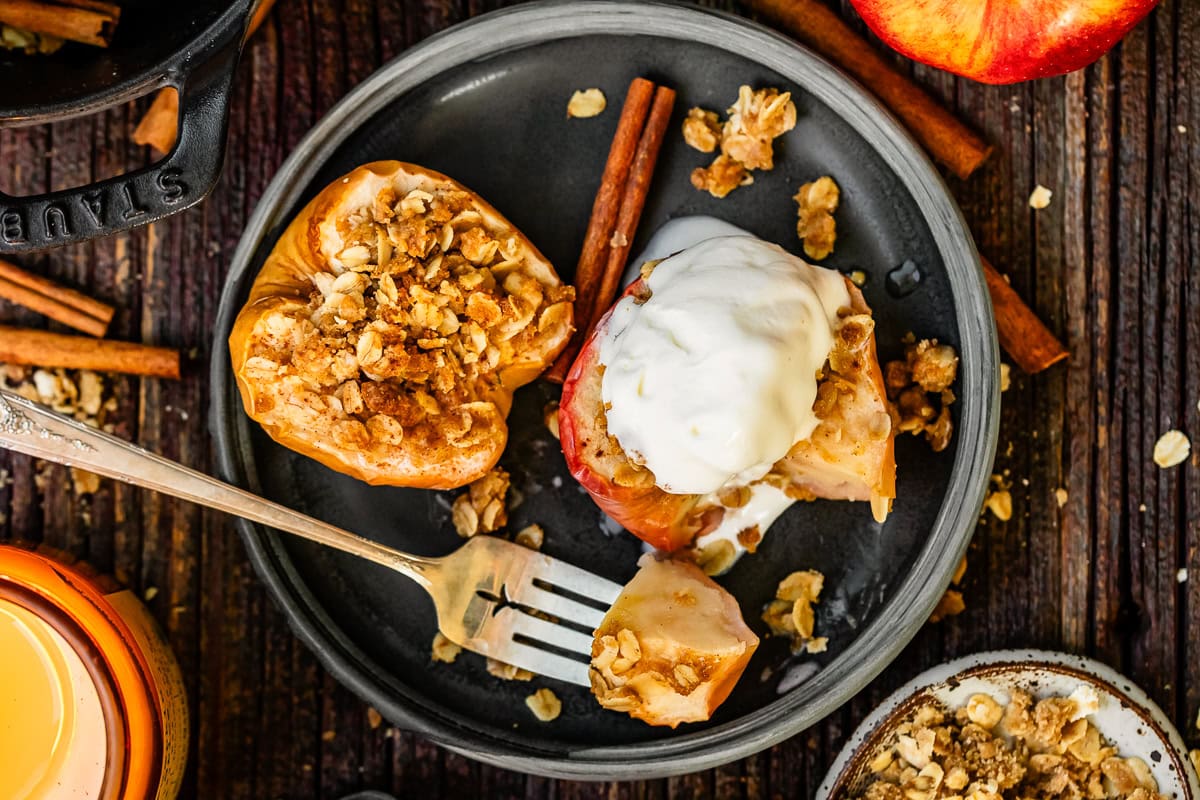
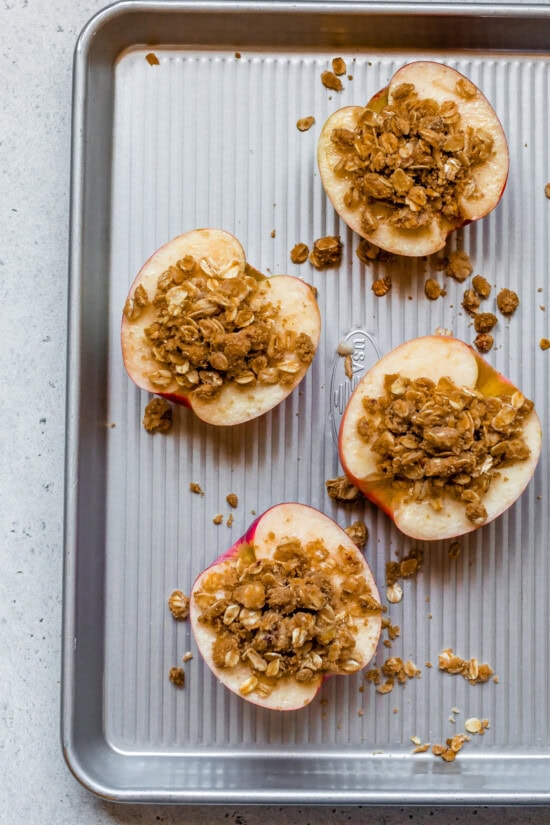
Leaving the skin intact serves both a practical and culinary purpose. Structurally, the outer peel acts as a natural ramekin, holding the fruit together as heat breaks down its cellular structure. This retains the juicy interior while preventing the flesh from turning into an unformatted puree on the baking tray. Functionally, the central cavity created by removing the core becomes a built-in pocket designed specifically to house a topping of rolled oats, brown sugar, and ground cinnamon.
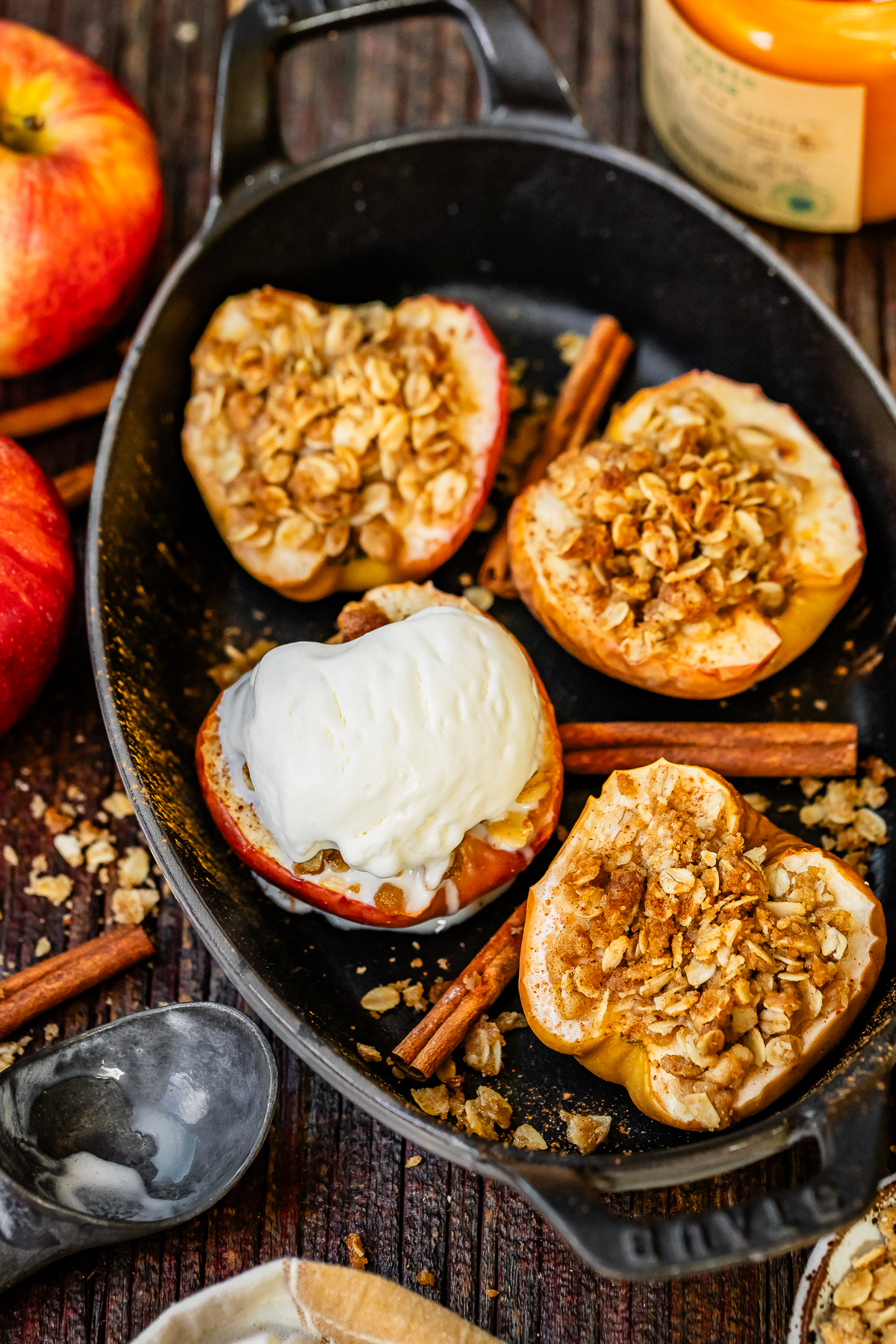
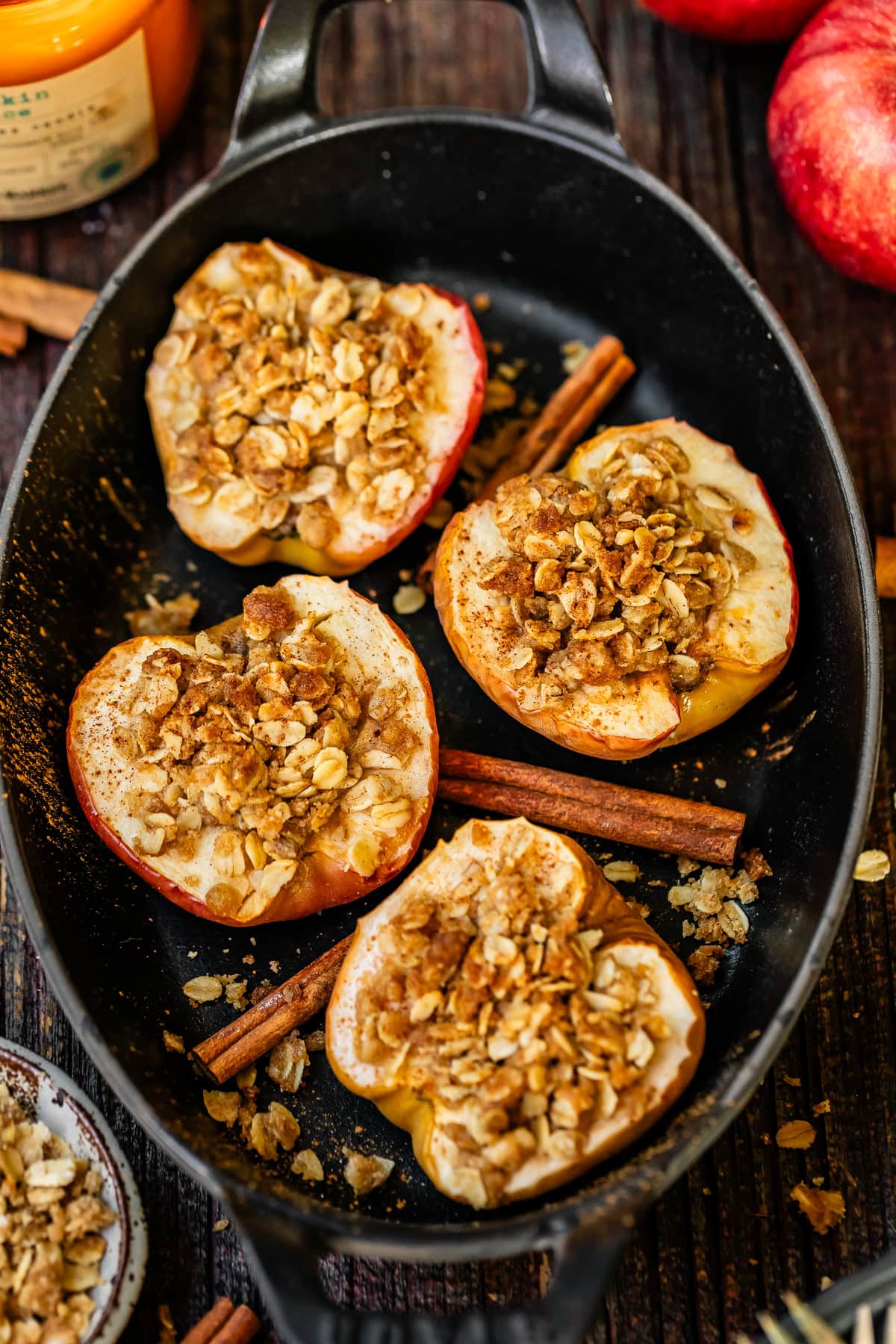
As the apples bake in the oven, the moisture released from the fruit steams the flesh until it achieves a tender, spoon-soft consistency. Simultaneously, the exposed oat crumble topping catches the direct heat of the oven, allowing the butter and brown sugar to melt together and crisp the oats into a golden crust. This contrast between a soft, caramelizing fruit base and a crunchy, spiced topping mirrors the exact textural profile of a full-scale apple crisp, but achieves it through individual, naturally structured portions.
Fruit Selection and Flavor Profile Adaptability
One of the defining characteristics of baked fruit recipes is their adaptability to different apple varieties, allowing cooks to customize the dessert’s sweetness and texture according to personal preference or available harvest stock. Because the baking process concentrates natural sugars through heat and moisture loss, the choice of apple significantly influences the final flavor profile of the dish.

For individuals who prefer a balanced dessert with a pronounced tartness, firm cooking apples like Granny Smith serve as an ideal base. The high acidity and robust structure of Granny Smith apples hold up exceptionally well under oven heat, maintaining a pleasant bite and providing a sharp contrast to the sweet brown sugar and oat crumble.
Conversely, for those seeking a naturally sweeter dessert experience, varieties such as Honeycrisp, Gala, and Pink Lady offer higher natural sugar contents and rich aromatic profiles. Honeycrisp apples, known for their large cell structure and high juice content, soften into a succulent, rich base, while Pink Lady apples contribute a floral sweetness and subtle pink hue near the skin line. Home cooks can also mix and match different apple varieties on the same baking sheet, tailoring individual portions to suit differing household preferences without altering the underlying baking time or preparation technique.

The technique is similarly adaptable beyond apples. For cooks interested in exploring alternative fall and winter fruits, the same core-and-top method translates seamlessly to fresh pears. Baked pears topped with honey and nuts offer a complementary alternative that follows the exact same minimal-prep philosophy, providing versatility throughout the autumn harvest season.
Execution and Make-Ahead Workflow for Entertaining
Beyond its appeal as a swift weeknight dessert, the low-effort nature of the baked apple recipe makes it particularly well-suited for seasonal entertaining. Hosting dinner parties during the autumn months often creates competing demands on oven space and chef attention. Complex desserts that require immediate post-dinner assembly or precise, multi-step baking schedules can introduce unnecessary stress to meal hosting.
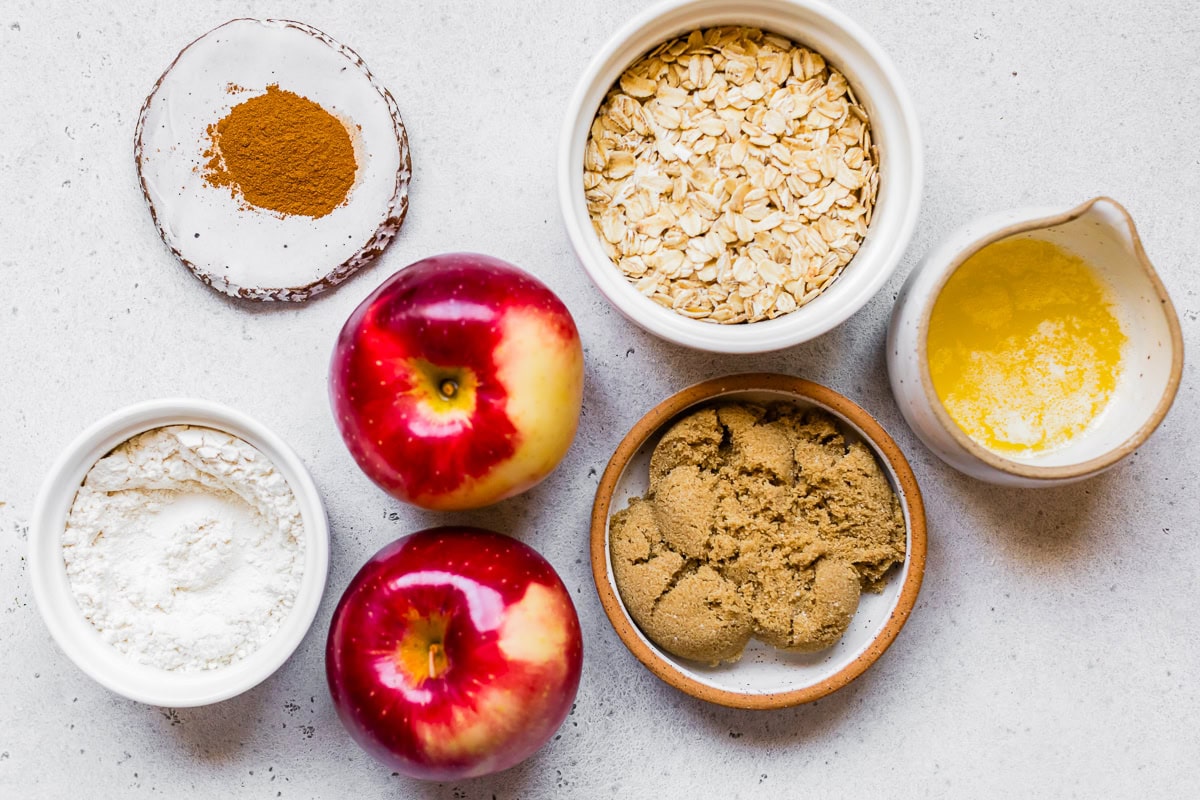
The total operational time for the baked apple recipe spans approximately 35 minutes, consisting of five minutes of active preparation followed by a hands-off 30-minute bake. To make dessert service entirely seamless, home cooks can execute key preparation steps well before guests arrive. The cinnamon-oat crumble topping can be mixed in bulk up to 24 hours in advance and stored in an airtight container at room temperature or in the refrigerator.
A few hours prior to serving, the apples can be halved, cored, and arranged on a parchment-lined or lightly oiled baking sheet. Placing the pre-portioned oat topping directly into the cored center of each apple half completes the assembly phase. When dinner service concludes, the prepped pan can be placed straight into the oven. Thirty minutes later, the apples emerge hot, fragrant, and fully baked, providing a freshly cooked, aromatic dessert with zero live-cooking stress during the meal itself.
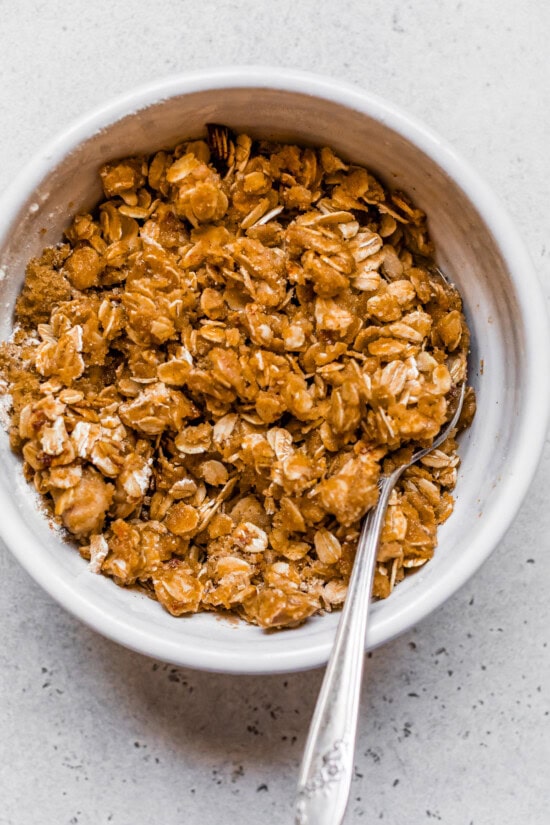
For serving, warm baked apples pair exceptionally well with classic cold accompaniments. A single scoop of vanilla ice cream placed over the hot oat topping creates a classic temperature contrast, as the melting ice cream forms a sweet, creamy sauce that coats the spiced apples and crispy oats.
Nutritional Profile and Portion Balance
In addition to its speed and simplicity, the individual-portion format of baked apples provides built-in portion management and a lighter nutritional profile compared to traditional baked goods. Traditional apple pies and heavily buttered crisps often feature high ratios of refined flour, shortened crusts, and excessive added sugars, which can significantly elevate their caloric density.
By leveraging the natural volume, fiber, and sweetness of whole fruit, the baked apple recipe delivers a satisfying dessert experience with modest nutritional impact. According to the recipe’s nutritional breakdown, a single serving—consisting of one half-apple complete with its spiced oat topping—contains approximately 154 calories.
The complete macro- and micronutrient distribution per serving includes:
- Calories: 154 kcal
- Carbohydrates: 27 g
- Dietary Fiber: 3 g
- Total Sugar: 15.5 g
- Protein: 1.5 g
- Total Fat: 6.5 g
- Saturated Fat: 3.5 g
- Cholesterol: 15.5 mg
- Sodium: 2.5 mg
The presence of three grams of dietary fiber per serving stems largely from retaining the nutrient-dense apple skin and utilizing whole-grain rolled oats in the crisp topping. The sodium content remains extremely low at just 2.5 milligrams, making it a suitable choice for sodium-conscious diners. Furthermore, the recipe is easily adapted for specific dietary requirements; home cooks catering to gluten-sensitive guests need only ensure that the rolled oats and accompanying pantry staples carry certified gluten-free labeling.
By streamlining the mechanics of autumn baking into a five-minute setup and leveraging basic kitchen staples, this baked apple approach offers an efficient, nutritional, and visually appealing solution for enjoying seasonal produce throughout the fall season.