
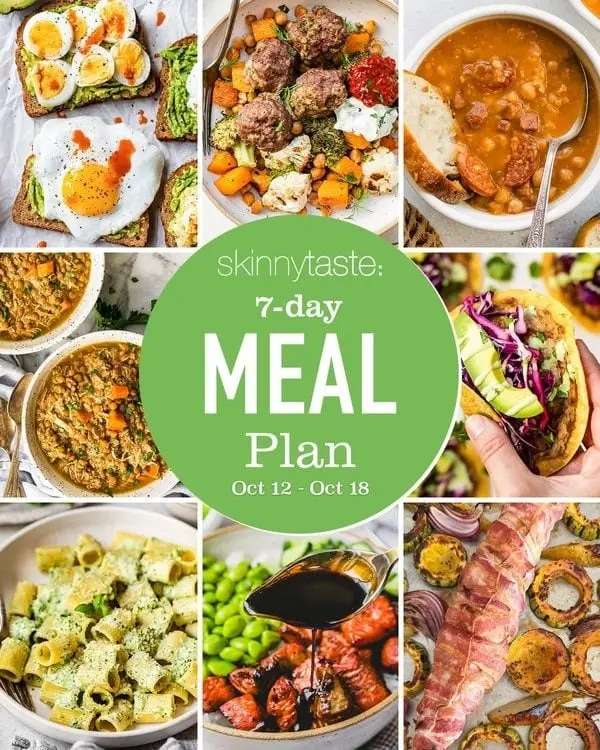
The initiative comes at a time when consumers are increasingly looking for ways to align personal wellness goals with financial reality. By incorporating budget-conscious batch cooking, deliberate leftover management, and seasonal fall produce—most notably pumpkin—the weeklong schedule illustrates how structured meal planning can simultaneously lower food waste, reduce spending on dining out, and support sustainable nutrition.
The Seasonal and Nutritional Focus on Autumn Pumpkin
At the heart of the newly released October menu is a celebration of autumn produce, with pumpkin taking center stage across multiple sweet and savory meal concepts. Beyond its cultural association with the fall season, pumpkin serves as a powerhouse ingredient for nutritional density. Rich in vital micronutrients, pumpkin provides a significant dose of beta-carotene, vitamin A, potassium, dietary fiber, and protective antioxidants. These components make it an ideal base for high-volume, low-calorie dishes that promote satiety without adding excessive dietary fats or refined sugars.
To showcase the versatility of the seasonal squash, the meal plan highlights a variety of culinary applications designed to appeal to diverse palates. On the savory side, comfort-focused options include a rich Pumpkin Sage Soup and a robust Beef Stew served directly inside a whole baked pumpkin, creating a visually compelling and nutrient-dense dinner centerpiece. For sweeter cravings, options like a lighter Low-Fat Pumpkin Bread topped with crunchy pepitas and a festive Pumpkin Pie Dip—frequently served inside a hollowed mini pumpkin—demonstrate how traditional fall treats can be reengineered to fit within balanced nutritional parameters.
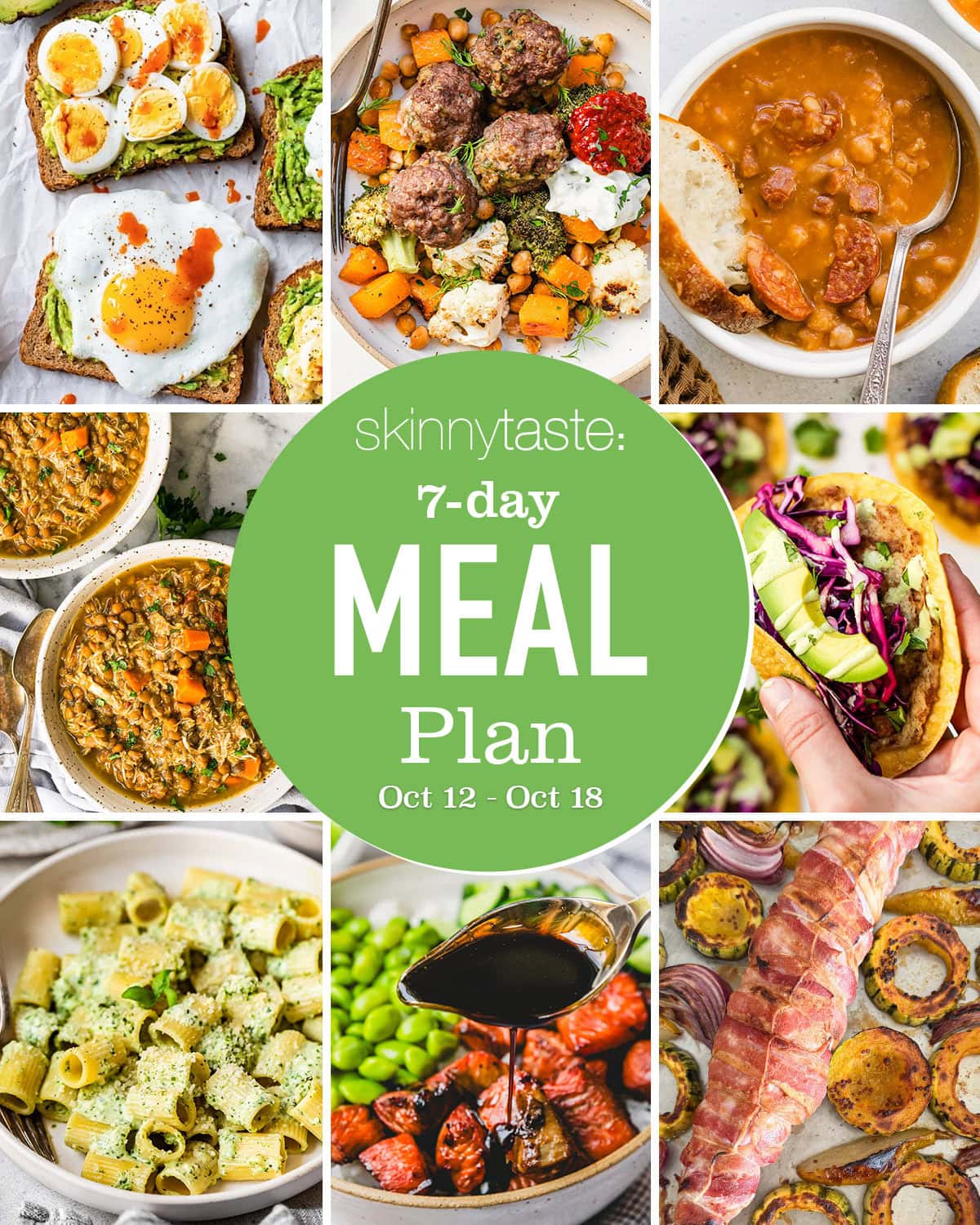
Furthermore, weekend breakfasts incorporate the flavor profile through easy-to-prepare options like Pumpkin Pancake Muffins. By embedding pumpkin across different meal categories throughout the season, the plan encourages home cooks to utilize whole, seasonal ingredients that provide maximum flavor and health benefits during their peak harvest window.
Strategic Meal Planning in an Era of Rising Grocery Costs
Beyond individual health metrics, the release places a timely focus on the economic benefits of home cooking amidst ongoing grocery price inflation. As food expenses continue to account for a larger share of household budgets, strategic meal planning has transitioned from a routine organizational chore to a key financial strategy.
The primary mechanism for cost savings in the program lies in deliberate resource management. By outlining exact ingredients required for an entire week, home cooks can eliminate impulse purchasing, minimize unnecessary trips to the supermarket, and significantly curb food waste—a major driver of wasted food dollars. The plan incorporates intentional leftover strategies, where larger evening meals transformed into convenient, pre-portioned lunches for subsequent days. For instance, preparing a substantial batch of Instant Pot Spanish Garbanzo Stew or Slow Cooker Chicken and Lentil Soup provides multiple meals across several weekdays without requiring additional labor or expense.
For individuals seeking additional economic flexibility, the guide connects users to expanded resources, including five-day budget-friendly meal options offered through the Relish+ digital platform, which provides a two-week trial period for new subscribers. By standardizing grocery purchases and streamlining prep time, the structured routine helps households maintain controlled spending patterns while avoiding the financial trap of last-minute takeaway ordering.

Caloric Guidelines and Customization Flexibility
A central philosophy of the Skinnytaste framework is that weight management routines must avoid overly restrictive calorie limits to remain sustainable over the long term. While individual energy requirements vary widely based on age, current body mass, daily activity levels, and personal wellness goals, the guide establishes a baseline recommendation of approximately 1,500 calories per day for adult women seeking gradual weight loss.
To assist users in identifying their specific daily energy needs, the plan directs readers to official evidence-based tools, such as the USDA MyPlate online calculator. The baseline meal schedules are intentionally calibrated below the target maximum—frequently ranging between 1,100 and 1,230 calories for the primary scheduled meals—specifically to leave substantial "wiggle room." This deliberate buffer allows individuals to seamlessly incorporate personal extras throughout the day, including morning coffee, fresh fruit, evening wine, afternoon snacks, or small desserts, without exceeding their daily caloric target or feeling restricted.
The structural design of the weekly schedule also caters to mixed household needs. From Monday through Friday, breakfast and lunch options are portioned specifically for one person, making them ideal for solo preparation or workplace lunches. In contrast, all weekday dinners, as well as every meal planned across Saturday and Sunday, are formatted to serve a family of four. This dual structure ensures that single individuals can manage their daytime nutrition efficiently while still sharing wholesome, balanced meals with family members in the evening and on weekends.
Day-by-Day Menu Architecture
The weekly menu showcases a diverse mix of lean proteins, complex carbohydrates, healthy fats, and vegetable-forward side dishes designed to keep daily dining interesting and nutritious.
Monday
- Breakfast: Avocado Toast paired with a sunny-side-up egg.
- Lunch: Double-serving of Cranberry Chicken Salad served over fresh apple slices.
- Dinner: Creamy Pesto Pasta enriched with cottage cheese for added protein, served alongside Parmesan Zucchini.
- Tracked Total: 1,116 calories.
Tuesday
- Breakfast: Air Fryer Breakfast Banana Split featuring warm fruit and toppings.
- Lunch: Cranberry Chicken Salad on crisp apple slices.
- Dinner: Chicken Smash Tacos drizzled with Creamy Jalapeno Sauce, paired with Cilantro Lime Cauliflower Rice.
- Tracked Total: 1,232 calories.
Wednesday
- Breakfast: A High Protein Zucchini Omelet sized for one.
- Lunch: Cranberry Chicken Salad on apple slices.
- Dinner: Instant Pot Spanish Garbanzo Stew offering a hearty, plant-forward evening meal.
- Tracked Total: 1,125 calories.
Thursday
- Breakfast: Air Fryer Breakfast Banana Split.
- Lunch: Leftover Instant Pot Spanish Garbanzo Stew saved from Wednesday’s dinner.
- Dinner: Sheet Pan Meatballs roasted alongside chickpeas, cauliflower, and sweet butternut squash.
- Tracked Total: 1,179 calories.
Friday
- Breakfast: Avocado Toast topped with a sunny-side-up egg.
- Lunch: Final serving of leftover Instant Pot Spanish Garbanzo Stew.
- Dinner: Double portion of Teriyaki Salmon Bowls cooked via air fryer or oven.
- Tracked Total: 1,123 calories.
Saturday
- Breakfast: Freshly baked Pumpkin Pancake Muffins.
- Lunch: Slow Cooker Chicken and Lentil Soup.
- Dinner: Open evening scheduled for a restaurant meal or dinner out, providing social flexibility.
- Tracked Total: 594 calories (excluding evening dining out).
Sunday
- Breakfast: Savory Steel Cut Oats prepared for four.
- Lunch: Leftover Slow Cooker Chicken and Lentil Soup.
- Dinner: Bacon-Wrapped Pork Tenderloin served alongside a raw shredded Brussels sprouts salad dressed with lemon and olive oil.
- Tracked Total: 1,104 calories.
Companion Resources and Digital Support Networks
To support execution, the meal plan is paired with a comprehensive, categorized grocery list divided into produce, meat and poultry, dairy, canned goods, grains, and dry essentials. The shopping framework explicitly accommodates dietary modifications, offering seamless substitutions such as gluten-free grains or plant-based alternatives without compromising the underlying nutritional balances. Access to digital spreadsheets via Google Docs allows users to modify lists on mobile devices directly while shopping.
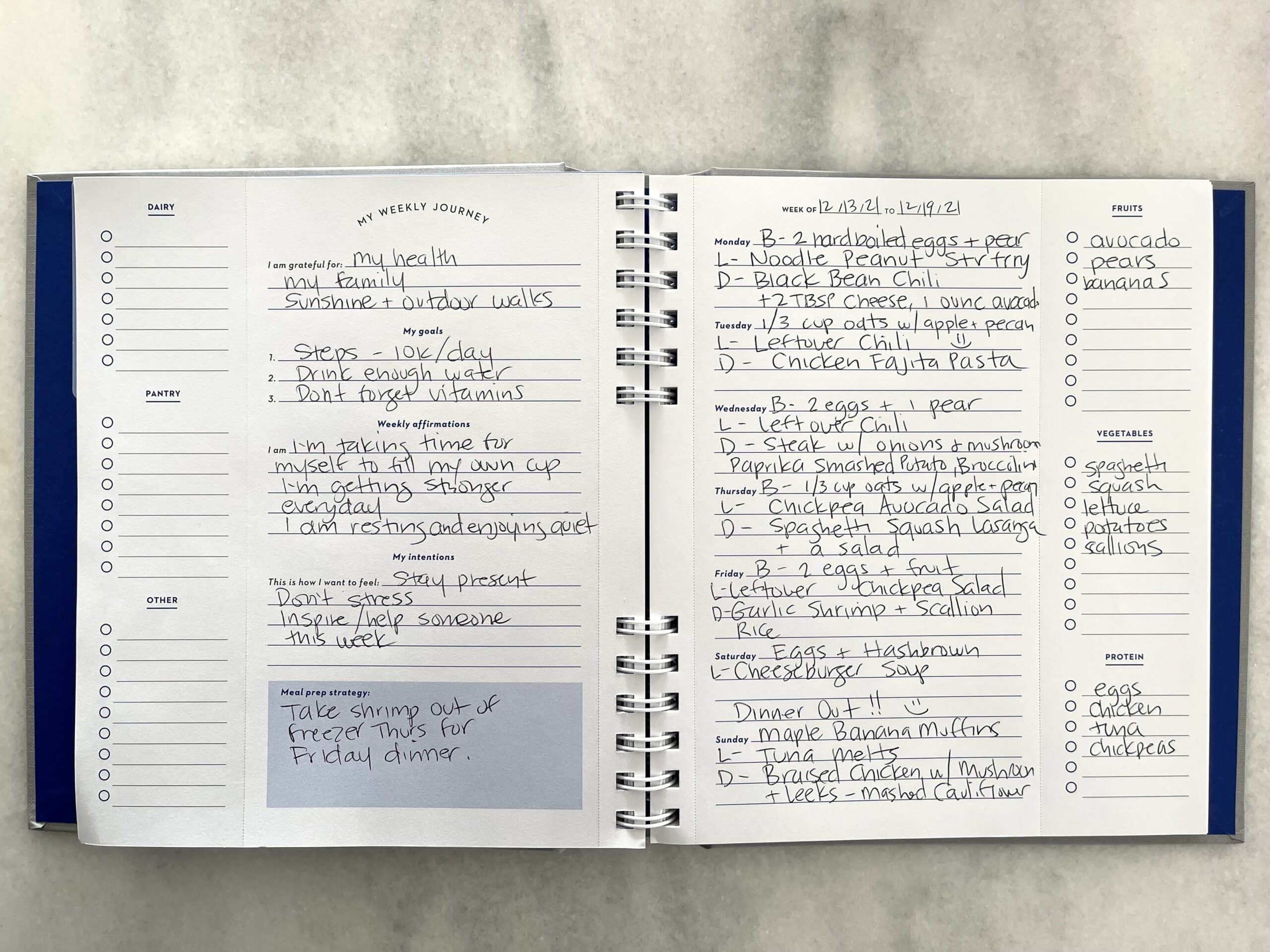
For individuals looking for tangible physical organizational tools, the program highlights the published Skinnytaste Ultimate Meal Planner. The 52-week spiral-bound planner provides dedicated weekly meal grids, tear-out shopping lists, 30 curated recipes, a 12-week structured guide, and dedicated daily spaces for intentions, affirmations, and gratitude journaling.
Recognizing that long-term lifestyle adherence relies heavily on community accountability, participant engagement is actively cultivated through peer-to-peer digital spaces. The dedicated Skinnytaste Facebook Community offers a platform where thousands of home cooks share meal photographs, swap regional ingredient modifications, and offer practical encouragement. Combined with direct email subscription services that deliver weekly menus straight to user inboxes, the comprehensive ecosystem provides the structural, financial, and emotional backing necessary for individuals to achieve their health and wellness goals throughout the fall season.