
Growing up, Fomichova experienced her parents’ home as an "ice castle"—an environment where everything was orderly, aesthetically pleasing, and impeccably maintained, yet emotionally distant and cold. Her mother prioritized duty over desire, discouraging Fomichova from doing what she truly wanted and requiring her instead to focus solely on what was deemed necessary. Enduring exhausting days that ended in quiet frustration and suppressed tears, Fomichova was repeatedly met with a single refrain from her mother: "You have to endure it. That’s how everyone lives."
In stark contrast stood the home of her grandmother, a place marked by warmth, creative expression, and uncalculated joy. Her grandmother’s house was rarely pristine because it was constantly alive with activity—whether baking, sewing, tending to garden flowers, or experimenting with new recipes simply for the happiness of it. She respected personal choices, adored animals, and embraced life’s simple pleasures, often inviting Fomichova to sleep outside under the stars on warm summer nights—an experience her mother consistently forbade.
While her grandmother was not without flaws, she provided a vital counterweight to the rigid expectations of Fomichova’s upbringing. She imparted a fundamental lesson that registered deeply within Fomichova’s nervous system: balance. Life did not require forcing oneself through every difficulty out of obligation; rather, many aspects of human existence flourish when driven by inspiration. Crucially, her grandmother modeled the concept that while the outside world may be stressful and demanding, the home must serve as a sanctuary of rest.
Drawing from these formative lessons and her own adult experiences, Fomichova emphasizes that true healing requires dismantling reflexive, counterproductive habits that people lean on after difficult days. Rather than regulating the nervous system, many common post-stress behaviors merely postpone emotional processing, making subsequent days even harder. Below are five widespread habits that impede genuine recovery, along with healthier, restorative alternatives.
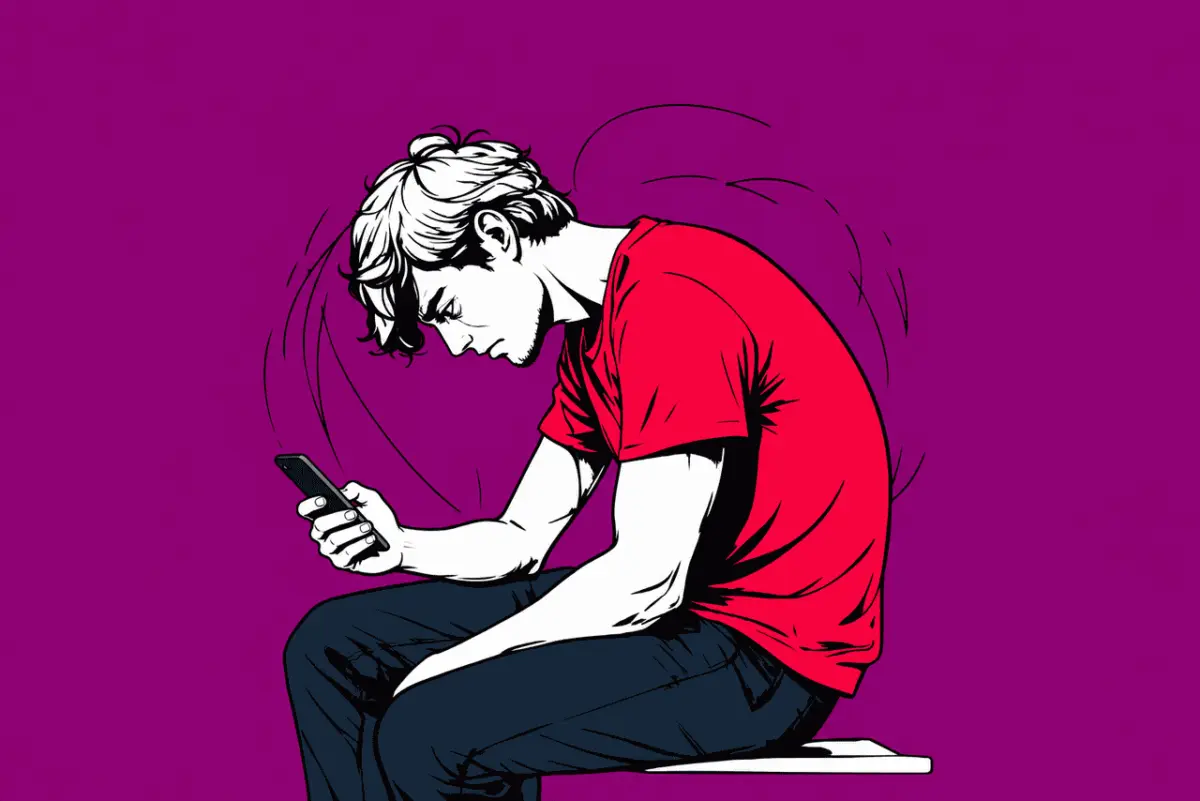
1. Scrolling until you forget why you picked up your phone
Reaching for a smartphone after an emotionally taxing day often feels harmless, serving as a quick attempt to unwind. However, what begins as a few intended minutes on social media frequently escalates into hours of passive consumption. Instead of feeling rested, individuals often emerge from these sessions feeling significantly more overwhelmed and emotionally fatigued.
According to Fomichova, the brain compulsively seeks digital distraction because slowing down forces a person to confront their underlying exhaustion. Digital algorithms are designed to flood users with recommendations, unsolicited opinions, and high-stimulation content that rarely aligns with what their mind actually needs.
To counter this digital sensory overload, Fomichova advocates for rituals grounded in quietude and simplicity. Restoring the nervous system does not require additional information; it requires space and quiet.
- Practicing intentional stillness: Sitting in complete quiet for ten minutes without reaching for a device allows the brain to process latent stress.
- Connecting with basic sensory comforts: Preparing a warm cup of tea, resting near an open window, or taking a warm bath or shower offers immediate physical grounding.
- Engaging with nature: Observing a sunset, spending time near water, or lingering in a local green space helps down-regulate stress levels.
Even without access to expansive gardens, spending a few uninterrupted minutes in a modest neighborhood park can help the body relax. Choosing silence over digital consumption ultimately yields far greater mental clarity and authentic inspiration than hours spent browsing curated online feeds.
2. Ignoring your emotions
Many adults were conditioned in childhood to adopt emotional masks as a coping mechanism, relying on standard defensive phrases such as "I’m fine," "It wasn’t that bad," or "I’ll deal with it tomorrow." While postponing emotional processing can occasionally be a practical short-term choice, habitually burying feelings causes them to persist beneath the surface. Over time, suppressed emotions manifest as chronic anxiety, irritability, persistent exhaustion, or emotional numbness.
Fomichova notes that wearing an emotional mask was a requirement during her childhood, where maintaining the appearance that everything was fine took precedence over genuine feelings. She was expected to smile and comply regardless of her internal state. Recognizing the harm of this pattern, she made a deliberate choice in adulthood to abandon emotional performance.
Acknowledging emotional pain is not a sign of weakness, but a foundational requirement for psychological health. Healing begins with the quiet courage to admit a simple truth: "Today was hard."
Fomichova applies this principle directly to parenting, ensuring her daughter is never forced to pretend she is okay when she is suffering. By creating space for every emotion to exist, individuals learn that feelings do not make them fragile; rather, pretending those feelings do not exist undermines their resilience.
3. Treating stress like a personal failure
A common psychological trap is interpreting stress as evidence of personal inadequacy or lack of fortitude. Self-criticism often replaces constructive inquiry, preventing individuals from evaluating what triggered the overwhelm in the first place.
Stress is inherently neutral information. It serves as a biological signal indicating that a person may have taken on too much responsibility, neglected fundamental physical needs, or permitted their personal boundaries to erode. Furthermore, many stressful events stem from external factors beyond individual control, such as the unpredictable behavior, demands, or disappointments caused by others.

Reflecting on her childhood, Fomichova recalls a metaphor her grandmother frequently shared, likening unexpressed emotions to tiny worms: "If you keep them trapped inside, they’ll start nibbling at you from within." Letting go of these internal pressures requires processing feelings fully and releasing them rather than internalizing stress as a defect of character.
Carrying yesterday’s tension into today creates an unsustainable baseline of strain. By treating each morning as a clean slate, individuals can address life’s challenges freshly, without the compounding weight of past difficulties.
4. Trying to earn rest
Modern productivity culture conditions individuals to view rest as a reward that must be earned only after completing an endless list of tasks. Whether it is answering one final email, completing another household chore, or working an extra hour, the finish line continuously recedes, leaving rest perpetually out of reach.
Rest, however, is a fundamental biological necessity rather than a luxury or privilege. The human brain and body cannot recover when kept in a perpetual state of vigilance, waiting for external permission to pause. Postponing self-care until every obligation is met guarantees that recovery will never occur.
Fomichova candidly shares that she previously operated in a state of constant hustle, believing that relentless busyness equated to high productivity. Upon slowing down, she realized that much of her time was consumed by automatic, low-impact habits that yielded little meaningful value. Constant motion frequently masks underlying anxieties—such as the fear of falling behind, missing opportunities, or being outpaced by others.
When individuals establish a healthy balance between effort and recovery, both well-being and creative output improve. Shifting from mechanical "production" designed to satisfy external expectations to intentional "creation" allows work and life to become more vibrant, authentic, and sustainable.
5. Looking for instant relief instead of real recovery
Following an intense day, the impulse to seek immediate comfort is powerful. Common outlets include impulsive eating, online shopping, alcohol consumption, endless television binging, or prolonged phone usage. While these activities are not inherently harmful in moderation, relying on them as primary coping mechanisms creates a cycle of temporary numbing rather than true restoration.
Instant relief distracts from discomfort, whereas real recovery actively heals it. Genuine restorative practices are often quiet and unglamorous, yet they yield long-term emotional resilience:
- Engaging in meaningful human connection: Having an honest, supportive conversation with a trusted friend or family member.
- Restorative physical habits: Prioritizing eight hours of uninterrupted sleep, taking quiet walks, or engaging in gentle movement.
- Reflective activities: Reading, journaling, or listening to calming music.
True healing does not mask emotional pain; it acknowledges the discomfort with patience and understanding, allowing internal wounds to settle and repair over time. Shedding the compulsion to use quick fixes allows individuals to address their underlying needs directly.
Stress Doesn’t Mean You’re Failing
The primary misconception surrounding stress is the belief that experiencing it represents a personal shortcoming. Society frequently demands constant availability, rapid pace, and continuous output, punishing individuals internally when they reach their natural physical or emotional limits.
As Fomichova’s grandmother observed: "A stressful day doesn’t mean you’re weak. It doesn’t mean you’re failing. It doesn’t mean you’re doing life wrong. It simply means your mind and body are asking for care instead of criticism."
A transformative approach to stress recovery involves shifting self-talk from harsh judgment to compassionate care. When overwhelmed, individuals can benefit from viewing their exhausted adult self through the lens of a tired child who has endured a difficult day. Rather than demanding higher output or forcing a smile, a compassionate response focuses on providing safety, warm nourishment, physical comfort, and quiet reassurance.
Self-care after a stressful period is not about enforcing optimism or toughness; it is about cultivating an internal environment of safety and patience. The ongoing demands of the world will remain tomorrow, but prioritizing nervous system health today ensures that each new day can begin with clarity, strength, and true resilience.
About Oleksandra Fomichova
Oleksandra Fomichova is a writer and visual storyteller exploring self-worth, boundaries, healing, authenticity, and the quiet process of becoming yourself. Her writing draws from lived experience and a lifelong relationship with creativity. She is the author of Under My Skin and Empath Diaries and writes about what happens when we stop performing our lives for others and begin living them for ourselves.