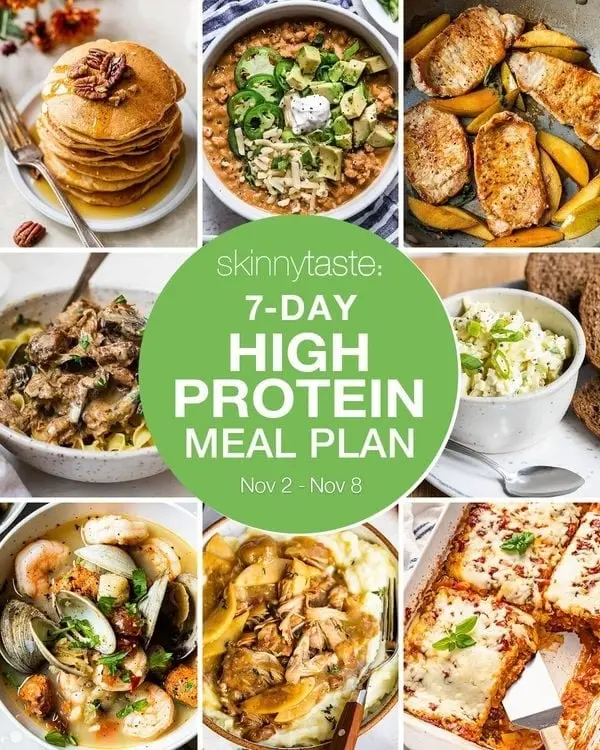
The release arrives at a time when seasonal ingredients like winter squash, apples, pears, and hearty greens reach peak flavor and availability. By pairing fresh autumn produce with lean protein sources, the meal plan offers a structured yet adaptable approach to daily nutrition, featuring built-in calorie and protein tracking for breakfast, lunch, and dinner.
Seasonal Produce Takes Center Stage
Central to the late-fall menu design is the integration of seasonal autumn vegetables, notably winter squash. Rich in essential vitamins A and C, winter squash plays a vital role in supporting visual health, maintaining skin integrity, and reinforcing immune function. Furthermore, its high fiber and antioxidant content supports optimal digestion and cardiovascular health.
Skinnytaste highlights several fall-inspired dishes within its recipe ecosystem, such as Stuffed Turkey Breasts with Butternut Squash and Figs, which delivers a protein-packed seasonal entree, alongside an Autumn Kale Salad with Chicken that brings vibrant autumn colors and varied textures to the plate. The current seven-day rotation integrates these seasonal notes into accessible home-cooked meals designed for both individual prep and family dining.
Update About New WW Points Plan
For subscribers and home cooks utilizing the Weight Watchers program, the recent introduction of new zero-point foods—including staple items like oatmeal—marks a significant shift in daily point calculations. Skinnytaste is currently undergoing a site-wide review to update historical recipe archives ranging from 2018 through 2025 to reflect these latest program modifications.
To maintain accuracy for current users, every recipe featured across the platform is directly linked to the official Weight Watchers Recipe Builder. Accessible via mobile devices, this integration automatically calculates updated point values based on individual user profiles and current system algorithms, ensuring seamless tracking even as database updates continue.
Why High Protein?
The emphasis on protein-centric meal planning stems from a growing body of dietary research highlighting the macronutrient’s role in satiety, lean muscle maintenance, and blood sugar stabilization. Skinnytaste creator Gina Homolka shares that adopting a high-protein dietary routine in recent years proved instrumental for muscle gain and energy regulation, helping eliminate midday fatigue and reducing the impulse for late-night snacking on sweet or salty foods.
Recognizing that many home cooks find it challenging to reach daily protein targets, the newly published meal plan establishes a consistent template. The framework targets a daily benchmark of roughly 120 grams of protein, distributed across three primary meals averaging 30 grams of protein each, supplemented by high-protein snacks providing an additional 10 to 30 grams.

This seven-day plan serves as an initial installment in an ongoing series, with plans to release one to two specialized high-protein meal plans monthly, alongside a dedicated high-protein cookbook currently in development.
How It Works
Designed as a flexible blueprint rather than a rigid regimen, the high-protein meal plan allows room for personal customization. Users are encouraged to adjust portion sizes, incorporate additional beverages, fruits, desserts, or snacks, and swap individual recipes using the platform’s course index.
While individual caloric requirements vary based on age, weight, activity levels, and personal health targets, the meal plan sets a baseline target around 1,500 calories daily for women. To help users determine their precise metabolic needs, external nutritional guidance tools, such as the USDA MyPlate plan calculator, are recommended alongside professional consultations with registered dietitians or nutritionists.
Note
While elevated protein consumption offers proven advantages for many healthy adults, healthcare experts emphasize that high-protein regimens may not be appropriate for everyone. Individuals managing pre-existing medical conditions—including kidney disease, liver disease, gout, specific metabolic disorders, or age-related declines in renal function—may require protein restrictions to prevent clinical complications.
Health authorities advise consulting a qualified physician or clinical dietitian prior to implementing significant dietary modifications, particularly when increasing daily macronutrient thresholds.
For community support and recipe sharing, participants are encouraged to connect through the active Skinnytaste Facebook Community, where members exchange meal photos, prep tips, and personal modifications, or subscribe to the platform’s digital mailing list for ongoing updates.
Ultimate Skinnytaste Meal Planner
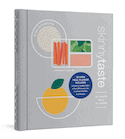
To support long-term organization and habit building, the platform continues to highlight the Ultimate Skinnytaste Meal Planner. This 52-week spiral-bound resource features tear-out weekly planning grids for display, a structured 12-week guided meal framework, 30 curated recipes (including 15 exclusive dishes), and detachable grocery lists. Designed to foster a holistic approach to wellness, the planner also incorporates designated spaces for daily gratitude, affirmations, and weekly intentions.
High Protein Diet Meal Plan:
The weekly rotation is structured to streamline preparation. Breakfasts and lunches from Monday through Friday are calibrated to serve a single individual, minimizing waste and simplifying prep for workdays. Conversely, all evening dinners, as well as all weekend meals, are sized to feed a family of four. Several dinner recipes intentionally yield generous portions, providing built-in leftovers for subsequent lunches.
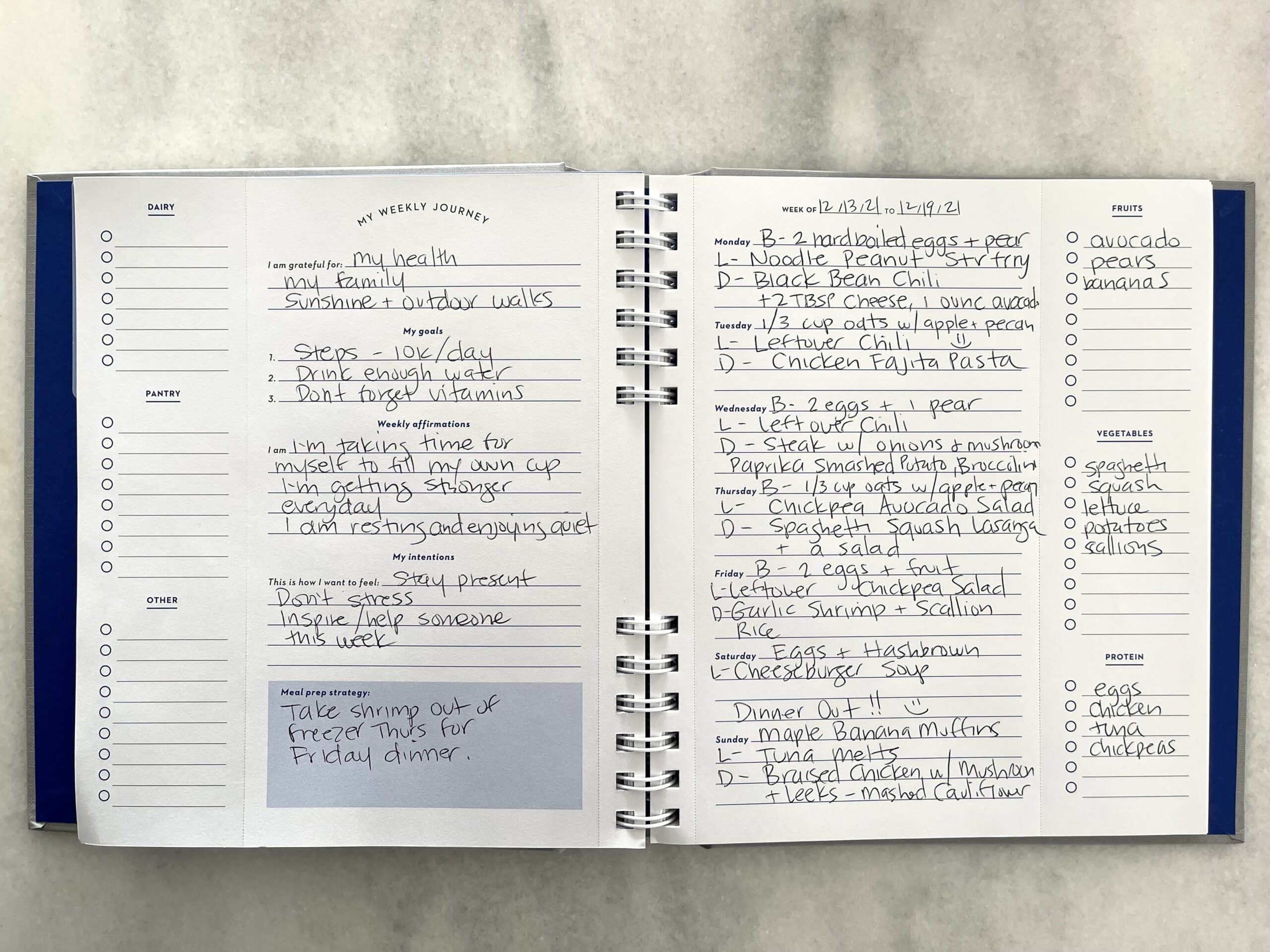
The accompanying master grocery list encompasses all necessary ingredients across standard supermarket departments, with recommendations to incorporate high-protein snacks as needed to satisfy personal energy demands.
Monday (11/2)
- Breakfast: Egg White Grill
- Lunch: Tuna and White Bean Salad
- Dinner: Ratatouille Lasagna
- Daily Nutritional Summary: 1,236 Calories; 120g Protein
Tuesday (11/3)
- Breakfast: Egg White Grill
- Lunch: Tuna and White Bean Salad
- Dinner: White Bean Turkey Chili (half recipe) topped with 2 tablespoons Greek yogurt, 2 tablespoons Monterey Jack cheese, 1 ounce avocado, and 10 crumbled tortilla chips
- Daily Nutritional Summary: 1,364 Calories; 120g Protein
Wednesday (11/4)
- Breakfast: Egg White Grill
- Lunch: Leftover White Bean Turkey Chili (half recipe) topped with 2 tablespoons Greek yogurt, 2 tablespoons Monterey Jack cheese, and 1 ounce avocado
- Dinner: Slow Cooker Beef Stroganoff
- Daily Nutritional Summary: 1,390 Calories; 126g Protein
Thursday (11/5)
- Breakfast: Egg White Grill
- Lunch: Leftover Slow Cooker Beef Stroganoff
- Dinner: Pork Chops with Pears and Spicy Mustard Greens
- Daily Nutritional Summary: 1,335 Calories; 128g Protein
Friday (11/6)
- Breakfast: Air Fryer Breakfast Banana Split
- Lunch: Leftover Slow Cooker Beef Stroganoff
- Dinner: Portuguese Seafood Stew served with 2 ounces of multigrain baguette
- Daily Nutritional Summary: 1,442 Calories; 125.5g Protein
Saturday (11/7)
- Breakfast: Whole Wheat Pumpkin Pancakes with Pecans, served with 1 tablespoon maple syrup
- Lunch: Cheeseburger Crunch Wrap (double portion) accompanied by 8 baby carrots
- Dinner: Dinner Out (flexible personal meal)
- Daily Nutritional Summary: 668 Calories; 44g Protein (excluding dinner out)
Sunday (11/8)
- Breakfast: Breakfast Taco Scramble
- Lunch: High Protein Egg Salad (quadruple portion target) served on 1 slice of whole grain toast with 1 cup of sliced cucumbers
- Dinner: Crockpot Chicken with Apples, accompanied by Garlic Mashed Potatoes and String Beans with Garlic and Oil
- Daily Nutritional Summary: 1,481 Calories; 123g Protein
Comprehensive Grocery List Framework
To facilitate efficient shopping, the meal plan’s required ingredients are organized by traditional grocery store sections. Shoppers requiring gluten-free options can easily adapt grain selections throughout the list.
- Produce: Fresh herbs, seasonal fall items including pears, apples, winter squash, avocados, spicy mustard greens, cucumbers, carrots, and garlic.
- Meat, Poultry, and Fish: Lean ground turkey, beef cuts for slow cooking, pork chops, mixed seafood for stew, tuna, and fresh chicken.
- Dairy and Refrigerated Items: Egg whites, whole eggs, Greek yogurt, shredded Monterey Jack cheese, and milk alternatives.
- Canned and Jarred Goods: White beans, canned tomatoes, broths, and specialty seasonings.
- Grains and Bakery: Multigrain baguettes, whole grain bread, whole wheat pancake mix, and tortilla wraps (gluten-free variants may be substituted as needed).
- Pantry Staples and Dry Goods: Pecans, maple syrup, cooking oils, and spices.