
Central to this modern evolution is the adaptation of traditional recipes to meet diverse dietary preferences, cooking technologies, and international flavor profiles. By substituting lighter proteins like ground turkey, incorporating high-fiber binders like oats and sweet potatoes, and introducing quick-cooking appliances such as air fryers and sheet pans, meatloaf is proving to be one of the most adaptable centerpieces in contemporary meal planning.

The Modern Evolution of Meatloaf
For generations, standard meatloaf relied heavily on a predictable formula: ground beef, breadcrumbs, milk, eggs, and a top coating of sweetened ketchup. While satisfying, this traditional preparation often lagged behind contemporary nutritional goals and time constraints.
The shift toward healthier, more dynamic cooking has reimagined how this home staple is constructed. Lean ground turkey has emerged as a preferred alternative or complement to ground beef, offering a lighter profile that readily absorbs added seasonings and sauces. Furthermore, culinary approaches now routinely incorporate hidden or blended vegetables—such as zucchini, sweet potatoes, and spinach—which serve the dual purpose of boosting nutritional content and maintaining essential moisture during the baking process.

In addition to ingredient adjustments, the equipment used to prepare meatloaf has expanded beyond the standard rectangular loaf pan. Sheet pans, cast-iron skillets, muffin tins, air fryers, and even outdoor aluminum foil packets are now widely utilized to reduce cooking times, streamline cleanup, and create varied textures ranging from crispy edges to tender, evenly cooked centers.
Exploring 13 Distinct Meatloaf Variations
To accommodate different schedules, appliance setups, and taste preferences, a wide range of custom meatloaf preparations has emerged. These thirteen distinct recipe variations illustrate how simple swaps in glazes, binders, and cooking methods can reinvent the classic dish.

The Best Turkey Meatloaf Recipe
Serving as a foundation for lightened comfort dining, this foundational recipe replaces traditional beef entirely with juicy ground turkey. The meat mixture is combined with aromatic diced onions, eggs, and breadcrumbs to establish a tender interior structure. It is finished with a signature top glaze featuring ketchup elevated by Worcestershire sauce, creating a tangy, savory bite that preserves the familiar charm of a conventional meatloaf while reducing overall fat content.
Meatloaf and Brown Gravy
Designed to deliver maximum comfort for larger gatherings, this version yields twelve servings and utilizes a balanced combination of ground beef and ground turkey. To boost fiber and structural integrity without relying solely on refined grains, the recipe incorporates nutritious rolled oats into the mix. Rather than the standard tomato-based glaze, the baked loaf is generously drizzled with a rich, savory brown gravy, making it an ideal candidate for pairing with traditional mashed side dishes.

Enchilada Turkey Meatloaf
Drawing inspiration from Tex-Mex culinary traditions, this vibrant six-serving recipe embeds sweet corn, black beans, fresh cilantro, and mild green chilies directly into the ground turkey mixture. Instead of ketchup, the entire loaf is smothered in enchilada sauce and topped with shredded cheese that melts into a savory crust during the final minutes of baking.
Sheet Pan Turkey Meatloaf and Broccoli
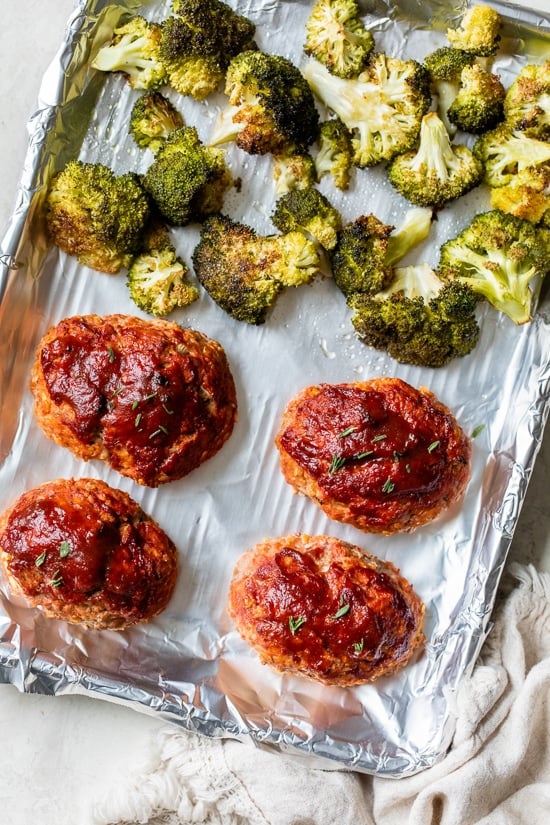
Tailored for maximum weeknight efficiency, this four-serving meal utilizes the sheet pan technique to cook an entire dinner simultaneously. Individual petite turkey loaves are shaped and placed alongside tender-crisp broccoli florets on a single baking sheet. Lining the pan with aluminum foil ensures minimal cleanup while allowing the heat to circulate evenly around the individual portions, drastically cutting down total preparation and washing time.

Air Fryer Turkey Meatloaf
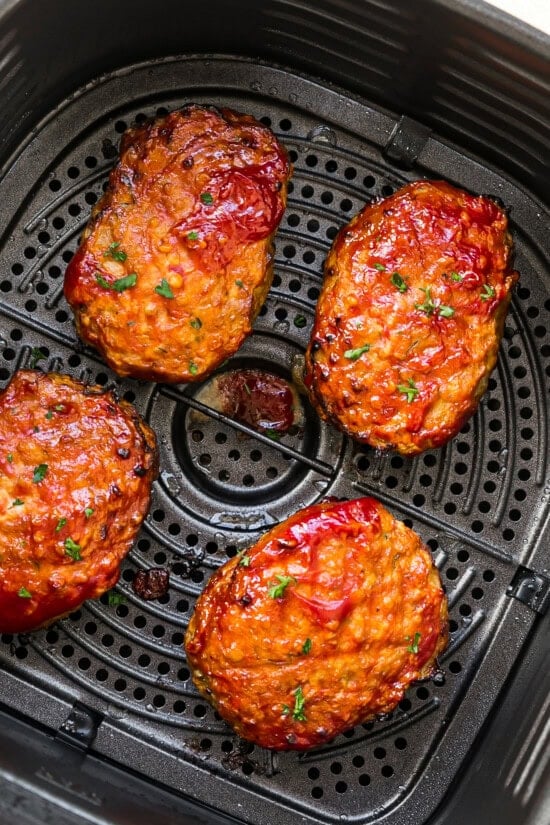
Leveraging the rapid convection heating of the air fryer, this four-serving recipe offers a rapid alternative to standard oven baking. The circulating hot air cooks the turkey meatloaf in approximately half the time required by a conventional oven while sealing in juices and creating a perfectly textured exterior glaze. It represents a practical solution for quick weeknight meal prep when time is limited.
Sweet Potato Turkey Meatloaf
A practical option for individuals following gluten-free or dairy-free diets, this four-serving variation completely eliminates traditional breadcrumbs and dairy binders. In their place, mashed, vitamin-rich sweet potatoes are folded into the ground turkey. The sweet potato provides necessary moisture, acts as an effective binding agent, and adds natural fiber and subtle sweetness to the savory dish.

Cheese-Stuffed Turkey Meatloaf Recipe
This eight-serving recipe incorporates an enticing interior surprise by adopting a jelly-roll shaping technique. Ground turkey is flattened, layered with vibrant leafy spinach and sharp cheddar cheese, and then rolled into a compact loaf before baking. When sliced, each piece reveals a tender spiral filled with melted cheese and seasoned greens, topped off with a classic ketchup glaze.
Turkey Meatloaf with Zucchini
Specifically engineered to combat the dryness often associated with lean poultry, this four-serving dish incorporates finely grated zucchini directly into the meat mixture. As the loaf bakes, the zucchini releases moisture from within, resulting in an extraordinarily tender texture while surreptitiously adding extra vitamins and vegetables to the meal.
Skillet Harissa Turkey Meatloaf
Offering a North African flavor twist, this fast-paced five-serving dinner is prepared entirely on the stovetop in a single skillet and is ready in under thirty minutes. The recipe mixes shredded zucchini into the meat and replaces conventional ketchup with bold, zesty jarred or homemade Mina harissa sauce, which coats the top and infuses the loaf with a warm, complex spice profile.
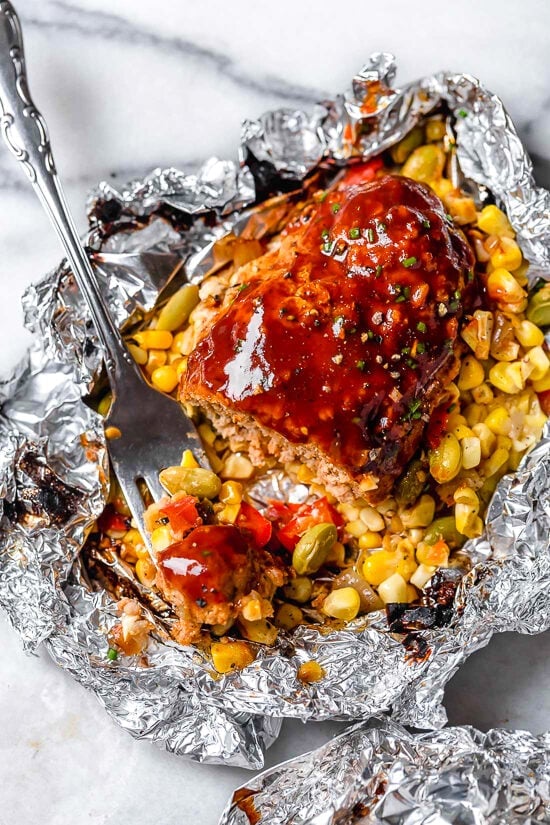
Campfire Dinner Meatloaf Foil Packets
Ideal for outdoor cooking, camping trips, or summer weeknights, this four-serving recipe utilizes sealed aluminum foil packets. Individual turkey meatloaves slathered in barbecue sauce are placed over a bed of summer vegetable succotash inside foil enclosures. When cooked over a campfire or home grill, the trapped steam cooks the meat and vegetables together, allowing the barbecue glazes and vegetable juices to meld seamlessly.
Skinny Meatloaf Cupcakes with Mashed Potato Frosting
Designed with family-friendly presentation in mind, this six-serving recipe bakes portion-controlled turkey meatloaves inside muffin tins. Finely shredded vegetables are folded into the meat mixture to remain unnoticed by picky eaters. Once cooked, each individual "cupcake" is piped with a dollop of lightened mashed potato "frosting," creating a visually fun, portion-controlled main course.
Petite Bacon-Topped BBQ Turkey Meatloaf
Combining smoky and sweet savory elements, this five-serving recipe builds upon a moist turkey and grated zucchini base. Each individual mini loaf is draped with a strip of bacon and coated in rich barbecue sauce before baking, allowing the bacon fat to render over the top for added flavor and richness.

Petite Turkey Meatloaves
A straightforward approach to portion management, this four-serving recipe divides the seasoned ground turkey mixture into individual small loaf pans or free-formed mini shapes. The smaller mass allows the meatloaves to cook faster and more evenly than a full-sized loaf while maintaining a juicy center and high sauce-to-meat ratio.
Culinary Science: Achieving Moisture and Structural Integrity
A common challenge when preparing meatloaf—particularly when using lean proteins like ground turkey—is maintaining interior moisture without causing the loaf to crumble upon slicing. Culinary science offers several straightforward solutions to ensure structural stability and optimal texture.

Moisture Retention
Because lean turkey lacks the natural fat rendering of higher-fat beef blends, moisture must be introduced through secondary ingredients. The integration of high-moisture vegetables, such as finely shredded zucchini or finely diced onions, provides continuous hydration throughout the cooking process. Similarly, introducing wet binders like beaten eggs, sweet potato puree, or soaked breadcrumbs prevents the protein fibers from drying out and contracting excessively under heat.
Binding Mechanics and Slice Stability
A meatloaf relies on a balanced matrix of proteins, starches, and liquids to hold its shape. Eggs act as the primary protein binder, coagulating under heat to set the loaf structure. Starches—such as traditional breadcrumbs, panko, gluten-free crumbs, or rolled oats—absorb moisture and juices released by the meat during baking, swelling to trap flavor inside the loaf rather than letting it leak onto the pan.

To ensure a meatloaf does not fall apart when served, several practices are recommended:
- Adhere strictly to specified binder ratios rather than substituting dry and wet ingredients on a one-to-one basis without adjusting liquid content.
- Avoid over-mixing the raw meat mixture, which can compact the protein structures and result in a dense, rubbery loaf.
- Allow the baked meatloaf to rest for five to ten minutes after removing it from the heat source. Resting allows the internal juices to redistribute and the warm protein-and-starch matrix to firm up, making clean slicing significantly easier.
Complementary Side Dishes and Storage Practices
To construct a well-rounded meal, meatloaf benefits from thoughtful side dish pairings that balance

its savory, rich nature. Traditional pairings center around potato preparations, such as classic garlic mashed potatoes or lower-carbohydrate creamy cauliflower puree.
Vegetable sides cooked via high-heat methods provide an appealing textural contrast to tender meatloaf. Popular accompaniments include garlic-roasted broccoli florets, air-fried green beans, or a crisp, lightly dressed green salad. When utilizing sheet pan methods, side vegetables can be roasted alongside the loaves to streamline meal assembly.
Storage and Freezing Guidelines
Meatloaf is uniquely suited for advance meal preparation and freezer storage, making it a valuable tool for busy households.
- Refrigeration: Cooked leftovers should be allowed to cool completely before being transferred to an airtight container. Stored properly in the refrigerator, cooked meatloaf remains fresh for up to three to four days.
- Freezing Cooked Meatloaf: Sliced portions of fully cooked meatloaf can be wrapped tightly in plastic wrap and aluminum foil, then stored in freezer-safe bags for up to three months. Individual slices can be reheated directly from frozen in a microwave, oven, or air fryer.
- Freezing Raw Loaves: Uncooked meatloaves can be fully shaped and frozen prior to baking. Wrap the raw loaf tightly in plastic wrap and heavy-duty foil. Thaw completely in the refrigerator overnight before baking according to the original recipe instructions, adding a few extra minutes to the baking time if the loaf remains deeply chilled.