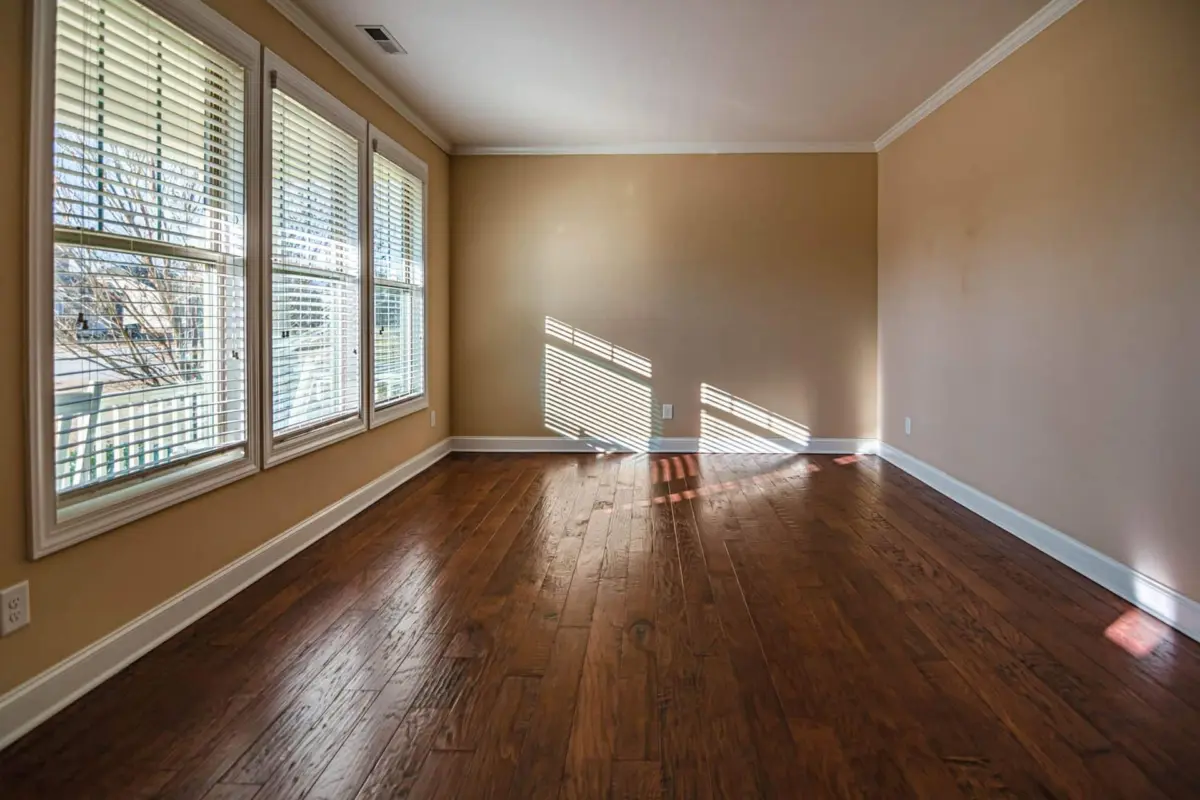
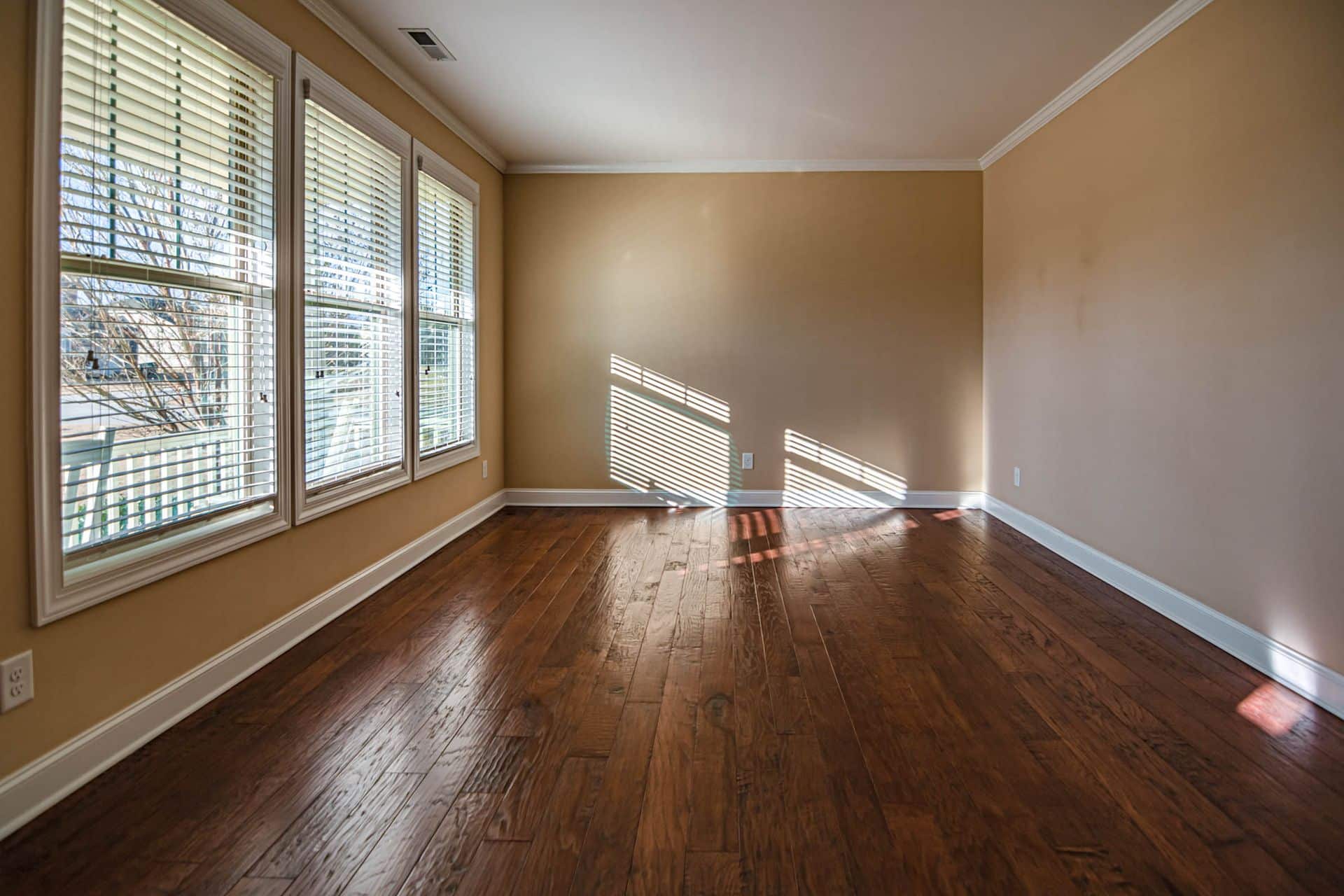
The journey required a nineteen-hour drive to a sparsely furnished apartment rented for a simple and uncomplicated transition. Upon arrival, Mia spent her first afternoon organizing her minimal belongings among the stock furniture provided by the rental. Living in a stripped-down, spare environment has offered unexpected insights into the psychology of clutter, building upon previous experiences of navigating overstaturated spaces.
The relocation has provided a unique laboratory to observe lifestyle habits, starting with how everyday goods are consumed. In a typical living arrangement, hotel-sized portions of toiletries or cleaning supplies might be hoarded out of a scarcity mindset, saved for a theoretical future need. However, faced with basic, low-quality complimentary items in the rental, Mia chose a different path: using them up immediately. Rather than saving inferior products that offered no genuine enrichment, she utilized them completely, discarded the packaging, and freed up both physical real estate in her temporary home and mental energy.
This philosophy extends to how personal items are displayed in the space. Known as a homebody, Mia admitted that being away from her permanent residence and familiar belongings posed a psychological challenge. To counter this, she integrated the few sentimental items she brought with her directly into the apartment’s layout. Instead of folding away a colorful throw blanket or stacking books on a bedside table, she draped the blanket over the couch and propped her books throughout the rooms. While such styling choices might border on clutter in a heavily furnished home, the limited selection of mementos successfully warmed the temporary space, allowing functional items to serve a dual purpose without adding useless mass.
Personal preferences and physical comfort also dictated daily routines, highlighting the challenges of sensory sensitivities. Dealing with the metallic clinking of standard silverware, which can induce nausea, Mia initially saved plastic cutlery from local takeout spots rather than using the metal utensils provided with the apartment. The situation improved following a birthday visit from a friend who gifted her a small wooden spoon. The item, perfectly sized and deeply meaningful, has become her primary eating utensil alongside a pair of chopsticks, rendering the rest of the apartment’s utensil drawer functionally obsolete. The experience underscored the principle that a single item serving its purpose perfectly brings more value than an entire drawer of redundant alternatives.
Beyond physical surroundings, the relocation drastically altered Mia’s social calendar. While living hours away from her close circle of friends initially felt difficult, the reduction in social obligations proved remarkably energizing. Balancing a natural appreciation for loved ones with a personal need for solitude created a productive contradiction. With a simplified schedule and a living space that required minimal upkeep, daily life grew notably easier. Morning gym visits became effortless, the apartment remained consistently spotless, and time for preparing healthy meals expanded.
The extra mental space also allowed Mia to get ahead on her professional responsibilities, particularly following the acquisition of a business a few months prior. Although she plans to reintegrate social activities and hobbies into her routine—such as hosting game nights with friends back home and returning to fight training—the period of intentional isolation provided a valuable boost to her productivity and well-being.
Despite the minimalist approach, the experiment revealed how quickly belongings accumulate even in a temporary setting. Within just three weeks, the natural flow of items entering a home in the United States began to manifest. Birthday gifts, including a trampoline, and a growing collection of saved plastic food containers quickly filled kitchen cabinets and living areas. Recognizing that objects naturally flow inward, Mia emphasized the necessity of establishing an active outward flow through regular decluttering practices to prevent permanent accumulation.
As the three-month experiment continues, the preliminary results have offered a glimmer of hope. The relocation has yielded the first genuine improvement in Mia’s health in years, suggesting that her suspicions regarding her primary residence may have been correct. At the same time, the realization brings complex implications, as her permanent home remains tied to the environment she temporarily left behind. With the mental clarity gained from the move, she intends to address that challenge next, while also preparing to launch upcoming community projects such as a planned holiday decluttering challenge.