
Navigating a metropolis of this scale can initially prove daunting for newcomers trying to determine where to begin their explorations. To address this challenge, seasoned travelers and destination experts have mapped out a comprehensive, five-day itinerary designed to balance major architectural landmarks with off-the-beaten-path cultural treasures, all while remaining accessible to budget-conscious travelers.
Day 1: Immersion in the Art Walk
The initial leg of the journey centers on a prestigious urban corridor officially designated as a UNESCO World Heritage site in 2021. Known as the Landscape of Light, this historic zone encompasses more than 40 monuments and significant buildings, establishing it as one of the most picturesque areas in the Spanish capital.
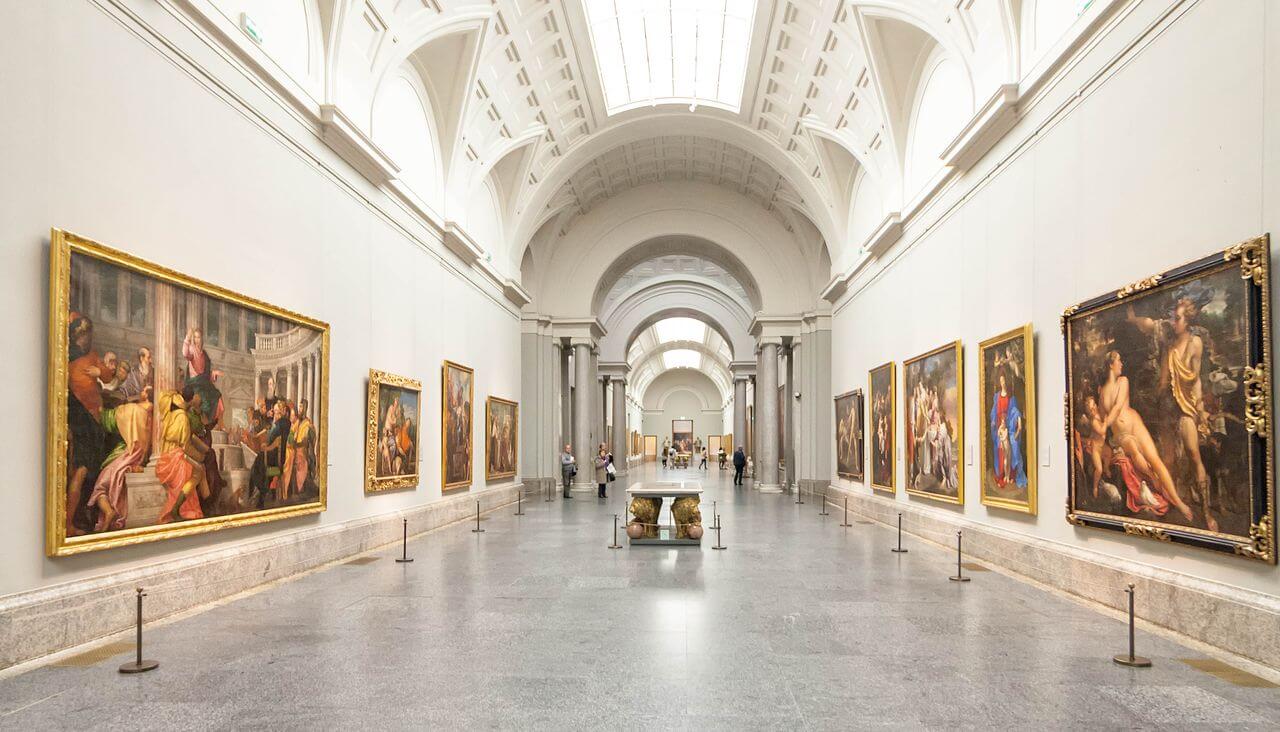
The exploration begins at the Prado Museum, widely regarded as one of the premier art institutions on Earth. Housing monumental works by Spanish masters such as El Greco, Velázquez, and Goya, alongside international luminaries like Rubens, Botticelli, and Caravaggio, the sprawling museum demands at least a few hours of dedicated exploration. Just a ten-minute stroll down the tree-lined Paseo del Prado lies the Thyssen-Bornemisza Museum, which bridges centuries of artistic evolution through a private collection spanning from the Renaissance to Pop Art.
The day’s gallery-hopping culminates at the Reina Sofía National Art Center, a powerhouse of modern art featuring masterpieces by Picasso, Miró, Kandinsky, Dalí, and Francis Bacon. The museum’s centerpiece remains Pablo Picasso’s 1937 oil painting Guernica, universally recognized as one of the most powerful anti-war statements in art history.
Following a morning of intensive gallery tours, visitors can sample Madrid’s robust culinary heritage. Rustic dining spots like Taberna La Fragua de Vulcano offer traditional cocido madrileño, a hearty local stew. Alternatively, travelers near the Reina Sofía can experience the vibrant garden terrace at Arzábal, celebrated for serving some of the finest croquetas in the city. For a unique historical atmosphere, the Bodega de los Secretos allows diners to enjoy meals inside restored 17th-century wine caves located near the Prado.
The afternoon offers an opportunity to explore Madrid’s unique collection of historic house museums, former private palaces that preserve the intimate domestic spaces of their original owners. Among these, the Sorolla Museum stands out as the sun-drenched residence of the renowned "painter of light." Following extensive architectural renovations, the venue welcomes visitors to experience its tranquil gardens and Mediterranean canvases once again. Additional options include the Museum of Romanticism, featuring a hidden garden café, and the Lázaro Galdiano Foundation Museum, which houses a vast private collection of works by Goya, Murillo, Velázquez, El Greco, and Bosch within a neo-Renaissance mansion.
Day 2: The Grandeur of the Historic Center
The second day shifts focus to the medieval and Renaissance layout of the city, historically known as Habsburg Madrid, or Madrid de los Austrias. The geographic and cultural hub of this district is Puerta del Sol, where visitors routinely gather at Kilometer Zero—the official starting point for Spain’s national highway and railway networks—and photograph the famous Bear and the Strawberry Tree statue, an enduring symbol derived from the city’s official coat of arms.
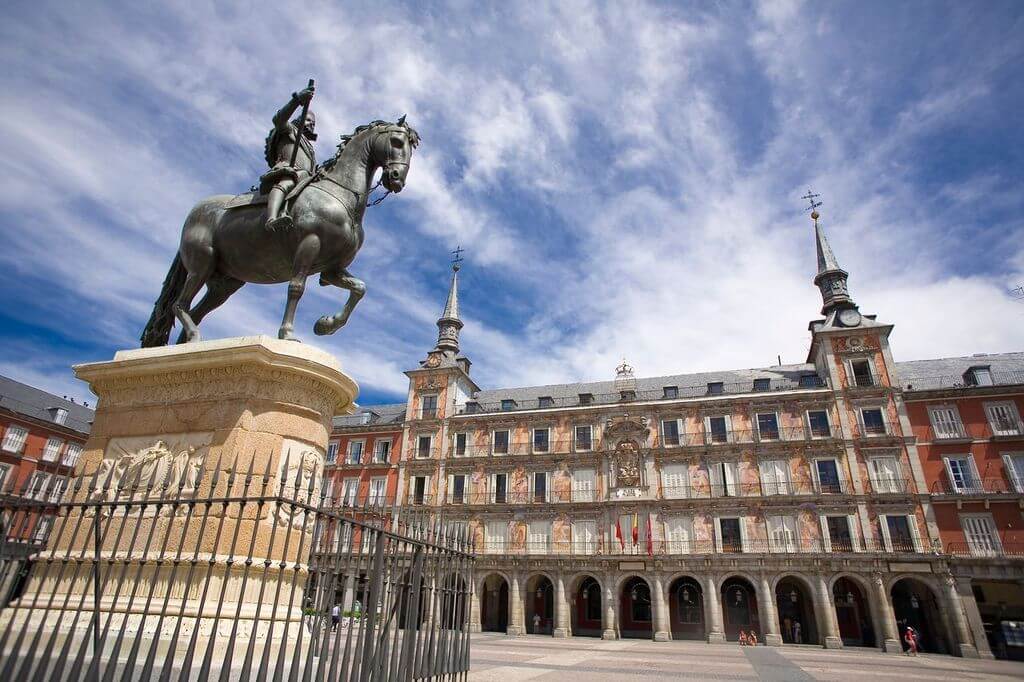
A short walk leads to the iconic Plaza Mayor, a grand, porticoed square framed by historic structures such as the Casa de la Panadería. Having previously served as a stage for royal ceremonies, bullfights, public markets, and historical events, the square is now encircled by cafés, restaurants, and shops, serving as a primary venue for people-watching and public gatherings. In the surrounding alleys, travelers frequently stop to enjoy a traditional calamari sandwich, a beloved local delicacy.
Afterward, the itinerary leads to the Royal Palace of Madrid. Constructed in the 18th century over the foundations of a former 9th-century Muslim fortress, this Baroque masterpiece stands as the largest functioning royal palace in Western Europe. Though it serves exclusively for official state functions rather than as a private royal residence, visitors can tour a fraction of its 3,400 lavishly decorated rooms, viewing artistic masterpieces by Caravaggio, Juan de Flandes, and Francisco Goya alongside an extensive collection of medieval armor.
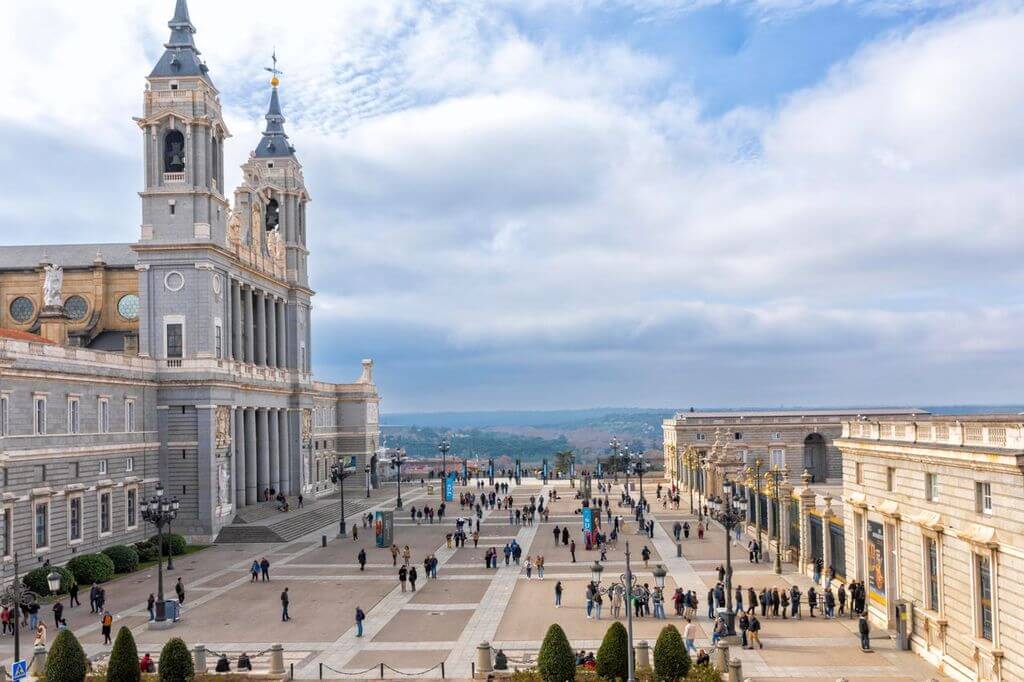
The day concludes at the Almudena Cathedral. Construction on the monumental structure began in the late 19th century and was finally completed in 1993, when it was consecrated by Pope John Paul II. While the exterior reflects a neo-Classical style designed to complement the adjacent royal palace, the interior features a neo-Romanesque crypt supported by more than 400 distinct columns, with rooftop dome access providing panoramic views across the city skyline.
Day 3: Culinary Discovery
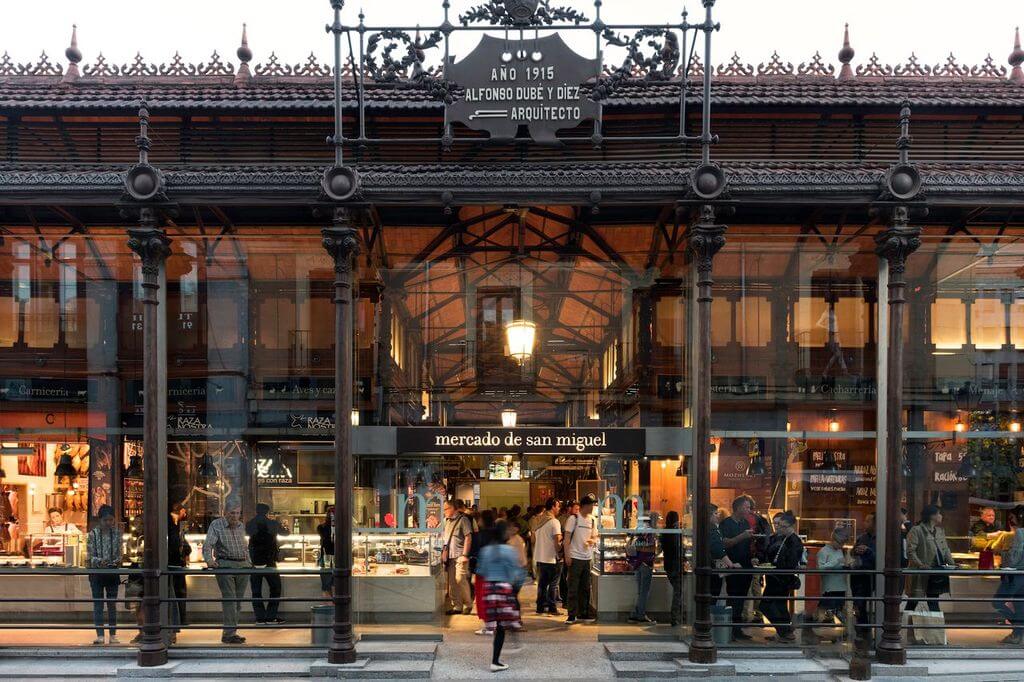
Recognized globally as a paradise for culinary enthusiasts, Madrid offers a dynamic dining landscape that blends traditional tavern culture with avant-garde gastronomy. Independent exploration of the city’s iconic municipal markets provides a direct window into local food culture. The glass-walled Mercado de San Miguel near Plaza Mayor remains a vital hub for gourmet tapas and social gatherings, while neighborhood venues like the Mercado de San Antón in Chueca and the Mercado de Vallehermoso offer deeper insights into regional Spanish ingredients.
For dinner, culinary historians and travelers often seek out Sobrino de Botín, officially recognized by Guinness World Records as the oldest continuously operating restaurant in the world and famously frequented by author Ernest Hemingway. Those preferring a more casual approach often participate in traditional tapas crawls through the historic alleys of La Latina or the literary quarter, Barrio de las Letras.
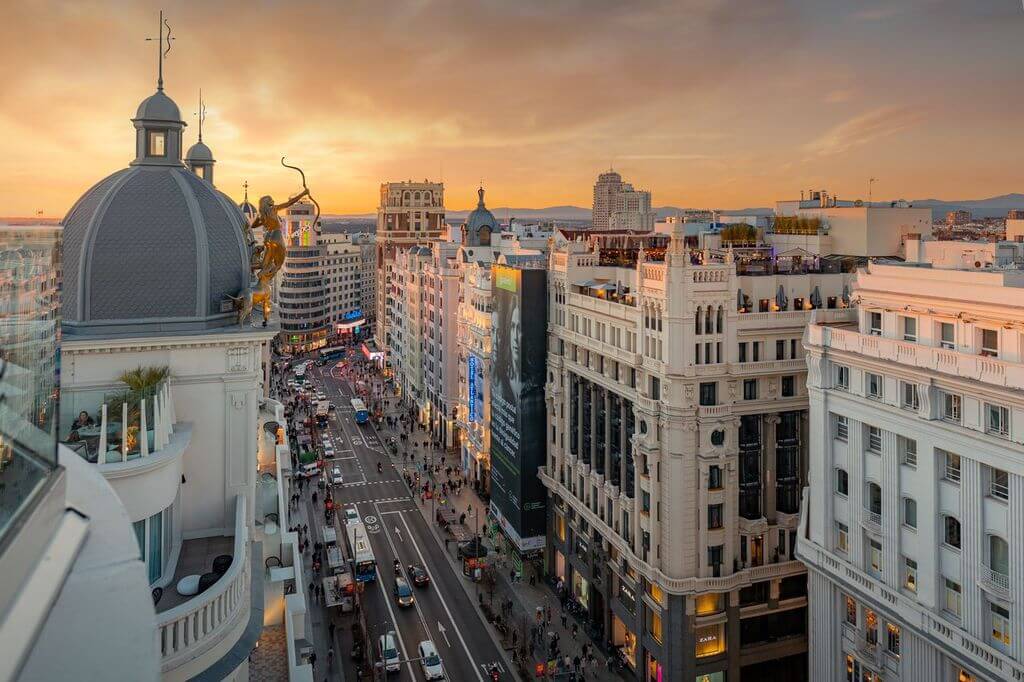
As evening falls, the bustling Gran Vía avenue serves as the gateway to Madrid’s vibrant rooftop culture. Modern venues such as The Roof at Picalagartos and the 360-degree sky bar at the RIU Plaza España provide elevated dining and signature cocktails accompanied by sweeping vistas of the urban landscape. Furthermore, the city has evolved into a leading European hub for plant-based dining, with neighborhoods like Malasaña hosting an array of innovative vegetarian and vegan restaurants serving cruelty-free interpretations of traditional Spanish dishes.
Day 4: UNESCO World Heritage Wonders
While the Landscape of Light within the capital combines nature, science, and royal heritage, Spain’s monumental legacy extends well beyond city limits. A series of significant historical sites located within a short distance of Madrid offer compelling day-trip opportunities for culturally curious travelers.
Approximately one hour from the city center lies the Monastery of San Lorenzo de El Escorial. Commissioned in the 16th century by King Philip II, this massive granite complex serves as a monastery, royal palace, basilica, pantheon for Spanish monarchs, and historic library. Its stark, symmetrical architecture imparts an atmosphere of austere grandeur distinct from other European royal residences.
A similarly significant destination is the Royal Palace and Gardens of Aranjuez, situated an hour south of the capital. Originally established as a royal hunting lodge in the 16th century and later expanded into a spring residence for the monarchy, the site blends Renaissance and Baroque architectural traditions amidst expansive, water-fed gardens that rival the opulence of Versailles.
Additionally, the historic university city of Alcalá de Henares—located 45 minutes from Madrid—holds its own UNESCO World Heritage status. As the birthplace of Miguel de Cervantes, author of Don Quixote, the municipality offers exceptionally preserved architecture dating back to the Spanish Golden Age between 1492 and 1659.
Day 5: Off-the-Beaten-Path Treasures
The final day of the itinerary directs attention toward lesser-known historical sites and expansive green spaces. The Monastery of Las Descalzas Reales, founded in 1559 by Joanna of Austria, and the nearby Royal Monastery of La Encarnación, established in 1611 by Queen Margaret of Austria, preserve cloistered royal art collections behind unassuming exterior walls. While both function as historic repositories filled with religious sculptures, colorful frescoes, and accumulated aristocratic wealth, they maintain active religious ties that add a layer of authenticity to the visitor experience.
To conclude the journey, travelers frequently head to the Casa de Campo, the city’s largest public park. Spanning 17 square kilometers, the expansive green space features an artificial lake, walking paths, and historic recreational facilities. Waterfront dining terraces provide uninterrupted views of the Royal Palace and the Almudena Cathedral across the skyline, offering a fitting conclusion to an immersive exploration of Spain’s historic capital.