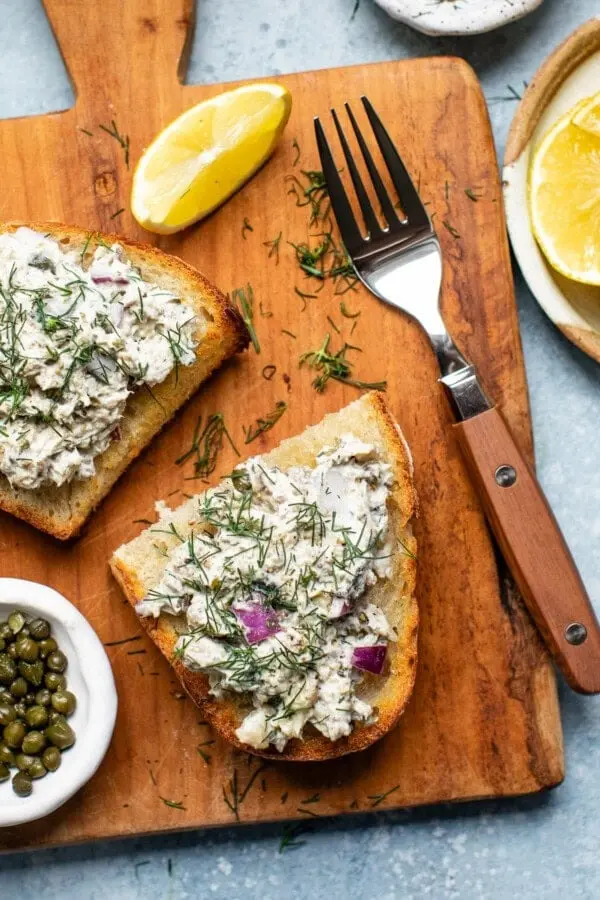
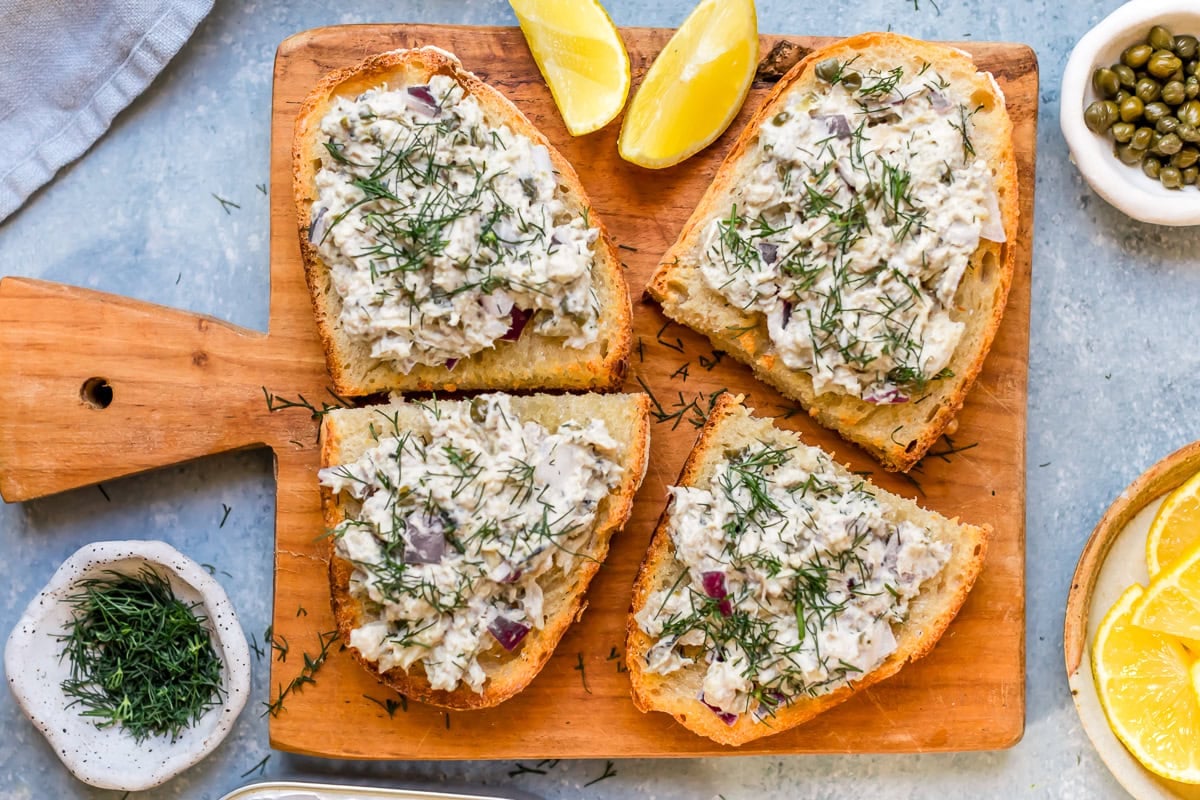
Designed for quick assembly with zero cooking required, the dish transforms humble canned sardines into a vibrant salad characterized by fresh lemon juice, salty capers, aromatic dill, and crisp red onion. The recipe reflects a growing interest among health-conscious consumers and home cooks in incorporating smaller, omega-3-rich fish into their weekly routines without sacrificing flavor or convenience.
Culinary Inspiration from Portugal
The inspiration behind this modern take on canned fish stems directly from international culinary travel. Following a trip to Portugal—a country renowned for its rich heritage of conserving and celebrating seafood—Homolka sought to develop an accessible recipe that brings Portuguese sardine culture into the home kitchen. While sardines are celebrated across Southern Europe in various preserved and freshly grilled forms, many North American home cooks remain hesitant to prepare them due to concerns over texture, bones, or overly strong flavors.
To overcome these common hurdles, the recipe reimagines the fish within a familiar salad context, similar to a traditional deli tuna spread. By pairing the sardines with bold acid and fresh herbs, the dish balances the natural richness of the fish. The result is an approachable meal prep solution that encourages home cooks to eat more small, sustainable ocean proteins.
Flavor Architecture and Essential Ingredients
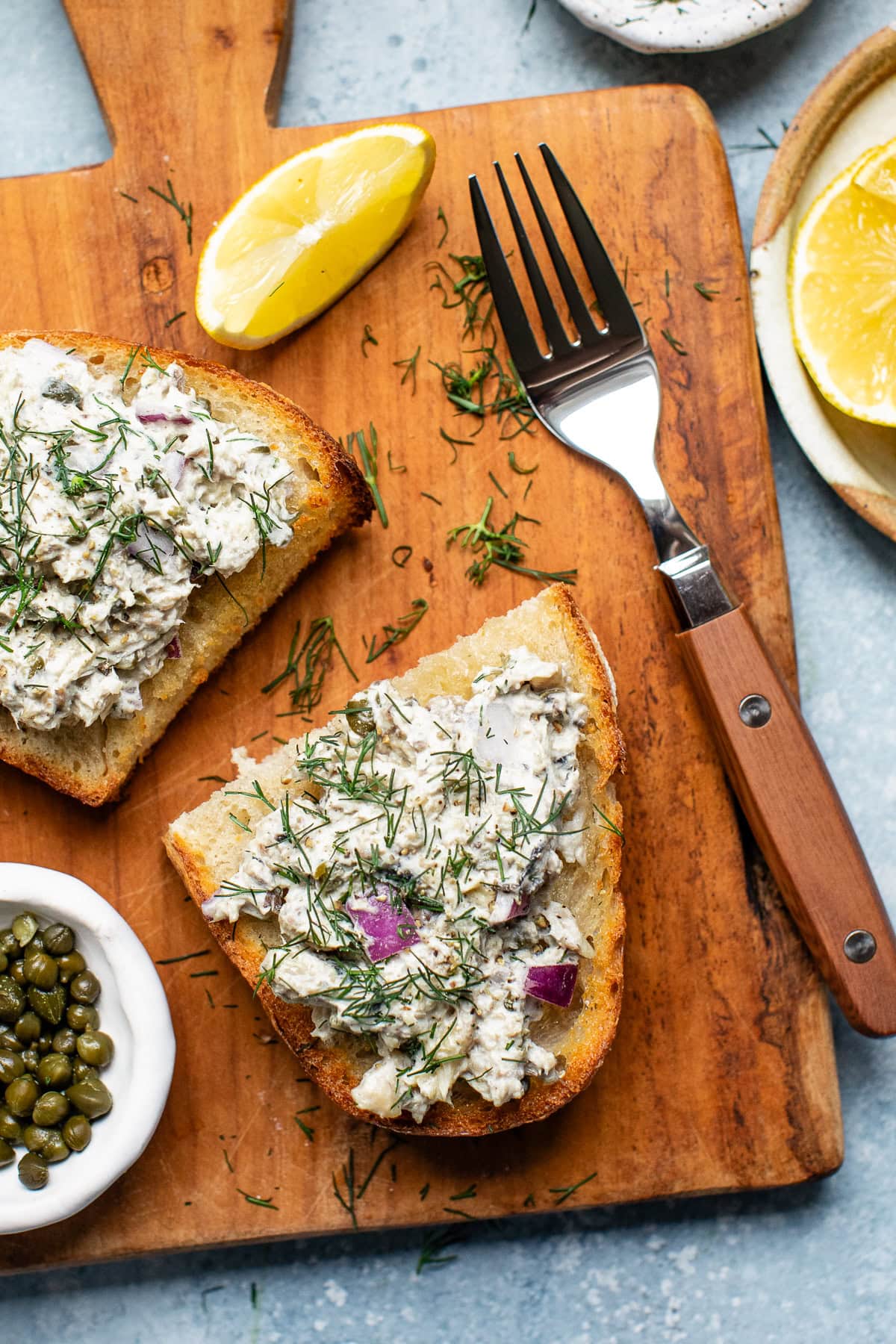
The flavor profile of this sardine salad is fundamentally Mediterranean, leaning heavily on contrasting textures and sharp, refreshing accents to complement the fish. Each component plays a specific functional role in constructing a balanced bite:
- Canned Sardines: Serving as the structural and protein foundation of the dish, sardines provide a substantial texture and rich seafood flavor.
- Fresh Lemon Juice: Bright acidity is essential when working with oily fish. Lemon juice cuts through the richness, neutralizing aggressive fishiness and lifting the overall flavor profile.
- Capers: These small, cured flower buds contribute bursts of brine and salt, reinforcing the Mediterranean character of the salad.
- Fresh Dill: Chopped dill introduces a sweet, feathery, and herbal aroma that pairs naturally with seafood and citrus.
- Red Onion: Finely chopped red onion delivers an essential crunch and a mild sharp bite, contrasting with the soft texture of the mashed fish.
- Light Mayonnaise and Greek Yogurt: A small amount of light mayonnaise—approximately one and a half tablespoons—provides emulsion, creaminess, and binding structure. For those seeking a different texture or flavor, plain Greek yogurt can be used as a primary binder or blended with mayo.
Together, these ingredients create a salad that is simultaneously creamy, tangy, crunchy, and savory, offering a textured balance whether enjoyed immediately or after resting in the refrigerator.

Nutritional Breakdown and Health Profile
Canned sardines are widely recognized by nutritionists as an exceptional source of essential dietary nutrients, making this salad an unusually dense source of nourishment relative to its short preparation time.
A single complete serving of this sardine salad delivers a substantial nutritional yield:

- Calories: 212 kcal
- Protein: 20.5 grams
- Carbohydrates: 4.5 grams
- Fat: 0.5 grams
- Saturated Fat: 3.5 grams
- Cholesterol: 44 milligrams
- Sodium: 720 milligrams
- Dietary Fiber: 0.5 grams
- Sugar: 2 grams
The high protein content—exceeding 20 grams per portion—helps promote satiety, making the dish an effective option for mid-day energy maintenance. Furthermore, sardines are naturally packed with essential long-chain omega-3 fatty acids, vitamin B12, and vitamin D. Because small ocean fish reside lower on the marine food chain, they also offer a clean source of marine protein. With minimal carbohydrates and a controlled fat profile, the recipe aligns well with low-carb and high-protein dietary preferences.
Selecting and Handling Canned Sardine Varieties
Navigating the canned seafood aisle can present consumers with a dizzying array of options, ranging from whole fish packed in oil to boneless fillets submerged in tomato sauce or water. For this specific salad, starting with the right variety ensures the best flavor balance and texture.
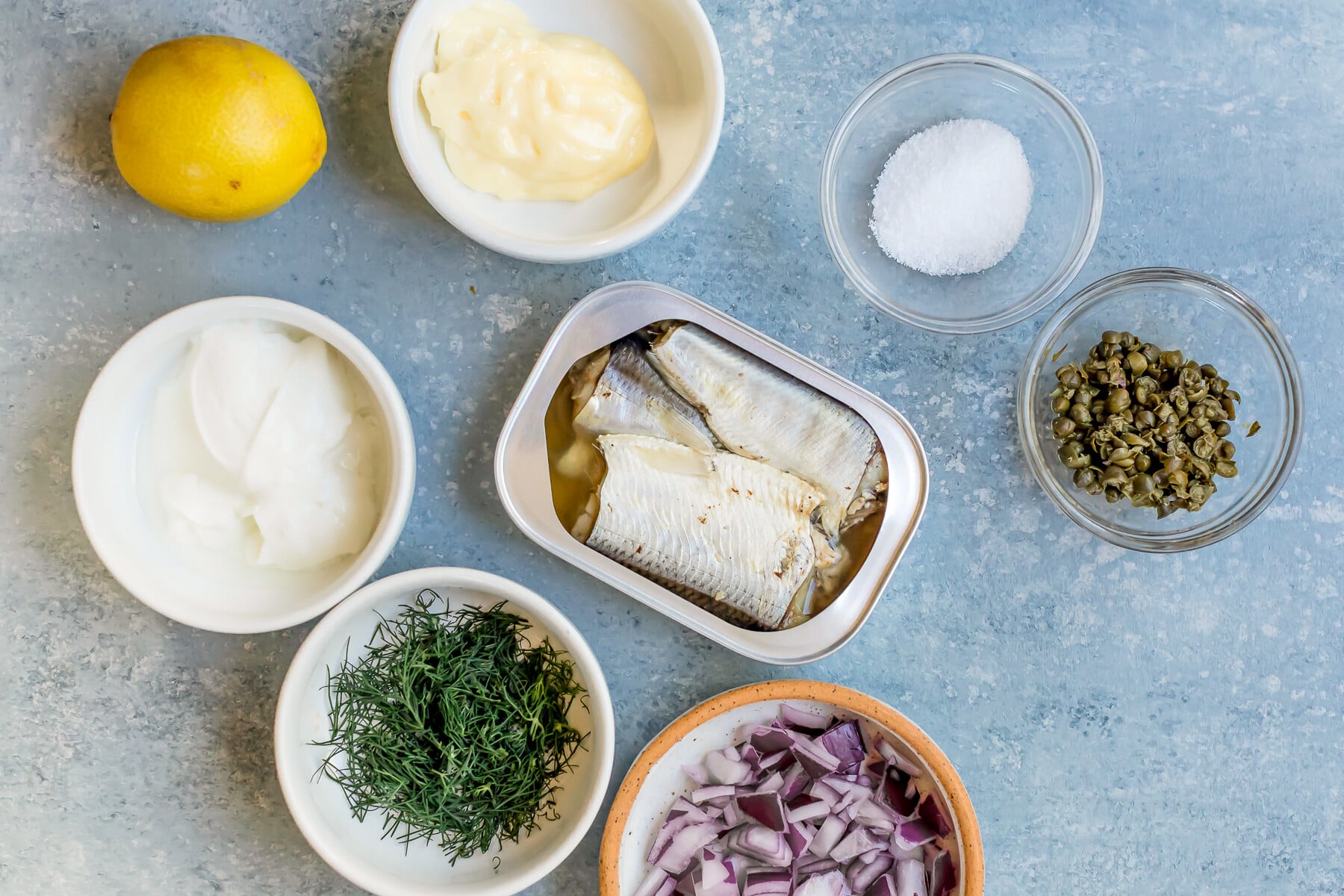
The preferred starting point for this recipe is canned sardines packed in water without added salt. Using water-packed fish allows the cook to fully control the final sodium level and fat content, as the added mayonnaise and capers supply sufficient moisture and seasoning. If salted sardines are used instead, additional salt should be completely omitted from the preparation. Similarly, if oil-packed sardines are selected, they must be thoroughly drained before mixing to prevent the salad from becoming greasy or overly heavy.
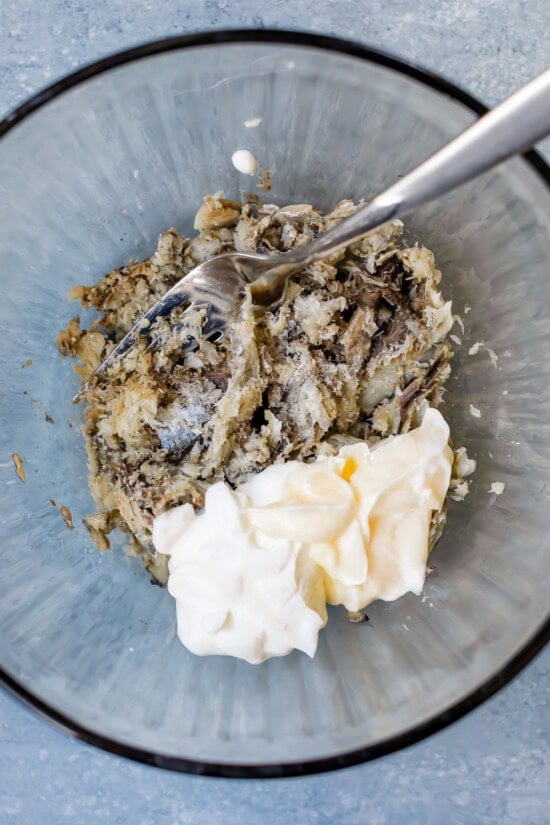
Texture preferences also dictate how the fish should be prepared before combining it with the dressing. Many commercially available canned sardines retain soft, edible bones and skin. While these bones are completely safe to consume and offer a notable source of dietary calcium, some individuals prefer to remove them for aesthetic or textural reasons. Alternatively, purchasing pre-packaged boneless and skinless sardines streamlines the process entirely. For those using whole fish, gently splitting the fillets open with a fork allows for quick removal of the central spine before mashing.
Preparation Process and Culinary Execution
Efficiency is a central feature of this recipe, requiring just 15 minutes of total prep time and zero active cooking. The process begins with basic knife work: finely chopping the red onion and fresh dill to ensure they distribute evenly throughout the salad without overpowering individual bites.
Once the aromatics are prepped, the sardines are placed in a glass mixing bowl. Depending on personal preference, the fish can be lightly broken apart into large flakes or mashed down more thoroughly into a finer texture. The chopped red onion, fresh dill, capers, lemon juice, light mayonnaise, and optional Greek yogurt are then added directly to the bowl.
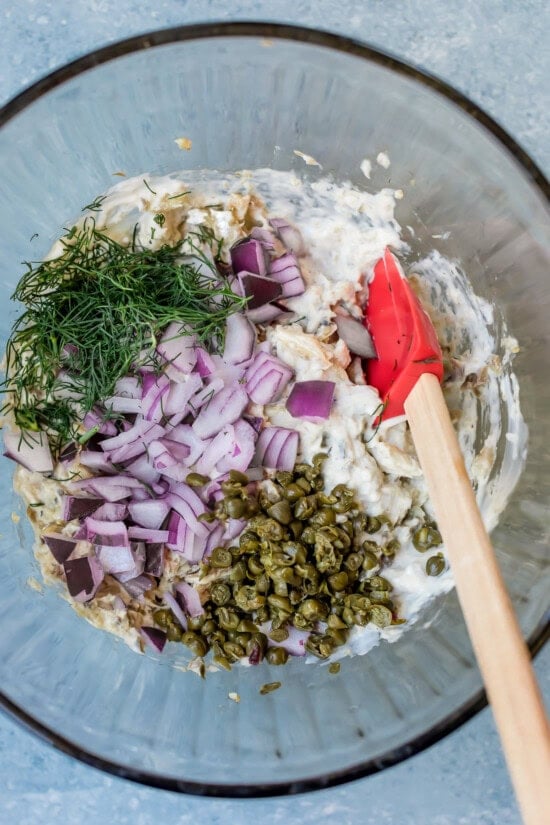
Using a fork or spoon, the ingredients are folded together until the dressing evenly coats the fish and aromatics. If using unsalted sardines, a small pinch of salt and cracked black pepper can be added to taste. The salad is immediately ready to serve, though resting it briefly allows the acidic lemon juice and briny capers to permeate the fish further.
Serving Ideas and Customized Variations
Much like traditional tuna or chicken salad, sardine salad offers broad versatility in how it can be presented and served.
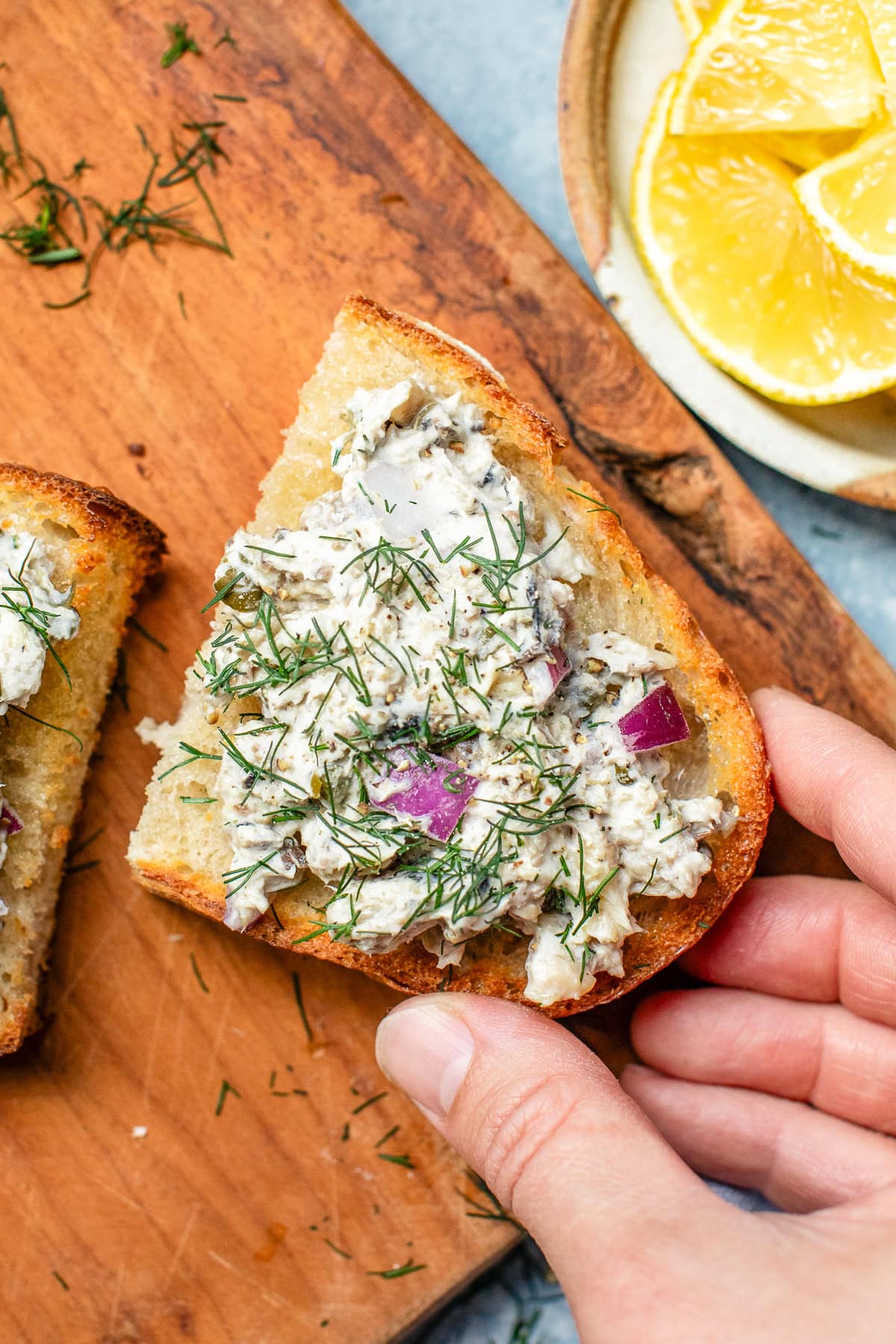
- Whole-Grain Toast: Spreading the sardine salad over a thick slice of toasted whole-grain or sourdough bread creates a classic open-faced sandwich, offering a warm crunch that contrasts with the chilled salad.
- Crisp Crackers: Serving the mixture alongside seed crackers, water biscuits, or pita chips turns the salad into a quick, dip-style snack ideal for afternoon meals.
- Green Wraps and Salads: For a lower-carbohydrate application, the sardine salad can be spooned into large butter lettuce leaves, romaine boats, or folded inside a low-carb tortilla wrap. It can also be served atop a bed of mixed greens tossed with extra lemon juice and olive oil.
- Mediterranean Grain Bowls: Adding a scoop of sardine salad to a bowl of warm quinoa, farro, or brown rice alongside fresh cucumbers and cherry tomatoes creates a hearty, meal-prep-friendly grain bowl.
The core recipe also lends itself well to subtle variations based on pantry availability. Cooks looking to eliminate mayonnaise entirely can double the quantity of thick Greek yogurt, resulting in a lighter, tangier base, though a small touch of mayonnaise is recommended to maintain optimal thickness and flavor balance. Additional ingredients such as finely diced celery, chopped Mediterranean olives, chopped fresh parsley, or a dash of hot sauce can also be incorporated to alter the texture and spice levels.
Meal Prep Guidelines and Storage Recommendations
Because sardine salad holds its structure well without breaking down or releasing excess water, it is well-suited for advance preparation.
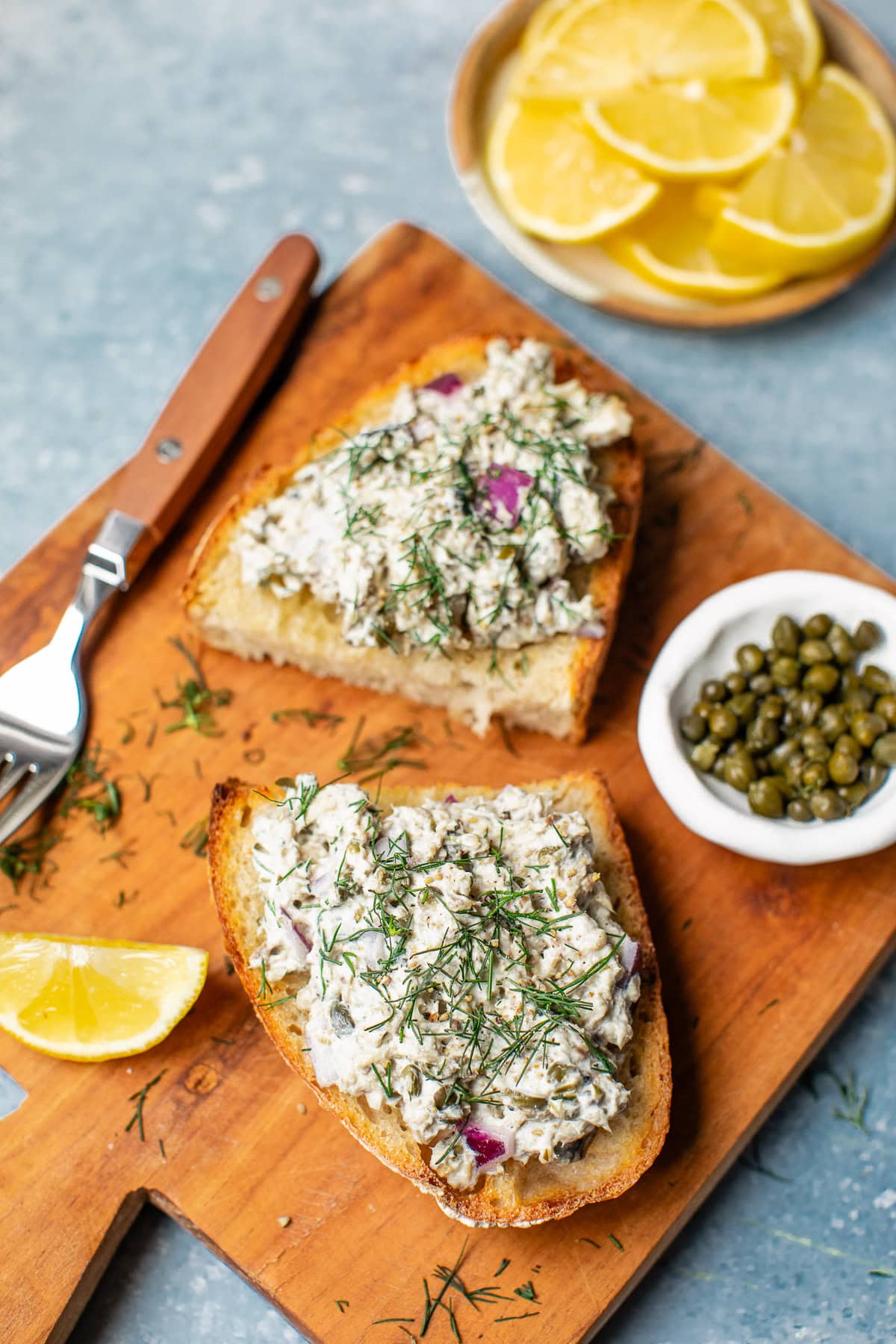
After mixing, any remaining salad should be transferred to an airtight glass or plastic container and refrigerated promptly. When stored correctly at cold temperatures, the salad retains its fresh quality and flavor for up to four days. This extended shelf life makes it practical to prepare a batch early in the week for quick lunch assembly throughout the workweek.
When packing the salad for on-the-go meals, it is best to store crisp components—such as toast, crackers, or leafy greens—in separate containers until immediately before consumption. This preserves the textural contrast that makes the Mediterranean sardine salad a satisfying alternative to standard lunch routines.