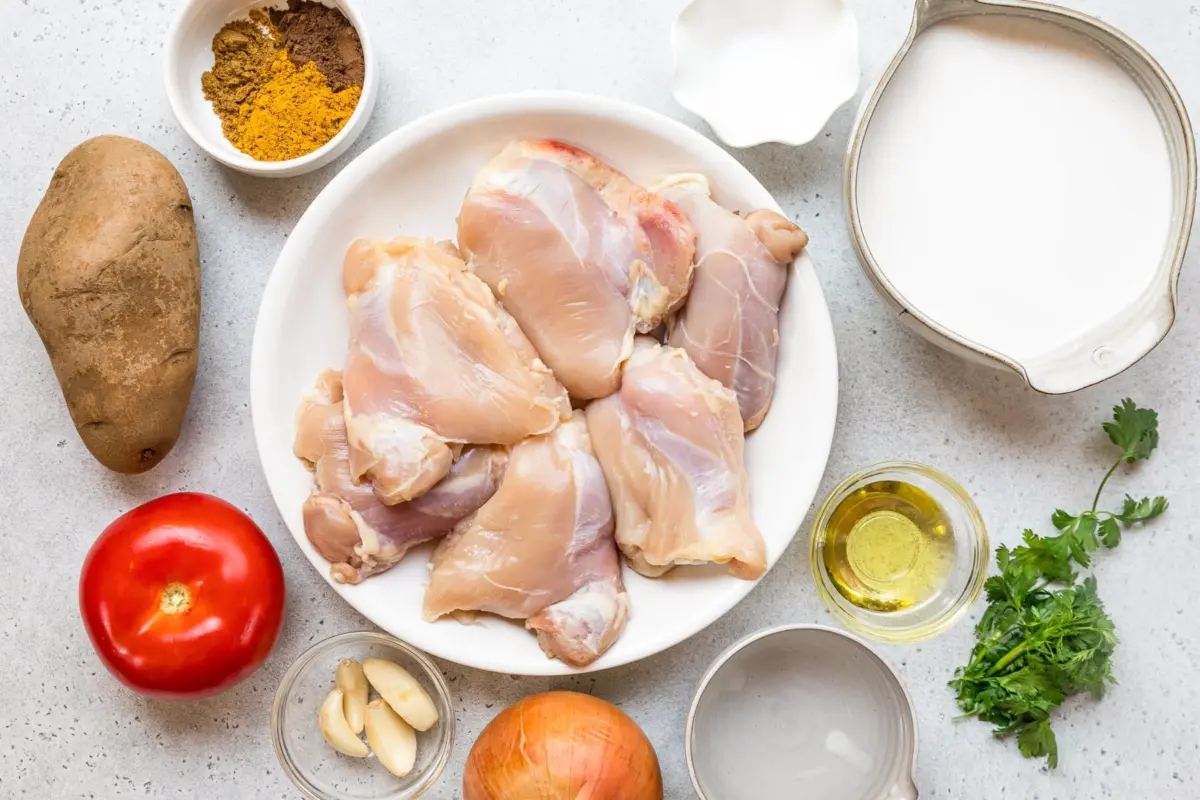
The dish integrates tender bone-in chicken thighs, potatoes, tomatoes, and coconut milk, brought together through a warm aromatic blend of curry powder, garam masala, and cumin. Designed to deliver robust, layered flavor while remaining accessible for weeknight preparation, the recipe exemplifies a balanced approach to traditional comfort food. Operating as both a high-protein dinner option and a streamlined cooking process, the meal can be prepared in under an hour on the stovetop or adapted for pressure cooker appliances.
Origins of a Personal Signature Recipe
The origins of this particular chicken curry predate the founding of the Skinnytaste platform. The recipe was originally introduced to Gina by a close friend, who taught her the technique for balancing spices with coconut milk and simmered poultry. Over the years, the formulation has remained largely unchanged, serving as a trusted standard for family dinners and informal gatherings.
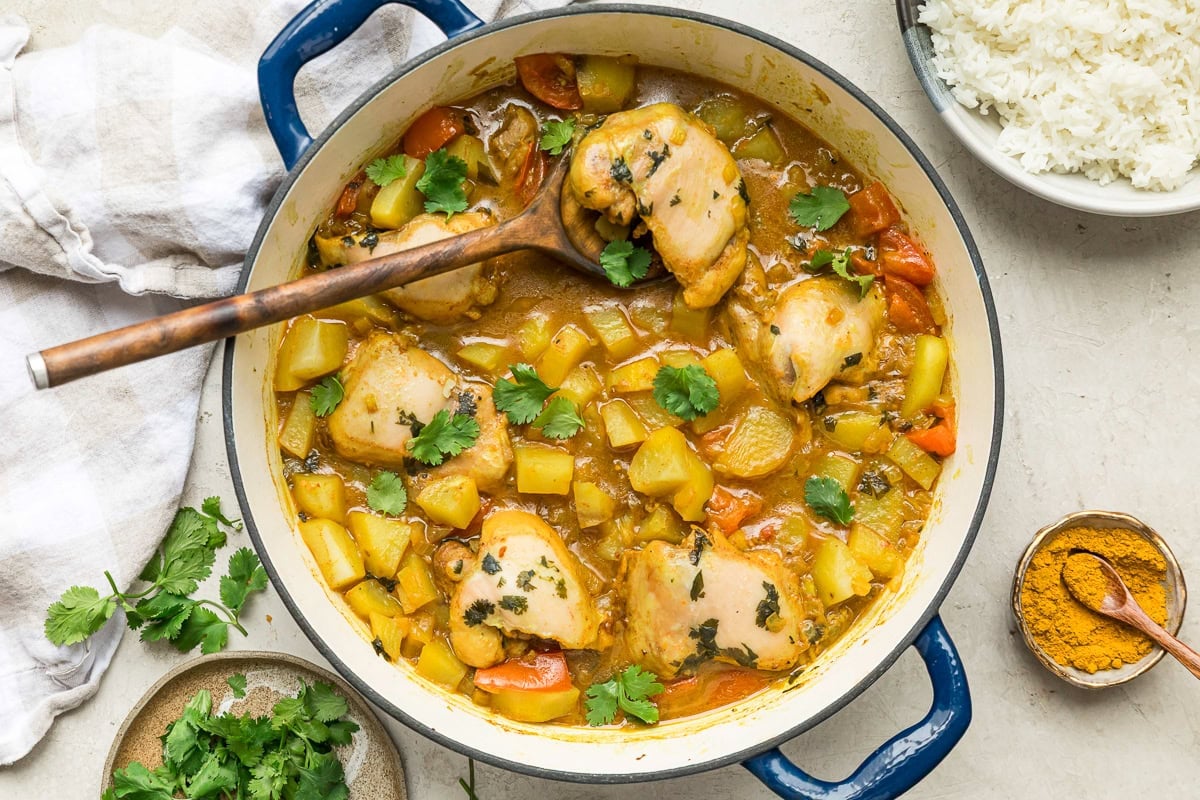
The enduring appeal of the dish relies on its straightforward execution and focus on whole ingredients. Rather than relying on heavy creams or complex paste preparations, the recipe builds its core flavor profile around standard pantry spices and classic aromatics. The inclusion of bone-in chicken thighs provides rich natural juices during the simmering process, creating a deeply flavored gravy without requiring extended braising times or excessive added fats.
For home cooks navigating busy evening schedules, the one-pan nature of the meal minimizes cleanup while maximizing efficiency. By building the sauce directly in the pot where the aromatics and meat are prepared, none of the caramelized fond or essential spice oils are lost, yielding a cohesive finished dish.
Flavor Profile and Ingredient Selection
The structural foundation of this chicken curry depends on a carefully selected combination of proteins, vegetables, and seasonings designed to create balance on the palate.
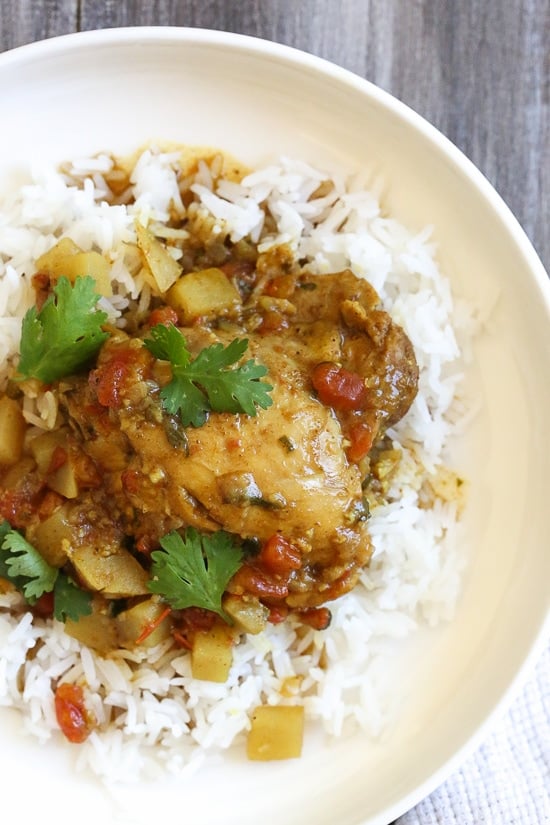
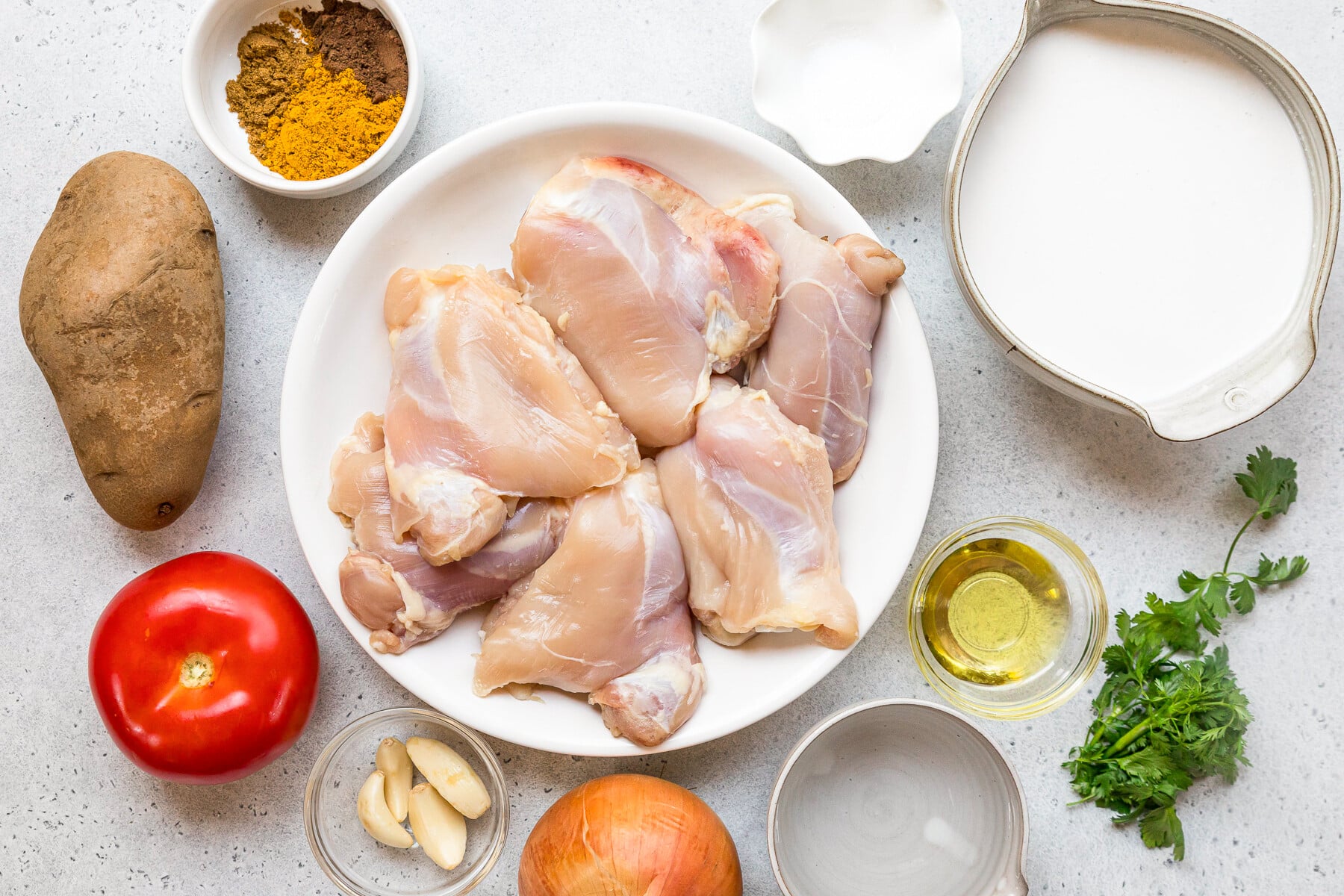
- Poultry: Bone-in chicken thighs are preferred for this preparation due to their higher collagen content and moisture retention compared to boneless breasts. As the meat simmers, the bone contributes depth to the surrounding liquid, ensuring the chicken remains tender and succulent throughout the cooking cycle.
- Potatoes: Cut into uniform pieces, potatoes act as both a texturizer and an absorbent element within the stew. As they break down slightly during cooking, their starches naturally thicken the gravy while soaking up the spiced coconut broth.
- Aromatic Base: The cooking process begins with sauteed onions and fresh garlic. This combination forms the foundational flavor layer, offering a sweet, savory background against which the bolder spices can develop.
- Warm Spice Blend: The dry seasoning mix consists primarily of yellow curry powder, garam masala, and ground cumin. The curry powder establishes an earthy, mildly pungent base, while the garam masala contributes warm, aromatic notes of cinnamon, cardamom, and clove. Cumin reinforces the dish with a grounding, toasted undertone.
- Liquid Base: A combination of canned tomatoes and coconut milk creates the cooking medium. The tomatoes add essential acidity to cut through the richness of the dish, while the coconut milk lends a silky, creamy texture and subtle sweetness that tempers the dry spices.
Culinary Mechanics and Preparation Methods
Creating a successful curry requires sequencing ingredient additions to maximize flavor development. Rather than combining all elements at once, the recipe relies on a deliberate progression of searing, blooming, and simmering.
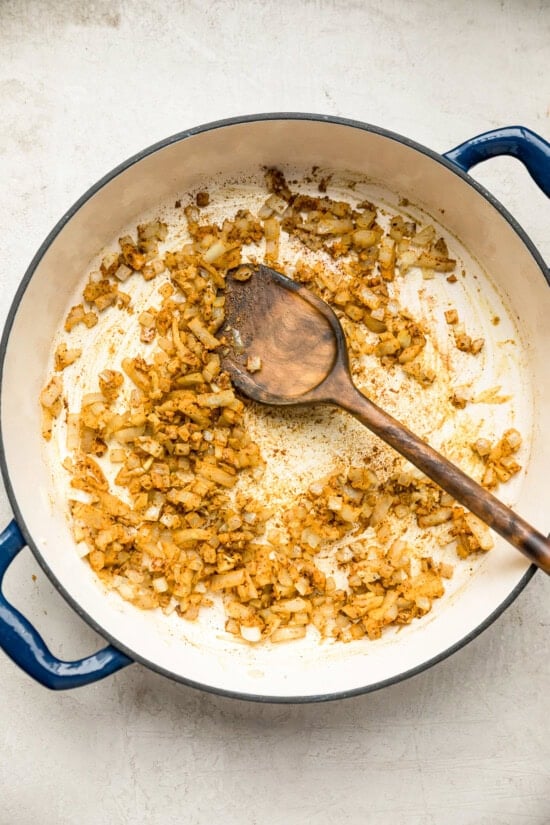
The process begins by sauteing the finely chopped onions and minced garlic in a small amount of oil until translucent and fragrant. Once the onions soften, the dry spices—curry powder, garam masala, and cumin—are added directly to the hot pan alongside the aromatics. Cooking dry spices briefly in fat, a culinary technique known as blooming, releases their fat-soluble essential oils, intensifying their aroma and eliminating any raw, dusty harshness.
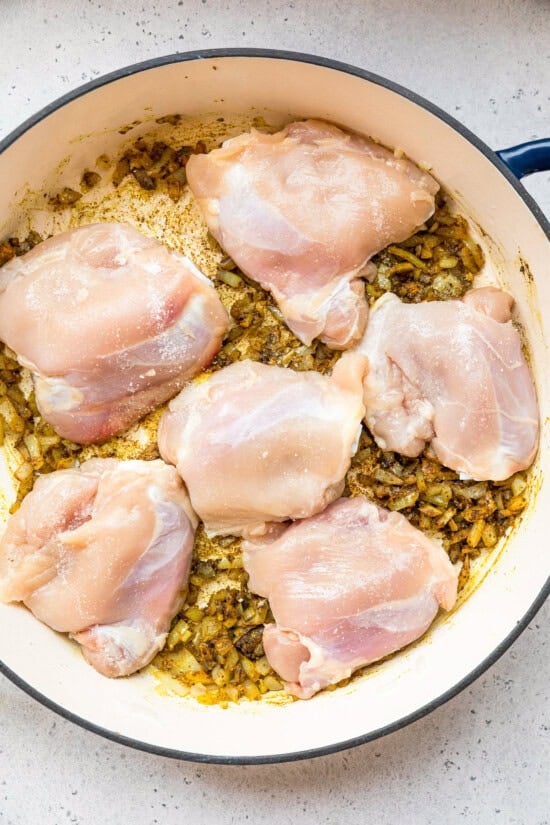
After the spice base is established, the chicken thighs are introduced to the pan, allowing the exterior of the meat to become coated in the aromatic mixture. Tomatoes and coconut milk are subsequently poured into the pot, scraping up any browned bits stuck to the bottom of the pan to integrate all caramelized flavors into the emerging sauce.

Once the liquid reaches a gentle boil, the potatoes are added, and the heat is reduced to a low simmer. The pan is covered, allowing the chicken and potatoes to cook evenly in the gentle heat. As the dish simmers for approximately 40 minutes, the chicken cooks through to complete tenderness, and the potatoes soften to the point where they easily yield to a fork.
Pressure Cooker Adaptation
For cooks seeking to reduce overall preparation time, the recipe transitions easily to an electric pressure cooker or Instant Pot. Using the appliance’s saute function, the initial steps of cooking the onions, garlic, and spices remain identical to the stovetop method.
Once the liquid elements, chicken, and potatoes are loaded into the pot, the device is sealed and set to cook under high pressure. The pressure environment rapidly forces the spiced liquid into the chicken and potatoes, achieving a similar level of flavor infusion and tender texture in a fraction of the time required for conventional simmering.

Comprehensive Nutritional Breakdown
A primary feature of this chicken curry recipe is its favorable nutritional profile, offering a satisfying, nutrient-dense profile that aligns with contemporary health-conscious dining preferences.
The recipe yields six generous servings, with a single serving defined as one chicken thigh served alongside a portion of potatoes and rich curry sauce.
The detailed nutritional profile per serving includes:
- Calories: 213 kcal
- Protein: 24 g
- Carbohydrates: 12 g
- Total Fat: 7 g
- Saturated Fat: 1.5 g
- Cholesterol: 108 mg
- Sodium: 392.5 mg
- Dietary Fiber: 1.5 g
- Sugars: 0.5 g
With 24 grams of protein and only 213 calories per serving, the dish functions as a high-protein dinner option suitable for various dietary frameworks. The moderate carbohydrate count of 12 grams comes primarily from the natural starches in the potatoes and tomatoes, while the fat content remains controlled at 7 grams per serving, with saturated fat kept to just 1.5 grams through the measured use of light coconut milk.
The active preparation time for the recipe is estimated at 15 minutes, followed by 42 minutes of cooking time, bringing the total time from start to finish to 57 minutes.
Customization, Serving Recommendations, and Storage
The versatility of this coconut chicken curry allows home cooks to tailor the final product to personal taste preferences and household dietary needs.
Spice Level Adjustments
As written, the curry offers a mild to moderate warmth suitable for general palates. However, the heat profile can easily be adjusted. For a spicier rendition, home cooks can incorporate finely diced fresh chili peppers, such as jalapeños or serranos, alongside the garlic and onions, or add a pinch of cayenne pepper or crushed red pepper flakes during the spice-blooming phase. Conversely, those sensitive to spice can reduce the quantity of curry powder while emphasizing sweet aromatics like garlic and onion.
Serving Ideas
To present a complete, balanced meal, the curry is traditionally served hot over a bed of fluffy, long-grain basmati rice. The slender grains of basmati act as an ideal sponge for absorbing the flavorful coconut sauce. For low-carbohydrate alternatives, the dish pairs equally well with steamed cauliflower rice, roasted vegetables, or a warm piece of whole-wheat naan bread for dipping.
Storage and Meal Prep Guidelines
This chicken curry stores exceptionally well, making it an excellent candidate for advance meal preparation. As the dish rests in the refrigerator, the spices continue to meld, often enhancing the overall flavor profile by the following day.
- Refrigeration: Leftovers should be transferred to an airtight container once cooled to room temperature and stored in the refrigerator for up to three to four days. Reheat gently on the stovetop over low heat or in the microwave, adding a splash of water or low-sodium chicken broth if the sauce has thickened excessively.
- Freezing: The curry can be frozen for up to three months. To maintain optimal texture, freeze individual portions in freezer-safe containers. Thaw overnight in the refrigerator before reheating thoroughly.
Expanding the Culinary Palette
For readers interested in exploring similar flavor profiles within health-conscious cooking, the platform features a broader collection of curried dishes and high-protein meals. Variations such as Chicken Tikka Masala and Chicken Dal Curry offer alternative takes on South Asian-inspired cuisine, utilizing different spice combinations, yogurt marinades, or lentil bases to create satisfying weeknight dinners.
Furthermore, the emphasis on macro-conscious, flavorful home cooking featured in this recipe reflects the core philosophy of Gina’s expanded body of work, including her specialized high-protein cookbooks designed to help home cooks prepare balanced, nutrient-rich meals without sacrificing traditional comfort flavors.