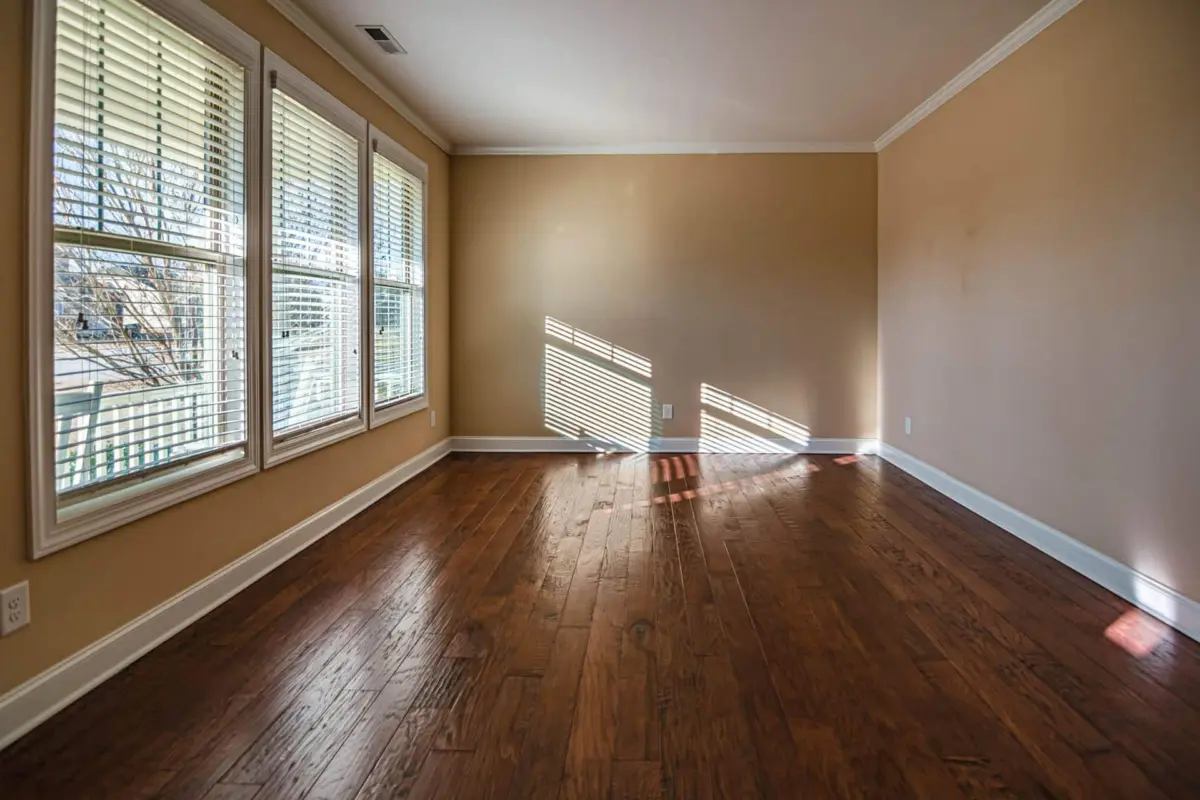
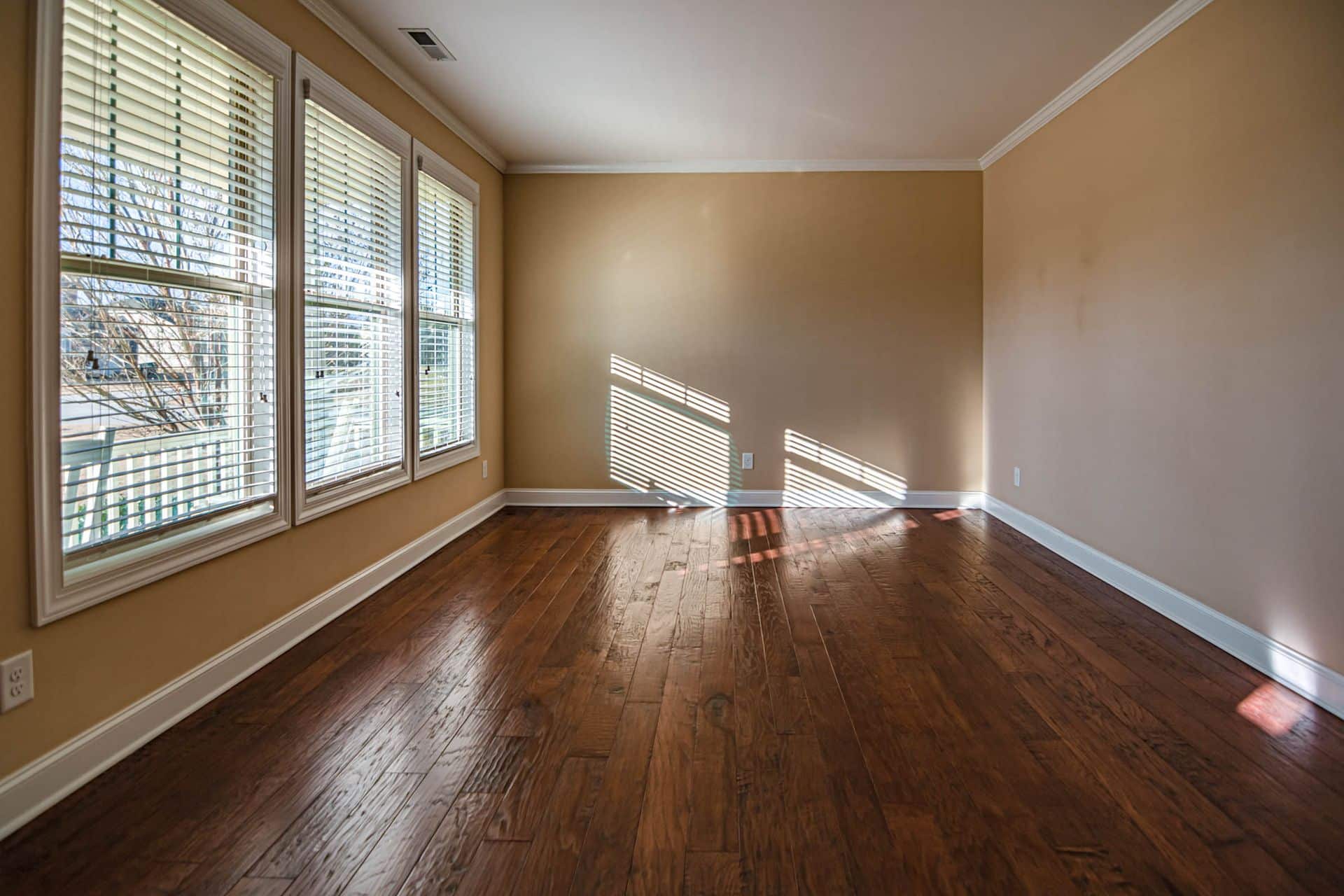
Sensing the need for a seamless transition, Mia had secured a minimally stocked rental unit. Upon arrival, she spent her first afternoon integrating her modest belongings into the sparse inventory of stock furniture. Living in an environment stripped of excess quickly offered profound insights into the psychology of clutter and minimalism—lessons that contrasted sharply with her previous experiences surrounded by a full household.
The Philosophy of "Use It Up"
Among the realities of occupying a furnished short-term rental is the provision of hotel-sized portions of everyday items. Having brought her own toiletries and cleaning supplies, Mia initially viewed these complimentary items as mere redundancies. Reflecting on past tendencies toward a hoarding mentality—where tiny provisions are routinely saved for hypothetical future scenarios—she adopted a radically different approach.
Instead of storing the miniature products, she made a deliberate choice to use them up completely. Recognizing that these inferior versions of everyday goods would never genuinely enrich her life or bring joy to future use, she systematically consumed them, discarded the empty containers, and freed up valuable physical and mental real estate. This temporary living arrangement cemented her philosophy regarding "use it up" decluttering, proving that consuming existing inventory is often far more efficient than preserving it indefinitely.
Functional Decor and Personal Mementos
As a self-described homebody, Mia found navigating the psychological terrain of an unfamiliar space to be a peculiar experiment. To combat the disconnect of being away from her permanent home and possessions, she intentionally displayed the few personal items she had brought along. Rather than tucking away a colorful throw blanket or stacking books on a bedside table, she draped the blanket over the couch and propped her books throughout the apartment.
Items that offered a comforting, homey aesthetic were granted visible placement rather than being relegated to drawers. While a strategy like this risks appearing cluttered in a heavily furnished environment, working with a strict minimum of mementos successfully warmed up the sterile space. This approach demonstrated how styling with functional items allows everyday objects to perform double duty, fostering a welcoming atmosphere without accumulating useless clutter.
Redefining Utility: A Lesson in Simplicity
A birthday visit from a close friend introduced a unique item to Mia’s sparse kitchen: a small wooden spoon. Living with sensory sensitivities, she harbors a strong aversion to the clinking sound of traditional silverware, a sensory trigger that frequently induces nausea. To avoid using the metal utensils provided by the apartment during her initial days, she had resorted to saving plastic cutlery from takeout orders.
The gifted wooden spoon offered an immediate remedy. Perfectly sized and deeply sentimental, it quickly became a reminder of her friend. By relying exclusively on this spoon alongside a pair of chopsticks, she effectively rendered the remainder of the apartment’s utensil drawer obsolete. The experience reinforced the principle that owning a single item capable of serving its purpose perfectly—especially one that brings genuine happiness—vastly outweighs maintaining a drawer full of uninspired alternatives.
The Energizing Reality of Solitude
At the moment, Mia’s social calendar stands as a study in minimalism. While she maintains proximity to a few acquaintances, her local network cannot compare to the community she left behind. Although she deeply values her friendships, the enforced quiet has proven remarkably energizing. Balancing a natural desire for constant companionship with an intrinsic need for solitude proved to be a familiar human contradiction, but one that ultimately yielded unexpected benefits.
With a simplified daily schedule and an exceptionally easy-to-maintain living space, daily life streamlined dramatically. Morning gym visits and workouts became effortless routines. Her temporary home remained spotless, leaving ample time to prepare healthy meals. Furthermore, having acquired a business a few months prior, she found herself significantly ahead on professional responsibilities, granting her the mental bandwidth necessary to resume writing. While she plans to reintroduce social activities and hobbies—such as game nights with old friends and a return to fight training—the period of intense solitude proved exceptionally productive.
The Rapid Accumulation of Clutter
Despite beginning the experiment with minimal possessions, Mia noted the rapid, almost imperceptible threat of accumulation within just three weeks. The timing of her birthday brought an influx of new gifts which, while appreciated, immediately began claiming physical space—a reality underscored by the presence of a trampoline sitting beside her workspace.
Even arriving with almost nothing, her kitchen cabinets quickly filled with plastic containers saved for food storage. This trend highlighted the natural flow of consumer goods within households, particularly in the United States, where items continually enter the home. Without establishing a deliberate flow of items back out, domestic spaces inevitably become overwhelmed. To combat this, she quickly re-engaged her passive decluttering strategies, finding them highly effective when applied proactively rather than reactively.
Evaluating the Results
As for the core question driving the relocation experiment, the results have been encouraging. The environmental change has provided the first meaningful health improvements Mia has experienced in years, offering a promising validation of her initial suspicions.
At the same time, the realization brings obvious complications, chief among them being the reality that her permanent life remains rooted elsewhere. Navigating that complex logistical challenge is a problem she now approaches equipped with newfound mental space and clarity. In the meantime, she continues to manage her business ventures and prepare for upcoming community initiatives, including a planned holiday decluttering challenge.