Across suburban neighborhoods, the cultural standard remains firmly rooted in the traditional monoculture lawn: a single species of grass kept at a uniform height and treated with chemicals to prevent any unauthorized vegetation from taking root. Observers note the environmental and practical toll of this landscaping model, pointing to practices such as watering thirsty lawns multiple times a day during seasonal droughts, even during the heat of high noon when evaporation rates peak.
Landscape historians and environmental advocates trace the origin of the pristine, manicured grass lawn to historical class structures, where dedicating substantial plots of land to completely non-functional, non-productive vegetation historically signaled financial abundance and leisure. Today, however, a growing movement of homeowners, urban homesteaders, and environmentalists are questioning the sustainability of this model. Critics argue that curated beds of non-native annual flowers and uniform turfgrass demand intensive care while offering little to no value to local ecosystems.
In response, a growing number of residents are turning toward minimal landscaping—an approach defined not by a desolate or neglected yard, but by designing outdoor spaces that align with local climates, personal schedules, and environmental realities. This philosophy of sustainable minimalism bridges traditional intentional living with ecological awareness, encouraging homeowners to reduce their footprint while reclaiming their time.
Transitioning away from high-maintenance grounds does not require an immediate, total overhaul of an entire property. Landscape advocates suggest a phased approach, beginning with the elimination of the most awkward or useless patches of turf—such as narrow strips along driveways, shaded corners beneath dense tree canopies, or awkward angles near fences that require cumbersome maneuvering with equipment. Converting these marginal zones into native perennial beds, clover patches, or mulched tree rings gradually reduces the square footage that requires constant mowing and watering.
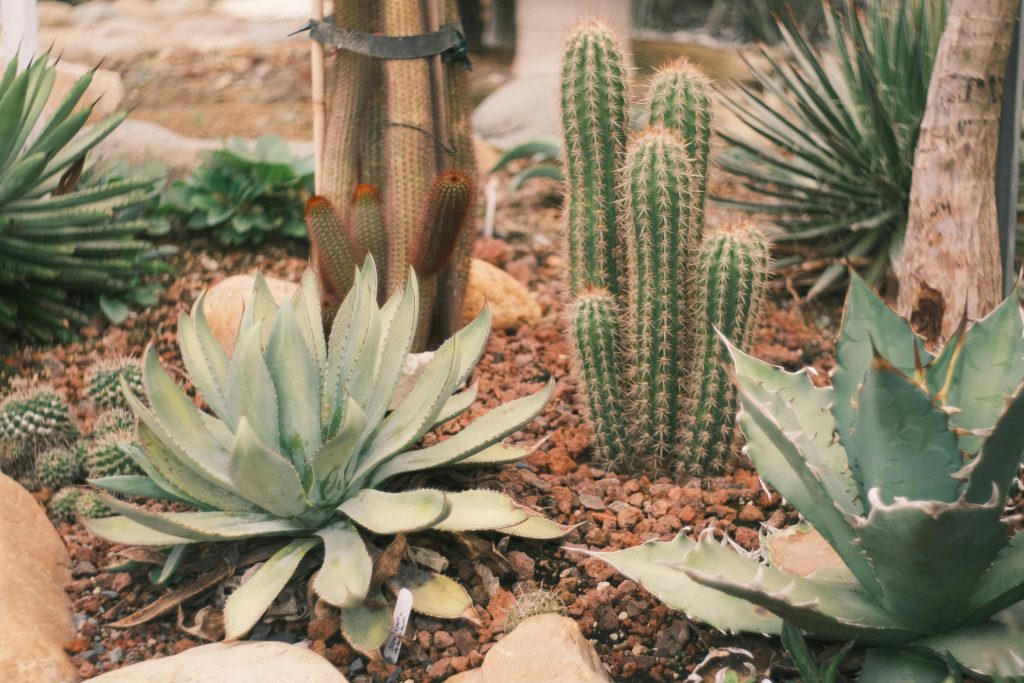
A foundational strategy in minimalist landscaping is the adoption of xeriscaping—a design methodology centered on low water consumption. Far from resembling a gravel parking lot, a well-executed xeriscape incorporates winding pathways of permeable materials, such as pea gravel or crushed granite, interspersed with drought-tolerant plantings like silver-leaved sage, lavender, yarrow, and ornamental grasses. By grouping plants according to their specific hydration requirements, property owners can create resilient landscapes that thrive with minimal intervention.
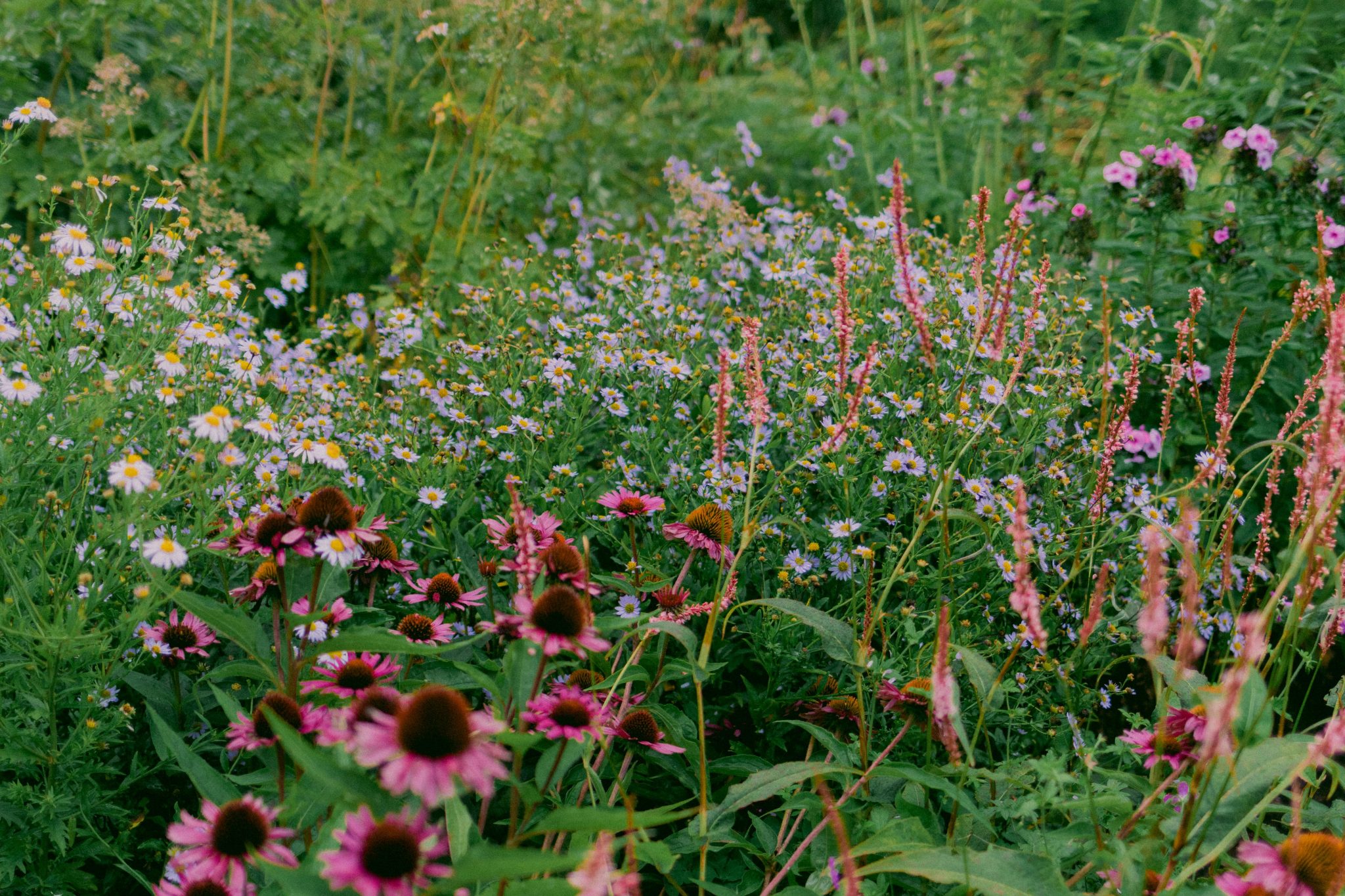
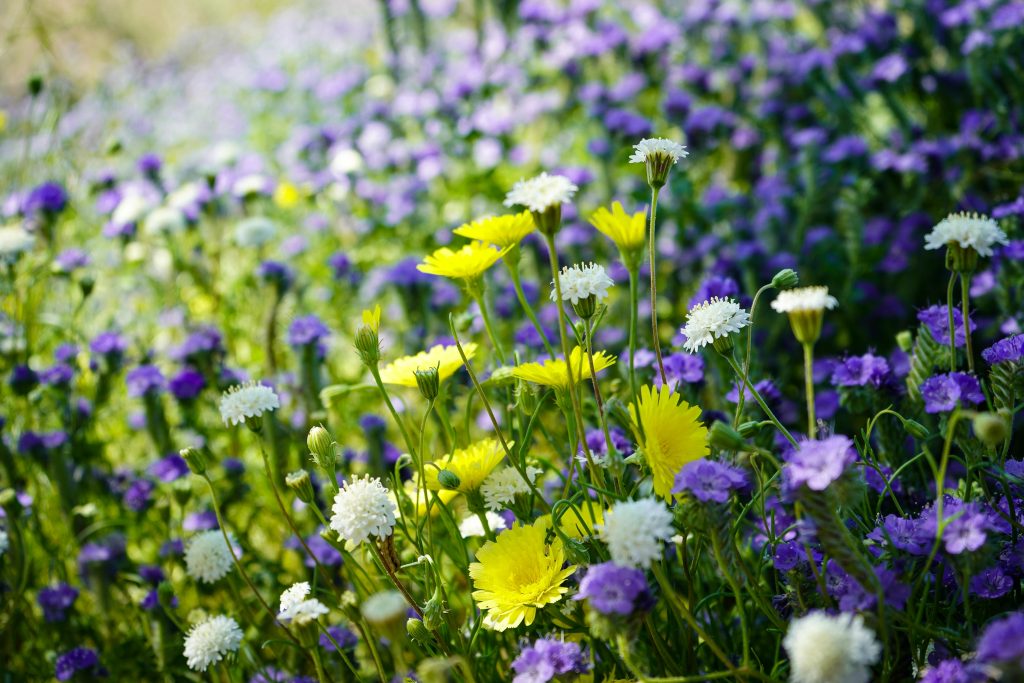
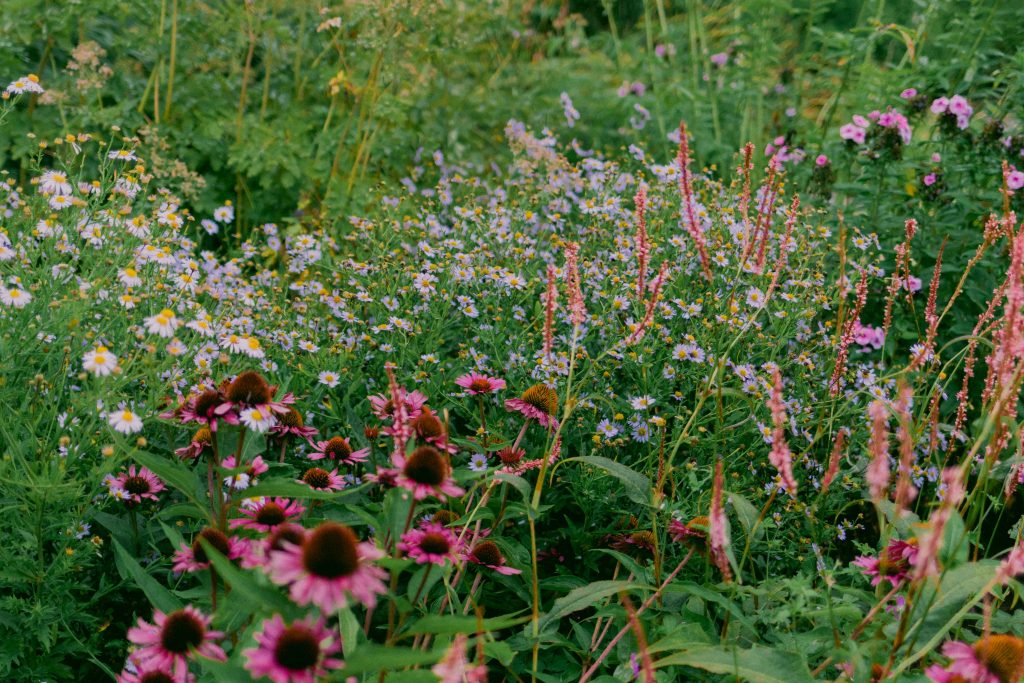
Integrating native plants functions as an ecological shortcut for low-maintenance yard design. Because native species have evolved alongside regional soil compositions, precipitation patterns, and local insect populations, they require virtually no supplemental watering, synthetic fertilizers, or specialized care once established. Furthermore, these plants provide essential nourishment for native pollinators and local bird populations, which in turn assist with natural pest control.
The strategic use of stone and rock further reduces labor overhead in minimal landscapes. Materials such as river rock, boulders, flagstone, and lava rock provide structural definition and drainage solutions without the ongoing maintenance required by living plants. A dry creek bed constructed from river rock, for instance, can effectively manage property drainage while contributing a deliberate, natural aesthetic.
To address irrigation efficiency, property owners are increasingly moving away from traditional overhead sprinklers, which often lose significant volumes of water to evaporation and wind drift while indiscriminately spraying sidewalks and fencing. Drip irrigation systems offer a targeted alternative, delivering water directly to plant root zones on automated timers. Combined with a generous application of organic mulch—such as wood chips, shredded leaves, or bark—drip systems drastically reduce both water consumption and the time spent managing moisture levels.

Mulching serves as a cornerstone of low-effort land management. A thick layer of organic material suppresses weed growth, regulates soil temperatures, and retains essential moisture while slowly breaking down to enrich the underlying earth. Homeowners frequently source free wood chips through community arborists or local delivery programs, transforming a seasonal chore into a cost-effective soil-building practice.
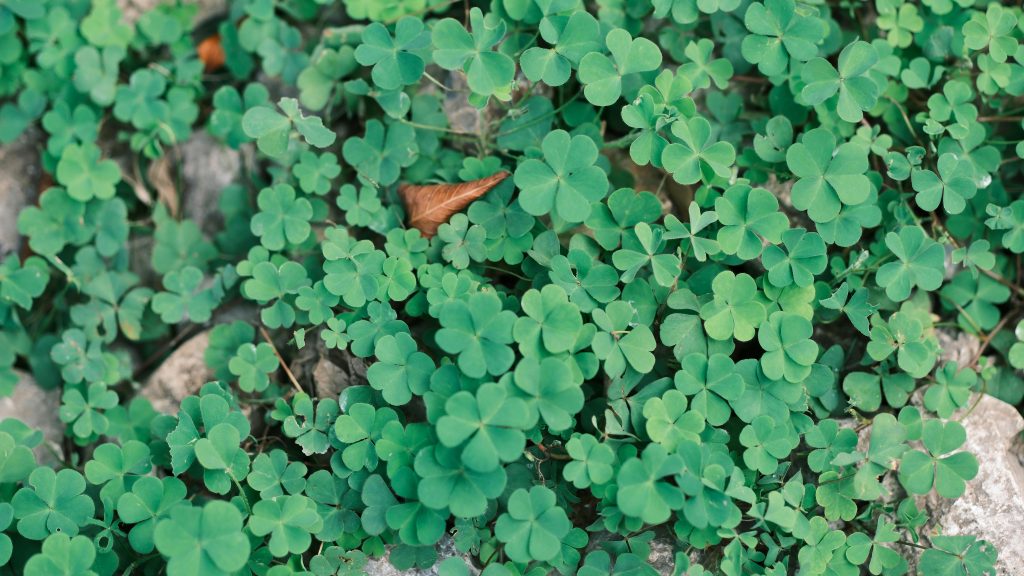
For those seeking a green surface underfoot without the burdens of traditional turfgrass, non-grass ground covers present a viable alternative. Creeping thyme, clover, moss, sedum, and creeping Jenny offer diverse textures and colors suited to varying sunlight and soil conditions. Many of these alternatives require significantly less water than grass, fix natural nitrogen into the soil, or emit pleasant aromas when stepped on, all while eliminating the need for regular mowing.
The overarching design principle guiding these changes is the concept of placing the right plant in the right environment. Matching shade-tolerant species to damp, protected corners and pairing drought-resistant Mediterranean herbs with sun-drenched slopes ensures that plants thrive naturally within existing site conditions rather than fighting against them.
Many homeowners are also expanding their minimalist designs to incorporate edible landscaping, blurring the lines between ornamental gardens and food production. Fruit trees double as shade providers, berry bushes function as flowering shrubs, and culinary herbs like rosemary and sage integrate seamlessly into standard landscape beds. This approach maximizes the utility of cultivated land, transforming standard yards into functional food forests.
Ultimately, sustainable minimalism in outdoor design encourages individuals to evaluate their relationship with their property. By decluttering outdoor living spaces—removing broken furniture, unused containers, and redundant tools—and aligning yard management with personal lifestyle goals rather than neighborhood pressures, homeowners can transform their outdoor spaces into manageable environments that support daily life rather than consuming it.