Critics in recent times have increasingly questioned whether the platform’s founder still practices what he preaches. Some online commentators argue that having accumulated substantial wealth, he has grown out of touch with the everyday economic struggles of the common worker, assuming that such wealth accumulation must necessarily coincide with an abandonment of foundational money-saving habits.
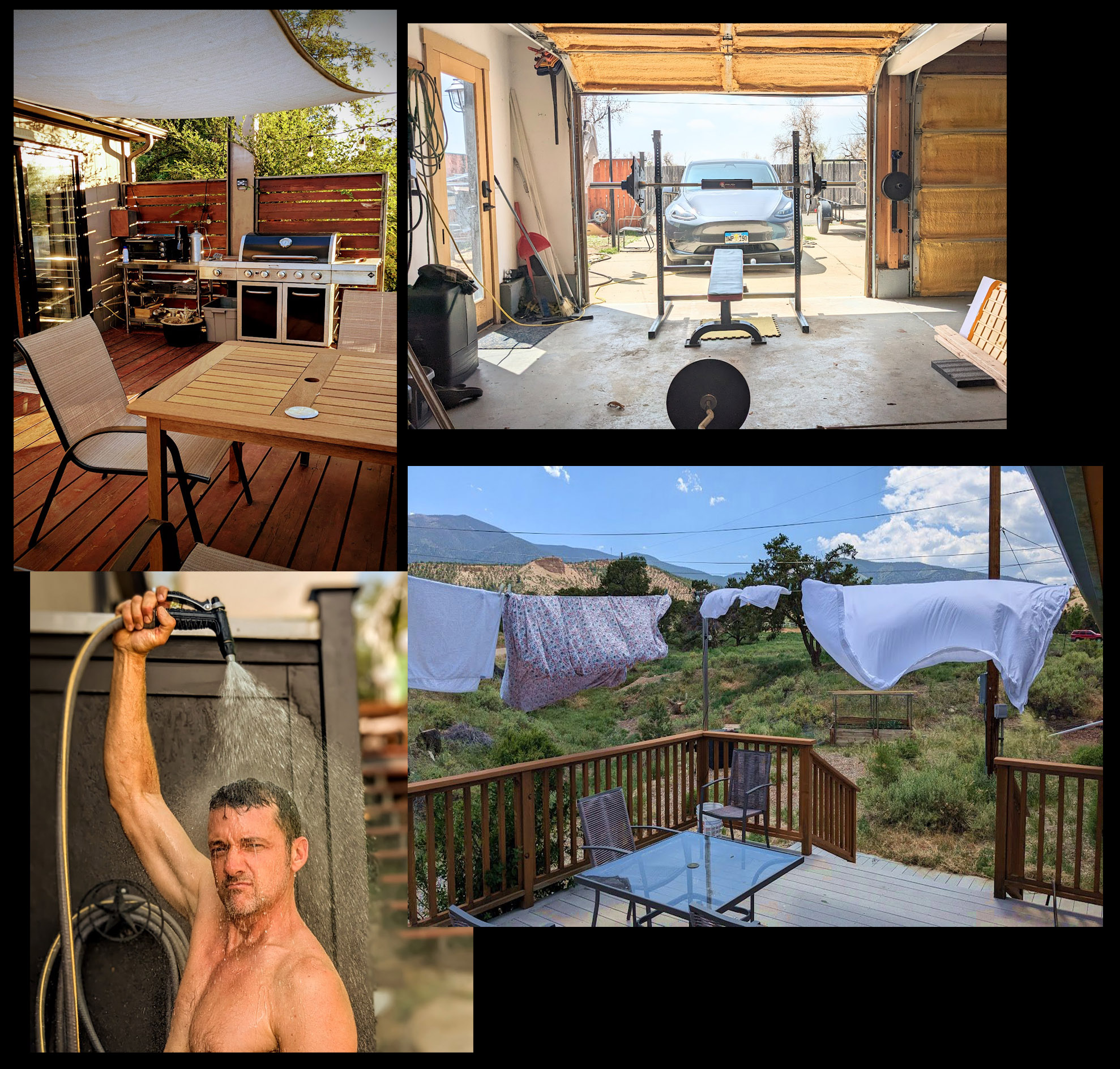
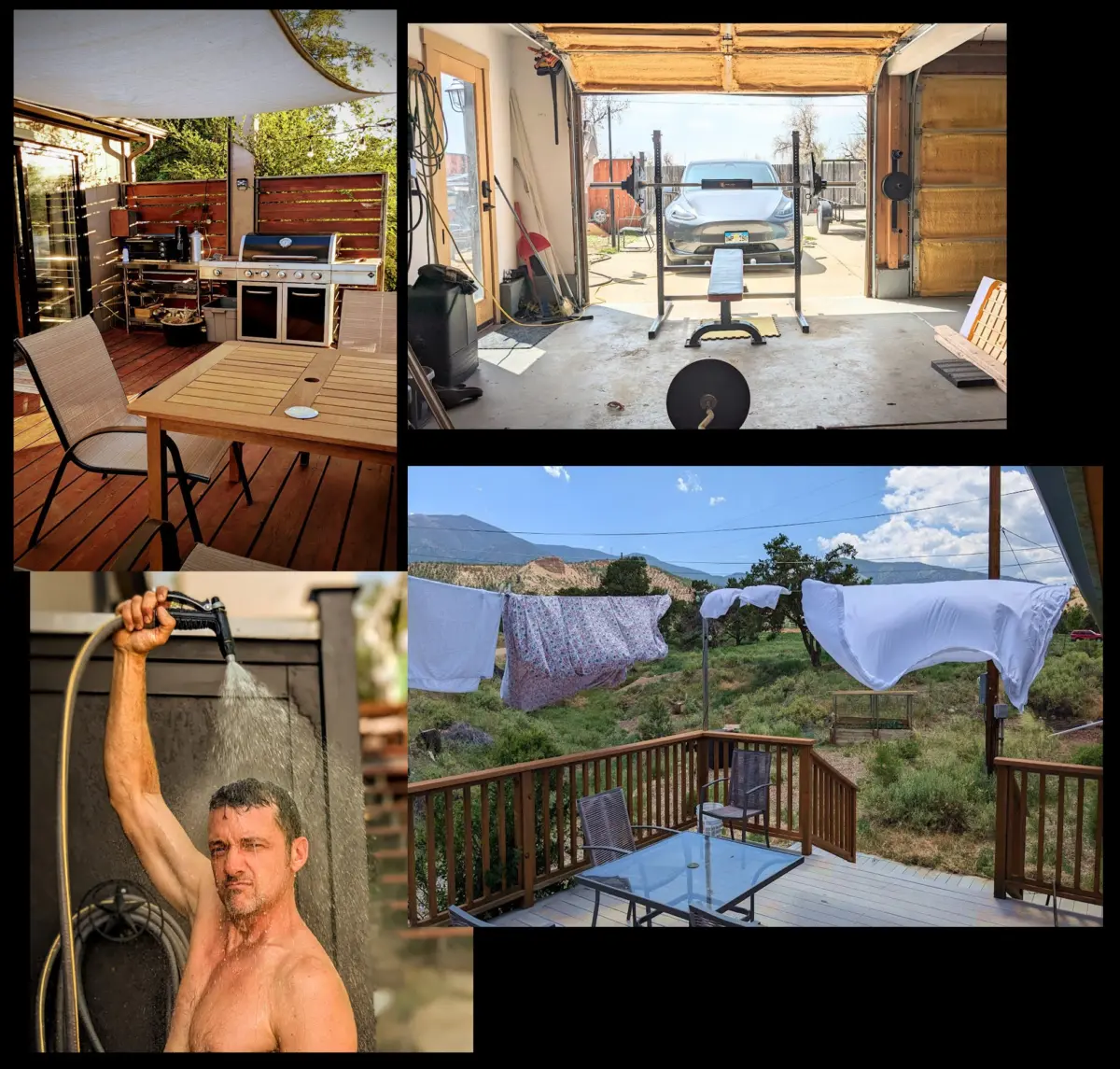
However, addressing these criticisms head-on, the author laughs off the notion of a widening disconnect, asserting that his daily life remains anchored in the very same principles that built his financial foundation. Rather than retreating into luxury, he contends that true financial independence is sustained not by restrictive sacrifice, but by a genuine cultivation of efficiency, creativity, and self-awareness.
The core philosophy, often referred to by followers as Mustachianism, diverges sharply from standard mainstream financial advice. While conventional wisdom typically suggests slashing spending and enduring harsh sacrifices merely to hit a specific savings percentage—after which lifestyle inflation is often permitted to take over—the Mustachian approach reframes frugality as a lifestyle upgrade. By focusing on personal capability and resourcefulness, participants often find their monthly expenses dropping naturally over time while their overall quality of life improves.
To illustrate how these principles operate in practice, the personal finance writer shares several concrete examples from his present-day routine. These activities, chosen primarily because he genuinely enjoys them, happen to yield substantial financial savings. Utilizing a standard financial metric known among his community as the "rule of 172"—where a monthly expense is multiplied by 172 to estimate its long-term compounding value over a decade when invested—these everyday habits reveal striking financial implications.
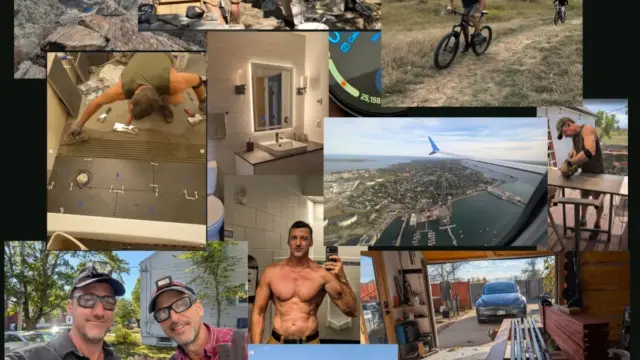
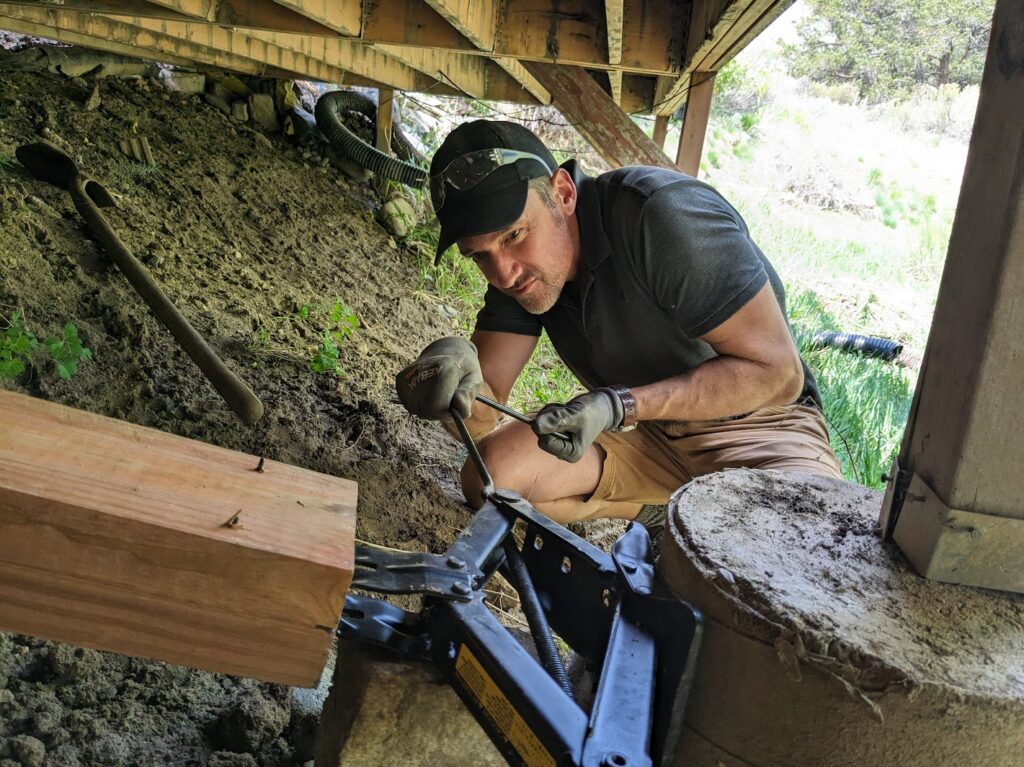
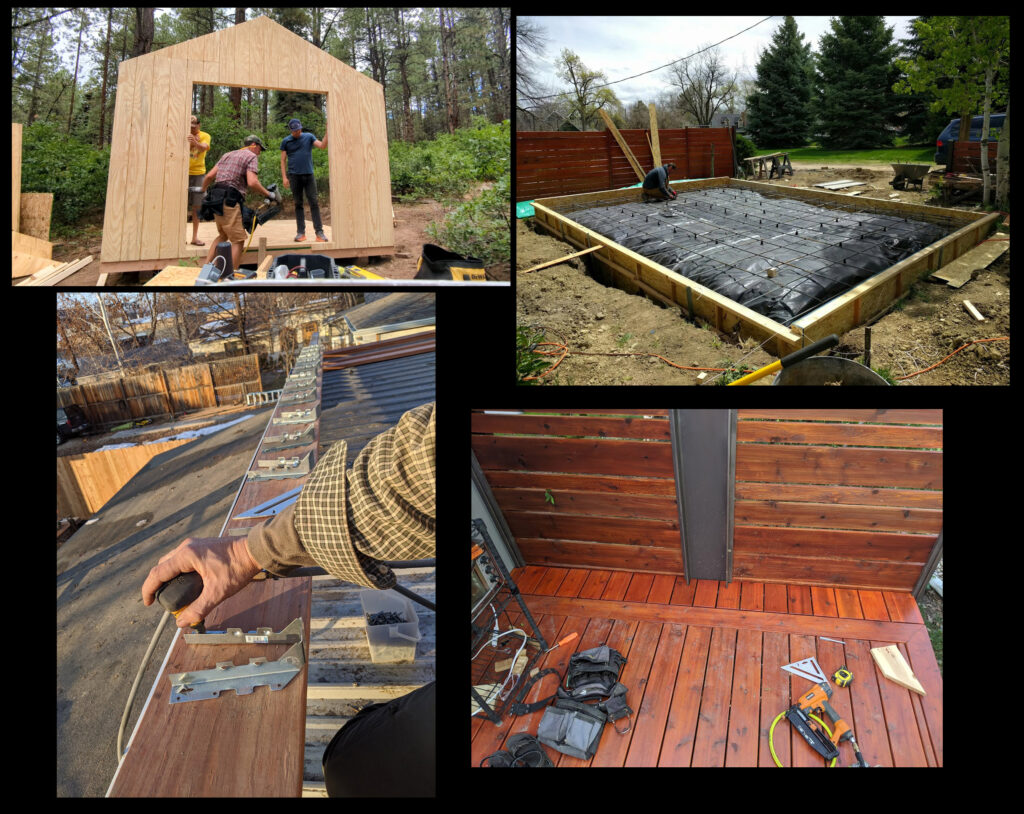
Chief among these practices is a deep commitment to home renovation and maintenance. Describing himself as a believer in self-sufficiency, the author notes that a primary driver of a happy life is becoming a producer of the things one most enjoys consuming. Having a passion for architecture and functional spaces, he spends a significant portion of his free time redesigning old buildings, tackling complex construction projects on his own properties, and assisting friends with theirs. By eliminating the heavy reliance on outside contractors and mastering the skills required to maintain a home independently, he estimates an average savings of approximately $20,000 per year, compounding to roughly $287,000 per decade.
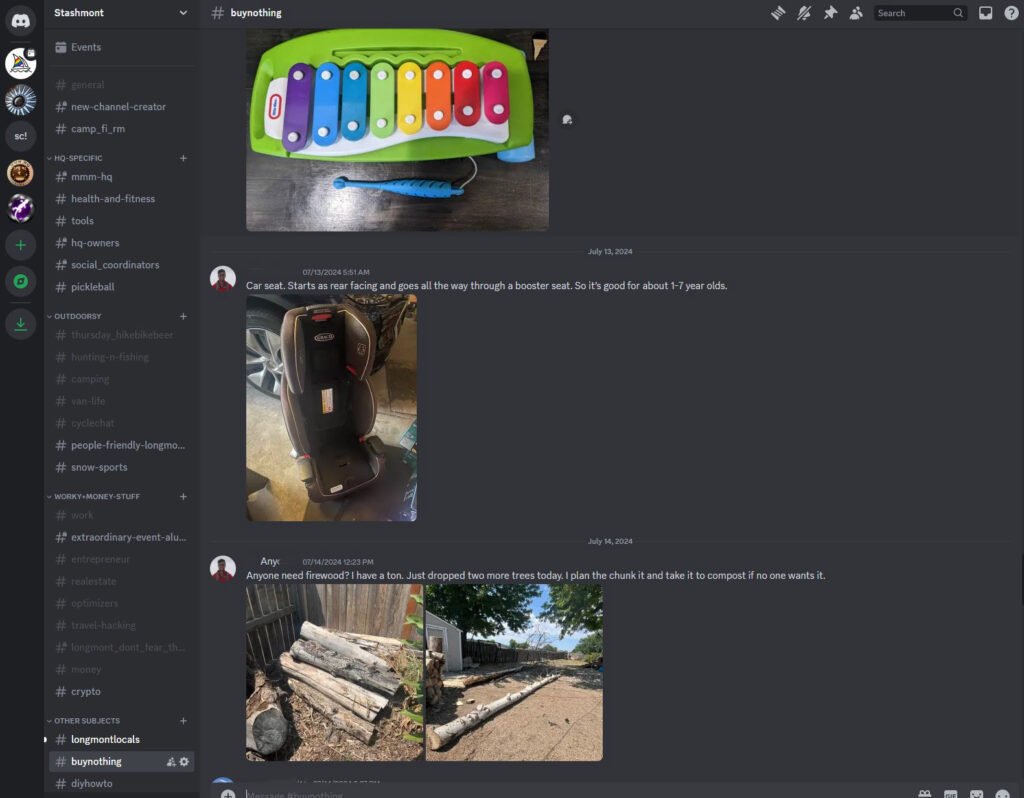
Beyond home improvement, community-based resource sharing plays a central role in his daily routine. While financial stability affords the convenience of purchasing brand-new goods delivered directly to one’s doorstep, the author emphasizes the distinct satisfaction found in alternative acquisition models. Utilizing platforms such as Craigslist, Facebook Marketplace, and localized digital spaces like private Discord servers, he and his local community actively engage in swapping, repairing, and repurposing high-quality items. This hyper-local network not only curbs unnecessary consumer spending but also fosters interpersonal connections, yielding thousands of dollars in annual value and contributing an estimated $42,000 per decade to his household economy.
Transportation choices remain another cornerstone of this lifestyle. Having long argued that bicycle transportation is superior to car ownership due to the hidden costs of depreciation, maintenance, and fuel, the author continues to rely on bikes or walking for the vast majority of his local travel. While living near the center of a small city naturally limits annual mileage to around 2,000 miles, avoiding heavy automotive dependency saves roughly $14,000 per decade. More importantly, he notes that active transportation fundamentally alters physical and mental health outcomes.
This preference for muscle over motor extends into everyday labor. Whether choosing stairs over elevators, pushing a cart across a golf course, moving heavy furniture independently, or shoveling snow instead of using motorized equipment, the author consistently opts for physical exertion. Viewing the human body through a "use it or lose it" lens, he links these choices to long-term vitality. By maintaining an active, robust physical routine, he contrasts his near-zero personal healthcare and medication costs against national averages, conservatively estimating financial and health-related benefits equivalent to $140,000 per decade.
Energy efficiency within the home represents another arena where personal eccentricity meets financial prudence. Combining the mindsets of an engineer, carpenter, and homebody, the author frequently experiments with passive solar design, modifying his living space to capture natural sunlight for winter heating while aligning his household routines with seasonal shifts. Although these adjustments require hands-on labor that might deter the average homeowner, reducing monthly gas and electric bills significantly from regional norms yields a conservative savings of approximately $30,000 per decade.

Similarly, a deliberate approach to leisure and travel contributes heavily to both financial retention and personal well-being. While travel remains a valuable tool for expanding life experience, the author advocates for a balanced perspective that honors the value of staying home. By declining frequent trips in favor of savoring local community life, hosting friends, and enjoying nearby natural amenities, families can drastically reduce both direct travel expenditures and incidental costs. Replacing just two weeks of annual vacation with equivalent time spent at home and within the local community can compound into a wealth increase of roughly $143,000 per decade.
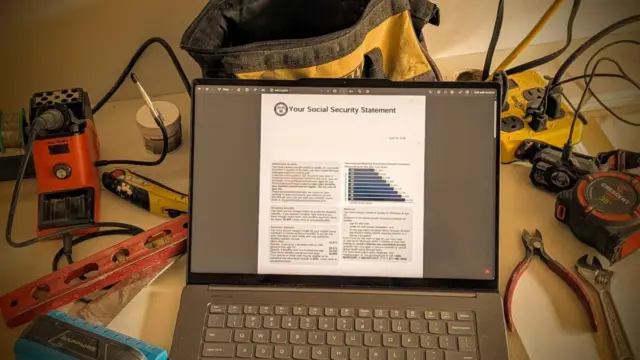
When aggregated, these everyday habits and quirks compound to more than $656,000 per decade—a sum that eclipses the median wealth accumulated by many American seniors approaching retirement after decades of traditional workforce participation. For the author and many long-term members of the community, these figures are not the result of agonizing deprivation, but rather the natural byproduct of living an efficient, engaged, and self-directed life.