
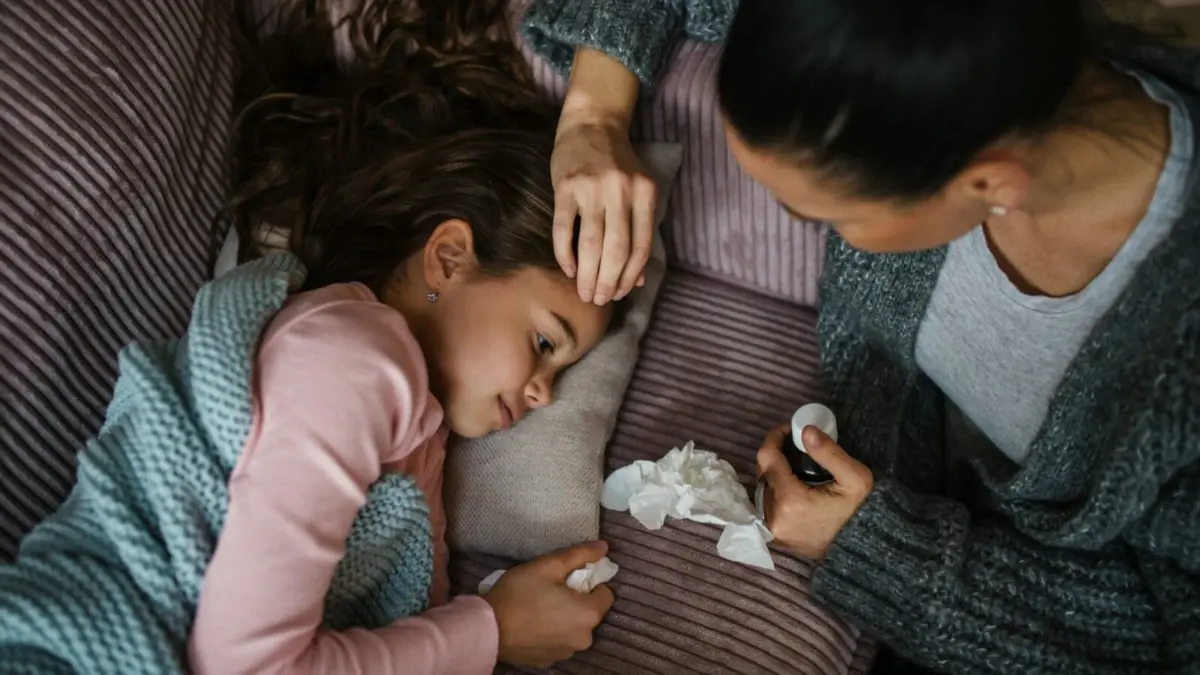

This autumn, however, pediatric health providers are warning that families may face those disruptions significantly sooner than anticipated. Early surveillance indicators show influenza activity gaining momentum weeks ahead of its traditional winter schedule.

To help families navigate the shifting calendar and reduce confusion surrounding childhood respiratory illnesses, pediatricians Dr. Tracy Tyson and Dr. Brittany Odom—both board-certified physicians and parents themselves—are advising parents to take practical, proactive steps before illnesses take hold. The doctors emphasize that maintaining family health during flu season does not demand an elaborate array of specialty products or complex medical expertise; rather, effective defense relies on clear, evidence-based habits, well-timed immunization, and a solid understanding of when to treat illness at home versus when to contact a healthcare provider.

Is Flu Season Really Starting Early This Year?
According to public health tracking and clinical observations, influenza is making an unusually early appearance in several regions across the United States.

“We have started seeing influenza earlier this year, and nationwide reports are also showing an earlier flu season,” explains Dr. Tyson.

While public health data from the Centers for Disease Control and Prevention (CDC) indicates that overall national influenza activity remains relatively low, the trend line is unmistakably heading upward. The onset, however, is not uniform across the map. Dr. Odom points out that geographical variation plays a significant role in how and when communities experience outbreaks.

“Nationally, the latest CDC report shows flu activity is still relatively low but increasing, with the highest activity on the West Coast,” Dr. Odom notes. In her own practice, she has already observed an influx of confirmed cases ahead of typical seasonal benchmarks.

Because viral transmission clusters locally before widening into broad national surges, pediatricians caution against waiting until infection rates spike in local schools to take preventive action. Waiting for an outbreak in a child’s specific classroom often leaves families unprotected during the initial, most rapid phase of community spread. Taking preventive measures early provides the immune system adequate time to mount defenses before exposure occurs.

When Should Kids Get the Flu Shot, and Is It Too Late?
Timing plays a pivotal role in the effectiveness of seasonal influenza immunization. Both Dr. Tyson and Dr. Odom advise parents to seek out vaccination as soon as doses become accessible in their communities.

“I recommend getting it in September or October, ideally by Halloween, for everyone 6 months and older,” says Dr. Odom. While late October serves as a standard target, getting vaccinated in November or later remains worthwhile. Pediatricians emphasize that receiving a shot later in the season is far preferable to skipping it altogether, as influenza circulation frequently persists well into late winter and early spring.

However, parents are urged not to deliberately delay the appointment. Once administered, the vaccine requires approximately two weeks for the body to develop full protective antibody levels. Furthermore, the immunization timeline can be longer for infants and young children. Children between the ages of 6 months and 8 years who are receiving their first influenza vaccine—or who have previously received only a single lifetime dose—require two distinct doses spaced at least four weeks apart to achieve complete protection. For these young patients, postponing the initial dose can leave them vulnerable well past the start of peak transmission windows.

“It isn’t ever too late, but the earlier, the better,” Dr. Tyson emphasizes.

For busy parents balancing packed family schedules, pediatricians also highlight that influenza vaccines can be safely co-administered with updated COVID-19 vaccines during the exact same clinical visit, eliminating the need to arrange separate appointments or observe mandatory waiting intervals between shots. Taking advantage of routine wellness checks or dedicated autumn vaccine clinics ensures children do not fall behind on critical immunizations.

Is the Nasal Spray or the Flu Shot Better for Kids?
When scheduling an appointment, parents are frequently presented with a choice between the standard injectable influenza vaccine and the needle-free nasal spray vaccine, known clinically as the live attenuated influenza vaccine (LAIV). Both pediatricians confirm that both formulations are effective options for protecting children, provided the child meets the appropriate clinical criteria.

The injectable vaccine remains the universal foundation of childhood influenza protection, approved by health authorities for infants and children aged 6 months and older. In contrast, the nasal spray formulation is cleared only for individuals aged 2 years and older, and carries specific medical restrictions.

“Children ages 2 through 4 with asthma or wheezing in the past year shouldn’t receive the nasal spray, and older children with asthma or other medical conditions need an eligibility review,” Dr. Odom cautions. Dr. Tyson follows the identical standard in clinical practice, emphasizing that children with active reactive airway conditions or underlying chronic health issues require careful evaluation before choosing the live nasal spray option.

For healthy children over age 2 who meet the criteria, the choice often comes down to parental and child preference. Overcoming the fear of needles can make the nasal spray a welcome alternative for many families, but pediatricians stress that parents should not stress over which version is marginally superior on paper. The central goal is ensuring that the child receives an age-appropriate vaccine without unnecessary delays.

Does the Flu Shot Actually Work if My Kid Gets Sick Anyway?
A persistent source of frustration for parents is when a child receives a flu shot only to develop a fever, cough, or runny nose shortly thereafter. Both physicians emphasize that vaccination neither promises an impenetrable shield against infection nor prevents the dozens of other non-influenza respiratory viruses circulating through daycares and schools.

The primary objective of the influenza vaccine is twofold: lowering the statistical likelihood of contracting influenza and dramatically reducing the severity of illness if a breakthrough infection occurs. Dr. Tyson points to a common public health adage that encapsulates the vaccine’s role: “Taking flu from wild to mild is exactly the right way of thinking.”

Clinical data demonstrates that the seasonal vaccine generally prevents influenza infection in roughly 40% to 60% of cases when circulating strains closely match the vaccine formulation. Even more importantly, when vaccinated children do contract the virus, their symptoms are typically significantly milder, and their risks of complications, hospitalization, or intensive care admission drop substantially.

“A sick day after vaccination doesn’t mean the vaccine had no value,” Dr. Odom explains. Pediatricians frequently remind families that early childhood involves repeated exposure to common colds, rhinoviruses, enteroviruses, and adenoviruses—illnesses that can mimic the onset of influenza but are entirely separate pathogens. A vaccinated child who catches a routine cold remains far less vulnerable to the severe, high-fever systemic impacts of true influenza.

How Do You Keep the Flu From Spreading Through the House?
When one member of a household tests positive for the flu, parents often brace for an inevitable cascade of illness across the entire family. Yet pediatricians emphasize that household-wide illness is far from guaranteed if targeted, practical precautions are introduced early.

“You absolutely can limit the spread,” says Dr. Tyson. Rather than requiring complicated or disruptive measures, effective containment relies on consistent execution of everyday hygiene principles.

Key preventive practices include:

- Enforcing strict, frequent handwashing with soap and water or alcohol-based sanitizer.
- Halting the shared use of beverage glasses, water bottles, food utensils, and hand towels.
- Reinforcing cough and sneeze etiquette, ensuring family members cough directly into their elbows rather than bare hands.
- Separating sleeping spaces and designating separate rooms for the sick child where possible to decrease continuous nighttime exposure.
Pediatricians also urge parents to shift their focus from surface disinfection to environmental ventilation. While sanitizing commonly touched surfaces like door handles and faucets remains helpful, influenza spreads primarily through microscopic respiratory droplets suspended in shared air.

“Don’t put all your energy into wiping down the house while overlooking the air everyone is sharing,” advises Dr. Odom. Simple adjustments to indoor air quality can drastically lower airborne viral loads:

- Cracking open windows slightly to introduce fresh outdoor air.
- Operating portable air purifiers equipped with high-efficiency particulate air (HEPA) filters in main living areas and sickrooms.
- Setting central HVAC fans to run continuously to promote air turnover and filtration.
Additionally, wearing well-fitted surgical or high-filtration masks during close caregiving interactions can protect parents from inhaling infectious droplets. However, masks should never be placed on infants or children under the age of 2 due to suffocation risks.

Above all, pediatricians emphasize grace and realism. Even under the most diligent hygiene regimens, respiratory viruses can still spread within a busy family. If another child falls ill, parents should recognize it as an inherent reality of viral transmission rather than a personal failure of caregiving.

What Flu Symptoms in Kids Mean It’s Time to Call the Doctor?
While the overwhelming majority of healthy children recover from influenza at home with supportive rest and fluid management, complications can arise. Parents should understand the specific clinical signs that indicate a child needs immediate professional evaluation.

Pediatricians advise parents to contact a healthcare provider promptly if a child exhibits any of the following concerning symptoms:

- Signs of respiratory distress: Rapid breathing, labored breaths, nostrils flaring with each inhalation, grunting sounds, or visible retractions—where the skin pulls tightly between the ribs, at the collarbone, or beneath the rib cage as the child works harder to pull air into the lungs.
- Persistent dehydration: Noticeable absence of tears when crying, a dry or sticky mouth, lethargy, or a significant decrease in wet diapers (fewer than three to four wet diapers in a 24-hour period for infants) or infrequent urination in older children.
- Extreme lethargy or altered responsiveness: Inability to wake the child easily, lack of awareness of their surroundings, refusal to interact, or profound weakness that prevents them from sitting up or making eye contact.
- Neurological symptoms: Sudden confusion, extreme irritability that cannot be soothed, or febrile seizures.
- Persistent high fevers: Any fever occurring in an infant under 3 months of age, or prolonged fevers lasting several consecutive days without improvement.
- The "rebound" pattern: A child who appears to be recovering from the flu, with improving energy and subsiding fever, who suddenly develops a renewed, high fever along with a worsening cough or labored breathing. This pattern often signals a secondary bacterial infection, such as bacterial pneumonia, which requires prompt medical intervention.
How Do You Treat the Flu at Home, and How High Is Too High for a Fever?
Managing influenza at home centers on supportive comfort care, symptom reduction, and meticulous attention to hydration. Dr. Odom recommends that parents prepare their homes before illness strikes by maintaining a well-stocked primary care kit.

Essential home items include:

- A reliable digital thermometer.
- Commercial oral rehydration solutions (such as Pedialyte) formulated with the proper balance of electrolytes and sugars.
- Saline nasal drops or sprays to loosen thick secretions and clear nasal passages.
- Age-appropriate fever reducers accompanied by marked measuring syringes.
- Multi-analyte at-home rapid tests, which can detect Influenza A, Influenza B, COVID-19, and RSV simultaneously from a single nasal swab, offering clarity on the underlying pathogen.
Actual treatment consists predominantly of rest, careful airway clearance with saline, and frequent, small sips of fluid. For infants, parents should maintain frequent breast milk or infant formula feeds, as small, repeated volumes are better tolerated than large feeds when a baby is congested. For children aged 1 year and older, pasteurized honey can serve as an effective, natural cough demulcent; however, honey must never be administered to infants under 12 months due to the risk of infant botulism.

When addressing fever and body aches, acetaminophen is suitable across age groups, while ibuprofen can be safely introduced starting at 6 months of age. However, Dr. Odom cautions against using ibuprofen if a child is actively dehydrated, struggling to keep fluids down, or experiencing persistent vomiting, as reduced kidney perfusion can increase the potential for adverse renal effects.

Medication safety is vital: parents must always calculate dosages based on their child’s current weight rather than their age, use the calibrated dosing syringe supplied with the medication rather than arbitrary kitchen teaspoons, and never administer aspirin to children or teenagers with flu-like illnesses due to its documented association with Reye’s syndrome, a rare but life-threatening condition affecting the liver and brain.

Regarding the fever itself, pediatricians frequently reassure parents that the exact number displayed on the thermometer is less critical than the child’s overall appearance, hydration, and comfort.

“There isn’t a level of fever that is unsafe per se,” explains Dr. Tyson. “It’s more about the length of time and the symptoms with the fever.”

Fever is an intrinsic physiological mechanism signaling that the immune system is actively fighting an infection. The primary medical threshold requiring immediate emergency attention is any fever of 100.4°F (38.0°C) or higher in an infant under 3 months old, as young babies require comprehensive clinical evaluations to rule out severe infections. For older children, clinical evaluation is warranted if a fever repeatedly exceeds 104°F, fails entirely to respond to weight-appropriate antipyretics, or lingers beyond four to five days. The overarching objective of fever medication, Dr. Odom notes, is not to force the body temperature down to a perfectly normal baseline, but rather to alleviate discomfort so the child can drink adequate fluids and rest.

How Do I Protect a Newborn or Pregnant Family Member During Flu Season?
Newborns and expectant mothers represent two populations at elevated risk for influenza-related complications, requiring focused family-wide shielding strategies.

Because infants under 6 months of age are immunologically too young to receive an influenza vaccination, their primary defense relies entirely on "cocooning"—a protective circle created by ensuring all household contacts, including parents, older siblings, and primary caregivers, are fully vaccinated.

Families with newborns must also establish clear health boundaries with outside visitors. Individuals who are ill or recovering from respiratory symptoms should not visit until fully recovered. Hand hygiene must be non-negotiable for anyone handling an infant, and clear guidance should be maintained regarding affection: visitors and family members must strictly avoid kissing newborns on their faces, hands, or heads.

For pregnant individuals, receiving the influenza vaccine is strongly recommended during any trimester of pregnancy. Physiologic changes in the cardiovascular, respiratory, and immune systems during pregnancy heighten the risk of severe illness and hospitalization from influenza. Vaccination provides dual protection: it safeguards the mother from severe viral complications and facilitates the direct transplacental transfer of maternal antibodies to the developing fetus. These maternal antibodies remain in the infant’s bloodstream after birth, conferring critical passive immune protection throughout the first six months of life when the baby cannot yet be vaccinated.

If a pregnant individual, an immunocompromised household member, or a caregiver of a vulnerable newborn experiences known flu exposure or begins exhibiting early symptoms, they should contact their obstetrician or primary care provider immediately to discuss prophylactic or therapeutic antiviral treatments rather than waiting for symptoms to escalate.

When Should I Reach Out if I’m Worried?
Navigating childhood illness is emotionally demanding, and pediatricians want parents to recognize that their intuition is a valuable diagnostic tool. When asked what guidance they most frequently share with anxious families, both physicians emphasize early communication.

“You don’t have to wait until your child looks terribly sick to call us,” stresses Dr. Odom. “Flu has treatments, and timing matters. Asking for help early is part of taking good care of your child, not overreacting.”

Prescription antiviral medications, such as oseltamivir, work most effectively when initiated within the first 48 hours of symptom onset, capable of shortening illness duration, easing symptom severity, and reducing the incidence of secondary complications like otitis media or pneumonia. Reaching out to a pediatrician during the initial stages of high fever or fatigue allows providers to evaluate the child within that critical treatment window.

Whether addressing vaccine scheduling questions, managing an unexpected household outbreak, or assessing evolving symptoms, families are best supported by reaching out to their pediatric care team early, ensuring that parents have the clinical guidance needed to navigate this winter safely.