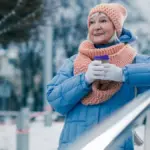

Despite the common assumption that sub-zero temperatures and biting winds demand an entirely new regimen, skincare experts note that winter does not necessarily mean throwing out your current routine. The fundamental pillars of skin health—moisture, antioxidants, and protection from environmental stress—remain critically important year-round. However, understanding the specific ways in which cold weather, wind, and dry indoor air affect the body’s largest organ can help individuals make targeted adjustments precisely when they are needed.
To understand why winter weather poses such a distinct challenge, it helps to examine the structure of the skin itself. The outermost layer, known scientifically as the stratum corneum, acts as the body’s primary shield. Its vital job is to hold water securely inside the body while simultaneously protecting against external irritants and environmental stressors. This barrier consists of specialized skin cells held together by a rich matrix of lipids, cholesterol, and essential fatty acids. When this delicate barrier is compromised or stripped of its natural components, moisture escapes much more easily, leaving the skin feeling dry, tight, and prone to inflammation.
Several distinct winter conditions directly challenge this protective barrier on a daily basis. Chief among them is cold, dry air. Cold air naturally contains significantly less water vapor than warm air. When this cold outdoor air is drawn into a home or office and heated by a furnace or radiator, its relative humidity drops even further, creating an indoor environment that actively leaches moisture from unprotected skin.
Wind compounds this issue significantly. Moving air accelerates the rate of evaporation from the skin’s surface while simultaneously increasing direct exposure to cold temperatures. This combination is the primary culprit behind the tight, reddened cheeks that so many people experience after spending time outdoors on a brisk winter day.
Furthermore, lifestyle adjustments made to combat the cold can inadvertently worsen the problem. Long, hot showers and baths, while comforting on a freezing morning, use hot water and harsh cleansers that can dissolve and wash away the very lipids essential for maintaining the skin’s natural protective barrier.
While these environmental factors affect people of all ages, mature skin often requires an extra layer of attention and care. Skin changes naturally as the human body ages, and the physiological shifts that occur after menopause are well-documented. Declining estrogen levels contribute directly to changes in overall hydration, elasticity, and dermal thickness. As a result, aging skin produces fewer natural lipids and becomes progressively less efficient at maintaining optimal moisture levels.
When the skin lacks sufficient oil, it is traditionally classified as dry, whereas skin lacking water in its upper layers is considered dehydrated. Both conditions can make fine lines appear much more prominent and contribute heavily to that uncomfortable feeling of tightness and a dull, lackluster appearance. Supporting the skin barrier and actively reducing moisture loss can help aging skin feel considerably more comfortable throughout the harsh winter season.
Even in the depths of winter, skin continues to require robust moisturizing agents. A well-formulated moisturizer plays a critical role in reducing trans-epidermal water loss, supporting the structural integrity of the skin barrier, and dramatically improving the texture of dry, rough surfaces. Moisturizing ingredients generally achieve these goals through different mechanisms, working in harmony to lock in hydration and smooth the complexion.
In addition to traditional hydrators, botanical ingredients can contribute significant secondary benefits to skincare formulations. For instance, calendula contains high concentrations of flavonoids and carotenoids, which are well-studied for their antioxidant and anti-inflammatory activity. Scientific inquiry into calendula extracts suggests they offer genuine benefits for skin hydration, conditioning, and even collagen support.
Similarly, fennel contains a rich profile of flavonoids and other bioactive compounds studied extensively for their antioxidant and brightening properties. Research into fennel extracts indicates that they may also provide potential benefits for moisture retention and deep hydration. When incorporated into quality formulations, these herbs complement the humectants and natural oils already working to protect the skin. If individuals notice persistent tightness or flaking, dermatologists and formulators often recommend applying moisturizers more generously or integrating a richer cream or balm to target particularly dry areas.
Beyond basic hydration, the skin continues to encounter environmental stressors throughout the entire calendar year, meaning that antioxidants and sun protection should never be abandoned simply because the sun feels less intense. Antioxidants play a vital role in defending cells against oxidative stress caused by ultraviolet radiation and urban pollution. Essential vitamins such as C and E, alongside plant-derived antioxidants like calendula and green tea, remain foundational components in effective skincare formulations.
Similarly, broad-spectrum sunscreen with an SPF rating of 30 or higher remains critically important on exposed skin, even on overcast or cloudy days. Cumulative ultraviolet exposure continues year-round and contributes heavily to uneven pigmentation, the deepening of wrinkles, and the long-term loss of skin elasticity.
Maintaining skin health does not mean giving up beloved winter activities like brisk morning walks, skiing, or mountain adventures. Instead, safeguarding the complexion outdoors relies on a few practical, common-sense habits. Experts caution against the temptation to aggressively scrub or exfoliate every rough patch that appears during the winter months. Over-exfoliation can severely disrupt an already compromised and irritated skin barrier, leading to more harm than good.
Ultimately, enjoying the winter season without neglecting personal skin health is entirely achievable without purchasing an entirely new product line. If the skin feels comfortable and balanced, individuals are encouraged to continue doing what already works for them. However, if the skin feels uncomfortably tight immediately after cleansing, switching to a gentler cleanser can make an immediate difference. If a standard daily moisturizer is no longer sufficient against the dry air, upgrading to a richer formula or applying a targeted protective balm to vulnerable areas can restore comfort. Many people also find relief by using a hydrating face spritzer throughout the day or running a humidifier in their living spaces to combat the dry indoor air generated by heating systems.
Producers within the wellness and skincare industry emphasize that effective products stem from a combination of botanical knowledge and rigorous skin science. Companies like Colorado Aromatics, for example, cultivate specific healing herbs such as calendula and fennel on their own regional farms, leveraging their natural skin-conditioning properties. By combining these farm-grown botanicals with proven moisturizing ingredients and powerful antioxidants, formulators aim to support healthy, hydrated skin through a philosophy rooted in good soil, thoughtful formulation, and a deep understanding of what the human body requires to thrive in any season.