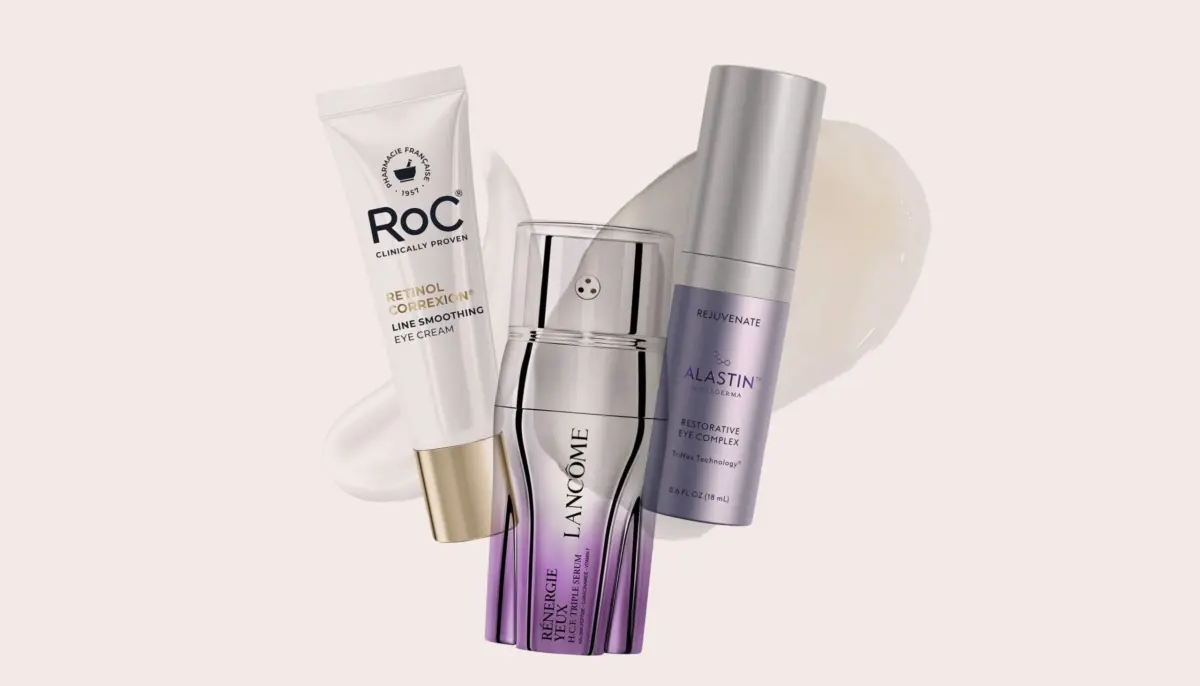
Recent discussions among skincare professionals highlight formulations that go beyond surface-level moisture. For instance, specific products leverage ingredients like niacinamide to help even out discoloration, while botanical additions such as green tea and oak leaf extracts actively target the visible appearance of dark circles. For those who prefer to avoid intensive or potentially irritating actives like retinol during their morning routine, alternative formulations provide a lighter touch. These products often feature a lightweight texture that layers beautifully under makeup, making them a seamless addition to a morning regimen without the risk of daytime sensitivity.
However, navigating the vast array of available eye creams requires an understanding of what various ingredients actually achieve. The foundation of any great eye cream lies within its ingredient list, notes Dr. Fatima Fahs, a board-certified dermatologist based in Canton, Michigan. For individuals seeking immediate results and long-term comfort, gentle ingredients that boost skin hydration or prevent moisture loss—such as hyaluronic acid, squalane, glycerin, and ceramides—are often recommended as primary staples.
What to Look For in an Eye Cream for Wrinkles
Addressing fine lines and structural aging calls for specific targeted compounds. Another top ingredient frequently recommended for targeting fine lines is retinol, says Dr. Rachel Nazarian, a board-certified dermatologist based in New York City. As a vitamin A derivative, retinol works by increasing collagen production to improve the look of fine lines, while simultaneously evening skin tone and reducing the visible signs of hyperpigmentation.
Despite its efficacy, retinol is an intensive active ingredient that has the potential to irritate sensitive skin types. Dermatologists consistently advise patients to always patch-test new products before applying them to the entire face, particularly in the delicate under-eye area, and to follow up with adequate daily sunscreen protection to prevent UV-induced damage.
In addition to retinol, skin-brightening essential vitamin C serves as an antioxidant powerhouse that fights free radical damage and helps fade pigmentation concerns. It is little surprise that vitamin C remains a mainstay in brightening eye creams across the industry. More broadly, incorporating any form of antioxidant into a daily eye cream offers substantial protective benefits.
Antioxidants serve as a valuable bonus in eye creams because they protect against environmental stressors and help preserve the skin from premature aging, Dr. Nazarian explains, emphasizing that everyone can benefit from this added layer of defense.
Environmental factors and internal dehydration also play a significant role in how aging appears on the skin. Dehydration can severely exacerbate the look of wrinkles, making fine lines appear more pronounced than they actually are. For individuals noticing dry skin around the eyes, incorporating a hyaluronic acid-infused product into their skincare regimen can offer noticeable improvements. Hyaluronic acid functions as a powerful humectant that plumps and hydrates the skin, thereby improving the overall appearance of fine lines.
Beyond these traditional favorites, other alternatives have emerged for those seeking effective anti-aging benefits without the potential drawbacks of stronger retinoids. Peptides represent a great alternative to retinol, according to Dr. Liu, who notes that peptides help signal the skin’s internal production of collagen while providing essential hydrating benefits to improve the appearance of stubborn crow’s feet.
When Do I Start Using an Eye Cream?
Timing is another frequent consideration for individuals looking to preserve the youthful appearance of their skin. According to dermatologists, preventive care is one of the most effective strategies in modern skincare.
Patients can start using eye creams preventatively, and the earlier, the better, says Dr. Nazarian. While a preventative approach might not be necessary or practical for every part of the face at a young age—such as worrying about future skin laxity at age 20—the eyes are uniquely vulnerable to showing wear and tear much sooner than the rest of the facial landscape.
This particular area of the body features skin that is exceptionally thin, meaning even a small amount of cumulative environmental or mechanical damage shows dramatically early in life, Dr. Nazarian explains. Alongside topical treatments, she also recommends wearing sunglasses as a simple yet highly effective preemptive protective measure against squinting and UV damage.
How Products Are Evaluated and Reviewed
The process of determining which skincare products truly deliver on their promises involves rigorous evaluation. When industry publications like Allure test a product, editors examine it from every conceivable angle to best serve consumers. This comprehensive evaluation process involves reviewing ingredient decks, scrutinizing brand claims, and, when necessary, examining peer-reviewed scientific and medical studies.
In addition to testing each product included in formal reviews, editorial teams rely heavily on recognized experts who shape their respective fields, including dermatology, cosmetic chemistry, and medicine. These specialists help vet the underlying ingredients and formulation chemistries to ensure safety and performance.
For comprehensive reviews of specialized products such as the best eye creams for wrinkles, testing panels consider performance across five primary categories: product ingredients and efficacy, packaging, fragrance, texture, and product wear. Every product featured is ultimately determined to have excelled in each category through a collaborative process involving in-house writers, editors, contributors, and expert dermatological insight.
Diverse Perspectives in Beauty Testing
A beauty product purchase remains a deeply personal decision, whether a consumer is searching for a rich face cream to address persistent dryness, a new nail treatment for a weekly self-care routine, or simply browsing the latest market launches. Ensuring that product recommendations resonate with a broad audience requires a commitment to diverse testing methodologies and staff representation.
Industry leaders emphasize that having a diverse team of writers and editors, alongside a wide range of outside testers and industry experts, is essential to achieving trustworthy product evaluations. Skincare needs vary drastically across different demographics, skin tones, ages, and personal backgrounds.
Rigorous testing standards dictate that claims of a product being the best for specific groups—such as mature skin types over the age of 50—must be backed by feedback from testers within those exact demographics, rather than relying solely on younger cohorts. Similarly, high-end hair tools and treatments require evaluation across diverse curl patterns and hair textures before earning a definitive endorsement. This inclusive approach ensures that the guidance provided to consumers remains fair, accurate, and genuinely applicable to a wide array of individual skincare and beauty needs.