
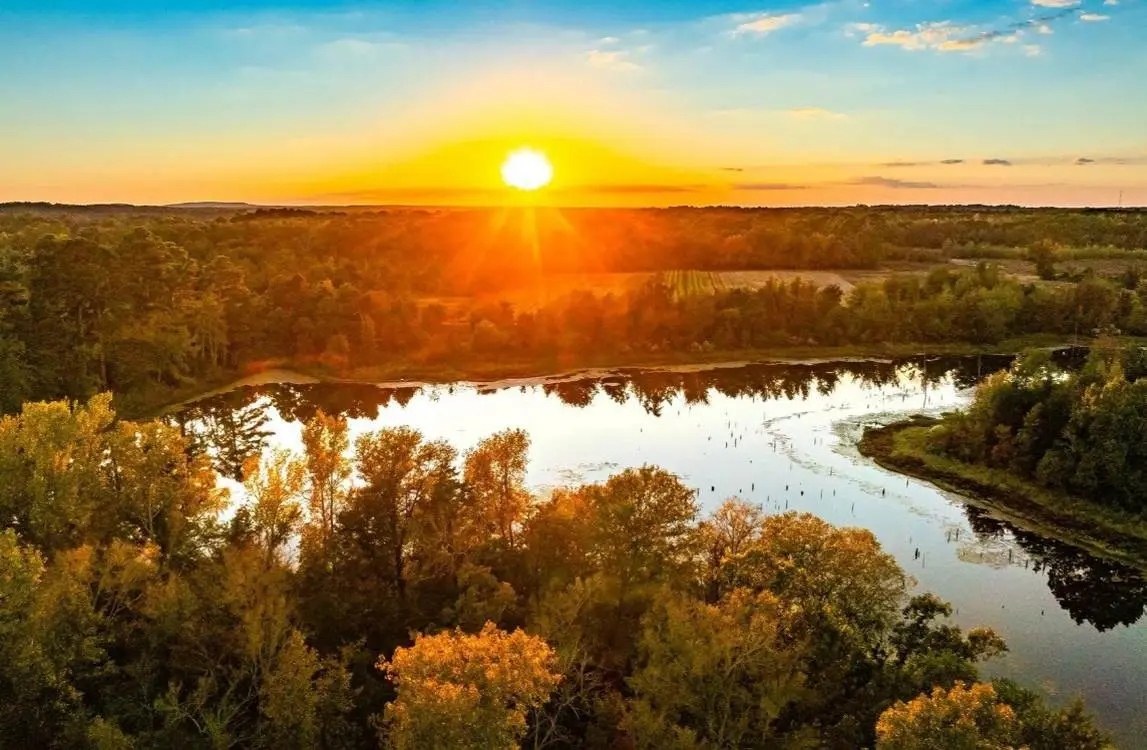
Spanning 650 acres in Henderson County, the sprawling property is an ecological mosaic of rich pine woods, short natural bluffs, thriving wetlands, and a historic working pecan orchard. Soon, these diverse landscapes will welcome the public for camping, kayaking, wildlife observation, and a wide array of outdoor recreational activities.
For the past 80 years, the land has been in the stewardship of the Pollard family. Generations of Pollards built and sustained a thriving business growing pecans on the fertile soil, maintaining the natural integrity of the acreage right up to the present day. When the current owner, Sam Pollard, decided it was time to part with the family property, he deliberately chose to place it on the market for conservation purposes rather than commercial development, ensuring its protection for posterity.
"This land is part of my soul," said Sam Pollard, who also serves as the president of the Texas Pecan Nursery, in a statement detailing the transaction. "It means a lot to me that we can leave a legacy for people to enjoy."
The final sale price was a largely ceremonial pittance of just $1 million. The transaction was funded and executed by the Texas Parks and Wildlife Foundation, a dedicated nonprofit organization that steps in to acquire high-priority conservation land deemed suitable for the Texas State Park system. The foundation purchases these critical tracts and holds them securely until state authorities are financially positioned to acquire the property.
"Opportunities to protect a property like this don’t come along very often, and when they do, timing is critical," said Anne Brown, executive director of the Texas Parks and Wildlife Foundation, in the announcement. "TPWF was able to step in and secure this land now so it can ultimately become a place where generations of Texans can enjoy the outdoors."
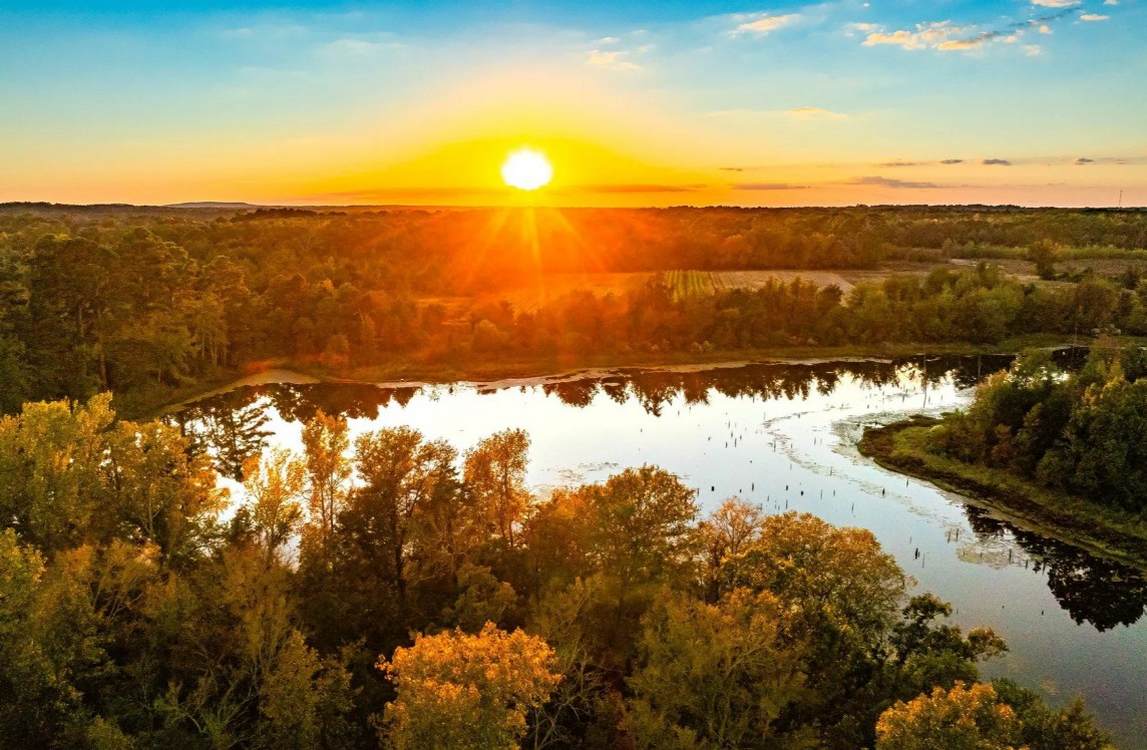
The property boasts immense potential for both vital conservation efforts and expansive outdoor recreation. Lake Palestine, which reaches depths of up to 58 feet, is already renowned among local residents and visitors alike for boating, paddling, swimming, and premier fishing for species such as bass, catfish, and sunfish.
Future visitors to the state park will be treated to sweeping, scenic blufftop views of the lake, tranquil spaces for wildlife and bird watching, and the rare opportunity to explore the property’s existing, historic pecan orchard. Beyond human recreation, the diverse acreage serves as a vital sanctuary for local wildlife, providing robust natural habitats for white-tailed deer, bobcats, waterfowl, and a wide array of woodland and water-dependent bird species.
According to the foundation’s announcement, the nonprofit will hold the property in trust until late 2027. At that time, the Texas Parks and Wildlife Department is scheduled to officially acquire the land, utilizing additional funding made available through the Centennial Parks Conservation Fund. This dedicated fund was authorized by lawmakers several years ago specifically to expand, enhance, and improve the state park system and the recreational opportunities available to the public.
"We are excited to add this East Texas gem to the Texas State Park system," said Rodney Franklin, director of Texas State Parks at the Texas Parks and Wildlife Department. "Families will be able to enjoy lake recreation on Lake Palestine, along with the pecan trees that are a signature of the property. We are grateful to our partners, the Texas Parks and Wildlife Foundation, and to owner Sam Pollard and his family who have generously allowed this special slice of the Pineywoods to be accessible for generations of Texans."
The department has outlined a phased approach for opening the future park to the public. The rollout will begin with guided access events, followed by the opening of daytime use areas, and eventually culminating in full day-use and overnight camping access. Once the department officially purchases the land from the foundation, it plans to host public outreach initiatives and invite community input to discuss and help shape the long-term vision and development options for the new park.
As development moves forward, planned amenities for the site include a network of hike and bike trails, traditional and primitive campsites, designated day-use areas, and improved lakefront access points. In addition to recreation infrastructure, habitat restoration will play a critical role in preparing the pristine landscape for its new chapter as a public state park, ensuring that the ecological health of the pine woods, wetlands, and shoreline is preserved for decades to come.